

 Merch
Merch Medical card
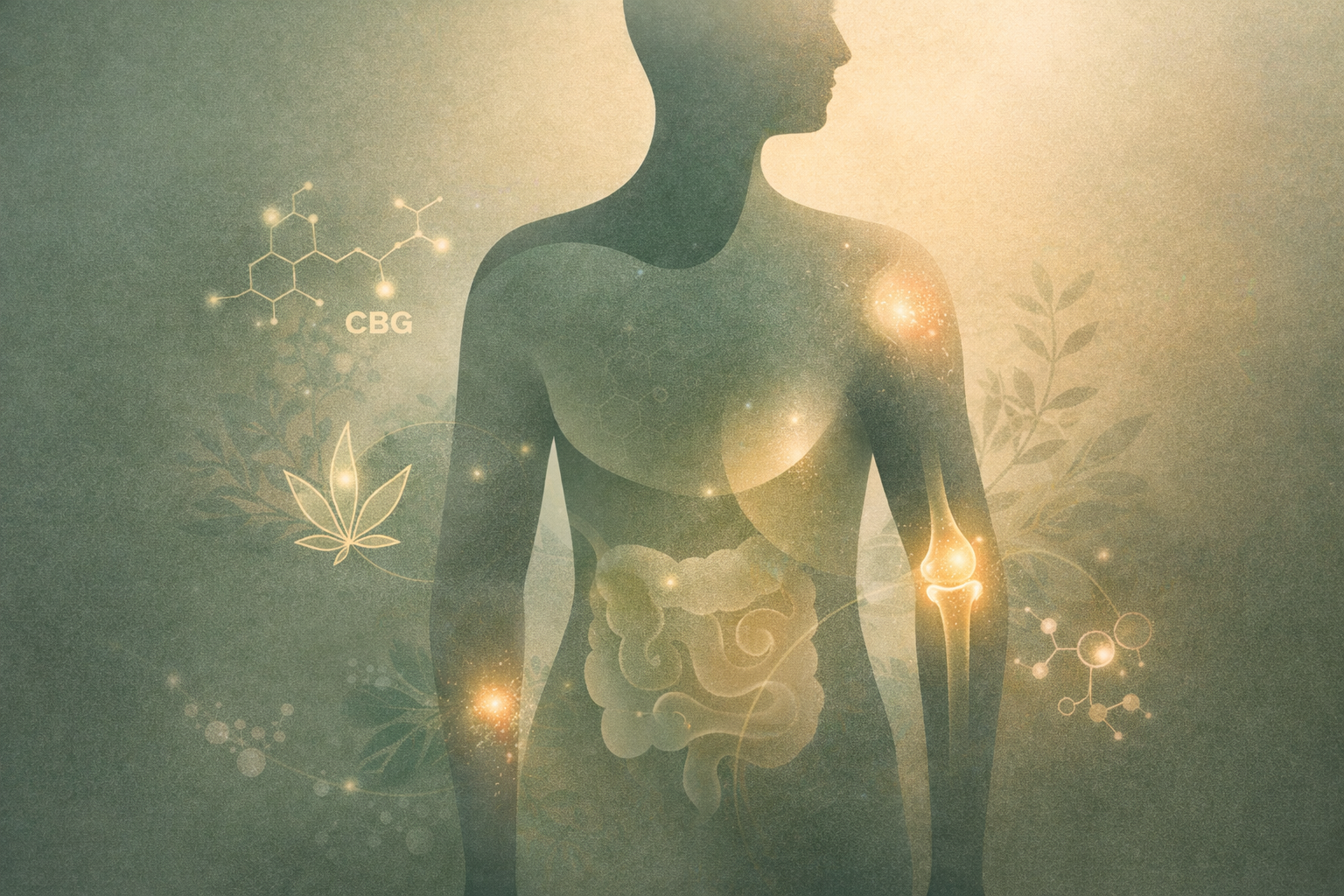
As you set intentions for 2026, you might be thinking beyond typical resolutions—looking for sustainable ways to support your body’s natural balance. If that sounds like you, it’s worth getting to know cannabigerol, or CBG.
CBG is a lesser-known cannabinoid that’s gaining attention for its potential anti-inflammatory and wellness-supporting properties. Unlike THC, it won’t get you high. Unlike CBD, it’s often called the “mother cannabinoid” because other cannabinoids are derived from it in the plant.

If you’re seeking science-informed approaches to manage inflammation, improve sleep, or support gut health this year, CBG might deserve a spot in your wellness toolkit. Here’s what you need to know.
What Is CBG and How Does It Differ From CBD and THC?
CBG is one of over 100 cannabinoids found in cannabis plants, but it’s typically present in much smaller amounts than THC or CBD. It’s non-intoxicating, meaning it won’t produce a “high,” and it interacts with your body’s endocannabinoid system differently than its more famous cousins.
While CBD and THC have been studied extensively, CBG research is still in early stages, with most evidence coming from cell studies, animal models, and limited human trials.
What makes CBG interesting is its potential to modulate inflammation through multiple pathways. Early research suggests it may influence cytokine production, interact with JAK/STAT and NF-κB signaling pathways, and support your body’s oxidative stress response. These are the molecular switches that regulate inflammation throughout your body—from your gut to your joints to your skin.
How CBG May Help Reduce Inflammation
Inflammation isn’t inherently bad—it’s your immune system responding to injury or infection. But chronic, low-grade inflammation contributes to conditions ranging from inflammatory bowel disease to arthritis to skin issues.
CBG appears to calm overactive inflammatory responses by modulating cytokine production, influencing key signaling pathways that control inflammatory gene expression, and potentially reducing oxidative stress that damages cells.
Most of these findings come from laboratory and animal studies. While the mechanisms are promising, we need more robust clinical trials before making definitive claims about CBG’s effects in humans.
Gut Health: Starting Your Wellness Journey From Within
If “heal your gut” is on your 2026 resolution list, CBG might support that goal. Research in animal models shows that CBG-rich hemp extracts can moderate colitis and shift the gut microbiome toward healthier balance. Another study found that CBG reduced intestinal inflammation in mice with colitis, suggesting it could help maintain gut barrier function.
Remember, CBG isn’t a replacement for addressing underlying gut issues with your healthcare provider—it’s potentially one tool in a broader strategy.
Practical gut-health resolutions paired with CBG:
- Increase dietary fiber: Aim for 25–35 grams daily from vegetables, fruits, whole grains, and legumes
- Add fermented foods: Yogurt, kefir, sauerkraut, and kimchi support microbiome diversity
- Consider CBG supplementation: Start with low doses (5–10 mg) and monitor how your body responds
- Track symptoms: Keep a journal of digestive comfort, energy levels, and bowel habit changes
Stress, Sleep, and Mood Support
New Year’s resolutions often include better stress management and improved sleep quality. One of the few human studies on CBG found that a single dose acutely reduced feelings of stress and anxiety while improving verbal memory in healthy adults.
While this doesn’t prove long-term benefits, it suggests CBG might support your nervous system during particularly tense moments.
Resolution-ready strategies:
- Establish a wind-down routine: Consider CBG 30–60 minutes before bed to see if it helps you relax
- Pair with breathwork: Combine CBG with deep breathing or meditation for enhanced stress relief
- Monitor your response: Some people find CBG mildly energizing, while others feel more relaxed
- Be patient: CBG’s effects may build gradually over several weeks
The research on CBG for mood and sleep is still developing, and individual responses vary. It’s not a cure for anxiety disorders or insomnia, but evidence suggests it may support emotional balance as part of a comprehensive approach.
Skin and Joint Support
If you’re dealing with skin inflammation or joint discomfort, CBG might offer some relief—though the evidence is preliminary. Studies show that CBG can reduce inflammation in skin cells affected by atopic dermatitis by targeting the same JAK/STAT pathways that prescription medications address.
For joint health, research indicates CBG may calm inflammatory responses in rheumatoid arthritis by modulating synovial fibroblast activity.
Incorporating CBG:
- For skin: Look for topical CBG products formulated for sensitive or inflamed skin. Give it at least four weeks to see results.
- For joints: Oral CBG (tinctures, capsules) may provide more systemic effects than topicals alone.
- Set realistic expectations: CBG isn’t likely to replace prescribed treatments for severe inflammatory conditions.
Before You Start: Talk to Your Healthcare Provider
Before adding CBG to your wellness routine, discuss it with your healthcare provider. Bring evidence, be specific about your goals, and review potential medication interactions—CBG may interact with drugs metabolized by liver enzymes. Choose third-party tested products with clear CBG content.
Some studies have flagged potential liver enzyme elevations at high CBG doses, similar to concerns with CBD. This reinforces the importance of medical oversight, especially if you take other medications or have liver conditions.
The Bottom Line
CBG shows real promise for supporting inflammation management, gut health, stress response, and more—but it’s not a magic bullet. The research is still emerging, with most studies conducted in cells or animals rather than humans.
What we do know suggests that CBG works through multiple anti-inflammatory pathways and appears generally well-tolerated at modest doses.
As you craft your wellness resolutions for 2026, think of CBG as one potential tool—best paired with foundational habits like eating an anti-inflammatory diet, managing stress, moving your body regularly, and prioritizing sleep. Start low, go slow, track your experiences, and work with a healthcare provider to ensure CBG fits safely into your overall health strategy.
The New Year is a time for fresh starts, but sustainable wellness comes from informed choices, not quick fixes. CBG might help you on that journey, but only as part of a bigger commitment to listening to your body and supporting it with evidence-based care.
References
- Navarro G, et al. Cannabigerol Action at Cannabinoid CB1 and CB2 Receptors and at CB1–CB2 Heteroreceptor Complexes. Front Pharmacol. 2022.
- De Caro C, et al. The Therapeutic Potential of Cannabigerol: A Journey Through Preclinical and Clinical Evidence. Front Pharmacol. 2025.
- Nachnani R, et al. The Pharmacological Case for Cannabigerol. Molecules. 2024.
- Jukič M, et al. Anti-Inflammatory Activity of Cannabigerol via JAK/STAT and NF-κB Signaling Pathways in Atopic Dermatitis. Biomedicine & Pharmacotherapy. 2024.
- Al Haj Ahmad MF, et al. A High Cannabigerol Cannabis sativa Extract Moderates TNBS-Induced Colitis in Rats. Biology. 2023.
- Formato M, et al. CBG, CBD, and Their Combinations Downregulate Cytokine-Induced IL-6 Release from Rheumatoid Arthritis Synovial Fibroblasts. Int J Mol Sci. 2025.
- Mammana S, et al. Could the Combination of Two Non-Psychotropic Cannabinoids Counteract Neuroinflammation? Int J Mol Sci. 2019.
- Almogi-Hazan O, et al. Acute Effects of Cannabigerol on Anxiety, Stress, and Mood: A Randomized, Double-Blind, Placebo-Controlled Study. Cannabis and Cannabinoid Research. 2024.
- Formato M, et al. In Vitro and Clinical Evaluation of Cannabigerol-Enriched Hemp Oil: A Promising Formulation for Oral and Topical Use. Pharmaceutics. 2024.
- Borrelli F, et al. Beneficial effect of the non-psychotropic plant cannabinoid cannabigerol on experimental inflammatory bowel disease. Biochemical Pharmacology. 2013.


Sign up for bi-weekly updates, packed full of cannabis education, recipes, and tips. Your inbox will love it.