

 Merch
Merch Medical card
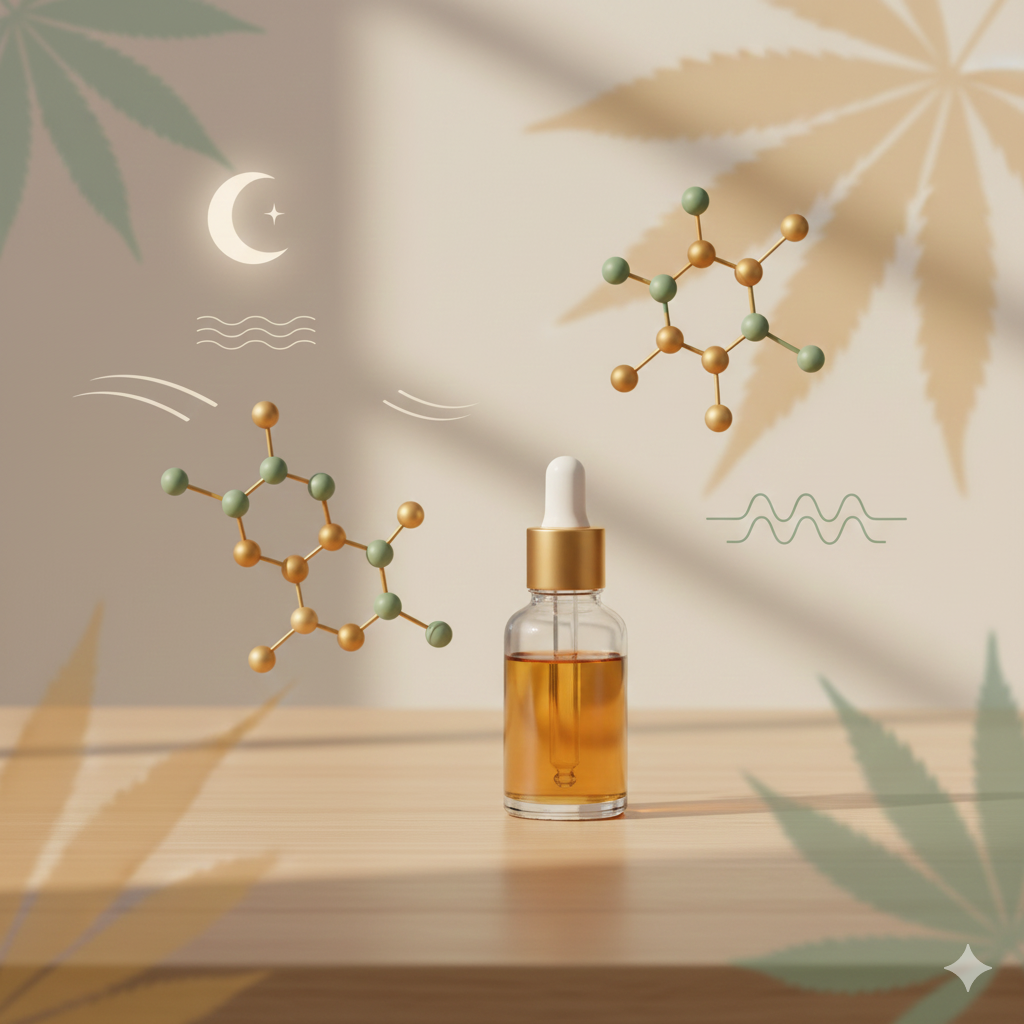
The new year brings gym memberships, meal plans, and meditation apps—and for many people in 2025, cannabinoids are becoming part of the wellness reset too. Unlike quick fixes or fads, CBD and THC offer distinct, science-backed pathways to support sleep, pain management, and stress reduction when used thoughtfully. Here’s how to build a smarter cannabinoid routine this year, based on what the evidence actually shows.
Understanding CBD vs THC: The Basics
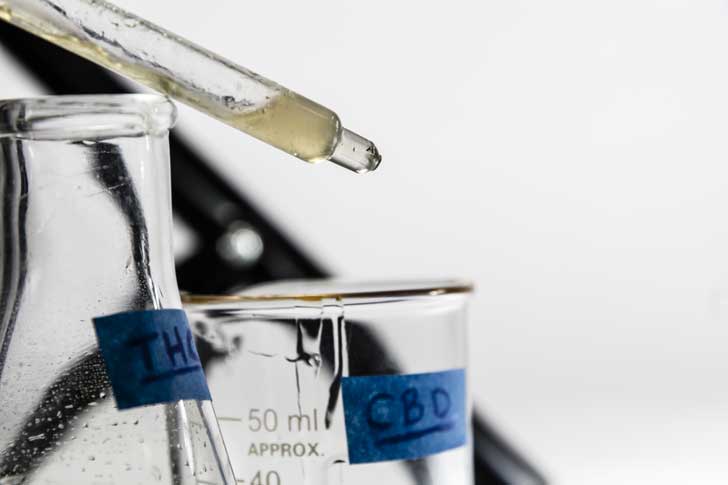
Before setting resolutions, understand what you’re working with. CBD (cannabidiol) and THC (tetrahydrocannabinol) are sibling cannabinoids with very different effects:

CBD is non-intoxicating. It won’t impair your thinking, affect your ability to drive, or show up as “positive” on most workplace drug tests (though trace THC in full-spectrum products might).
THC is psychoactive. It produces the “high” associated with cannabis and can impair coordination, memory, and judgment.
Both interact with your endocannabinoid system, but their therapeutic applications differ significantly. Understanding this distinction is essential for matching the right cannabinoid to your wellness goals.
Resolution 1: Sleep Better
Poor sleep affects everything from mood to metabolism. If better rest is on your list, cannabinoids may help—but the evidence varies considerably:
CBD for insomnia: A randomized controlled trial using 150 mg of CBD nightly showed promise for primary insomnia, though results have been mixed across studies. Many over-the-counter products contain far less (10–25 mg), which may explain inconsistent results.
Low-dose THC: Some people find 2.5–5 mg THC helpful for falling asleep faster, though higher doses can disrupt sleep architecture. Balanced THC:CBD formulations may reduce next-day grogginess.
Start smart: Try CBD first if you need to wake up clear-headed. Track your sleep quality for 30 days before adjusting your dose.
Resolution 2: Manage Stress and Anxiety
Reducing anxiety is one of the most common reasons people turn to cannabinoids. The science here requires careful interpretation:
CBD shows potential: Clinical trials often use 150–900 mg for anxiety disorders, far exceeding typical commercial products. Evidence suggests CBD may help with social anxiety and PTSD symptoms, but it’s not a cure-all.
THC is complicated: Research shows THC can be both anxiety-reducing and anxiety-inducing depending on dose, individual biology, and context. For some people, especially those prone to anxiety or paranoia, THC can make things worse.
Reality check: If you’re managing a diagnosed anxiety disorder, work with a healthcare provider. Cannabinoids may be part of a broader treatment plan, not a replacement for therapy or medication.


Resolution 3: Move with Less Pain
Chronic pain can derail exercise goals and daily activities. Here’s where the evidence gets more promising:
Balanced formulations work better: Studies comparing CBD-rich products to balanced THC:CBD ratios found that combinations often outperform CBD alone for pain, anxiety, and depression. This makes sense—THC and CBD may have synergistic effects on pain pathways.
Topicals for targeted relief: Cannabinoid creams and balms may help localized pain, though absorption through skin is limited. They won’t cause intoxication.
Dosing considerations: Medical cannabis research typically starts at 2.5–5 mg THC and titrates slowly. For CBD, therapeutic trials use 150–300 mg for pain management—again, much higher than most gummies deliver.
Shopping Smart: Products and Quality
Not all cannabinoid products are created equal. Here’s what matters:
Third-party lab testing: Look for certificates of analysis (COAs) showing cannabinoid content and confirming absence of contaminants.
Accurate labeling: Studies repeatedly show CBD products often don’t contain what their labels claim. Trusted brands matter.
Product types:
- Oils/tinctures: Flexible dosing, faster onset under the tongue
- Gummies/capsules: Convenient and precise, but slower onset
- Topicals: Localized relief without systemic effects
Safety First: Who Should Be Careful
Cannabinoids aren’t for everyone. Be cautious or avoid if you:
- Are pregnant or breastfeeding
- Have a history of psychosis or schizophrenia (THC can trigger episodes)
- Take medications metabolized by liver enzymes (CBD can interact)
- Face workplace drug testing (THC will show up; trace amounts in CBD products might too)
Legal note: THC remains federally illegal in the US, though many states permit medical or recreational use. CBD derived from hemp (under 0.3% THC) is federally legal.
Your 2025 Cannabinoid Plan
Here’s a practical approach to get started:
- Define your goal: Better sleep? Less pain? Reduced anxiety? Be specific.
- Choose your cannabinoid: Start with CBD for non-intoxicating support; consider THC or balanced ratios for pain or severe symptoms.
- Start low, go slow: Begin with the lowest effective dose. Give it 30 days before increasing.
- Track results: Use a journal to monitor sleep quality, pain levels, or mood changes.
- Check in with a provider: Especially if you take other medications or have underlying health conditions.
The Bottom Line
Cannabinoids won’t replace exercise, therapy, or good sleep hygiene. But when used intelligently, CBD and THC can support specific wellness goals backed by emerging science. The key is matching the right cannabinoid to your needs, starting with realistic doses, and being honest about what the evidence does and doesn’t show.
This year, skip the empty wellness hype. Build a cannabinoid routine grounded in science, safety, and self-awareness.
References
- Brain Sciences. (2023). THC and CBD: Similarities and differences between siblings.
- Larsen, C., & Shahinas, J. (2020). Dosage, efficacy and safety of cannabidiol administration in adults: A systematic review of human trials.
- Boland, E. G., et al. (2019). Benefit of tetrahydrocannabinol versus cannabidiol for common palliative care symptoms.
- Vučković, S., et al. (2018). Cannabinoids and pain: New insights from old molecules.
- Maayah, Z. H., et al. (2021). The effect of cannabis on pain, anxiety, depression, and well-being: A real-world evidence study.
- Suraev, A., et al. (2020). Composition and use of cannabis extracts for sleep: A randomized controlled trial.
- Crippa, J. A., et al. (2022). Cannabis and anxiety: A critical review of the evidence.
- Chung, P. S., & Martin, B. R. (2023). Climbing the evidence pyramid: Dosing considerations for medical cannabis.
- Medical News Today. CBD dosage: Research and safety.
- Medical News Today. What the new dosage guidelines mean for CBD.


Sign up for bi-weekly updates, packed full of cannabis education, recipes, and tips. Your inbox will love it.