

 Merch
Merch Medical card
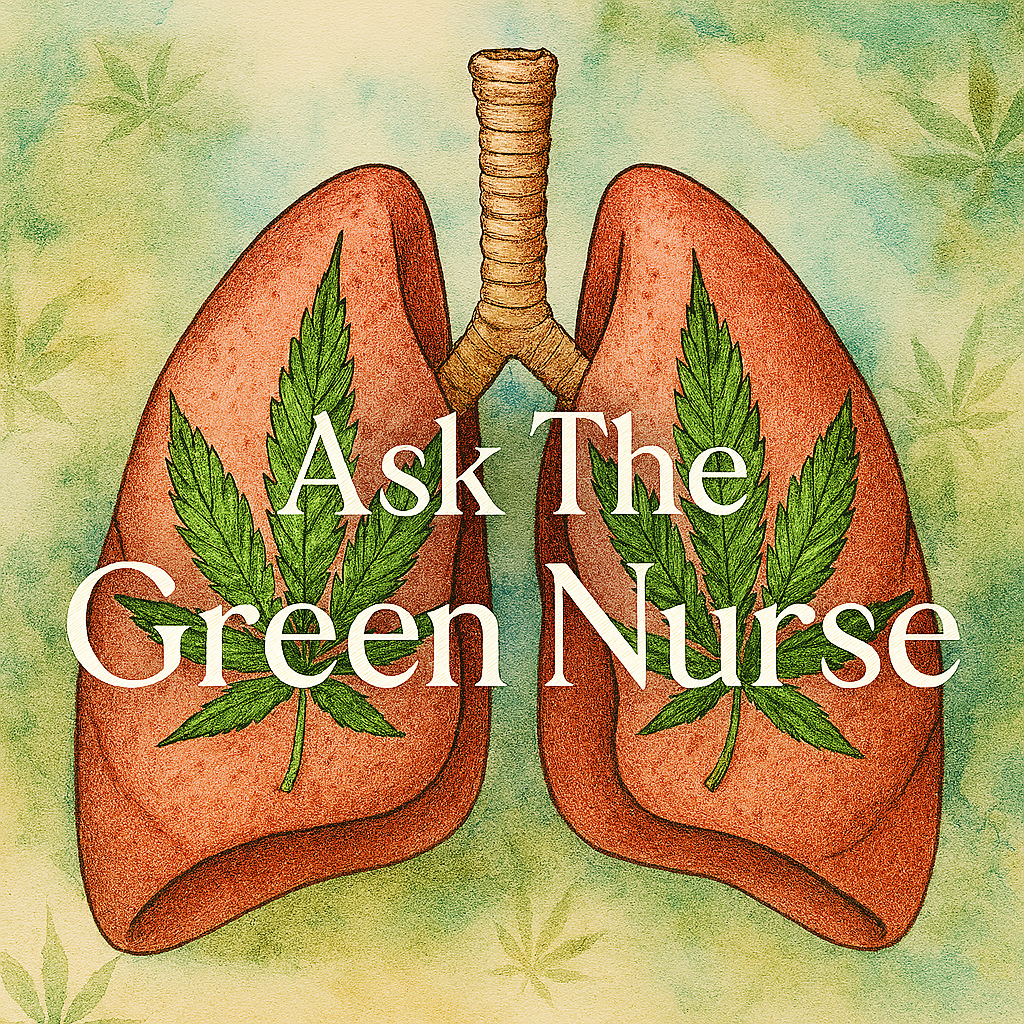
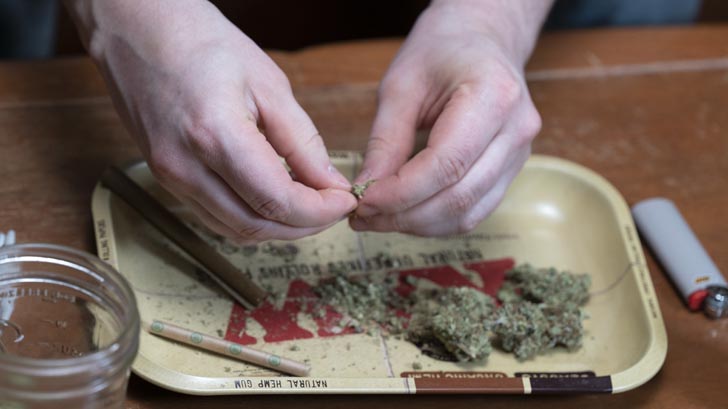
Cannabis use continues to grow in popularity, with smoking remaining the most common method of consumption. According to recent data, nearly 79% of cannabis users prefer smoking the plant (National Academies of Sciences, Engineering, and Medicine, 2017). However, for individuals with asthma, this poses significant health concerns. Asthma, characterized by airway inflammation and heightened sensitivity, can be aggravated by exposure to irritants like cannabis smoke. Thankfully, there are safer and more effective alternatives for asthma sufferers seeking the therapeutic benefits of cannabis, allowing them to avoid the risks associated with smoking.
As a young adult, I was diagnosed with exercise-induced asthma and cold weather reactive airway issues, which caused wheezing, coughing, and excessive mucus production. Over time, I managed to outgrow the condition—not by using cannabis, but through key dietary changes, targeted supplements, and lifestyle adjustments. These shifts allowed me to stop relying on steroid inhalers altogether. While some people manage asthma symptoms with cannabinoids, including smoking, there are now smoke-free methods of cannabis consumption that offer similar benefits without the risks associated with inhalation. For managing airway conditions, non-inhalation options are undoubtedly a better choice. While I still occasionally indulge in recreational inhalation, I rely on tinctures, capsules, edibles, and topicals for my medicinal needs.

Cannabis smoking may not be ideal for individuals with asthma, but cannabinoids could offer potential benefits for respiratory health. This blog delves into these possibilities while exploring alternative consumption methods that provide therapeutic relief without jeopardizing lung safety.
Why Smoking Cannabis Isn’t Suitable for Asthma Patients
Cannabis smoke, like all smoke, contains irritants and toxins that can aggravate asthma symptoms. These include bronchial irritation, spasms, and airway inflammation (National Academies of Sciences, 2017). While tetrahydrocannabinol (THC) has bronchodilatory properties that relax airway muscles, the harmful particles in smoke often counteract these benefits by irritating sensitive lung tissue.
Vaporization: A Less Harmful Inhalation Option – For those who prefer inhalation, vaporization is considered a safer alternative to smoking. Research highlights that vaporization produces fewer toxins and irritants (CannaKeys, 2023). However, for asthma patients, even vaporization may trigger airway reactivity, making it less ideal as a long-term option.
A Real-Life Example – Julia, a 30-year-old professional living with asthma, enjoyed using cannabis recreationally but often struggled with the respiratory side effects of smoking. The habit frequently left her wheezing and short of breath. While switching to vaping provided some relief, it didn’t fully eliminate her symptoms, especially during colder months when her asthma tended to flare up. Eventually, Julia realized that avoiding inhalation methods entirely was crucial for protecting her respiratory health. She incorporated CBD into her wellness routine, which significantly improved her quality of life. This adjustment allowed her to rely less on THC products while still occasionally enjoying an edible for relaxation and enjoyment.

Can CBD help ease symptoms of asthma?
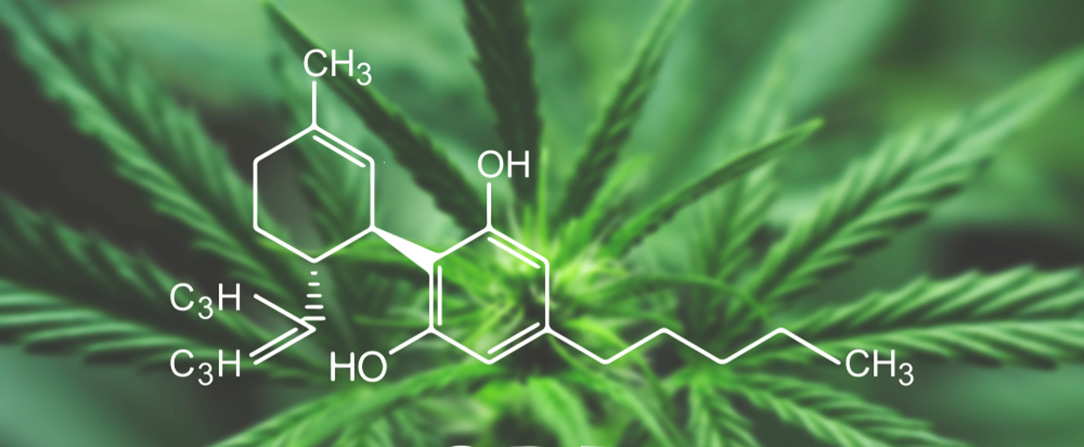
CBD is garnering significant attention for its powerful anti-inflammatory and antioxidant properties. Studies suggest that it may offer greater neuroprotective benefits than even vitamins C and E, highlighting its potential as a valuable health supplement. (Iffland & Grotenhermen, 2017)
CBD oil may help reduce hyperresponsiveness in airways, which means lungs could become less sensitive to common asthma triggers such as allergens, pollutants, or stress. This reduction in sensitivity can lead to fewer asthma flare-ups and a decrease in symptoms like coughing, wheezing, and shortness of breath. By calming the inflammation in the airways, CBD oil has the potential to support better breathing and overall respiratory health for those with asthma.
A 2019 study revealed that CBD reduced airway inflammation and hyperresponsiveness in mice with allergic asthma. However, further research in humans is necessary to determine if CBD oil is a viable treatment for allergy-induced asthma. (Vuolo et al., 2019)
The Endocannabinoid System, Minor Cannabinoids, and Asthma
The Endocannabinoid System (ECS) is the body’s largest neuroregulatory network, playing a vital role in maintaining balance across all 11 organ systems, the immune system, and neurotransmitter signaling pathways. It works by delivering messages to correct cell signaling that either prompts the body to take action or hold back, effectively ensuring systemic homeostasis to keep the body in harmony or balance.
Over 20 studies have explored the potential role of the endocannabinoid system (ECS), particularly the CB2 receptor, in asthma treatment. Research suggests that activating CB2 receptors may help regulate airway inflammation, a key factor in both allergic and non-allergic asthma. These studies also delve into cannabinoids beyond THC and CBD, highlighting the broader therapeutic potential of the ECS. (CannaKeys. Project CBD.) Key Research Findings:
- THC has acute bronchodilatory effects. (Tashkin, Shapiro, & Frank, 1974)
- CBD has demonstrated anti-inflammatory and bronchodilatory properties, including efficacy in animal models of asthma (CannaKeys; Project CBD).
- CBG is noted for its anti-inflammatory and neuroprotective effects, and it interacts with both CB1 and CB2 receptors. Preclinical data suggest CBG may support immune balance and reduce inflammatory signaling in the airways (CannaKeys).
- CBDA and CBGA (the acidic precursors of CBD and CBG) have demonstrated anti-inflammatory actions and the ability to modulate enzyme systems involved in lung inflammation and immune response (CannaKeys; Project CBD).
- CBDV and other minor cannabinoids may inhibit enzymes (FAAH and MAGL) involved in inflammation, potentially reducing bronchial hyperreactivity. (CannaKeys)
The Role of Terpenes in Respiratory Health – Let’s not overlook the therapeutic potential of terpenes, found not only in Cannabis and Hemp plants but also in fruits, vegetables, and essential oils. While cannabinoids often take the spotlight, terpenes like pinene, eucalyptol, humulene, limonene, geraniol, terpineol and beta-caryophyllene offer powerful benefits of their own. These common cannabis terpenes are known for their anti-inflammatory and antioxidant properties, playing a vital role in supporting respiratory health and overall well-being. (CannaKeys) These compounds can be delivered through non-inhalation methods, offering relief to those with sensitive airways.
A Real-Life Example – David, a 45-year-old with asthma, began using CBD and CBG oils sublingually. He also started using beta-caryophyllene tincture regularly and over time, his reliance on steroid inhalers decreased, as his respiratory health improved, with fewer flare-ups and better lung function. For David, cannabinoids complemented traditional asthma treatments, offering noticeable benefits without the risks of smoking.

Safer Alternatives to Smoking Cannabis – Oral and Sublingual Consumption – For asthma patients, the safest way to consume cannabis is through oral or sublingual methods, such as edibles, capsules, micro tabs, or tinctures. These options completely bypass the lungs, reducing the risk of irritation or inflammation. Sublingual administration, in particular, offers a faster onset of effects compared to edibles, making it a convenient and effective alternative. While not directly applicable to asthma, topical cannabis products can provide localized anti-inflammatory benefits. For example, a menthol-infused CBD balm might help soothe chest inflammation during an asthma flare-up.
A Real-Life Example – Lisa, a 28-year-old patient with a history of asthma and seasonal allergic rhinitis, has integrated both a full-spectrum cannabinoid tincture and softgel formulation into her daily regimen. These formulations include cannabidiol (CBD), cannabidiolic acid (CBDA), cannabigerol (CBG), and cannabigerolic acid (CBGA)—a phytocannabinoid profile known for its anti-inflammatory, bronchodilatory, and immunomodulatory properties. Regular use has correlated with a reduction in airway inflammation and allergic reactivity, resulting in fewer asthma exacerbations and improved respiratory function during peak allergen exposure periods.
When Is Inhalation Appropriate?
While oral, sublingual, or topical cannabinoids are generally preferred for managing asthma and most lung conditions, there are specific scenarios where inhalation may be beneficial—though it requires caution and personalized guidance.
Inhalation may be an option in specific palliative cases, such as advanced lung cancer with severe mucus buildup. In these situations, controlled inhalation through a vaporizer could help clear the airways and support mucus expulsion. However, any potential benefits must be carefully balanced against the associated risks and should only be undertaken under the guidance of a healthcare professional (Project CBD)..
A real life example – One of our patients with advanced lung cancer and copious mucus struggled with airway clearance. He was using other methods of administration for managing his cancer symptoms however, inhaled cannabis was used intentionally—not to treat the cancer directly, but as a tool to loosen secretions and stimulate coughing, helping him to expel phlegm and improve comfort. For this patient, careful, mindful inhalation (via vaporizer) provided a unique palliative benefit that oral products could not.
This approach was tailored to his specific clinical situation. However, when it comes to asthma, the dynamics are quite different. Asthma is characterized by airway hyperreactivity, where the airways can spasm, constrict, and become inflamed in response to various triggers, including inhaled substances. Even seemingly harmless things like water vapor or essential oils can sometimes provoke symptoms. For this reason, inhaled cannabis is not recommended as a primary treatment for asthma. Given the condition’s unique risks related to airway sensitivity, inhalation routes are generally avoided for managing asthma (Project CBD).
Key Points for Patients and Providers – Oral, sublingual, and topical methods are ideal for asthma and respiratory support, offering the benefits of minor cannabinoids like CBG, CBDA, CBGA, and CBDV, alongside THC and CBD. These approaches help alleviate symptoms while avoiding airway irritation. Full-spectrum and broad-spectrum hemp products, which include minor cannabinoids and terpenes, may offer additional benefits via the entourage effect (CannaKeys, Project CBD.). Inhalation should be reserved for special circumstances (such as palliative airway clearance) and only under professional supervision. Vaporization is less harmful than smoking, but both can irritate sensitive lungs. (National Academies of Sciences, Engineering, and Medicine, 2017). Asthma is different from COPD or lung cancer: what is appropriate for one respiratory condition may be unsafe for another (National Academies of Sciences, Engineering, and Medicine, 2017; Project CBD).
Recommended Products for Asthma Patients
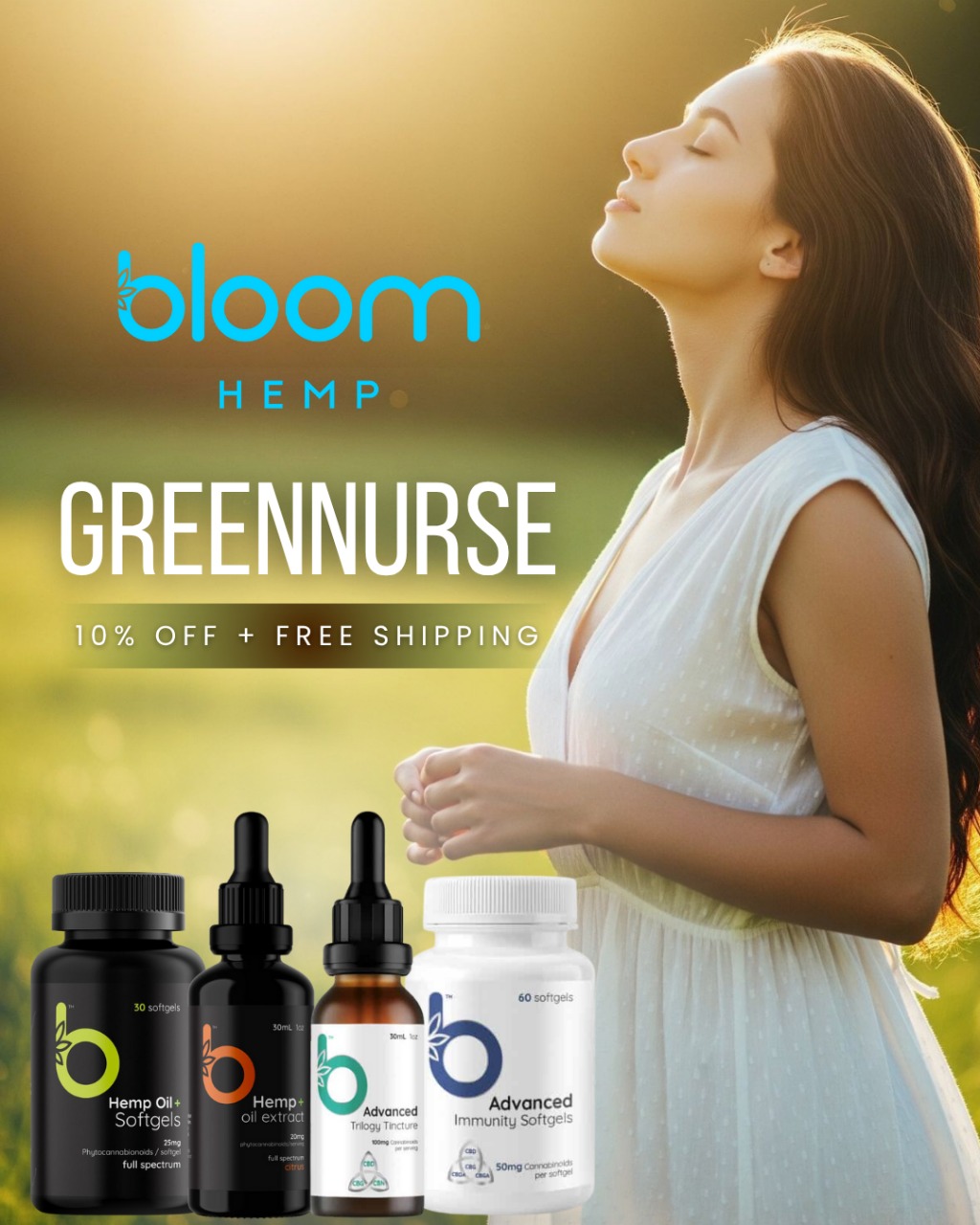
Asthma sufferers should prioritize products designed to reduce inflammation and support immune health without involving inhalation. Here are some examples of products available at Bloom Hemp CBD that many of our patients trust to support a variety of conditions, including asthma.
- Bloom Hemp Advanced Immunity Softgel: Contain CBD, CBDA, CBG, and CBGA (no THC); designed to support immune function and reduce airway inflammation.
- Bloom Hemp Full Spectrum Softgels: Feature trace THC with a full profile of cannabinoids (including CBG and CBDA) and terpenes for systemic endocannabinoid support and the “entourage effect.”
- Bloom Hemp Full Spectrum Citrus Tincture: Full Spectrum CBD tincture rich in CBD, CBDA, CBG and CBDV with trace amounts of thc and a rich terpene blend to support the Endocannabinoid System and optimize pulmonary function.
- Bloom Hemp Advanced Trilogy Tincture: Full Spectrum CBD, CBG, CBN blend with trace THC and boosted with beta-caryophyllene for comprehensive anti-inflammatory and calming effects, appropriate for ongoing respiratory wellness. A small dose goes a long way with this tincture, delivering an impressive 100mg of cannabinoids per 1ml.
Final Thoughts
For most patients, but particularly asthma patients, smoking cannabis is not a safe option due to its potential to worsen respiratory symptoms. Fortunately, alternative methods—like oral, sublingual, and topical consumption—allow individuals to access the therapeutic benefits of cannabinoids without compromising lung health. With their anti-inflammatory and bronchodilatory properties, cannabinoids have significant potential to support asthma management when used thoughtfully and under professional guidance. By exploring safer alternatives, individuals can enhance their quality of life while protecting their respiratory health. Before incorporating cannabinoids into your asthma care plan, consult a cannabis-focused healthcare provider. They can create a personalized approach to ensure safe and effective use tailored to your specific needs.
With You on the Journey,
References
- CannaKeys. (2023). THC & CBD for asthma. Retrieved from
- Iffland, K., & Grotenhermen, F. (2017). An update on safety and side effects of cannabidiol: A review of clinical data and relevant animal studies. Cannabis and Cannabinoid Research, 2(1), 139–154.
- National Academies of Sciences, Engineering, and Medicine. (2017). The health effects of cannabis and cannabinoids: The current state of evidence and recommendations for research. National Academies Press. Retrieved from
- Project CBD. (n.d.). Cannabis & asthma: Therapeutic considerations. Retrieved from
- Tashkin, D. P., Shapiro, B. J., & Frank, I. M. (1974). Acute pulmonary physiologic effects of smoked marijuana and oral Δ9-tetrahydrocannabinol in healthy young men. The New England Journal of Medicine, 291(14), 713–717.
- Vuolo, F., Abreu, S. C., Michels, M., Xisto, D. G., Blanco, N. G., Hallak, J. E. C., Zuardi, A. W., Crippa, J. A. S., Reis, C., Bahl, M., Pizzichinni, E., Maurici, R., Pizzichinni, M. M. M., Rocco, P. R. M., & Dal‑Pizzol, F. (2019). Cannabidiol reduces airway inflammation and fibrosis in experimental allergic asthma. European Journal of Pharmacology, 843, 251–259.


Sign up for bi-weekly updates, packed full of cannabis education, recipes, and tips. Your inbox will love it.