

 Merch
Merch Medical card

Winter shifts how we eat—heartier meals, warming foods, different energy throughout the day. If you’re already using CBD, the colder months are a natural time to weave it into your daily nutrition habits more intentionally. Think of it like you would omega-3s, vitamin D, or adaptogens—another nutraceutical layered into what you’re already doing, not something that needs its own special routine.
What makes winter particularly interesting for CBD use isn’t just the season itself, but how our eating patterns naturally align with what science is telling us about CBD absorption. The timing couldn’t be better for making your CBD routine work smarter, not harder.

Why Winter Eating Works Well with CBD
Here’s something you’ll want to know: fat content in your meals can dramatically affect how your body absorbs CBD. Research shows that taking CBD with a high-fat meal increases exposure by roughly ten times compared to taking it on an empty stomach, with peak levels climbing even higher. And winter eating naturally leans into fats—warming soups with olive oil, nut butters on morning toast, richer proteins, creamy sauces.
You don’t need to design special meals around CBD or suddenly start eating differently. It’s more about recognizing that pairing CBD with foods that already contain some fat helps you use it more efficiently. If you’re having breakfast with almond butter or an afternoon snack with avocado, that’s when CBD slots in naturally. You’re habit-stacking, not habit-creating.
Morning Touchpoints
Your winter mornings probably already include warming rituals—coffee with cream, oatmeal with nuts, eggs with olive oil, or even just toast with butter. These moments already contain the dietary fat that enhances CBD absorption, making them ideal times to incorporate CBD without changing anything else about your routine.
Some people add CBD oil to their coffee or tea, while others prefer taking a capsule alongside breakfast. The key is choosing a morning moment you’ll actually stick with, whether that’s your first meal or your mid-morning snack. Consistency beats perfection here—it’s better to take CBD with a small amount of fat regularly than to wait for the “perfect” high-fat meal that only happens occasionally.
Try This
Take CBD with your fattiest breakfast. If you rotate between light and hearty mornings, save CBD for days when you’re having eggs, nut butter, or full-fat yogurt—not fruit-only or fasting days.
Midday Balance
Winter lunches can feel heavy, and that afternoon energy dip hits harder when it’s dark by 5 p.m. CBD won’t replace the fundamentals—adequate protein, fiber, hydration—but if you’re taking a midday nutrition break anyway (a handful of nuts, a protein snack, a hydration moment), that’s when CBD fits naturally into the pattern.
Studies confirm that taking CBD with food, particularly meals with some fat, substantially changes how much reaches your system. So timing it with lunch or a snack just makes sense. This is especially relevant if you’re someone who experiences that mid-afternoon heaviness after a warming winter lunch—you’re already thinking about your midday nutrition anyway, so CBD becomes one more element in that broader ritual rather than something you need to remember separately.
Evening Wind-Down Rituals
If you’re like many people, you’ve already built calming rituals into winter evenings—herbal teas, magnesium, light snacks before bed. These aren’t just habits; they’re intentional touchpoints that help you transition from the activity of the day to rest. CBD layers right into this pattern. Research exploring different CBD formulations suggests that what you pair it with matters, even at night.
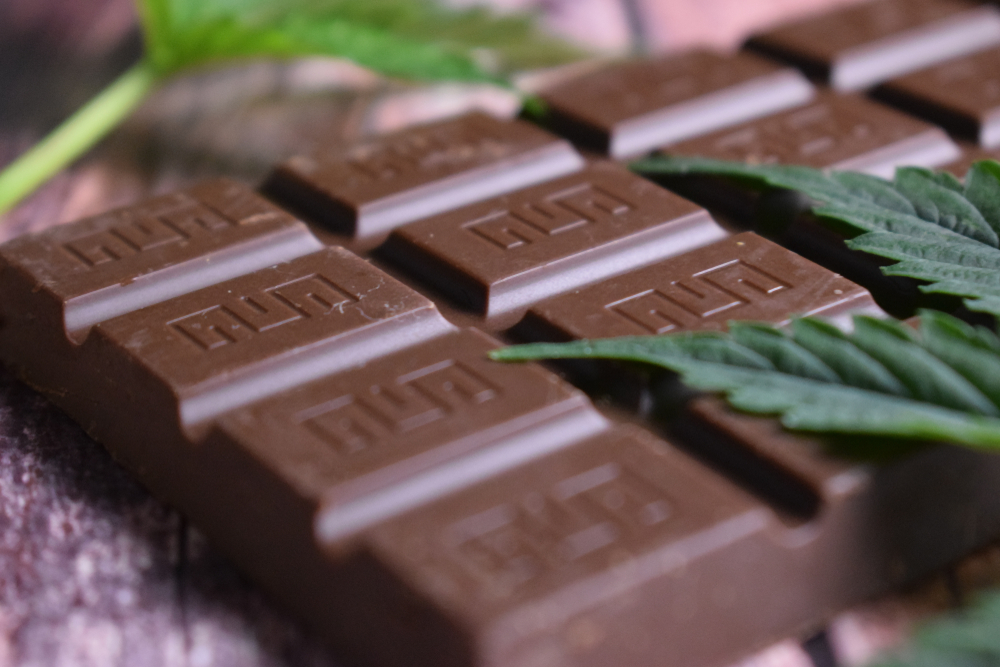
Whether you’re having a small bowl of nuts, dark chocolate, or warm milk with honey, these evening moments often contain enough fat to support CBD absorption. And honestly, the ritual itself—sitting down, being intentional about what you’re consuming as the day winds down—might be just as valuable as the specific compounds you’re taking. Winter evenings invite this kind of mindful closing to the day, especially when darkness comes early and you’re naturally spending more time indoors.
The Metabolism Conversation
You’ve probably noticed CBD coming up more in conversations about metabolism and nutrition. Research on CBD’s effects on appetite and body weight has found generally small, mixed results—which tells us something important: CBD isn’t a shortcut for healthy eating.
What’s more interesting from a winter nutrition angle is that emerging research is exploring how CBD might interact with metabolic pathways that are also influenced by seasonal eating changes—glucose handling, adipose tissue signaling, inflammatory balance. This doesn’t mean CBD treats metabolic conditions. It just helps explain why some people are curious about how it fits alongside nutrition during months when eating patterns naturally shift toward heartier, more calorie-dense foods.

Studies continue examining how CBD interacts with metabolic markers, but the practical takeaway stays the same: prioritize the foundations—whole foods, balanced macros, adequate micronutrients—and treat CBD as an optional layer if you already use it. Think of it as one thread in a larger tapestry of winter wellness, not the pattern itself.
Making It Work for You
The easiest approach? Pair CBD with nutrition habits you’re already maintaining. Ask yourself: When do I naturally eat foods with some fat? Which part of my day feels right for an intentional nutrition ritual? Am I consistent enough with that pattern that adding CBD won’t feel like extra work?
For many people, that’s morning coffee with CBD oil, lunch with a capsule, or an evening snack with a tincture. The specific timing matters less than consistency and the presence of dietary fat—which research clearly shows can significantly impact how much CBD your body actually uses. You’re not trying to hit some perfect macronutrient ratio; you’re just looking for that baseline presence of fat that makes CBD absorption more efficient.
Winter’s rhythm creates natural moments to be more intentional about nutrition—earlier darkness, heartier foods, more indoor time. If CBD’s part of your wellness toolkit, weaving it into these existing patterns, rather than treating it as something separate, can help you use it more effectively throughout the season. The goal isn’t to make CBD the center of your winter nutrition; it’s to let it ride alongside the nourishing patterns you’re already building as the temperature drops and the days get shorter.


Sign up for bi-weekly updates, packed full of cannabis education, recipes, and tips. Your inbox will love it.