

 Merch
Merch Medical card
The cannabis movement began with a mission rooted in compassion—dedicated to providing relief for patients suffering from severe conditions such as HIV/AIDS, cancer, epilepsy, and chronic pain. Over time, advocates for medical cannabis reform successfully established regulated systems that prioritized patient access and well-being (The Guardian, 2018; American Journal of Managed Care [AJMC], 2022). However, with the growing wave of recreational cannabis legalization, the very patients who championed the fight for medical cannabis legitimacy are now being overlooked (Leafwell, 2023).
The rapid expansion of recreational cannabis markets has brought significant growth and economic opportunities but has often overshadowed the needs of medical patients. As the industry shifts its focus towards profits and consumer demand, many patients who rely on cannabis for critical health conditions are left facing barriers such as limited access, higher costs, and weaker prioritization of medical-grade products. By examining systemic challenges, regulatory gaps, and personal stories from patients, we shed light on the unintended consequences of a profit-driven cannabis industry and the pressing need to balance economic success with compassionate care.

The Displacement of Medical Cannabis by Recreational Markets
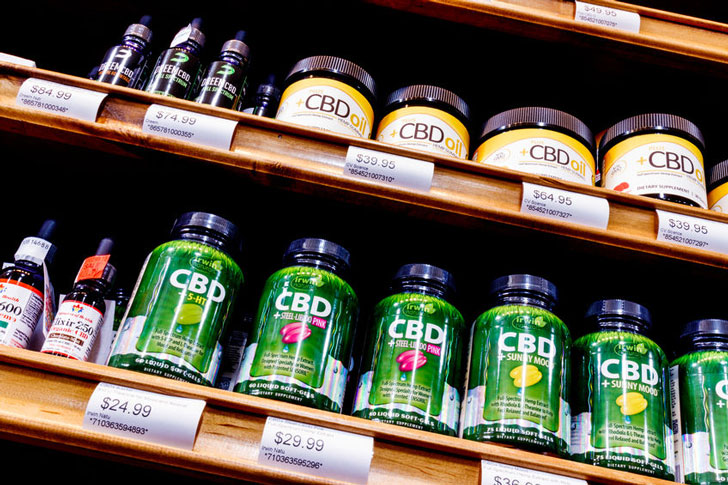
Eroding Patient-Focused Products – The legalization of recreational cannabis has had a profound impact on the availability of therapeutic products. Dispensaries now prioritize high-THC offerings such as flowers, edibles, concentrates, and vapes to cater to recreational users. Consequently, products tailored for therapeutic purposes—such as those with balanced CBD-to-THC ratios, high-CBD formulations, and microdose options—are becoming increasingly scarce on shelves (The Guardian, 2018; AJMC, 2022).
Consider Olivia’s story. At 47, Olivia has been managing lupus with a carefully balanced regimen: a 20:1 CBD-to-THC tincture enhanced with CBG, alongside a THCA tincture to control inflammation and chronic pain. “It took years to find the right balance that worked for me,” she shares. However, when her state legalized recreational cannabis, her local dispensary stopped carrying most medical-specific products. Now, she’s left searching for alternatives. “The shelves are full of gummies and vapes that aren’t what I need. It’s frustrating—they’ve completely overlooked patients like me.”
This transition has created a vicious cycle that continues to harm medical cannabis patients. Medical patients like Olivia often stop shopping at dispensaries when they can no longer find the specialized products they need for their treatment. As a result, dispensaries begin to drop medical products entirely, focusing instead on recreational items that appeal to a broader audience. Over time, this shift pushes medical consumers further out of the market, leaving them with fewer options and less access to the products they rely on. This trend prioritizes recreational buyers at the expense of those using cannabis for essential medical purposes (The Guardian, 2018).
Training Gaps for Healthcare Providers and Budtenders
Patients frequently rely on healthcare providers, cannabis clinicians, nurses, or dispensary staff for guidance on using cannabis as a treatment option. However, the expansion of recreational markets has exacerbated existing gaps in professional training. Many physicians remain uninformed about cannabinoid therapies, leaving patients to turn to undertrained budtenders who often prioritize sales over patient care (AJMC, 2022).
Martin, a 62-year-old veteran living with PTSD, recently visited a recreational dispensary in search of alternatives to his prescribed 4:1 CBD-to-THC capsules. He was also looking for a high-CBD strain suitable for inhalation. “The budtender had no idea what I was talking about,” he recalls. “They tried to sell me a pack of high-dose THC edibles and a distillate infused high THC joint rolled in kief instead.” Without proper guidance, Martin chose a product that wasn’t suitable for his condition, which ultimately worsened his anxiety. What he truly needed was a better balance, like a Harlequin or AC/DC strain—more CBD alongside the THC—and there was not an option available that could have met his needs.
Stories like Martin’s highlight the critical need for better education on cannabis therapeutics. Dispensary staff, clinicians, and patients alike need comprehensive training on the endocannabinoid system (ECS) and the safe, effective use of cannabinoids. Without these foundational frameworks, patients are left to navigate cannabis treatments on their own, often at great risk (AJMC, 2022).
Regulatory Obstacles Blocking Patient Care
Tax Burdens on Medical Consumers – Medical cannabis programs were intended to ease financial burdens for patients, yet many states have undermined this goal by applying steep taxes to medical cannabis purchases, often treating patients no differently than recreational users. In some cases, total excise taxes exceed 40%, creating substantial financial strain for those managing chronic or life-threatening conditions (AJMC, 2022).
Take Jenny, a 33-year-old mother of three undergoing chemotherapy. For her, these tax policies have been devastating. “When my state legalized recreational cannabis, my bills nearly doubled overnight,” she explains. Despite having a medical cannabis card, Jenny often struggled to access consistent tax exemptions. “It felt so unfair—this isn’t a luxury for me. It’s my medicine.”
States must reform tax policies to acknowledge medical cannabis as a vital therapy, not a recreational indulgence. Patients like Jenny shouldn’t face the impossible choice between maintaining their health and managing their finances (AJMC, 2022).
The Rise of Synthetic Cannabinoids
Synthetic Cannabinoid Receptor Agonists also known as “SCRAs” are sometimes marketed as “legal highs” or “safe alternatives” to cannabis, have emerged in recreational and illicit markets over the past two decades. First reported in Europe in 2004 and widely identified in 2008, substances such as JWH-018 (a potent full agonist of CB1/CB2 receptors) and others have since proliferated globally (Darke et al., 2021).
SCRAs are chemically distinct from plant-derived cannabinoids and frequently exhibit much higher binding affinity and potency at cannabinoid receptors. This can result in more potent highs, but also unpredictable, severe, and sometimes life-threatening toxicological effects (de Oliveira et al., 2023; Giorgetti et al., 2020).


Synthetic cannabinoids have been associated with significant adverse effects, including but not limited to:
- Acute psychosis, agitation, and paranoia
- Tachycardia, hypertension, and chest pain
- Seizures, convulsions, and acute renal failure
- Suicidal ideation, hallucinations, and cognitive impairment
- Ischemic stroke, coagulopathy, thrombocytopenia, intracranial haemorrhage
(EMCDDA, 2021; de Oliveira et al., 2023; Giorgetti et al., 2020)
Synthetic cannabinoid receptor agonists (SCRAs) are known to cause adverse effects even at lower doses, unlike natural botanical cannabis formulations or flowers typically consumed by users. This is largely due to their full agonist activity at CB1 receptors. Furthermore, unregulated production processes can lead to the presence of harmful contaminants, increasing the associated risks.
The proliferation of unregulated synthetic cannabinoids has surged in response to legalization, flooding recreational markets with compounds designed for maximum psychoactive effects. These substances pose significant risks, particularly to vulnerable populations (ScienceDirect, 2021). At the same time, medical users are struggling to access authentic full-spectrum CBD products, often displaced by high-THC alternatives like “zombie gummies.” This challenge is compounded by strict regulations on low-THC hemp products, making safe and reliable options increasingly scarce (ScienceDirect, 2023).
Elyse, a 55-year-old living with fibromyalgia, experienced these risks in a way she never expected. Seeking relief for her chronic pain, she unknowingly purchased a THC-O product, believing it to be a safe and therapeutic option. What followed was a nightmare—she began experiencing troubling adverse effects, including intense dizziness, rapid heart rate, and severe anxiety. “I thought I was getting a therapeutic cannabis product ,” she laments. “Instead, I ended up in the ER, scared and overwhelmed.” Her story highlights the importance of understanding what’s really in these products and the potential dangers of unregulated compounds.
To safeguard patients, states must implement strict regulations on dangerous synthetic cannabis while ensuring access to trustworthy, plant-based therapies. This includes overseeing continued access to hemp-derived, full-spectrum CBD products containing 0.3% THC. (ScienceDirect, 2021).
Improving Public Perception of Medical Cannabis
The legalization of recreational cannabis has significantly shifted public perception, often diminishing its image as a medicine. Increasingly, media and marketing position cannabis as a lifestyle product, overshadowing its medical therapeutic benefits (Leafwell, 2023).
Paul’s story illustrates this challenge. A teacher recovering from sports-related spinal injuries, Paul relies on transdermal CBD/THC patches in a 1:1 ratio and topicals to manage his pain. Yet, he still encounters stigma when discussing his use of cannabis. “People assume I’m just using it to get high. They don’t understand it’s solely for pain relief,” he shares.
To restore public trust in cannabis as a legitimate medicine, it is vital to dispel prevailing myths. Incorporating clinical perspectives into the conversation can help reestablish its therapeutic value and combat misconceptions (Leafwell, 2023).
Recommendations for Restoring Medical Cannabis Systems
Reprioritizing medical cannabis requires action on several fronts. Here’s how we can restore patient care amid the rise of recreational markets:
- Protect Tax Exemptions – Ensure all certified medical cannabis patients receive tax-free purchases on products that are categorized as medicine, reducing financial barriers to care (AJMC, 2022).
- Expand Access to Diverse Products – Require dispensaries to stock a variety of formulations, including high-CBD, balanced cannabinoids, and acidic cannabinoids like THCA and CBDA (The Guardian, 2018).
- Enhance Education – Mandate Cannabis 101 training for both healthcare providers and dispensary staff. Programs should cover ECS science, cannabinoid therapeutics, and patient-centered care (AJMC, 2022).
- Regulate Synthetic Cannabinoids – Enforce strict controls on unregulated synthetics while promoting the availability of full-spectrum, low-THC CBD (ScienceDirect, 2021).
- Promote Clinical Integration – Support nurse-led care models and cannabis education programs that empower patients with dosing and product knowledge (ScienceDirect, 2023).
- Reiterate Cannabis as Medicine – Through campaigns and clinician advocacy, highlight cannabis’s therapeutic benefits to combat stigma and misinformation (Leafwell, 2023).
These steps aim to restore the dignity, accessibility, and safety of medical cannabis systems nationwide.
A Brighter Future for Medical Cannabis Patients
The cannabis reform movement may have shifted direction, but its original mission—to serve patients—remains critical. Every policy, product development, and public discussion should center on patient needs, not profits.
Regaining control of the narrative starts with action. States must prioritize thoughtful legislation, dispensaries must rethink their offerings, and healthcare systems must step up to integrate cannabinoid medicine. By doing so, we ensure that patients like Olivia, Martin, Jenny, Elyse, and Paul have a future filled with compassionate, effective care. (The names mentioned in this blog have been altered to safeguard the identities of the patients who were profiled for the article.)
Medical cannabis is more than a business—it’s a lifeline for millions who rely on it. Now is the time to safeguard its future and empower patients to live their best lives, enabling them to uplift others in return.
With You on the Journey,
Ask The Green Nurse with Sherri Mack BSN, RN & Elisabeth Mack MBA, BSN, RN
Ask The Green Nurse content on the Cannigma is brought to you by Holistic Caring & The Green Nurse and Bloom Hemp CBD.
- Holistic Caring & The Green Nurse – Comprehensive cannabis education for patients and healthcare providers, including CEUs for nurses, along with expert coaching and consulting services.
- Bloom Hemp CBD – Experience Doctor and Nurse-formulated Organic Hemp CBD, crafted with Ayurvedic inspiration and designed to target specific symptoms. Benefit from free access to a nurse hotline and personalized care plans, thoughtfully provided by expert cannabis nurses.
References
- American Journal of Managed Care. (2022). Legalizing marijuana: How recreational marijuana legalization changes the medical use landscape.
- Darke, S., Banister, S., Farrell, M., Duflou, J., & Lappin, J. (2021). ‘Synthetic cannabis’: A dangerous misnomer. International Journal of Drug Policy, 98, 102296.
- de Oliveira, M. C., Vides, M. C., Lassi, D. L. S., Torales, J., Ventriglio, A., Bombana, H. S., … & Malbergier, A. (2023). Toxicity of synthetic cannabinoids in K2/Spice: A systematic review. Brain Sciences, 13(7), 990.
- European Monitoring Centre for Drugs and Drug Addiction. (2021). Synthetic cannabinoids and ‘Spice’ drug profile.
- Giorgetti, A., Busardò, F. P., Tittarelli, R., Auwärter, V., & Giorgetti, R. (2020). Post mortem toxicology: A systematic review of death cases involving synthetic cannabinoid receptor agonists. Frontiers in Psychiatry, 11, 464.
- The Guardian. (2018, July 31). ‘It’s just the stuff that gets you high’: How legal weed is leaving patients behind.
- Leafwell. (2023). Recreational cannabis legalization study.
- National Institute on Drug Abuse. (2023). Synthetic cannabinoids drug facts.
- ScienceDirect. (2021). The public health consequences of the commercialization of cannabinoid products.
- ScienceDirect. (2023). Medical versus recreational cannabis use: Trends in product selection and risk.


Sign up for bi-weekly updates, packed full of cannabis education, recipes, and tips. Your inbox will love it.