

 Merch
Merch Medical card
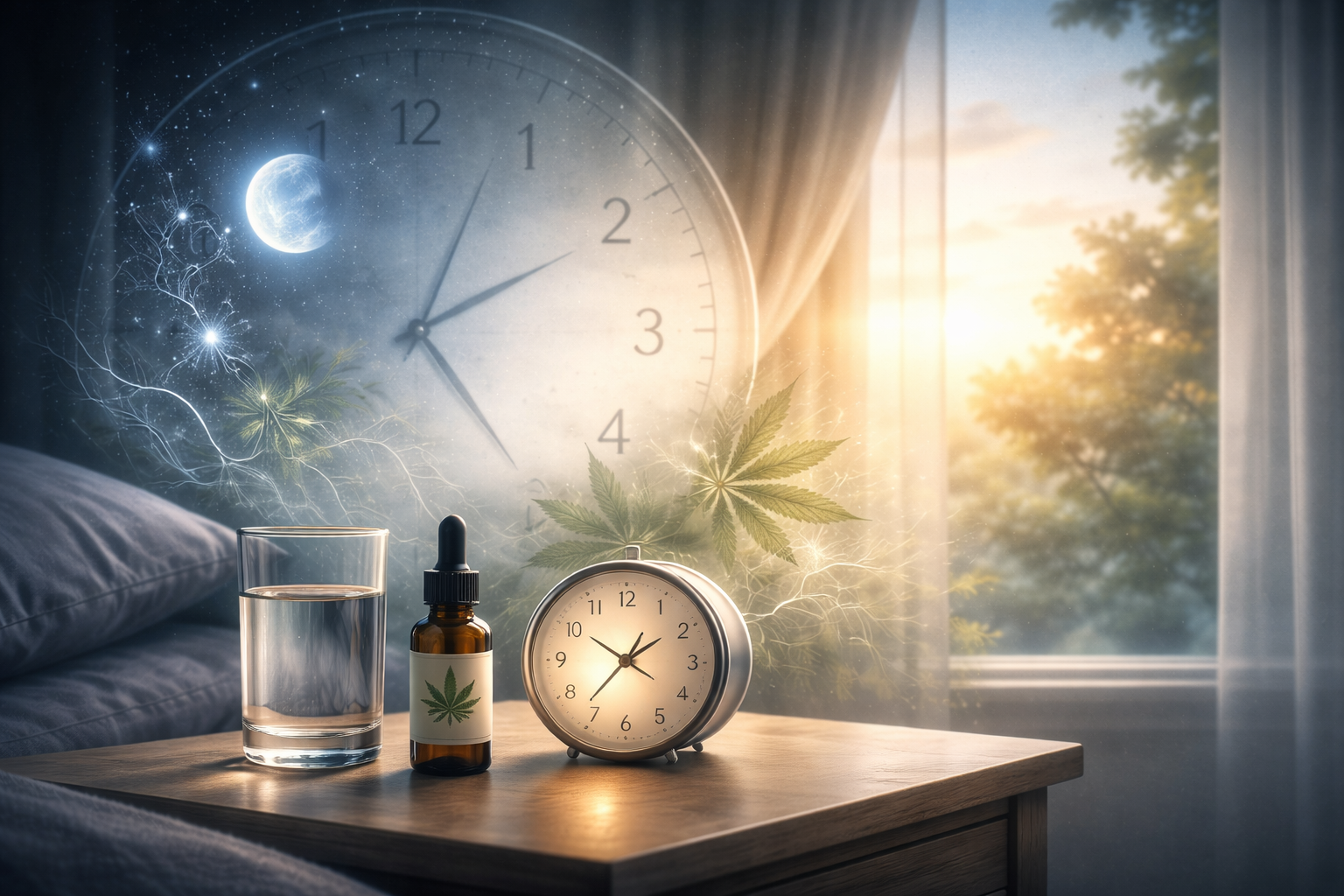
Dry January is in full swing, and if you’re among the growing number of people swapping cocktails for cannabis, you’re not alone. As the “sober curious” movement gains steam, many assume that trading alcohol for a THC gummy is a straightforward win for their health. But your body’s internal clock doesn’t see it that way.
Both alcohol and cannabis mess with your sleep—just in different ways. And while ditching booze can absolutely improve your rest, adding cannabis to the mix isn’t always the upgrade you’d expect. Here’s what the science actually says about how these substances affect your circadian rhythms, and what that means for anyone looking to sleep better this January.

What Your Circadian Rhythm Actually Does
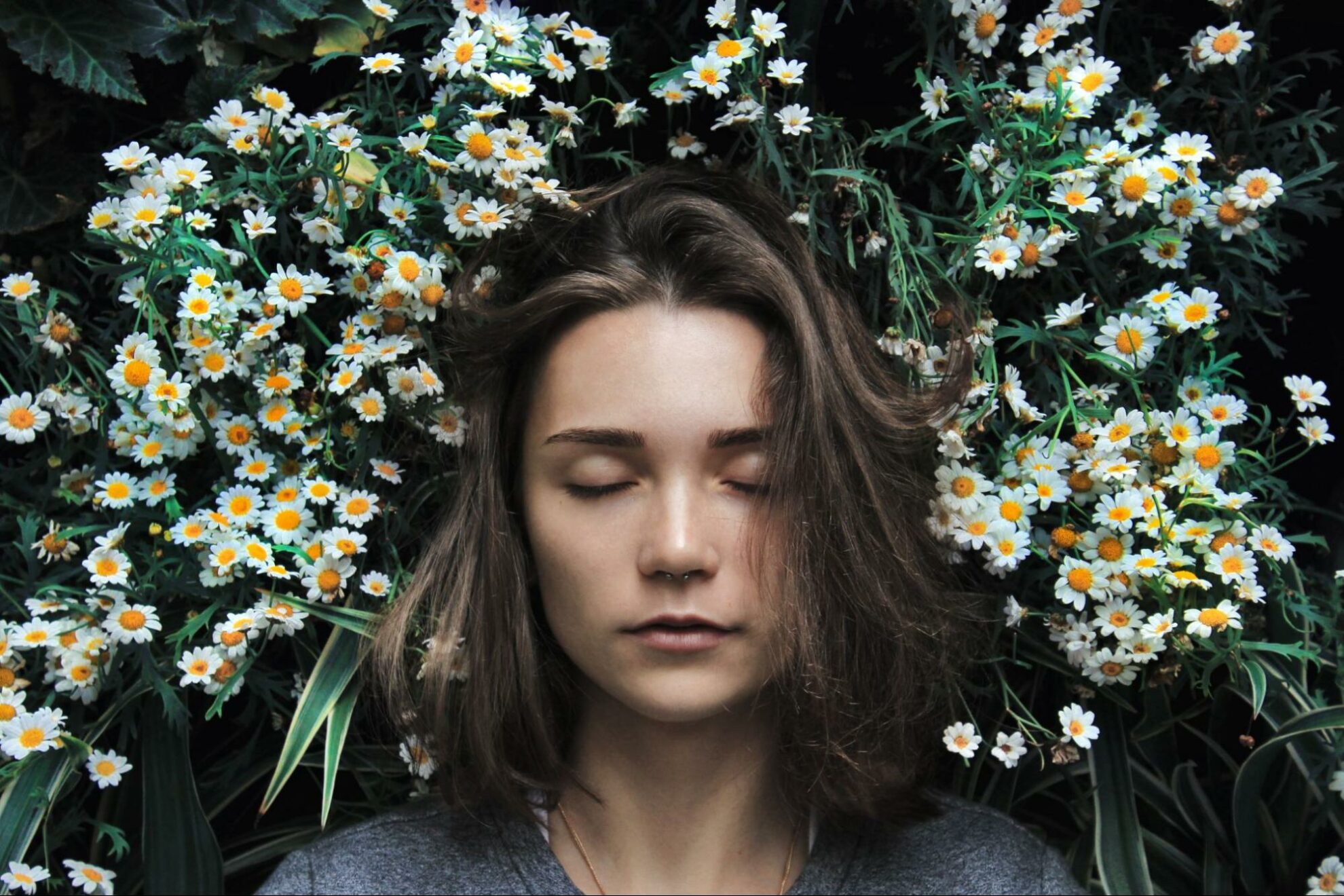
Think of your circadian rhythm as your body’s 24-hour operating system. A cluster of neurons in your brain called the suprachiasmatic nucleus acts as the master clock, keeping everything from your liver to your muscles running on schedule. Light is the main signal that resets this clock each day—which is why jet lag hits so hard.
When your rhythm gets thrown off—whether by shift work, late-night scrolling, or substance use—the fallout goes way beyond feeling groggy. Research shows that circadian misalignment raises your risk for metabolic disorders, heart disease, and mood issues.
Here’s where cannabis comes in: your endocannabinoid system has CB1 receptors in the brain regions that control melatonin production and regulate your sleep-wake cycle. So when you use cannabis, you’re directly influencing the machinery that governs when you feel awake or tired.
How Cannabis Affects Sleep and Circadian Timing
Cannabis isn’t one thing—it’s a mix of dozens of cannabinoids, each affecting sleep differently. The big three are THC, CBD, and CBN, and how they work depends on your dose, when you take them, and whether you’re an occasional user or a daily one.
THC: Quick Fix, Long-Term Catch
In the short run, THC can knock you out faster. Studies show that taking THC once in a while cuts down the time it takes to fall asleep and may boost slow-wave sleep—that deep, restorative stage your body craves. But use it regularly, and the story changes.
People who use cannabis daily often end up with less total sleep, lower sleep quality, and a growing tolerance. Stop cold turkey, and you might deal with weeks of rebound insomnia. The takeaway? THC might help you crash tonight, but it won’t fix the underlying rhythm your body needs for healthy, sustainable sleep.
CBD and CBN: Intriguing but Unproven
CBD works on a different track than THC. Early research suggests it can nudge your circadian rhythms in animal studies and may calm anxiety-driven sleep problems without making you drowsy. It’s not a knockout pill—it’s more of a gentle regulator.
CBN gets hyped as “the sleepy cannabinoid,” but the science isn’t there yet. Most of what you hear about CBN helping you sleep comes from word-of-mouth, not from solid clinical trials. Until researchers dig deeper, consider it more marketing than medicine.
Alcohol vs. Cannabis: Two Different Sleep Wreckers
Both alcohol and cannabis can trash your sleep, just through different routes. Alcohol chops up your sleep cycles, crushes REM sleep, and throws off your internal clock—leaving you dragging the next day and raising long-term health risks.
Cannabis tells a more complicated story. In medical settings with controlled doses, some people report better sleep and more stable melatonin levels. But recreational users—especially those going hard with high-THC products every day—often see their sleep quality tank over time, not unlike what happens with alcohol.
Neither substance is harmless. The main difference? If you’re using cannabis occasionally and keeping doses low, you might dodge some of the circadian chaos that regular drinking causes. But that depends heavily on your biology and how you use it.

The Dry January Cannabis Swap: Not So Simple
More people are trying to cut out alcohol this month and reaching for cannabis instead. It’s easy to see the appeal—no hangovers, no liver damage, and maybe even better sleep. But swapping one substance for another doesn’t automatically mean you’re ahead.
Recent studies frame cannabis as a tool with real benefits, real risks, and plenty we still don’t know—not as a universally safer substitute for drinking. If you’re serious about improving your sleep and circadian health, the best move is a holistic one: get morning sunlight, stick to a consistent wake time, move your body during the day, and build habits that directly support your natural rhythms.
Who Might Benefit (and Who Should Skip It)
Emerging research suggests some people might get real help from low-dose cannabis products used short-term—especially if you’re dealing with anxiety that keeps you up or chronic pain that makes rest impossible. But it’s not for everyone, and some people should steer clear entirely.
Skip cannabis if you:
- Have struggled with cannabis addiction or any substance use disorder
- Are pregnant, breastfeeding, or under 25
- Have had psychosis or schizophrenia, or it runs in your family
- Take meds that might interact with cannabinoids
If you’re thinking about trying cannabis for sleep, here’s what works best:
- Start low with CBD-heavy products, not high-THC ones
- Use edibles or tinctures instead of smoking or vaping
- Keep it to 2-3 times a week max—daily use builds tolerance fast
- Take it 1-2 hours before you want to sleep
- Talk to your doctor first if you’ve got health issues
The Bottom Line
Cannabis might give you a break from sleep struggles, especially if you’re dropping alcohol from your routine. But it’s not a cure-all for circadian health. The real winners are the basics: getting bright light in the morning, going to bed and waking up at the same time every day, and dealing with whatever health issues are messing with your rest.
If Dry January has you eyeing cannabis as an alternative, just go in with your eyes open. Cannabinoids interact with your body’s rhythms in ways we’re still figuring out, and what helps one person might do nothing—or worse—for someone else. When you’re not sure, stick with the fundamentals of good sleep, and talk to a doctor before adding anything new to the mix.


Sign up for bi-weekly updates, packed full of cannabis education, recipes, and tips. Your inbox will love it.