

 Merch
Merch Medical card

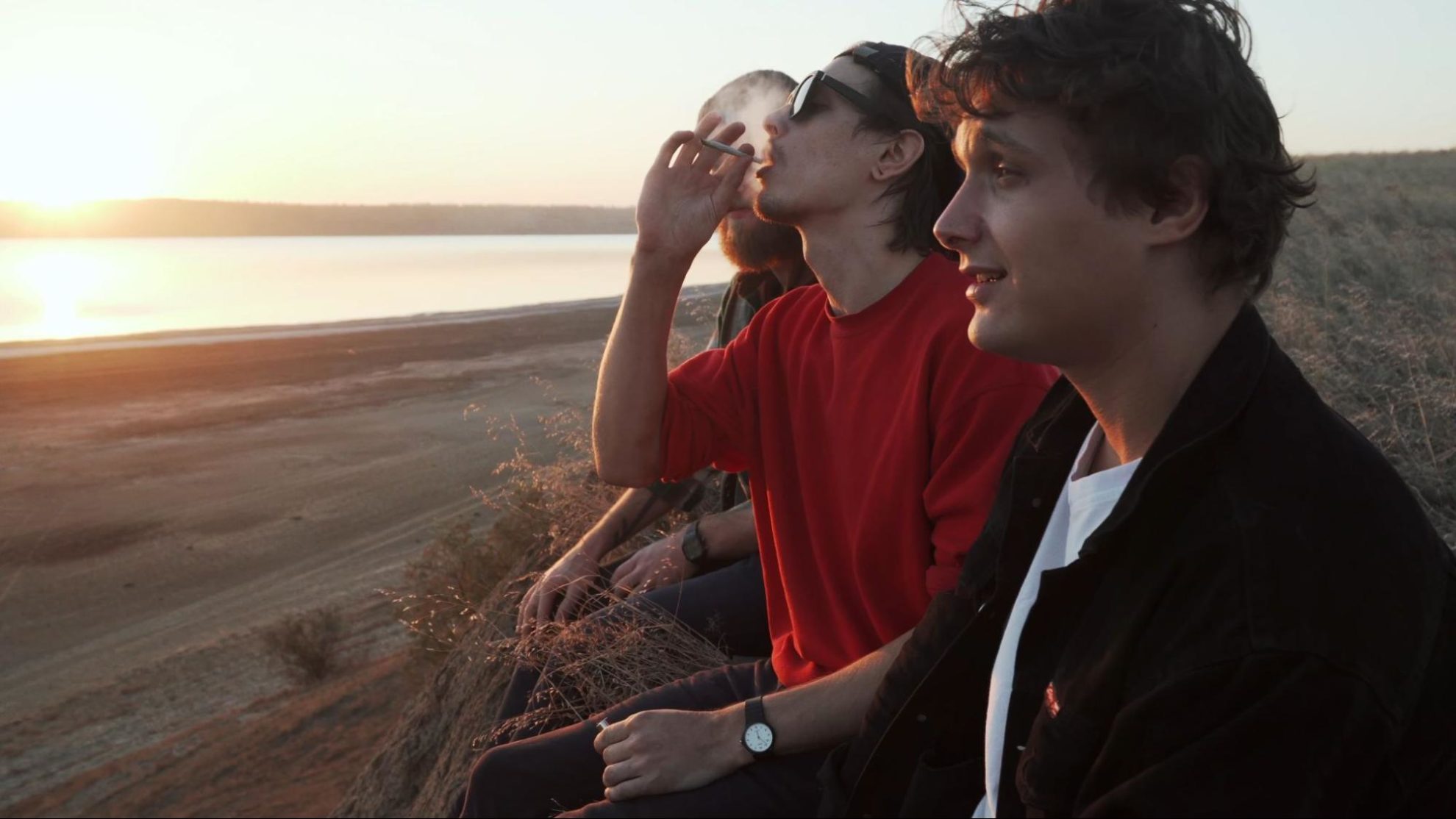
Social gatherings can feel like a tightrope walk—you want to unwind and connect, but not at the expense of mental clarity or the risk of feeling anxious or overwhelmed. For many people, that’s where CBD-dominant cannabis strains come in. These cultivars offer potential relaxation without the pronounced intoxication of THC-heavy options, making them increasingly popular for dinners, creative meetups, and low-key hangouts.
But what does the science actually say? And which strains might support that relaxed, present feeling people are looking for?


What “CBD-Dominant” Actually Means
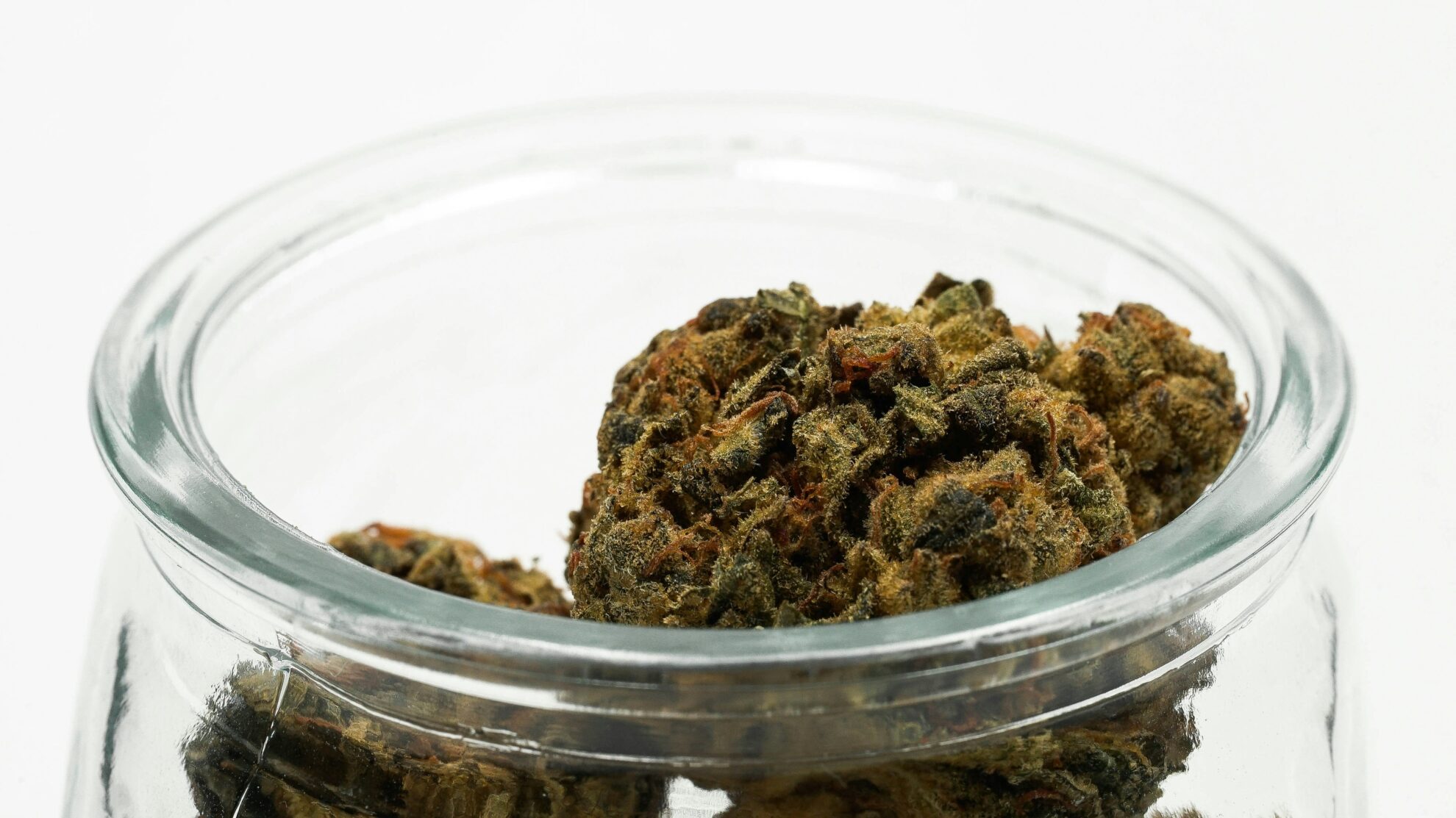
A CBD-dominant strain is one where cannabidiol (CBD) is the primary cannabinoid, typically with CBD-to-THC ratios ranging from 2:1 up to 20:1 or higher. Unlike THC, CBD doesn’t produce intoxication—you won’t feel “high” in the traditional sense. Some strains contain trace amounts of THC, which may contribute to the entourage effect, potentially enhancing CBD’s benefits without causing significant impairment.
Balanced strains, with roughly equal CBD and THC, offer a middle ground: a gentle mood lift with reduced risk of the paranoia or anxiety that higher-THC options can sometimes trigger.
What Research Says About CBD and Anxiety
The idea that CBD may help with anxiety isn’t just anecdote. A 2022 open-label phase 2 trial found that high-CBD treatment showed promise for anxiety symptoms, though the study lacked a placebo control. A 2024 meta-analysis in Psychiatry Research reviewed multiple studies and concluded that CBD may have anxiolytic effects, though effect sizes varied and not all trials showed significant benefits.
A systematic review from 2024 echoed this nuance: while some participants experienced meaningful relief, others showed little change compared to placebo. The takeaway? CBD appears to help some people feel calmer, but it’s not a guaranteed fix.
How might CBD work? Researchers point to its interaction with serotonin 5-HT1A receptors and the endocannabinoid system, potentially dampening stress responses. However, individual responses vary widely.
THC’s Double-Edged Role
THC can be relaxing—or it can heighten anxiety, especially at higher doses or in people less experienced with cannabis. A 2022 review on cannabinoids and anxiety found that while low-dose THC may reduce tension, higher doses tend to have the opposite effect.
This is why CBD-dominant or balanced strains appeal to people seeking social ease: they offer potential relaxation while minimizing the risk of THC-induced unease. A 2020 human study examining CBD and THC’s effects on emotional states found that CBD was associated with reduced anxiety, while THC’s effects were more variable depending on dose and individual sensitivity.
Terpenes That May Support Calm Without Couch-Lock
Beyond cannabinoids, terpenes—the aromatic compounds in cannabis—may play a role in how a strain makes you feel. Some commonly linked to relaxation include:
- Linalool: Found in lavender, often associated with calming effects.
- Beta-caryophyllene: Also found in black pepper, it may interact with CB2 receptors and support stress relief.
- Myrcene: Present in hops and mangoes, linked to relaxation (though higher amounts may be more sedating).
- Limonene: Citrus-scented and often described as uplifting.
For social settings, strains with moderate myrcene and higher linalool or limonene may offer gentle relaxation without heavy sedation.
CBD-Dominant Strains People Often Choose for Social Ease
Based on consumer surveys and dispensary reports, certain strains are frequently mentioned for clear-headed calm:
- ACDC: Very high CBD with minimal THC (ratios up to 20:1). Often described as clear-headed and calming—commonly cited for daytime anxiety relief.
- Cannatonic: High CBD with low-to-moderate THC (often 1:1 to 5:1). Users report mild euphoria with body relaxation and mental ease.
- Harlequin: Moderate CBD and THC (roughly 5:2 CBD:THC). Frequently mentioned for focused, uplifted effects with low paranoia.
- Remedy: High CBD, very low THC. Often described as therapeutic and non-intoxicating.
- Ringo’s Gift: High CBD with variable THC. Users report feeling calm and centered with a clear mind.
Keep in mind: these are consumer favorites, not prescriptions. Actual cannabinoid and terpene content varies by batch, so checking lab results matters more than relying on strain names alone.

Setting Realistic Expectations
CBD-dominant strains may support feelings of calm or ease in social situations for some people—but they’re not a treatment for social anxiety disorder. As research overviews note, human evidence for CBD’s effectiveness in anxiety is mixed, and some controlled studies found no significant advantage over placebo.
If you’re curious about trying a CBD-dominant strain for your next gathering, start with a low dose, choose a lab-tested product, and pay attention to how your body responds. Everyone’s endocannabinoid system is different—what works beautifully for one person may be unremarkable for another.
The goal isn’t a magic bullet. It’s finding what helps you show up feeling relaxed, present, and like yourself.
References
- Berger M, et al. Cannabidiol for treatment-resistant anxiety disorders: an open-label phase 2 trial. Nature Mental Health. 2022.
- Therapeutic potential of cannabidiol (CBD) for anxiety: a meta-analysis. Psychiatry Research. 2024.
- The impact of cannabidiol treatment on anxiety disorders: a systematic review. PMC. 2024.
- THC, CBD, and anxiety: a review of recent findings on the anxiolytic and anxiogenic effects of cannabis constituents. PMC. 2022.
- Spinella TC, et al. Effects of cannabidiol and delta-9-tetrahydrocannabinol on emotional states and extraversion. Frontiers in Psychiatry. 2020.
- Wright M, et al. Use of cannabidiol for the treatment of anxiety: a clinical review. Swiss Society of Cannabis in Medicine. 2020.
- Cannabidiol usage, efficacy, and side effects: analyzing the impact of CBD on mental health. Frontiers in Psychiatry. 2024.
- Cannabis and mental health disorders. Recovery Research Institute.
- 8 best cannabis strains for anxiety: 2025 guide. Greenleaf Wellness.
- High CBD strains for anxiety: 11 to consider. Healthline.


Sign up for bi-weekly updates, packed full of cannabis education, recipes, and tips. Your inbox will love it.