

 Merch
Merch Medical card
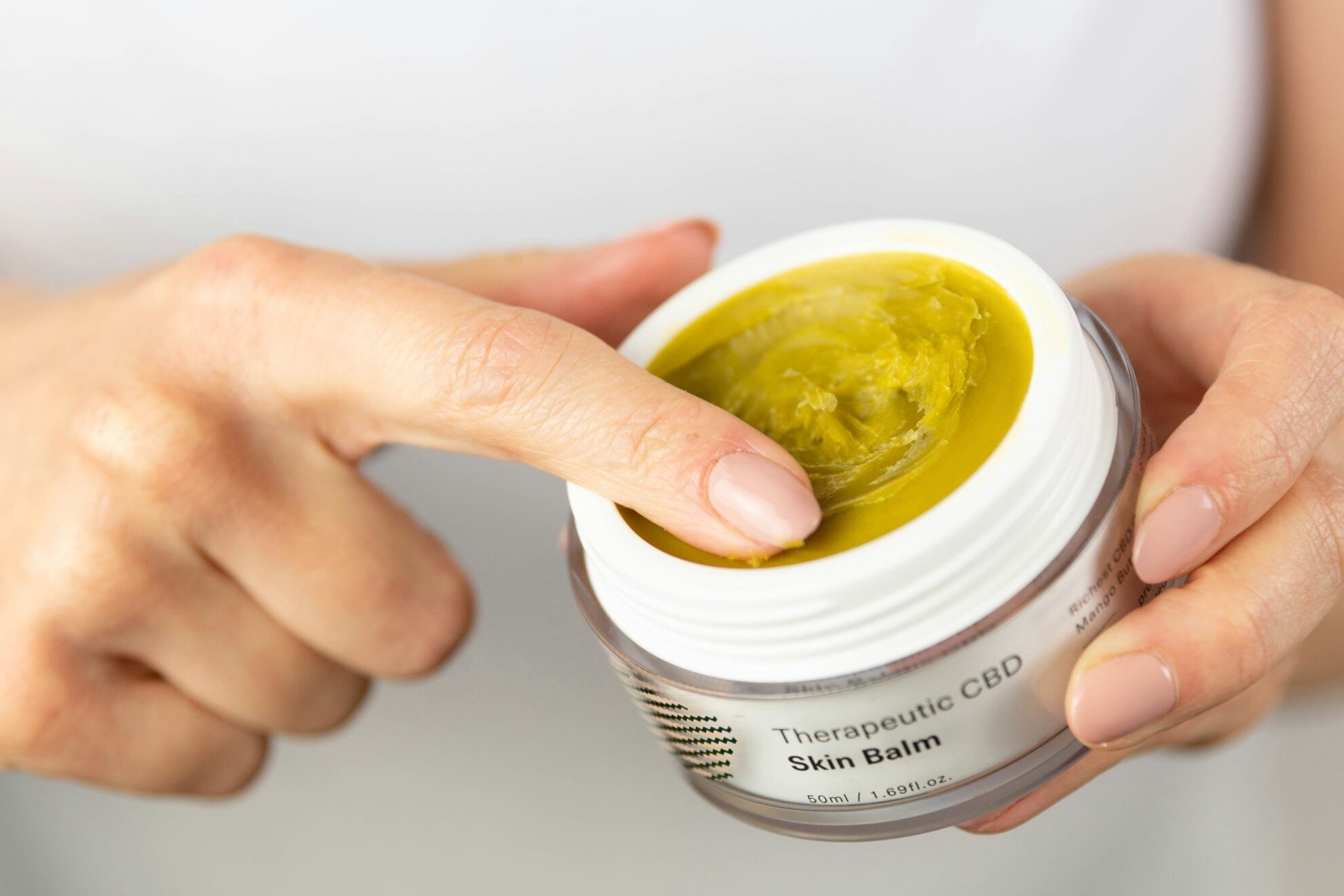
Oils, capsules, edibles, topicals, patches, and vapes all promise CBD benefits. The pharmacokinetic evidence shows they deliver very different results.
CBD product formats keep multiplying: CBD oils, gummies, capsules, creams, patches, vapes, nano-formulated powders. Each promises the same cannabinoid, but the CBD delivery method changes how much you absorb, how fast, and how long it lasts. The science of CBD bioavailability explains why format choice matters more than most consumers realize.
CBD is fat-soluble with poor water solubility. Your liver metabolizes most of it before it reaches your bloodstream. A systematic review of human pharmacokinetic data puts oral bioavailability at roughly 6–13%. A 100 mg capsule may deliver as little as 6 mg to your system.
CBD Edibles and Capsules: Familiar, Convenient, Food-Dependent
Oral CBD products travel through your digestive tract, where the liver strips away most of the CBD through first-pass metabolism. Convenience is the strength; low oral absorption is the tradeoff.
One variable changes the equation: food. A 2025 crossover trial found that a high-fat meal increased peak CBD concentration up to 17-fold compared to fasting. A Phase I trial reported a roughly five-fold increase with food. The same gummy performs very differently depending on whether you ate breakfast.
Practical tip: Take oral CBD products with a meal containing healthy fats (avocado, nuts, olive oil) to improve absorption.
Sublingual CBD Oil: A Widespread Assumption Under Scrutiny
CBD oil tinctures placed under the tongue are marketed as faster-acting because they’re absorbed through the mouth’s mucous membranes, bypassing the liver.
A 2023 human trial challenges that assumption. Researchers compared sublingual CBD oil drops to gelatin CBD capsules and found comparable plasma profiles. The likely explanation: most people swallow the oil before meaningful mucosal absorption occurs.
Tinctures aren’t a poor choice. But the absorption advantage over capsules may be smaller than marketing suggests.
CBD Topicals vs. Transdermal Patches: Two Different Goals
Topical CBD products (creams, lotions, balms) target the skin, not the bloodstream. Your skin’s outer layer blocks most CBD from reaching systemic circulation. That’s a feature for localized use: your skin contains its own endocannabinoid system, with CB1 and CB2 receptors in keratinocytes, hair follicles, and sebaceous glands.
Research on CBD solubility shows that carrier oils and manufacturing process heavily influence skin penetration. Not all creams are equivalent.
Transdermal patches serve a different purpose: sustained, systemic delivery through the skin into your bloodstream. Early human data shows detectable CBD within 2 hours, peaking around 8 hours, though plasma levels remain lower than with oral or inhaled routes. A 2023 systematic review cautioned that many topical and transdermal studies carry design limitations.
Inhaled CBD: Fastest Onset, Highest Bioavailability
Inhaled CBD bypasses your liver entirely. Pharmacokinetic reviews estimate inhaled CBD bioavailability at roughly 31%, with peak blood levels within minutes. That’s two to five times the oral absorption rate. The tradeoff is respiratory exposure, and long-term data on CBD-specific vaping remains limited.

Water-Soluble CBD and Nanoemulsions: The Emerging Format
Nanoemulsion technology shrinks CBD particles so they behave more like a water-soluble CBD dosage form in your gut. A 2024 review of CBD delivery strategies highlights these formulations as promising for improving oral absorption and reducing dependence on food for uptake. Early human data is encouraging, but the field is still young, and independent replication is limited. Among CBD product formats, nanoemulsions may close the bioavailability gap, but the evidence isn’t there yet.
CBD Labeling Accuracy: What Third-Party Testing Reveals
Across all CBD product formats, labeling accuracy remains a concern. A 2024 analysis found only 24% of CBD products were accurately labeled, and THC appeared in 35% of products tested. Format and spectrum type (full-spectrum, broad-spectrum, or isolate) are independent variables, so a mislabeled CBD edible and a mislabeled CBD oil can fail in different ways. Third-party certificates of analysis (COA) remain the most reliable check available to consumers.
CBD Delivery Methods at a Glance
| Format | Bioavailability | Onset | Duration |
|---|---|---|---|
| CBD edibles/capsules | 6–13% | 30 min–2 hrs | 4–6 hrs |
| Sublingual CBD oil | 6–13% (similar to oral) | 15–45 min | 4–6 hrs |
| CBD topicals | Local only | 15–45 min (at site) | 2–4 hrs |
| Transdermal patches | Low systemic | 2 hrs | 8–12 hrs |
| Inhaled CBD | ~31% | Minutes | 2–3 hrs |
| Nanoemulsion/water-soluble | Higher than standard oral (data emerging) | 15–30 min | 3–5 hrs |
Frequently Asked Questions
Does sublingual CBD oil absorb faster than capsules?
- A 2023 trial found comparable blood levels between sublingual drops and CBD capsules. Most people may swallow the oil before mucosal absorption occurs.
Should I take CBD with food?
- For oral products, yes. A high-fat meal may increase peak absorption by several fold. Pair CBD capsules or gummies with a fat-containing meal.
Do CBD creams enter the bloodstream?
- Topical products target local skin receptors and are designed to stay at the application site. Transdermal patches, by contrast, push CBD into systemic circulation.
Which CBD format has the highest bioavailability?
- Inhaled CBD shows the highest published CBD bioavailability (approximately 31%), with onset in minutes. Oral products sit at roughly 6–13%. Each format carries distinct tradeoffs.
How long does CBD take to work?
- It depends on the CBD delivery method. Inhaled CBD peaks within minutes. Oral CBD edibles and capsules take 30 minutes to 2 hours. Transdermal patches may take up to 2 hours to reach detectable blood levels.
Is CBD oil better than gummies?
- Research suggests sublingual CBD oil and oral CBD edibles produce similar absorption profiles. The choice comes down to preference, convenience, and whether you take it with food.
What is the most effective way to take CBD?
- Inhalation delivers the most CBD to your bloodstream per dose, but carries respiratory tradeoffs. For oral formats, taking CBD with a high-fat meal improves absorption. No single format is best for everyone.


Sign up for bi-weekly updates, packed full of cannabis education, recipes, and tips. Your inbox will love it.