

 Merch
Merch Medical card
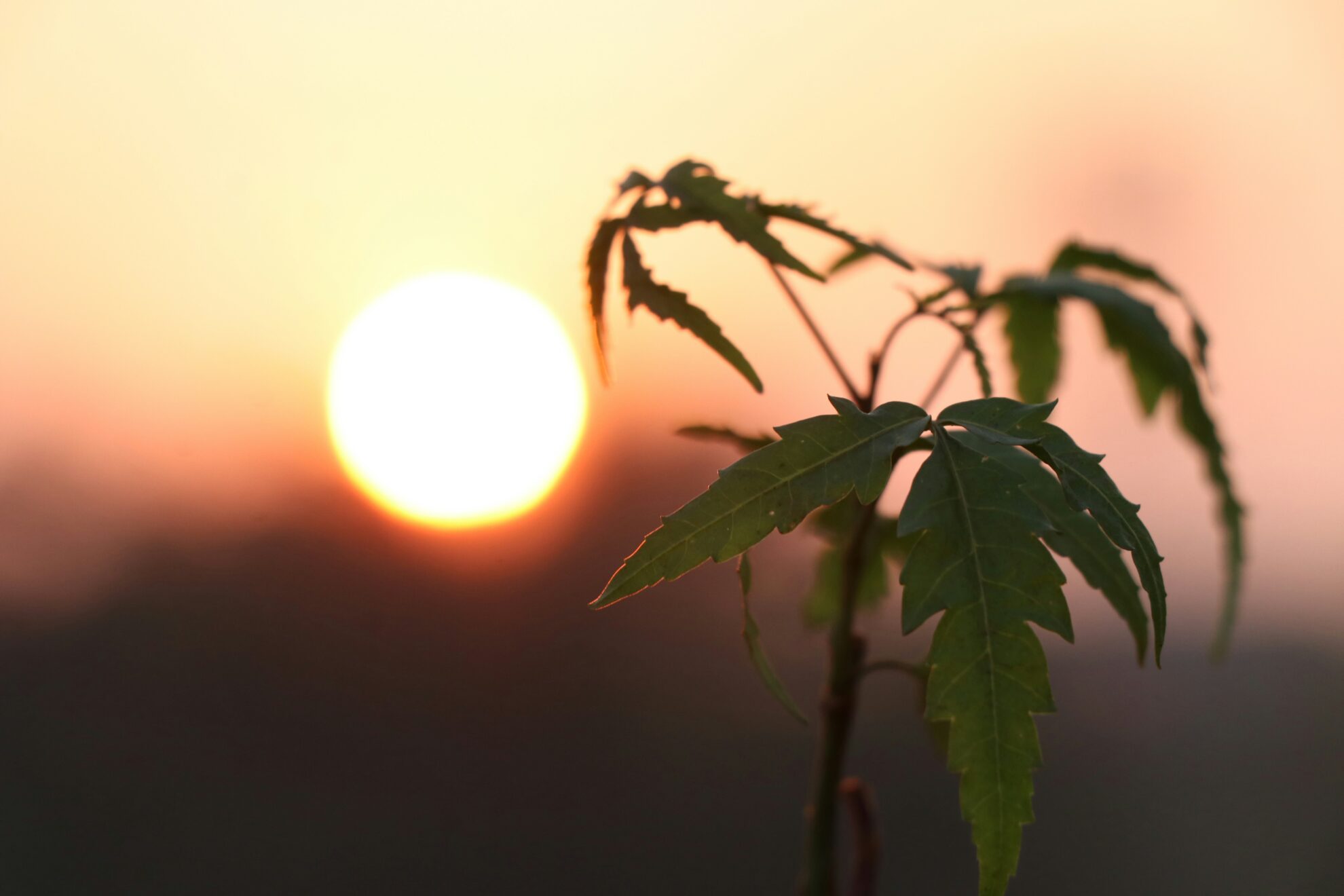
Tracing CBD from its ancient Central Asian roots and 1940s chemical discovery through the genetics that nearly erased it, and the breeders and advocates who revived it.
Cannabidiol (CBD) now shows up in clinical trials, pharmacy shelves, and your neighbor’s medicine cabinet. But where did CBD come from? The history of CBD stretches back 12,000 years to the earliest cannabis domestication in East Asia, passes through mid-20th-century chemistry labs, and lands with a handful of California breeders who pulled it back from near-extinction. It’s a story of genetics, grassroots advocacy, and one molecule’s improbable second act.
CBD’s Ancient Origins: Cannabis Before Selective Breeding
Cannabis ranks among humanity’s oldest domesticated crops. A 2021 genomic study in Science Advances analyzed 110 whole genomes and traced the origin of CBD-producing cannabis to early Neolithic East Asia, roughly 12,000 years ago. All modern hemp and drug cultivars descend from an ancestral gene pool still represented by feral plants and landraces in China.


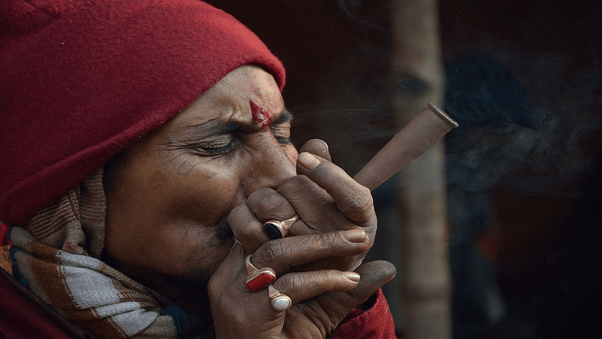
Before humans began selecting for specific traits, cannabis produced both CBD and THC in significant quantities, likely in a balanced ratio. Medicinal use spans millennia: records appear in China, Egypt, and Greece before the Common Era. In 1839, Irish physician William Brooke O’Shaughnessy brought cannabis into Western medicine after studying its therapeutic applications in India for conditions including rheumatism, tetanus, and epilepsy. His 40-page paper, presented to the Medical and Physical Society of Calcutta, drew on Ayurvedic and Persian medical traditions.
How Scientists First Isolated CBD
Roger Adams and his University of Illinois team identified and synthesized CBD in early 1940, working with wild cannabis plants growing along Minnesota roadsides. Adams received a patent for his CBD isolation method in 1942 but never determined the compound’s complete chemical structure.
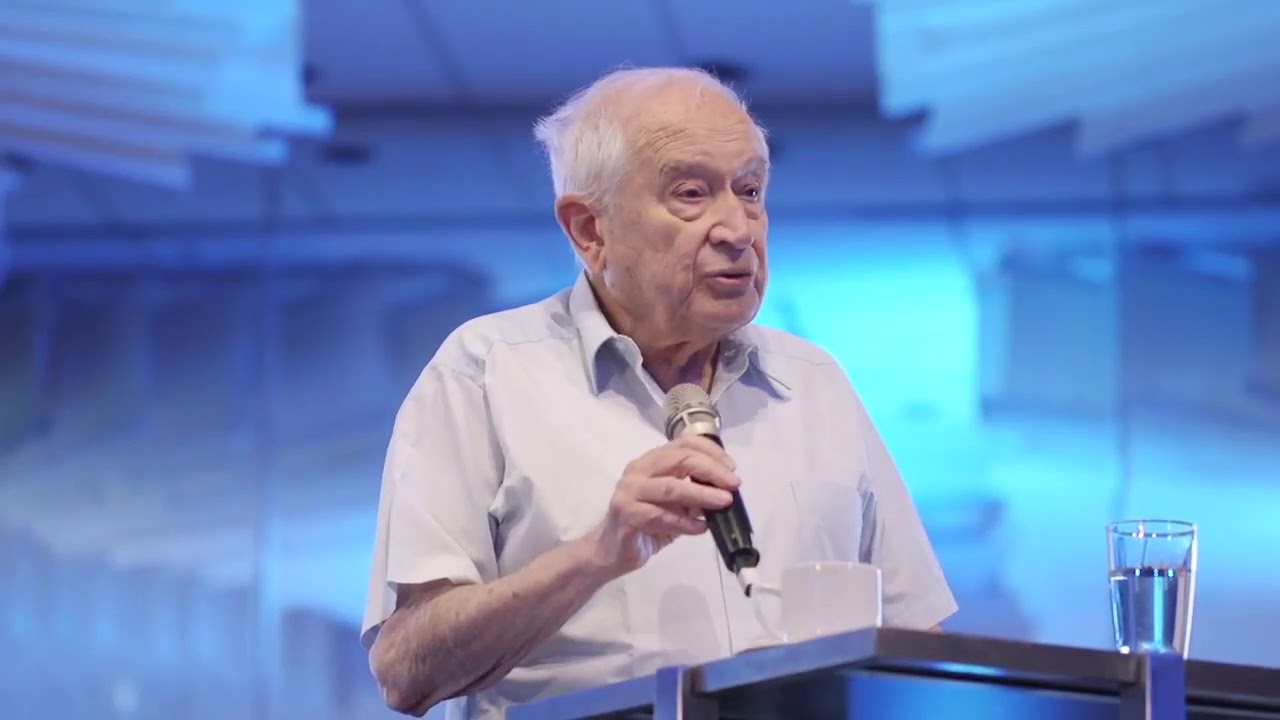
That breakthrough came from Raphael Mechoulam. In 1963, Mechoulam’s group at Hebrew University published the structure of CBD, and the following year, they isolated THC in pure form. Once researchers identified THC as the psychoactive compound, they sidelined CBD for decades.
How Cannabis Makes CBD, and How Breeders Erased It
CBD and THC both start as the same precursor molecule: CBGA (cannabigerolic acid). Two related enzymes, CBDA synthase and THCA synthase, compete for that shared precursor. Their protein sequences are 84% identical, and genetic analysis shows they function as mutually exclusive alleles. A plant’s DNA determines which enzyme dominates, which is why most cultivars lean either THC-dominant or CBD-dominant.
Before selective breeding, cannabis produced both cannabinoids. Underground breeders spent decades chasing higher THC for recreational markets and bred CBD out of the gene pool without realizing it. By 2009, despite averaging around 15% THC, only 1 in 600 samples tested by Steep Hill Lab reached 4% CBD.
The People Who Brought CBD Back
By 2009, Harborside Health Center in Oakland was using gas chromatography through Steep Hill Labs to measure cannabinoid profiles. Those tests flagged rare high-CBD samples that growers would have otherwise overlooked.
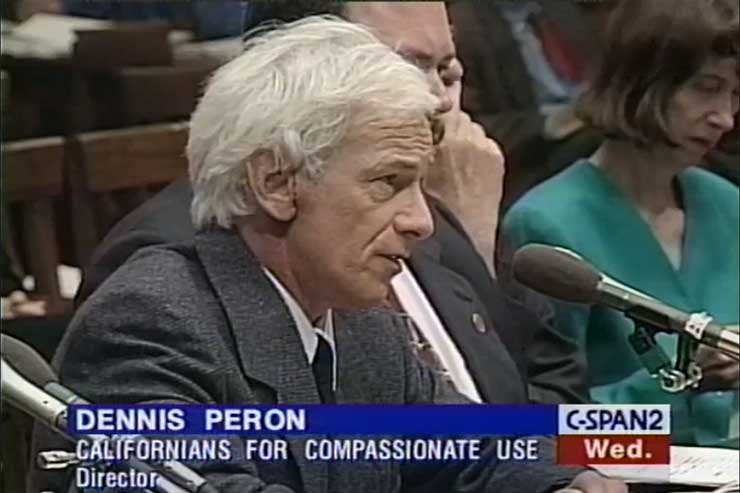
In 2010, Fred Gardner and Martin Lee founded Project CBD, working with Harborside to identify and preserve the few CBD-rich plants that surfaced. Gardner would meet with growers, explain CBD’s medical potential, and urge them to keep propagating those genetics.
Three breeders played outsize roles in the CBD revival:
- Lawrence Ringo, working 40 acres in Blocksburg, California, stabilized the first verified high-CBD cultivar. His Sour Tsunami tested at 11.3% CBD. Ringo’s legacy cultivars, including Harle-Tsu, Canna-Tsu, and ACDC, form the backbone of modern CBD genetics. He died of lung cancer in 2014.
- Wade Laughter discovered Harlequin, one of the most foundational CBD-rich cultivars, testing at up to 13% CBD with minimal THC. Laughter chose to share it with the growing community rather than restrict access and co-founded House of Harlequin. He helped launch Project CBD in 2010 and passed away in June 2025.
- Jaime Carrion of Resin Seeds in Barcelona developed Cannatonic, considered the genetic foundation of modern CBD cultivars worldwide. Cannatonic gave rise to phenotype selections like ACDC and Valentine X. Carrion co-founded the CBD Crew alongside Shantibaba of Mr. Nice Seeds to bring CBD genetics into established breeding lines.
Charlotte’s Web and the Mainstreaming of CBD
The broader public first encountered CBD through Charlotte Figi, a young girl with severe epilepsy whose family turned to a CBD-rich cultivar. CNN aired Sanjay Gupta’s documentary Weed in 2013, and the story brought CBD to a mainstream audience overnight. Charlotte’s Web, the cultivar named for her, traces its genetic roots back to Harlequin and Sour Tsunami. Coverage from that documentary accelerated demand for CBD-rich products across the country.
CBD’s path from ancient domesticate to forgotten molecule to billion-dollar compound follows no straight line. Geneticists, chemists, grassroots advocates, and a small circle of breeders each contributed a piece. The later discovery of the endocannabinoid system in the 1990s gave researchers a framework for understanding how CBD interacts with the body, opening new lines of clinical inquiry. The compound that underground markets bred out of existence now drives one of cannabis’s fastest-growing sectors, and the genetics continue to evolve as researchers identify new cannabinoid profiles and breeders refine their cultivars for therapeutic use.
Frequently Asked Questions
What is the history of CBD?
The history of CBD begins with cannabis domestication in East Asia roughly 12,000 years ago, when the plant produced both CBD and THC in balanced ratios. Roger Adams first isolated CBD in 1940, and Raphael Mechoulam determined its structure in 1963. Decades of THC-focused breeding nearly eliminated CBD from cannabis, until testing labs, advocacy groups like Project CBD, and breeders such as Lawrence Ringo and Jaime Carrion revived high-CBD cultivars in the late 2000s and early 2010s.

Who discovered CBD?
Roger Adams and his team at the University of Illinois first isolated CBD from wild cannabis in 1940. Raphael Mechoulam at Hebrew University determined CBD’s complete chemical structure in 1963, a breakthrough that also enabled his team to identify and characterize THC the following year.
Is CBD natural or synthetic?
CBD occurs in the cannabis plant. Roger Adams first isolated it from wild cannabis in 1940, and Raphael Mechoulam determined its chemical structure in 1963. Most commercial CBD products today come from hemp cultivars bred for high CBD content.
Do some cannabis plants produce CBD and others THC?
Yes. Two enzymes, CBDA synthase and THCA synthase, compete for the same precursor molecule (CBGA). A plant’s genetics determine which enzyme is active, so most cultivars are either THC-dominant or CBD-dominant. Plants with both enzyme variants active may produce a roughly 1:1 ratio of the two cannabinoids.
Who bred the first high-CBD cannabis cultivar?
Lawrence Ringo of the Southern Humboldt Seed Collective stabilized Sour Tsunami, the first verified high-CBD cultivar in California, which tested at 11.3% CBD. Jaime Carrion in Barcelona developed Cannatonic around the same period. Both breeders contributed foundational CBD genetics still used today.
Is CBD legal?
Hemp-derived CBD (from plants containing less than 0.3% THC) became federally permissible in the United States under the 2018 Farm Bill, though state regulations vary. CBD derived from cannabis plants with higher THC content remains regulated under state-level cannabis programs.


Sign up for bi-weekly updates, packed full of cannabis education, recipes, and tips. Your inbox will love it.