

 Merch
Merch Medical card
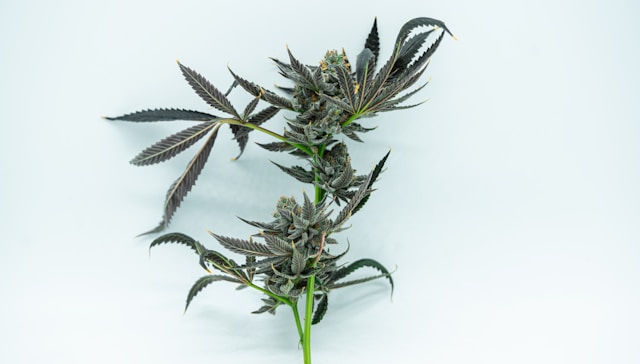
A practical guide to the core differences between growing cannabis from seeds or clones, the science-backed pros and cons of each, and how to choose the right method based on your goals, experience level, and environment.
Quick orientation: Which path fits you?
- If you’re exploring new genetics, growing outdoors, or starting from scratch — begin with seeds.
- If you want a faster path to harvest, already know which cultivar you like, or prefer predictable results — start with clones.
For any home grower, the debate between cannabis seeds vs clones comes down to a few core trade-offs: time, cost, genetic variety, and disease risk. A cannabis seed is a sexually reproduced plant embryo; a clone is a vegetative cutting with genetics identical to its source plant. Every grow starts with choosing between them, and that choice has real consequences for your timeline, yield, root structure, disease risk, and how much genetic variability you’ll be working with. Whether you’re tending a small tent or setting up your first outdoor grow, understanding what’s actually happening at the plant-biology level will help you make a more informed call.

The Biology Basics: What Cannabis Seeds and Clones Actually Are
A cannabis seed is a product of sexual reproduction. Two parent plants contribute genetic material, creating offspring that carry a unique combination of traits. Understanding cannabis propagation at this biological level makes the seeds vs clones choice much clearer. That genetic recombination is both a strength and a source of unpredictability. Research published in 2022 reviewing cannabis propagation methods notes that seed-based plants tend to express phenotypic variation even within the same cultivar, which matters when consistency is the goal.
A clone, by contrast, is a vegetative cutting taken from an existing cannabis plant and encouraged to develop its own root system. It carries an identical genetic profile to the plant it came from. Clinical cannabis production protocols favor vegetative cuttings precisely because they reduce genetic variability and allow growers to replicate known chemical profiles batch after batch.

Root Structure: How Cannabis Seeds and Clones Develop Differently
One of the most meaningful biological differences between cannabis seeds and clones lies underground. Seed-grown plants develop a cannabis taproot, a central anchoring root that grows vertically before branching laterally. This architecture gives seed plants direct access to deeper soil layers and provides structural stability that can support heavier canopies.
Clones skip cannabis germination entirely, establishing a fibrous adventitious root system instead. Studies on alternative rooting methods for medicinal cannabis highlight that rooting success in clones depends heavily on environmental conditions, including humidity, temperature, and the health of the donor plant. A poorly rooted clone will struggle to establish the vigorous growth pattern a well-germinated seed achieves naturally.
That said, once a clone roots successfully, it can match or exceed seed-grown plants in overall growth rate, since it’s already in a vegetative state with no germination lag.
Time and Labor: How Long Does Each Path Take?
Growing cannabis from seed requires more calendar time from start to finish. Cannabis germination typically takes three to seven days, followed by a seedling phase of one to two weeks before the plant enters true vegetative growth. For home growers on a tight seasonal schedule, that additional time adds up.
Clones bypass germination entirely and enter vegetative growth almost immediately after rooting, which typically takes one to two weeks under the right conditions. Commercial propagation reviews confirm that cuttings are the dominant method in large-scale operations specifically because of this time advantage and the ability to maintain continuous crop cycles from a stable clone supply.
Genetic Diversity vs. Consistency
The case for genetic diversity (seeds)
Seeds are the engine of genetic exploration. If you’re searching for a standout phenotype, experimenting with new cultivars, or simply want the resilience that comes from genetic variation in a population, seeds offer options clones can’t. Research on phenotypic and molecular variation in cannabis confirms that seed-based propagation preserves and reshapes genetic diversity in ways vegetative propagation cannabis does not. That diversity is a real asset outdoors, where plants face variable conditions throughout the season.


There’s also encouraging news for seed growers who want more uniformity: research into self-pollinated cannabis seeds has shown that controlled breeding techniques can significantly reduce phenotypic variation, narrowing the gap between seeds and clones when it comes to consistency.
The case for genetic consistency (clones)
When comparing cannabis clones vs seeds purely on predictability, clones win. If you’ve grown a cultivar with the yield, terpene profile, and cannabinoid levels you want, cloning locks those traits in for the next run. Studies on clonal propagation of hemp demonstrate that short-term vegetative propagation can maintain genetic uniformity across generations, delivering the predictable results home growers value.
One important caveat: clones aren’t perfectly static over time. Research on somatic mutation accumulation in micropropagated cannabis shows that genetic changes do occur across successive clonal generations, though these are generally limited. Rotating in fresh genetics periodically is good practice for any long-term cloning operation.

Disease and Pest Risk: Why Clones Require More Scrutiny
This is where clones carry a meaningful disadvantage. Because a clone is a direct genetic copy of the plant it was taken from, any pathogen, pest, or latent disease in that source plant transfers to the cutting. A contaminated clone supply can introduce powdery mildew on cannabis clones, spider mites, or root aphids into an otherwise clean grow space with a single cutting.
Seeds sourced from reputable breeders offer a cleaner start. They arrive without the accumulated pathogen history of a vegetative lineage and can be surface-sterilized before germination. Comparative propagation research notes that seed germination is generally considered the lowest-risk entry point from a disease-transmission standpoint.
Cannabis Seeds vs Clones: Decision Matrix at a Glance
| Start with seeds when… | Start with clones when… |
|---|---|
| You’re exploring a new cultivar or genetics | You have access to a quality, proven clone source |
| You’re growing outdoors with variable conditions | You need consistent cannabinoid and terpene profiles |
| You want to minimize disease introduction risk | You’re running a continuous production cycle |
| You’re a beginner starting from scratch | You have a reliable, healthy clone source |
| You want a taproot-based root architecture | You need to shorten your vegetative timeline |
Making the Right Call for Your Grow
There’s no universally superior option here. Seeds reward patience, offer genetic flexibility, and reduce disease risk on entry. Clones reward efficiency, deliver consistency, and compress timelines. For many home growers, the right answer shifts depending on what they’re trying to achieve: seeds for exploration and variety-hunting, clones when you’ve found something worth repeating. One exception worth noting — autoflowering cultivars generally can’t be cloned reliably, so if that’s the category you’re growing in, seeds are your only viable option.
What matters most is understanding what each path actually delivers at the biological level, not just the marketing framing around it. When you know why taproot architecture matters, why clones can drift genetically over time, and why disease pressure travels with vegetative cuttings, you can make decisions that hold up over multiple grow cycles rather than just the first one.
Frequently Asked Questions
Are seeds or clones better for a first-time grower?
- Seeds are generally the better starting point for beginners — no donor plant is required, and they’re widely available from reputable breeders.
- Germination is straightforward and teaches foundational cultivation skills before more advanced techniques become necessary.
- Clones require a healthy donor plant and specific environmental conditions to root successfully, which adds complexity for someone still learning the basics.
Can a clone ever outperform the plant it came from?
- Genetically, no — a clone carries the same DNA as the plant it came from and can’t exceed the ceiling set by that genetic profile.
- In practice, however, a clone grown under optimized conditions (better soil, lighting, or nutrients than the source plant received) can produce a larger or more potent harvest.
- Environmental inputs, not genetics alone, determine final yield and cannabinoid expression.
Do clones carry the same disease risks as seeds?
- No — clones carry a higher disease risk because any pathogen present in the source plant transfers directly to the cutting.
- Seeds sourced from reputable breeders arrive without that accumulated pathogen history and can be surface-sterilized before germination.
- If you’re sourcing clones from a third party, inspecting them carefully for signs of pests or disease before introducing them to your grow space is essential.
Feminized Seeds vs Clones: Do Feminized Seeds Replace the Need to Clone?
- Feminized seeds do address one of cloning’s key benefits — guaranteed female plants — since nearly all feminized seeds produce female offspring.
- They don’t fully replicate cloning’s consistency advantage, though; each feminized seed still undergoes sexual reproduction and can express different phenotypes.
- For growers who want predictable chemistry batch after batch, clones from a proven source remain the more reliable option even when feminized seeds are available.
Sources
- Evaluating Propagation Techniques for Cannabis sativa L. Cultivation — PMC, 2024.
- Understanding Cannabis sativa L.: Current Status of Propagation Methods — PMC, 2022.
- Propagation of Cannabis for Clinical Research — PMC, 2020.
- Alternative Rooting Methods for Medicinal Cannabis — PMC, 2023.
- Somatic Mutation Accumulations in Micropropagated Cannabis Are Limited But Present — PMC, 2024.
- Clonal Propagation of Hemp and Assessment of Genetic Stability in Micropropagated Plants — Industrial Crops and Products, 2025.
- Unraveling the Genetic Diversity of Cannabis sativa L.: Phenotypic and Molecular Variation — Industrial Crops and Products, 2025.
- Self-Pollinated Cannabis Seeds Lead to Less Variation in Shape — PMC, 2025.
- Propagation of Cannabis sativa for Commercial Production — IPPS, 2025.
- Cannabis Clones vs. Seeds: Pros and Cons of Different Genetic Propagation Methods — Cannabis Industry Institute.


Sign up for bi-weekly updates, packed full of cannabis education, recipes, and tips. Your inbox will love it.