


 Merch
Merch Medical card
Cannabis education has always lived inside a hard tension. On one side are decades of drug-war framing that exaggerated risks for adults and saddled communities with the costs of prohibition. On the other are real, measurable, increasingly well-documented harms for adolescents whose brains are still developing. A new generation of large-cohort studies is sharpening that picture — and the Kaiser Permanente analysis published in early 2026 is the most consequential one yet.
What the study found
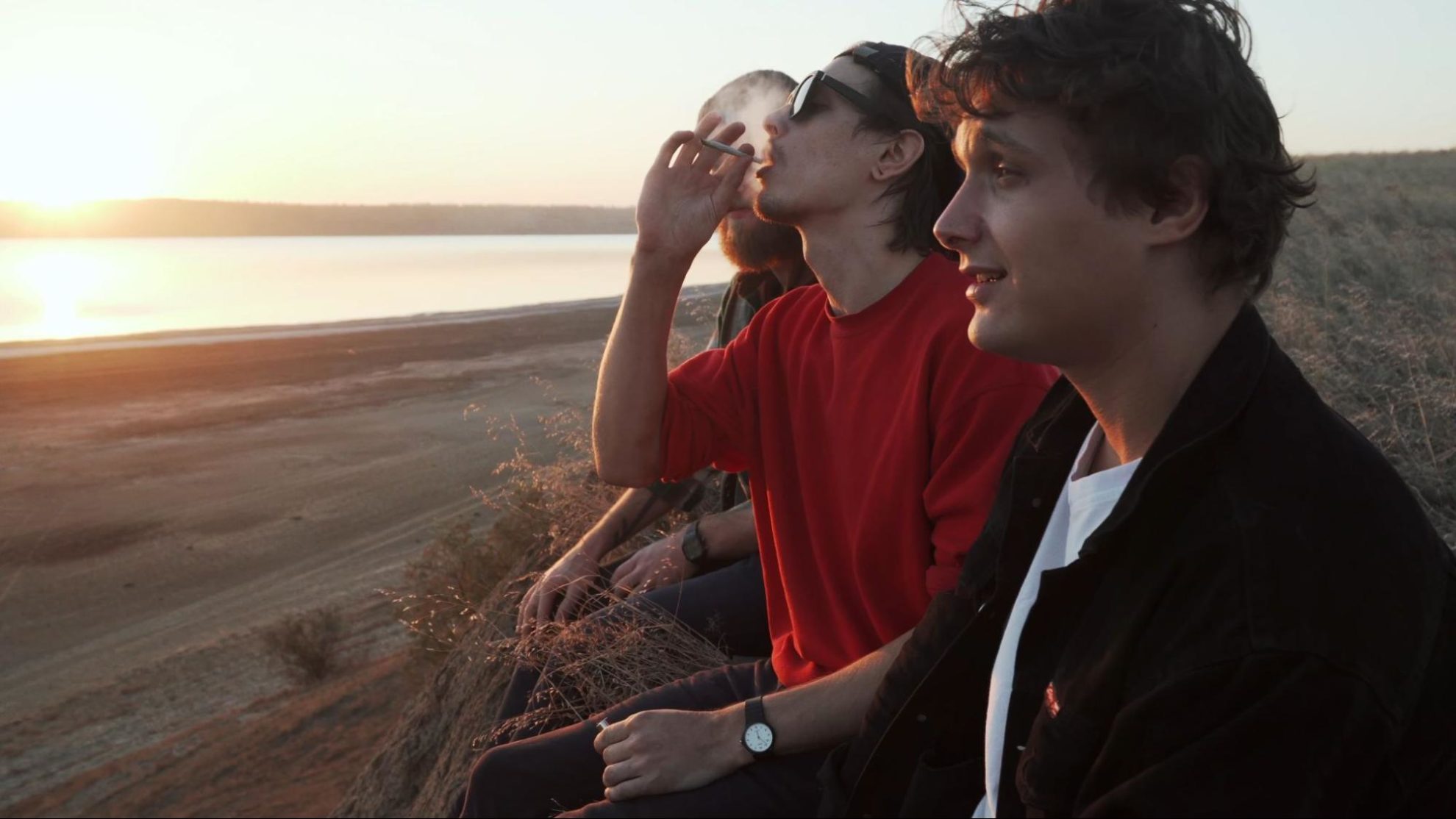
Researchers analyzed health records on roughly 460,000 adolescents in the Kaiser Permanente Northern California system, following them through age 25. Adolescents who self-reported past-year cannabis use were more than twice as likely to receive a later psychotic disorder or bipolar disorder diagnosis. Self-reports typically preceded the diagnosis by 1.7 to 2.3 years. Elevated risks for psychotic and bipolar disorders persisted into young adulthood, and rates of anxiety and depression diagnoses were also higher in the cannabis-using group. Findings were published in JAMA Network Open and have been corroborated by parallel work at CAMH in Toronto.

Why adolescence is different
The endocannabinoid system is doing the work of building the adolescent brain. CB1 receptors are densely involved in synaptic pruning, cortical circuit refinement, and dopamine-system maturation through the late teens and early twenties. THC, a partial agonist at CB1, binds to the same receptors. Animal studies show that early THC exposure alters how neurons respond to experience and consolidate memory. Human imaging studies find altered connectivity patterns that can persist after use stops. The mechanistic story has tightened considerably in the past two years.
Important caveats
Association is not causation. Reverse causation is a real confound: adolescents with prodromal psychiatric symptoms sometimes use cannabis to manage them, which can make use look like a cause when it is partly a marker. Cohort timing matters: today’s high-potency flower and concentrates bear little resemblance to the products adolescents used 20 years ago, and older studies likely understate current risks. Heavy use scales risk far more than occasional use. And genetic vulnerability — carriers of certain AKT1 and COMT variants appear much more susceptible — is not yet something we routinely screen for.
The Cannigma takeaway
Science-based cannabis education means saying two true things at once. Adult cannabis policy should reflect adult science. Adolescent cannabis exposure should be discussed honestly, in terms parents and educators can use, without slipping back into reefer-madness framing. The 2026 Kaiser data sharpens what we tell teenagers, not what we tell adults — and that distinction is the whole point of evidence-based education.
Sources
- NPR — Cannabis use in teens linked to psychosis later
- Kaiser Permanente Division of Research
- CAMH — New evidence on teen cannabis and psychotic disorders
- Scientific American — The link between cannabis and psychosis in teens is real
- ScienceDaily — Brain dopamine system mechanism
- Frontiers in Psychiatry 2026 systematic review


Sign up for bi-weekly updates, packed full of cannabis education, recipes, and tips. Your inbox will love it.