


 Merch
Merch Medical card
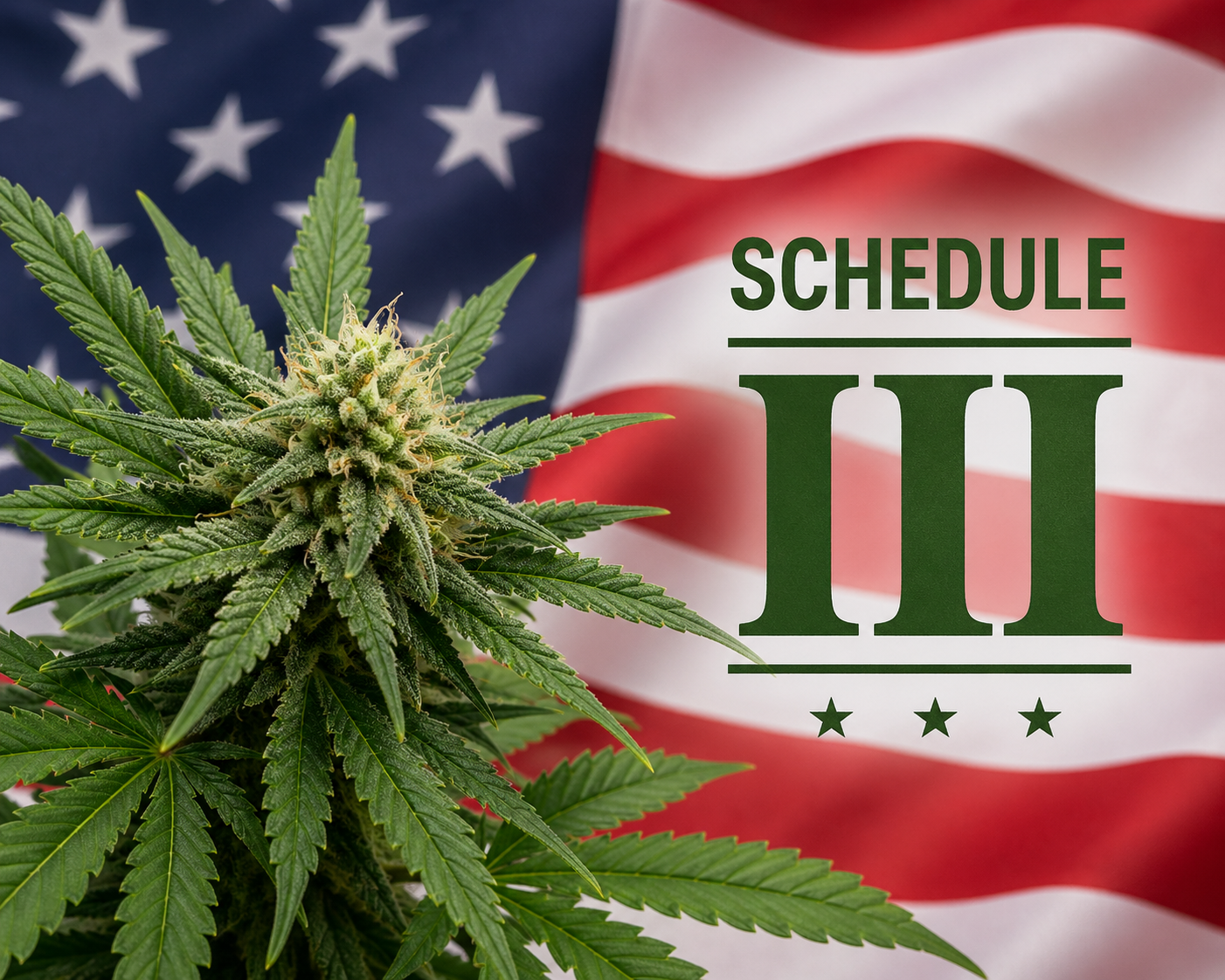
For half a century, cannabis research in the United States has been hostage to a single supply chain. Researchers wanting to study cannabis had to source it from a federal monopoly farm at the University of Mississippi — NIDA-funded, often years out of date, with potencies and chemovars that bore little resemblance to anything for sale in a state-legal market. The result was thousands of papers on a substance that no longer matched the substance patients were actually using. The April 22, 2026 final rule from the Department of Justice rescheduling FDA-approved and state-licensed medical-only cannabis to Schedule III changes that — in effect, today.
What changed practically
DEA-registered researchers can now source cannabis flower, extracts, tinctures, edibles, and other product forms directly from state-licensed businesses that are themselves DEA-registered. The DEA Medical Marijuana Dispensary Registration Portal opened April 29, 2026. Adult-use cannabis remains Schedule I; the DEA hearing on full rescheduling is scheduled for June 29 through July 15, 2026. Removal of 280E for medical operators creates capital headroom that did not exist six months ago.


Why this matters for science
Randomized controlled trials become realistic. RCTs on cannabis have been historically rare because researchers could not get product matching real-world use. That barrier is gone for the medical category. Dose-response work becomes possible with access to standardized, verified products. Drug-interaction studies — especially with opioids, antiseizure medications, and SSRIs — can move past observational data. Indication-specific work expands across cancer cachexia, MS spasticity, chemotherapy-induced nausea, treatment-resistant epilepsy, neuropathic pain, and PTSD-related sleep disturbance. Each of these has been waiting for clinical-grade evidence.
Findings already shifting the conversation in 2026
VER-01, a multi-compound cannabis medicine developed by Vertanical, has been reported in clinical data to relieve chronic low back pain up to twice as effectively as opioids — without opioid-induced constipation and with measurable sleep improvement. A double-blind, placebo-controlled CBN sleep trial in 293 participants showed that 20mg of CBN over seven nights significantly reduced nighttime awakenings and overall sleep disturbance versus placebo — the first sleep RCT to clear the methodological bar that earlier CBN reviews had flagged. A 2026 Journal of Biological Chemistry study found that CBD, CBG, and CBC differentially activate pain-sensing neurons, with CBG and CBC engaging smaller, more pain-relevant neurons — supporting combination cannabinoid formulations as alternatives to delta-9 THC. And early 2026 dementia results suggested low-dose THC-CBD extracts may stabilize cognitive decline over six months.
What is still outside the rule
Adult-use cannabis stays Schedule I for now. Researchers studying recreational use patterns, social outcomes, or recreational potency markets still face the old constraints. Banking and payment networks remain closed — Schedule III does not federally legalize, and Visa and Mastercard remain off-network. Insurance reimbursement for cannabis-based therapies is not automatic; payor decisions will follow indication-specific approval pathways.
The Cannigma takeaway
The 2026 rescheduling is, more than anything else, a research event. The clinical evidence base on cannabis has been thin not because the questions weren’t worth asking, but because the supply chain made answering them nearly impossible. That is no longer true. Expect a wave of higher-quality cannabis literature over the next 24 to 36 months — and expect the conversation to look very different from the fifty years of partial science that preceded it.
Sources
- Cannabis Equipment News — Reclassification opens doors for medical research
- Pharmacy Times — Schedule III clinical, research and coverage implications
- Mirage News — Marijuana reclassified, boosting medical research
- University of Minnesota Cannabis Research Center
- Vertanical VER-01 chronic pain trial
- Marijuana Herald — minor cannabinoid pain neurons study
- Marijuana Herald — 70+ cannabis studies in 2026


Sign up for bi-weekly updates, packed full of cannabis education, recipes, and tips. Your inbox will love it.