

 Merch
Merch Medical card
An in-depth look at how regulated cannabis systems reduce illegal pesticide use compared with illicit markets, why cannabis pesticide contamination persists even in legal supply chains, and what policy, enforcement, and testing reforms are needed to truly protect consumers and the environment.
If you assume that buying cannabis from a licensed dispensary automatically means you’re safe from pesticide exposure, the reality of cannabis pesticide contamination is more complicated than most consumers assume. A landmark peer-reviewed Canadian study screened samples for 327 different compounds and found that 92% of illicit cannabis samples contained pesticide residues, compared to just 6% of products from licensed producers. That gap is striking, and it reflects something real: regulated markets work better than illegal ones. But “better” isn’t the same as “safe,” and the gaps inside legal supply chains deserve just as much attention as the ones outside them.

Illicit vs. Legal Cannabis: A Pesticide Contamination Comparison
The Canadian research is among the most rigorous head-to-head comparisons available. Illicit products didn’t just test positive more often; they also showed higher concentrations of more harmful compounds. Licensed producers, subject to mandatory pesticide testing and government oversight, produced far cleaner results across the board.
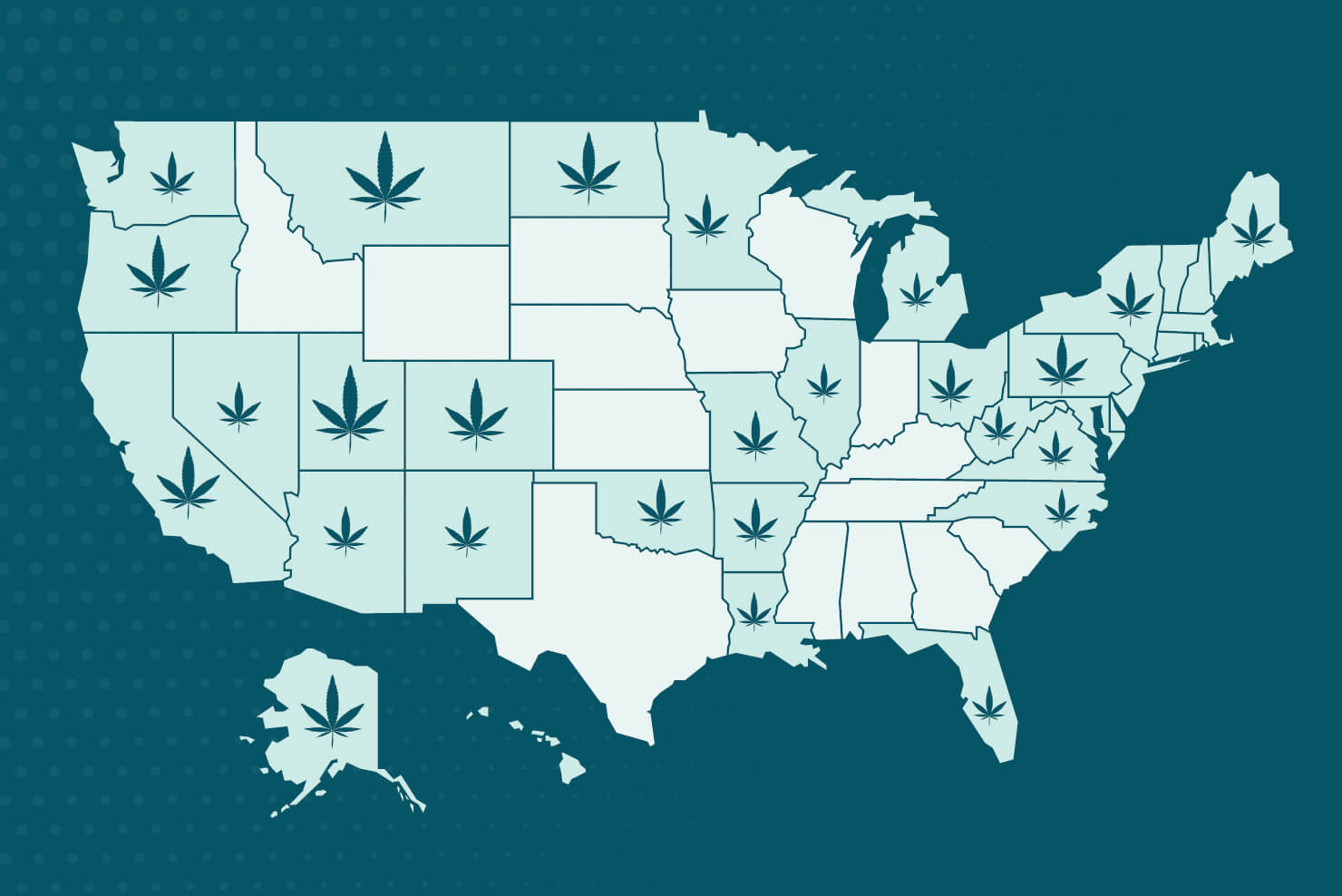
Similar patterns appear in U.S. enforcement data. When legal states like Washington, Colorado, Oregon, and California issue recalls and take enforcement actions, they’re working from an “allowable pesticide” list that at least establishes a baseline for what growers may and may not use. Illicit cannabis pesticides face no such constraints: operators use whatever products are available and effective, with no regard for toxicity limits, application windows, or consumer safety.
Regulation does reduce pesticide exposure for most consumers most of the time. But having a legal market and having a safe one aren’t the same thing.
California’s Cannabis Pesticide Contamination Problem
Cannabis pesticide contamination isn’t confined to the black market, and California’s legal supply chain has made that plain. In June 2024, a major Los Angeles Times investigation found residues of concerning chemicals in products from popular legal California brands. Part of the problem: the state’s list of regulated pesticides has been frozen at 66 compounds since 2018, a number that researchers and consumer advocates describe as far too narrow to capture the full range of chemicals that growers actually use.
The investigation triggered significant fallout. A September 2024 follow-up documented the political and regulatory repercussions, with mounting pressure on the state cannabis agency and calls from county officials for a formal health emergency designation. The industry was shaken, but structural reform remained elusive.
By December 2024, the picture grew more troubling still. Additional independent testing identified dozens of harmful pesticides in legal California products that the state wasn’t even screening for, exposing the fundamental weakness of a fixed, outdated test panel. A legal product that passes a 66-compound panel can still carry residues the panel was never designed to detect.
Why Economic Pressure Drives Pesticide Shortcuts in Legal Cannabis Markets
One underappreciated driver of pesticide contamination in legal markets is the economic pressure that compliance creates. A comprehensive policy review of state-level cannabis pesticide regulation found that testing requirements, combined with high tax burdens and complex, inconsistent rules across states, can make it genuinely difficult for small and mid-size operators to stay competitive with illicit suppliers who face none of those costs.
California’s own economic modeling of expanded pesticide testing acknowledges the trade-off directly: stricter testing panels improve consumer safety but add costs that may push some growers toward unlicensed channels. When the price premium for legal cannabis doesn’t justify the compliance burden, the incentive to cut corners grows. This dynamic can inadvertently strengthen the illicit market that regulation was designed to displace.
How Illegal Cannabis Grows Create an Environmental Contamination Crisis
The consequences of unregulated cultivation extend well beyond individual consumer health. A February 2026 investigation documented how illegal cannabis operations on California public lands routinely use banned fumigants and highly toxic pesticides that contaminate soil, waterways, and wildlife habitat. Investigators described the accumulating damage as an “environmental time bomb,” with some sites requiring extensive, costly remediation.
Workers on these operations face direct occupational exposure to compounds that licensed producers are legally prohibited from using. Advocacy groups have documented specific pesticide residues in cannabis enforcement cases, including carbofuran and other compounds that are acutely toxic to birds, fish, and mammals. These are harms that never appear in dispensary test results, but they’re part of the full environmental cost of an unregulated supply chain.
Cannabis Testing Regulations That Could Actually Fix the Problem
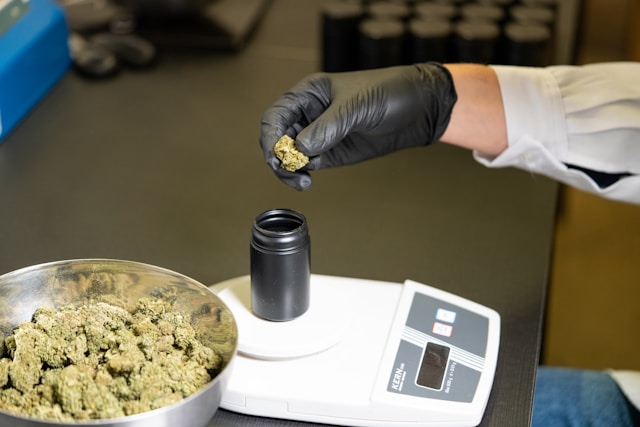
Strengthening cannabis testing regulations is the most direct path to closing these gaps. Contamination data from multiple legal states consistently shows that testing rules, enforcement rigor, and transparency are the variables that determine real-world outcomes for legal cannabis safety.
Researchers and advocates point to several practical reforms:

- Expanding testing panels from the current 66-compound list to screen for hundreds of pesticides, as the Canadian study demonstrated is methodologically feasible
- Implementing random and unannounced testing, rather than predictable compliance windows that allow bad actors to prepare
- Building better data-sharing systems between state licensing boards, testing laboratories, and federal agencies to accelerate recalls
- Targeting enforcement resources at high-risk producers based on testing history and supply chain patterns
- Developing federal infrastructure to standardize pesticide oversight across state lines, reducing the patchwork of inconsistent California cannabis pesticide regulations and their equivalents elsewhere
Legal cannabis markets are meaningfully safer than illicit ones, and that’s worth acknowledging. The evidence from Canada and U.S. state-level comparisons makes a clear case that mandatory testing and licensing do reduce pesticide exposure for most consumers most of the time. But the California experience shows that a legal market with an outdated test panel, frozen pesticide limits, and economic pressures pushing producers toward corners represents something less than the legal cannabis safety guarantee that legalization is supposed to deliver. Fixing cannabis pesticide contamination for good requires treating pesticide oversight as an ongoing obligation, not a one-time policy decision made in 2018.
Sources
- High levels of pesticides found in illicit cannabis — PMC / peer-reviewed Canadian study, 327-pesticide screen
- The dirty secret of California’s legal weed — Los Angeles Times, June 2024
- California legal weed industry in tumult over pesticides in pot — Los Angeles Times, September 2024
- New tests find ‘hidden’ pesticides in more California weed brands — Los Angeles Times, December 2024
- Into the Weeds: Regulating Pesticides in Cannabis — PMC comprehensive policy review
- The Ultimate Buzz Kill: Officials Find Pesticides in Marijuana… Again — Beyond Pesticides, 2023
- Pesticide Contaminated Cannabis in California Reveals Testing and Regulatory Failures — Beyond Pesticides, 2024
- ‘Environmental time bomb’: Illegal pot farms poison California forests — Los Angeles Times, February 2026
- Standardized Regulatory Impact Analysis: 2025 Laboratory Package (Pesticide Testing) — California Department of Finance
- Cannabis and Pesticides — NutritionFacts.org synthesis of multi-state contamination data


Sign up for bi-weekly updates, packed full of cannabis education, recipes, and tips. Your inbox will love it.