

 Merch
Merch Medical card
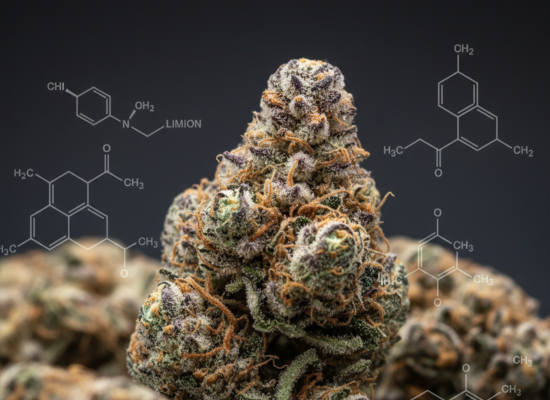
The three-category system is deeply embedded in dispensary culture — but science has outgrown it. Here’s what cannabis terpene profiles actually tell you about the cannabis you’re buying.
Walk into almost any dispensary and you’ll find the same organizing principle: cannabis is sorted into indica, sativa, or hybrid. These dispensary cannabis labels are everywhere — on jar tags, digital menus, and budtender scripts. They’re familiar shorthand, and that familiarity has real value. But if you’ve ever bought a “relaxing” indica that made you anxious, or an “energizing” sativa that sent you straight to the couch, you’ve experienced the core problem firsthand. Understanding cannabis terpene profiles is the most reliable way to move past it.


A terpene profile is the complete picture of aromatic compounds — myrcene, limonene, caryophyllene, and others — present in a given cultivar and the percentage each contributes to the whole. The current cannabis strain classification framework (indica, sativa, hybrid) doesn’t reliably predict effects. The science behind terpene profiles — and how those profiles interact with THC percentage and other cannabinoids — offers a much clearer path to understanding what you’re actually buying.
The Indica/Sativa Label Doesn’t Predict Effects — Here’s What Cannabis Terpene Profiles Do
A landmark 2021 study in Nature Plants put the indica/sativa distinction under a genomic microscope — and found little of substance. Researchers examined cannabis samples labeled by dispensaries as indica or sativa and discovered that the two categories were genetically indistinct on a genome-wide scale. THC, CBD, and CBG levels showed no meaningful correlation with how a product was labeled.
What did correlate with labeling? Terpenes. Specifically, the study found that myrcene concentration alone explained more than 21% of the variation between indica- and sativa-labeled samples. The labels, it turns out, are a rough cultural proxy for aroma and general effect expectation — not a scientifically grounded classification system.
None of this means the labels are useless. They persist because they work as communication shortcuts. But treating them as precise predictors of what you’ll feel leaves a lot of important chemistry on the table.
What Terpene Profiles Actually Predict About Your Experience
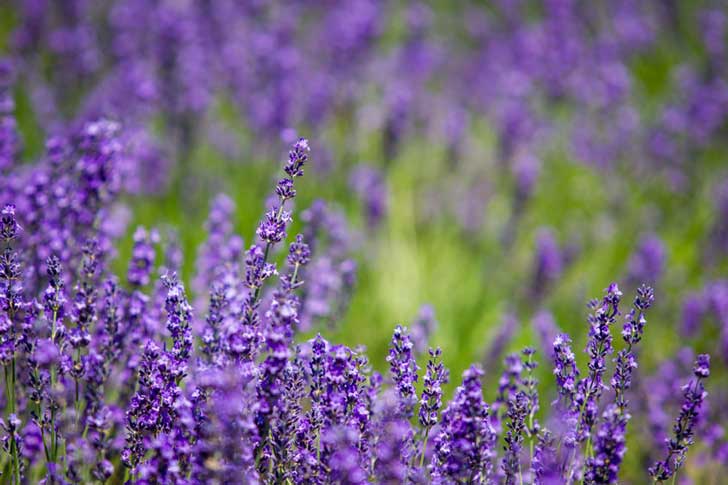
Terpenes are the aromatic compounds responsible for cannabis’s enormous range of smells and flavors — from diesel and pine to citrus and lavender. They’re produced by the same glands that make cannabinoids, and research suggests they play a far more active role in shaping cultivar effects than their reputation as “just the smell” implies.
A thorough 2020 review published in PMC catalogued the known biological activity of cannabis terpenes, documenting their anti-inflammatory, analgesic, and neuroprotective properties across preclinical research. And a key review on terpenes in cannabis established that myrcene effects — not strain name or origin label — are the primary predictor of sedative versus stimulating character in a given cultivar, with additional analgesic and muscle-relaxant properties documented in animal models.
When you have access to a lab-tested cannabis product with a full phytochemical profile, you have a much more reliable map of the experience ahead than any category label provides.
Nine Terpenes That Define Nearly Every Cultivar
You don’t need to memorize dozens of compounds. Your cannabis terpene profile is largely determined by nine key compounds, according to the 2024 Cannabis and Cannabinoid Research classification study — which proposed six terpene-based clusters for medical cannabis. By terpene percentage, just nine compounds account for more than 86% of the variation across most cultivar profiles. Those nine are:
- Beta-myrcene (earthy, musky; sedative and analgesic associations)
- Beta-caryophyllene (peppery, spicy; the only terpene known to engage CB2 receptors directly)
- Limonene (citrusy; mood-elevating associations)
- Linalool (floral, lavender-like; calming associations)
- Alpha-humulene (hoppy, earthy; appetite-suppressing in some studies)
- Alpha-pinene and beta-pinene (fresh, piney; may support alertness and memory retention)
- Terpinolene (floral, herbal, slightly fruity; often found in “Jack” lineages)
- Fenchol (fresh, herbal note; present in many resinous cultivars)
The researchers concluded that this terpene-profile approach allows a “clearer, finer, and more meaningful classification” of cannabis than the three-category model — especially for medical consumers trying to make informed decisions.
A More Useful Classification System Already Exists
The good news is that the industry is already moving in this direction. SC Labs’ seven-category terpene classification system — built from chemometric profiling of thousands of lab-tested samples — organizes cannabis into categories like Desserts, OGs & Gas, Sweets & Dreams, Jacks & Haze, Tropical & Floral, Exotics, and Citrus. Each category reflects a distinct terpene signature, mapped to predictable flavor, aroma, and effect tendencies.
Their PhytoFacts system takes this further by assigning three-letter terpene codes to individual products. A code like MLH (myrcene-limonene-humulene) tells you more about what’s in a jar than “indica” ever could.

| Dimension | Old System Indica/Sativa/Hybrid | New System Terpene Classification |
|---|---|---|
| Scientific basis | Genetically unsupported | Chemometric profiling of verified compounds |
| Effect prediction | Unreliable; highly variable | More consistent; tied to specific terpene activity |
| Consistency | Same strain name, different growers = different experience | Terpene percentage offers direct comparison |
| Consumer utility | Easy shorthand; widely understood | Higher learning curve, but far more informative |
| Examples | Indica, Sativa, Hybrid | OGs & Gas, Jacks & Haze, Tropical & Floral (SC Labs) |
A parallel study using full-spectrum secondary metabolite profiling — including terpenes, flavonoids, and cannabinoids — demonstrated that terpene profiles carry independent classification power, capable of differentiating chemotypes even without THC and CBD data.
The Entourage Effect: Promising but Still Debated
One reason terpenes matter beyond aroma is the entourage effect hypothesis — the idea that terpenes and cannabinoids work better together than they do in isolation. A University of Arizona study found that cannabis terpenes, when administered alone, produced cannabinoid-like effects in animal models including pain reduction, and created additive effects when combined with cannabinoid agonists. That’s meaningful preclinical evidence that terpene profiles shape the experience.
At the same time, balance matters here. A 2020 study published in Frontiers in Pharmacology found that common terpenes do not directly activate CB1 or CB2 receptors at concentrations typically found in cannabis — suggesting the mechanism may be indirect. A 2023 study examining real-world subjective effects of smoked cannabis connected terpene content to what consumers actually report, but noted that effect prediction remains imprecise.
“The entourage effect is one of cannabis research’s most compelling hypotheses — and one of its most actively debated. The honest answer is that the picture is still being filled in.”
The entourage effect is a reasonable framework for understanding why whole-plant cannabis tends to feel different from isolated THC. But treat it as an active hypothesis rather than settled fact, and look to terpene profiles as one meaningful input among several.
Why Chasing High THC Percentage Often Backfires
Dispensary shelves are still largely organized around THC percentage, and many consumers treat it as the primary quality signal. But the relationship between THC content and subjective experience is more complicated than a number on a label suggests.
Terpene profiles modulate how THC is experienced. A cultivar with moderate THC and a rich terpene profile may feel more effective, more nuanced, or more suited to a particular goal than a high-THC product with a thin terpene expression. The Project CBD analysis of the Nature Plants findings makes this point clearly: fixating on THC percentage while ignoring terpene data is like judging a wine by its alcohol content alone.
A more useful cannabis strain classification framework pairs THC percentage — and whether a cultivar falls into a chemotype I (THC-dominant), chemotype II (balanced THC/CBD), or chemotype III (CBD-dominant) category — with its full cannabinoid profile and terpene data. Together, they create a multidimensional picture that a single number never could.
How to Use Terpene Profiles to Shop Smarter at the Dispensary
You don’t need a chemistry degree to use this. Here’s a practical approach for your next dispensary visit:
- Look past the category label. “Indica” and “sativa” are starting points, not destinations. Use them to narrow a search, not to make a final decision.
- Ask for the terpene profile. Reputable dispensaries carry lab-tested cannabis products with full terpene breakdowns. If a product doesn’t list terpenes, that’s worth noting.
- Focus on dominant terpenes. The top two or three terpenes in a profile carry the most predictive weight. Learn what myrcene effects, limonene, and beta-caryophyllene mean for your experience, and you’ll have a reliable foundation.
- Don’t optimize only for THC percentage. A slightly lower-THC product with a richer terpene percentage and complementary cannabinoid profile may serve your goals better than the highest number on the shelf.
- Stay consistent when you find something that works. Strain names vary by grower; terpene percentages give you a more reproducible comparison when you’re reordering.
The indica/sativa/hybrid framework isn’t going anywhere — it’s too embedded in how dispensaries communicate with customers. But the more you understand about terpene profiles, THC percentages, and how they interact, the more you can use those old categories as a rough map while navigating with better tools. The cannabis industry is gradually building a more precise language for this. Learning it pays off.
References
This article draws on peer-reviewed research and industry data, including:
- Watts, S., et al. (2021). Cannabis labelling is associated with genetic variation in terpene synthase genes. Nature Plants.
- Classification of Cannabis Strains Based on their Chemical Profiles. (2024). Cannabis and Cannabinoid Research.
- Sommano, S.R., et al. (2020). The Cannabis Terpenes. Molecules, via PMC.
- LaVigne, J.E., et al. (2020). Cannabis sativa Terpenes are Cannabimimetic and Provide Support for the Entourage Effect Hypothesis. bioRxiv, University of Arizona.
- SC Labs. (n.d.). The 7 Cannabis Categories.
- Terpenes/Terpenoids in Cannabis: Are They Important? (2021). Frontiers in Pharmacology, via PMC.
- Finlay, D.B., et al. (2020). Terpenoids From Cannabis Do Not Mediate an Entourage Effect by Acting at Cannabinoid Receptors. Frontiers in Pharmacology.
- Rustichelli, C., et al. (2021). Identification of Chemotypic Markers in Three Chemotype Categories of Cannabis. Frontiers in Plant Science.
- Project CBD. (n.d.). Nomenclature Alert: Beyond Indica & Sativa.
- Russo, E.B., et al. (2023). An Ecological Examination of Indica Versus Sativa and Primary Terpenes on the Subjective Effects of Smoked Cannabis.PubMed.


Sign up for bi-weekly updates, packed full of cannabis education, recipes, and tips. Your inbox will love it.