

 Merch
Merch Medical card

As medical cannabis becomes more widely accepted and accessible, one question still lingers: Why are so many people turning to this plant as medicine? Beyond the clichés and outdated stereotypes, the real answer lies in the science—and the stories—of healing.
Cannabis is not a universal cure, but for millions, it provides relief when conventional treatments fail. From chronic pain and anxiety to PTSD, sleep disorders, and insomnia, medical cannabis works by engaging the endocannabinoid system (ECS)—the body’s internal regulatory network that maintains balance and homeostasis across various physiological systems. By supporting this natural process, cannabis helps restore harmony where it’s needed most.


Ask any seasoned cannabis nurse or patient advocate, and you’ll likely hear powerful affirmations like:
- “Cannabis saved my life.”
- “Cannabis gave me my life back.”
- “Cannabis is helping me live my best life.”
These stories aren’t just anecdotes—they’re real, lived experiences. They showcase how individuals are using cannabis and hemp-derived CBD to enhance their quality of life, regain functionality, and build resilience. The therapeutic potential of cannabis supports holistic well-being, positively influencing every aspect of health—spiritual, physical, emotional, mental, and social. We’re working to shift the narrative and challenge the stigma surrounding what it means to feel good and be “HIGH.”
A New Perspective on “High”
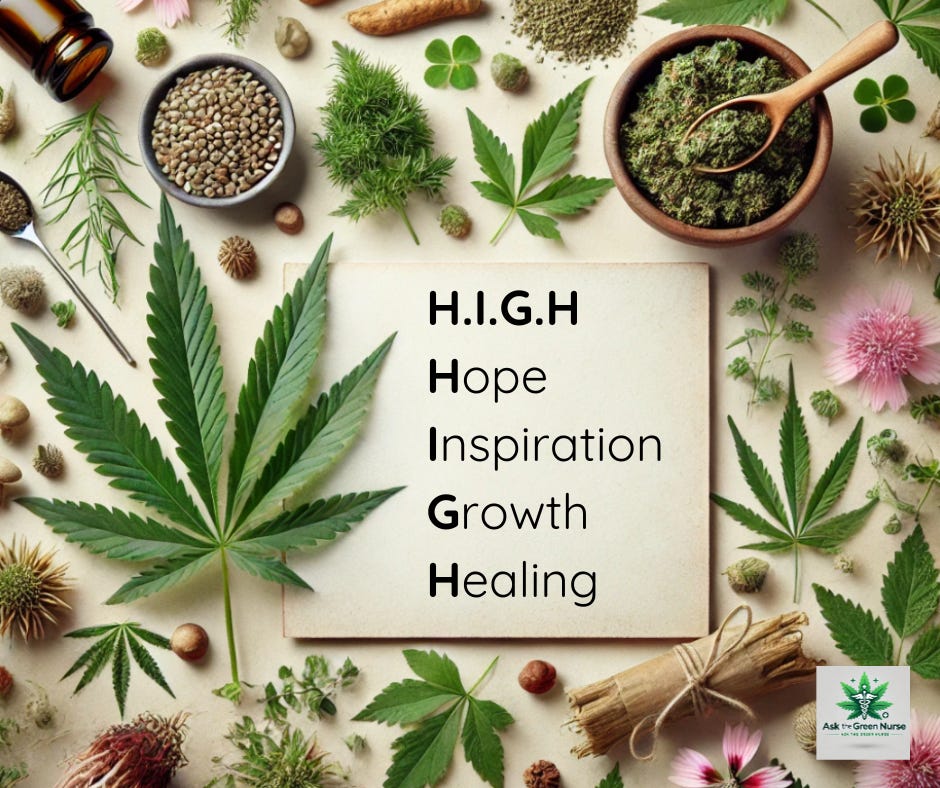
It’s time to reshape the conversation and embrace a more empowering outlook on wellness. For many, the word “high” carries a lingering stigma. But what if we redefined it? In our educational community, HIGH represents:
- Hope
- Inspiration
- Growth
- Healing
Cannabis may not be a magic bullet—but it is a bridge: to better days, improved outcomes, and a more empowered path to health. Let’s explore the top three symptoms and reasons why people are using medical cannabis today—supported by research, clinical evidence, and a growing body of patient-centered care practices.
1. Chronic Pain Management
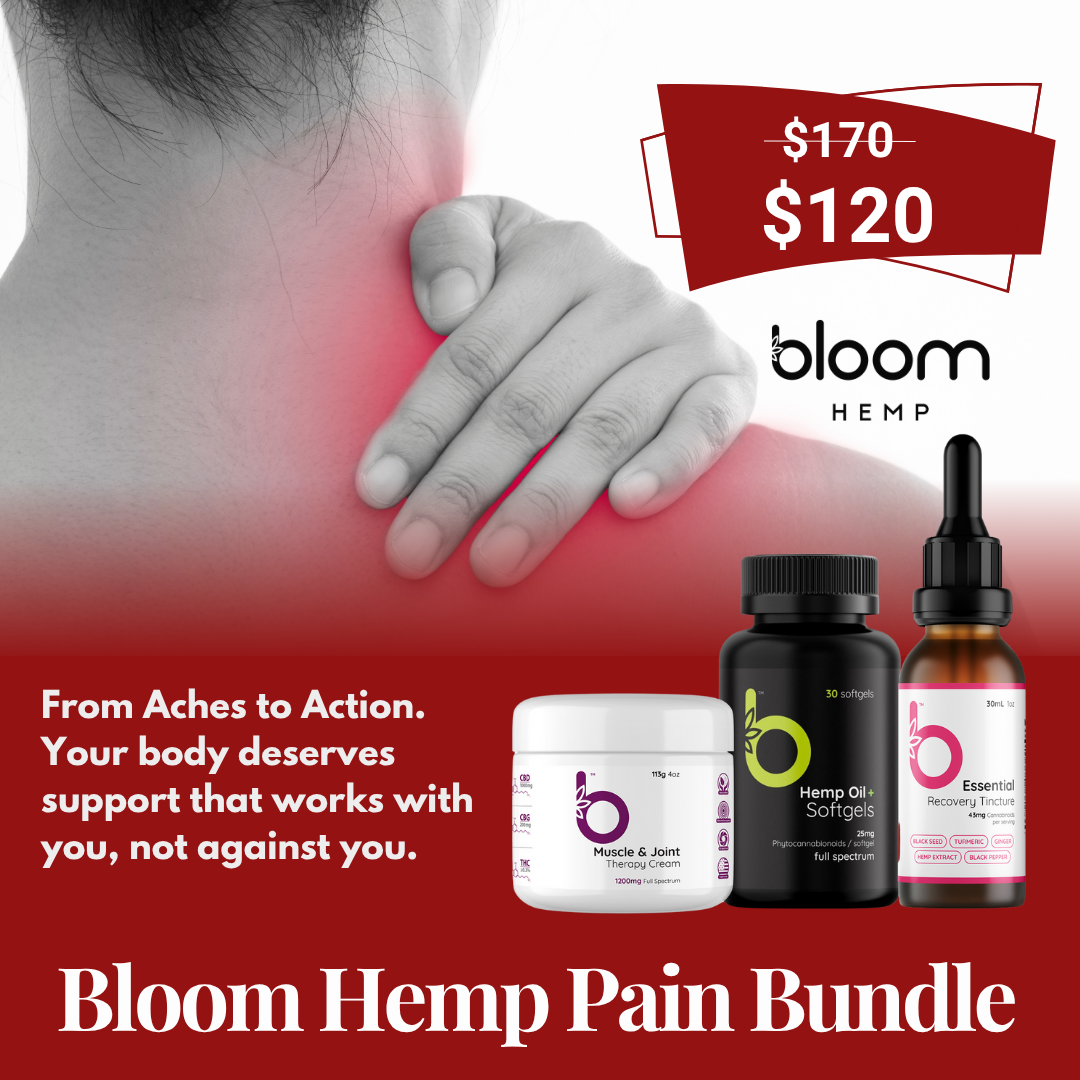
Pain is the leading reason patients turn to medical cannabis. Cannabinoid receptor sites are distributed throughout key pathways involved in pain modulation, including central and peripheral sensory neurons, brain regions responsible for sensory discrimination, pain-regulatory circuits in the brainstem, and areas that influence emotional responses to pain. The body’s own endocannabinoids, such as anandamide (AEA) and 2-arachidonoylglycerol (2-AG), often serve as the first line of defense against pain. They achieve this by activating various receptors—CB1, CB2, TRPs, PPARs, and opioid receptors—to unlock pathways that produce analgesic effects.
Cannabinoid-based treatments, particularly those utilizing tetrahydrocannabinol (THC) and cannabidiol (CBD), have demonstrated effectiveness in managing the eight primary types of pain: chronic, acute, central, peripheral, inflammatory, nociceptive, pathological, and mental-emotional. By interacting with the endocannabinoid system (ECS), cannabinoids help regulate pain perception and reduce inflammation, offering a multifaceted approach to pain relief. (CannaKeys, 2024)
Common Conditions Treated:
- Arthritis & joint pain
- Fibromyalgia
- Neuropathic pain (e.g., diabetic neuropathy, post-chemotherapy neuropathy)
- Migraines & headaches
- Multiple sclerosis (MS) pain and spasticity
Patient Example: Sarah, a 47-year-old yoga instructor living with fibromyalgia, struggled as chronic muscle pain and fatigue made her daily routines feel impossible. She avoided prescribed pharmaceuticals because they disrupted her digestive system and left her feeling deeply unsettled and dysphoric. Seeking relief, she turned to Bloom Hemp’s Full Spectrum Recovery Tincture, a CBD and CBG blend enhanced with black cumin seed, ginger, turmeric, and black pepper. During the day, she microdosed the tincture, and at night, she used a 1:1 THC:CBD gummy from her dispensary. The combination of hemp-derived full-spectrum CBD and dispensary gummies significantly reduced her pain flares. This allowed her to resume gentle movement and enjoy restorative, restful sleep.
Supporting Evidence:
- A systematic review by the National Academies of Sciences, Engineering, and Medicine (2017) concluded that cannabinoids are effective for chronic pain relief, particularly for neuropathic pain.
- Medical cannabis appears to be similarly effective to opioids for managing chronic non-cancer pain, with fewer discontinuations (Jeddi, H.M., 2024).
- A study published in JAMA Internal Medicine (2023) found that medical cannabis use is associated with reduced opioid dependency among chronic pain patients.
2. Anxiety, PTSD & Mental Health Disorders
Anxiety is the second most common reason people seek medical cannabis. Fortunately, the endocannabinoid system plays a key role in regulating both the fight-or-flight response and the relaxation response. While the fight-or-flight response is controlled by the autonomic nervous system and operates beyond our conscious control, the relaxation response is something we can influence—and cannabinoids can help facilitate this process.
CBD-dominant flower strains, low-THC options, and full-spectrum CBD products with trace amounts of THC are gaining popularity for their potential to safely support mental health. Additionally, CBG-dominant products are emerging as valuable tools for reducing anxiety and promoting emotional well-being. These compounds are celebrated for their ability to influence cortisol, serotonin, and the body’s stress response, offering promising benefits for managing stress and enhancing overall mental balance.

Common Conditions Treated:
- Generalized Anxiety Disorder (GAD)
- Post-Traumatic Stress Disorder (PTSD)
- Social Anxiety Disorder
- Depression (in some cases, though high-THC products may exacerbate symptoms)
Patient Example: John, a 54-year-old veteran living with PTSD, faced daily battles with hypervigilance, intrusive thoughts, and depression, which significantly affected his career and personal relationships. In search of relief, he consulted a cannabis nurse who helped him design a personalized plan to manage his symptoms effectively. For daytime support, John began microdosing Bloom Hemp’s Full Spectrum Calming Tincture. This carefully crafted blend of Full Spectrum CBD, CBN, and calming botanicals like lavender, California poppy, hops, and lemon balm helped him stay grounded. To complement this, he used a vaporizer pen with 1:1 THC:CBD oil from his dispensary as needed, offering additional support between microdoses. To address his sleep challenges, John introduced Bloom Hemp Advanced T65 Gummies into his nighttime routine, taking one about an hour before bed. These gummies combine CBD, CBG, CBN, and THC to provide long-lasting relief tailored to promote restful sleep. Since adopting this regimen, John has noticed a dramatic transformation in his life. His focus has sharpened, his sleep quality has significantly improved, and panic attacks have become far less frequent, allowing him to regain control and thrive in his daily life.
Supporting Evidence:
- A 2019 case series published in The Permanente Journal found that cannabidiol (CBD) may reduce anxiety and improve sleep in a majority of patients, supporting its role in stress resilience and mood regulation (Shannon, Lewis, Lee, & Hughes, 2019).
- A 2023 retrospective study of treatment-resistant combat PTSD patients in Frontiers in Psychiatry found that medical cannabis was associated with significant improvements in overall PTSD symptom severity, sleep quality, and hyperarousal symptoms (Nacasch, Avni, & Toren, 2023).
- A 2024 randomized, double-blind, placebo-controlled crossover study co-authored by Ethan B. Russo found that Cannabigerol (CBG) significantly reduced self-reported measures of anxiety, stress, and tension among healthy adults. Participants reported greater calmness and contentment with CBG use, supporting its potential role in mood regulation and anxiolytic therapies (Cuttler, Stueber, Cooper, & Russo, 2024).
3. Sleep Disorders & Insomnia
Cannabis has been used for millennia as a natural sleep aid, but only in recent decades has modern science begun to uncover the physiological mechanisms underlying its sedative effects. Research shows that the endocannabinoid system (ECS), particularly through the endogenous cannabinoid anandamide (AEA), plays a central role in regulating the sleep-wake cycle. Anandamide, an agonist at CB1 receptors, promotes slow-wave and REM sleep while reducing wakefulness (Murillo-Rodríguez et al., 1998). Similarly, the phytocannabinoids THC and CBN—both CB1 agonists—have demonstrated sleep-inducing effects, with preclinical studies suggesting that their combined use may produce more pronounced sedation than either compound alone (Kesner & Lovinger, 2020).
Beyond the Endocannabinoid System (ECS), components of the broader endocannabinoidome (eCBome), including serotonin, dopamine, GABA, and adrenergic receptors, also interact with cannabinoids and terpenes to influence sleep and mood (Di Marzo, 2018). CBD, while not directly sedating, modulates these systems through its anxiolytic and homeostatic effects, helping to ease the nervous system into rest by reducing cortisol levels, promoting calm and the relaxation response (Shannon et al., 2019).
Tools like the CannaKeys platform now aggregate hundreds of relevant studies—including numerous clinical trials—demonstrating the impact of cannabinoids on sleep disorders, insomnia, and circadian regulation, giving clinicians valuable data to support cannabis-based interventions in patient care (CannaKeys, 2024).
Common Sleep Conditions Treated:
- Insomnia
- PTSD-related sleep disturbances
- Sleep apnea
- Restless Leg Syndrome (RLS)
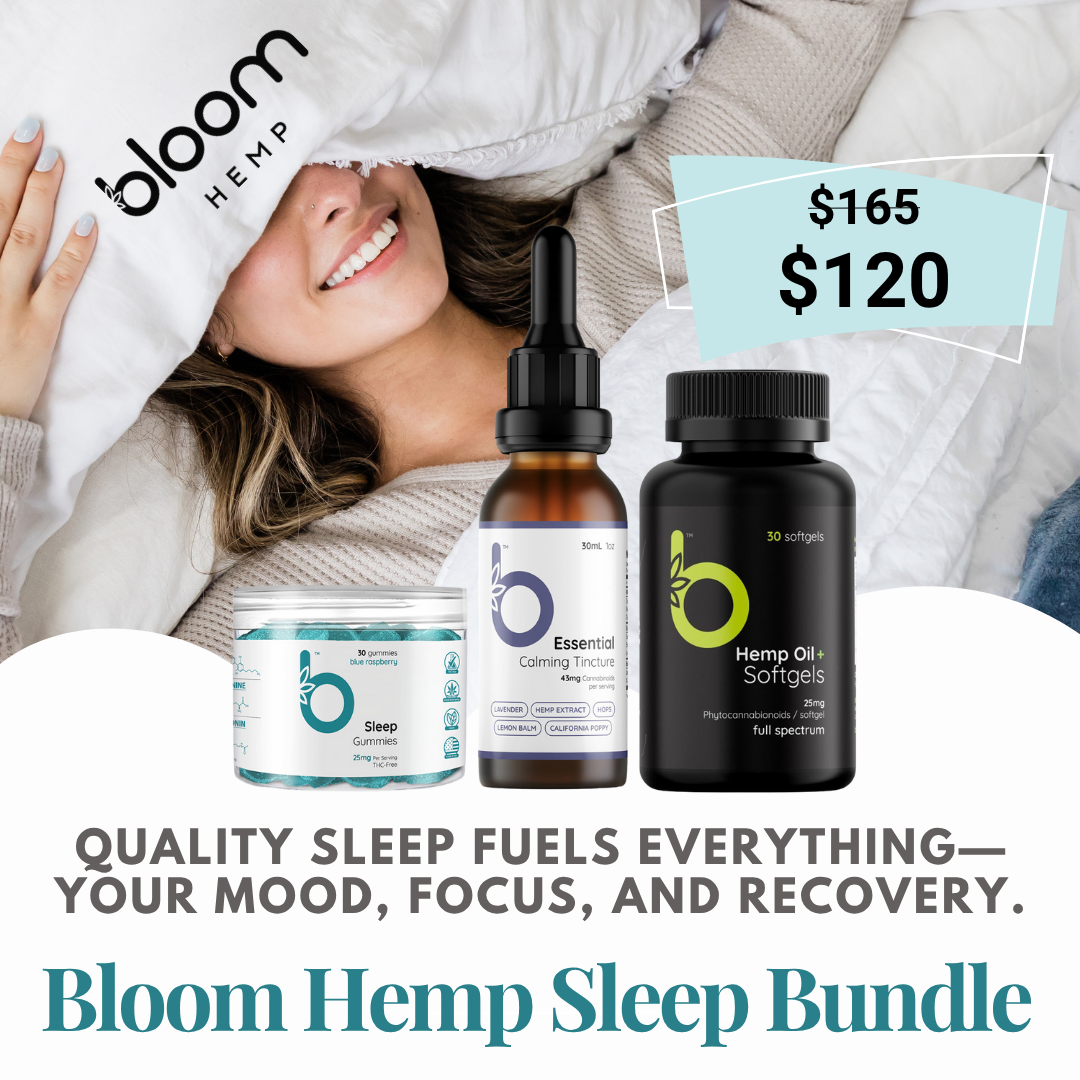
Patient Example: Maria, 52, a breast cancer survivor, struggled with insomnia after treatment, waking multiple times each night and feeling unrested in the morning. Her cannabis health coach suggested the Bloom Hemp Sleep Bundle, which combines a Full Spectrum CBD Softgel (25mg CBD with trace THC and minor cannabinoids) after dinner, the Calming Tincture (a blend of 1200mgs full spectrum CBD, 100mg CBN, with trace THC and botanicals like lavender, lemon balm, hops, and California poppy) in the evening and at bedtime, and a Sleep Gummy about an hour before bed containing 25mg CBD, 50mg L-theanine, 10mg passionflower, and 3mg melatonin. Within two weeks, Maria was falling asleep more easily, staying asleep longer, and waking up refreshed—no longer relying on over-the-counter sleep aids. She now enjoys deep, restorative sleep and starts each day with renewed energy.
Supporting Evidence:
- CBD alone or in combination with equal quantities of THC may help alleviate symptoms of insomnia (Ranum, R.M., 2023).
- THC + CBN has greater sleep-inducing effects than THC or CBN alone in animal models. THC can reduce sleep latency but may cause anxiety, morning drowsiness, or suppress dreaming at higher doses (Nicolson et al., 2004).
- Cannabinoid supplements significantly improved sleep quality, sleep efficiency, insomnia symptoms, and health-related quality of life in adults with subthreshold insomnia (Hausenblas, H., 2025).
The foundation of a restful night’s sleep lies in falling asleep effortlessly, staying asleep throughout the night, and waking up feeling refreshed and energized to live your best life. Check out Nurse Sherri’s Ask The Green Nurse Substack on Optimizing Sleep Naturally.
Plant Medicine as Personalized Medicine
What makes cannabis unique isn’t just its diverse therapeutic potential—it’s the way it honors the individuality of each patient. Unlike many conventional treatments, cannabis offers a level of personalization that sets it apart. From dosing methods like oils, edibles, or inhalation to the precise cannabinoid ratios of THC and CBD, medical cannabis can be tailored to address specific symptoms, conditions, and personal preferences. This flexibility ensures that patients can achieve relief in a way that works best for their unique needs. This is where cannabis nursing plays a crucial role, guiding patients through the complexities of medical cannabis to find the ideal treatment plan for their health journey.
The Role of Cannabis Nurses in Patient Education and Care
Cannabis nurses play an essential role in helping patients navigate the often-complex landscape of medical cannabis. The American Nurses Association’s newly released Scope and Standards of Practice for Cannabis Nursing outlines their key responsibilities, which include educating patients about the endocannabinoid system (ECS), advocating for the safe and effective use of cannabinoids, and promoting overall wellness through integrative lifestyle medicine. Acting as a bridge between patients and healthcare providers, cannabis nurses ensure that cannabis products are used responsibly, effectively, and with informed care.
Organizations such as Holistic Caring & The Green Nurse and Bloom Hemp CBD are leading the way in integrative cannabis care. Through private coaching, online educational programs, and telehealth services, they address not only symptoms but also the root causes of imbalances affecting body, mind, and spirit.
Final Thoughts
Emerging research continues to underscore the potential of medical cannabis and hemp-derived CBD as alternative treatments for conditions like chronic pain, anxiety, sleep disorders, nausea, and neurological disorders. Cannabis works so well for so many different patient populations and conditions because it affects the body and the mind in such a way as to support and fortify the body’s capacity for self-healing and resilience by promoting the relaxation response through modulation of the endocannabinoid system. Cannabis nurses and holistic health practitioners are critical in guiding patients through its safe and effective use, offering personalized care tailored to their unique needs.
Explore the Green Nurse YouTube Channel and tune in to “The Green Nurse Podcast: Living Your Best Life.” Discover compelling patient and provider stories of hope, inspiration, growth, and healing, all showcasing the transformative power of cannabis and hemp.
With You on the Journey,
Ask The Green Nurse with Sherri Mack BSN, RN & Elisabeth Mack MBA, BSN, RN
Ask The Green Nurse content on the Cannigma is brought to you by Holistic Caring & The Green Nurse and Bloom Hemp CBD.
- Holistic Caring & The Green Nurse – Comprehensive cannabis education for patients and healthcare providers, including CEUs for nurses, along with expert coaching and consulting services.
- Bloom Hemp CBD – Experience Doctor and Nurse-formulated Organic Hemp CBD, crafted with Ayurvedic inspiration and designed to target specific symptoms. Benefit from free access to a nurse hotline and personalized care plans, thoughtfully provided by expert cannabis nurses. Shop today, use promo code GREENURSE for 10% savings and free shipping.
References
- CannaKeys. (2024). Mind-body medicine cannabinoid research.
- CannaKeys. (2024). THC and CBD for pain: Cannabinoid science and clinical evidence.
- Cuttler, C., Stueber, A. M. E., Cooper, Z. D., & Russo, E. B. (2024). Acute effects of cannabigerol on anxiety, stress, and mood: A double‑blind, placebo‑controlled, crossover field trial. Scientific Reports, 14, 16163.
- Di Marzo, V. (2018). New approaches and challenges to targeting the endocannabinoid system. Nature Reviews Drug Discovery, 17(9), 623–639.
- Hausenblas, H. A., Hooper, S. R., & Lynch, T. A. (2025). Effectiveness of a cannabinoids supplement on sleep and mood in adults with subthreshold insomnia: A randomized double‑blind placebo‑controlled crossover pilot trial. Health Science Reports, 8(2), e70481.
- Jeddi, H. M., Busse, J. W., Sadeghirad, B., Levine, M., Zoratti, M. J., Wang, L., Noori, A., Couban, R. J., & Tarride, J.-E. (2024). Cannabis for medical use versus opioids for chronic non-cancer pain: A systematic review and network meta-analysis of randomised clinical trials. BMJ Open, 14(1), e068182.
- Kesner, A. J., & Lovinger, D. M. (2020). Cannabinoids, endocannabinoids and sleep. Frontiers in Molecular Neuroscience, 13, Article 125.
- Li, J., Kim, J., Lerner, A., Bohnert, A. S. B., Ilgen, M. A., & Watson, D. (2023). Association between receipt of medical cannabis for chronic pain and subsequent prescription opioid use. JAMA Network Open, 6(1), e2252649.
- Nacasch, N., Avni, C., & Toren, P. (2023). Medical cannabis for treatment‑resistant combat PTSD: A retrospective naturalistic study. Frontiers in Psychiatry, 13, 1014630.
- Nicholson, A. N., Turner, C., Stone, B. M., & Robson, P. J. (2004). Effect of Δ9-tetrahydrocannabinol and cannabidiol on nocturnal sleep and early-morning behavior in young adults. Journal of Clinical Psychopharmacology, 24(3), 305–313.
- National Academies of Sciences, Engineering, and Medicine. (2017). The health effects of cannabis and cannabinoids: The current state of evidence and recommendations for research. The National Academies Press.
- Murillo-Rodríguez, E., Millán-Aldaco, D., Palomero-Rivero, M., Mechoulam, R., & Drucker-Colín, R. (1998). The nonpsychoactive cannabis constituent cannabidiol is a wake-inducing agent. The FASEB Journal, 12(15), 1601–1607.
- Ranum, R. M., & Bon-Miller, M. O. (2023). Use of cannabidiol (CBD) for insomnia: A systematic review. Cannabis and Cannabinoid Research, 8(1), 1–13.
- Shannon, S., Lewis, N., Lee, H., & Hughes, S. (2019). Cannabidiol in anxiety and sleep: A large case series. The Permanente Journal, 23, 18–041.
- The Green Nurse. (2024, March 12). Optimizing sleep naturally: A cannabis nurse’s guide to rest and recovery. Substack.


Sign up for bi-weekly updates, packed full of cannabis education, recipes, and tips. Your inbox will love it.