

 Merch
Merch Medical card
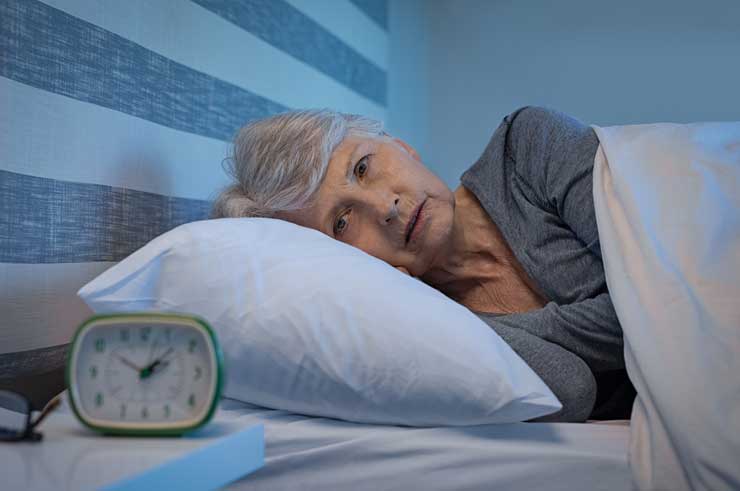
Sleep is one of the most essential pillars of health, yet so many of us struggle to get the rest we need. Whether it’s difficulty falling asleep, staying asleep, or waking up feeling groggy, sleep challenges can take a toll on our physical and mental well-being. While medications and sleep aids are often the first solutions people turn to, the foundation of restorative sleep lies in optimizing natural habits. Before reaching for supplements or cannabinoids like THC and CBD, it’s important to focus on sleep hygiene—the simple, science-backed practices that can transform your nights and, ultimately, your days.
In this blog, we’ll explore how to create a strong foundation for sleep through better habits, the role of cannabinoids in supporting rest, and how supplements can complement a holistic approach to sleep wellness.

The Foundation of Restful Sleep: Mastering Sleep Hygiene
The first step to better sleep is establishing a consistent routine. Our bodies thrive on regularity, and maintaining a set sleep schedule helps regulate the internal clock, or circadian rhythm, that governs when we feel awake and when we feel sleepy (American Academy of Sleep Medicine, 2021). Going to bed and waking up at the same time every day—even on weekends—can make a significant difference in sleep quality. While the occasional nap might seem harmless, it’s best to avoid them, especially in the late afternoon, as they can interfere with nighttime rest (National Institutes of Health, 2022).
Morning sunlight is another powerful tool for improving sleep. Exposure to natural light within an hour of waking helps synchronize your body’s internal clock with the natural day-night cycle. This process, regulated by the brain’s suprachiasmatic nucleus (SCN), ensures that melatonin production is suppressed during the day and increases in the evening, making it easier to fall asleep at night (Figueiro & Rea, 2010; Pandi-Perumal et al., 2005). Sunlight also boosts serotonin levels, which not only improves mood but also supports a healthy sleep cycle (Babson, Sottile, & Morabito, 2017). Spending just 15–30 minutes outdoors in the morning, without sunglasses, can have a profound impact on your sleep quality. Pairing this with light movement, like a morning walk, can further enhance the benefits (Harvard Medical School, 2024).
As the day winds down, creating a relaxing evening routine can help signal to your body that it’s time to transition from wakefulness to sleep. Activities like deep breathing, meditation, or visualization can calm the mind, while a warm bath or shower about 90 minutes before bed can trigger sleepiness as your body cools afterward. Limiting screen time in the evening is also crucial, as the blue light emitted by devices can suppress melatonin production and delay sleep onset (Chang et al., 2015).
Your sleep environment plays a significant role as well. A cool, dark, and quiet bedroom is ideal for restful sleep (American Sleep Association, 2021). Blackout curtains, white noise machines, or earplugs can help eliminate distractions, while removing electronics from the bedroom ensures that your space is reserved for rest and relaxation. By prioritizing these habits, you can create a strong foundation for better sleep.
When Sleep Hygiene Isn’t Enough: The Role of Cannabinoids and Supplements
Although essential, good sleep hygiene alone may not resolve persistent sleep issues. Individuals struggling with chronic insomnia, illness, anxiety, or disrupted circadian rhythms might find additional relief from cannabinoids and natural supplements such as melatonin and valerian root. Nevertheless, these should be considered supplementary aids, not primary treatments (Babson et al., 2017).
For millennia, cannabis has been a natural aid for sleep. Modern science now illuminates the physiological mechanisms behind this ancient wisdom. The endocannabinoid anandamide (AEA), a naturally occurring compound, directly influences deeper slow-wave and REM sleep while reducing wakefulness (E. Murillo-Rodríguez et al., 1998). Remarkably, the phytocannabinoids THC and CBN interact with the same receptor sites, mirroring AEA’s sleep-promoting effects.
When considering these powerful plant compounds, animal studies suggest that the combined effect of THC + CBN offers superior sleep induction compared to THC alone, and significantly more than CBN by itself.
Beyond the endocannabinoid system (ECS) itself, other vital components of the endocannabinoidome (eCBome)—including serotonin, dopamine, GABA, and adrenergic receptors—also respond positively to endocannabinoids, phytocannabinoids, and terpenes. This synergistic interplay is crucial for inducing and regulating both mood and sleep, highlighting the holistic potential of cannabis in achieving deeper rest (Cannakeys).
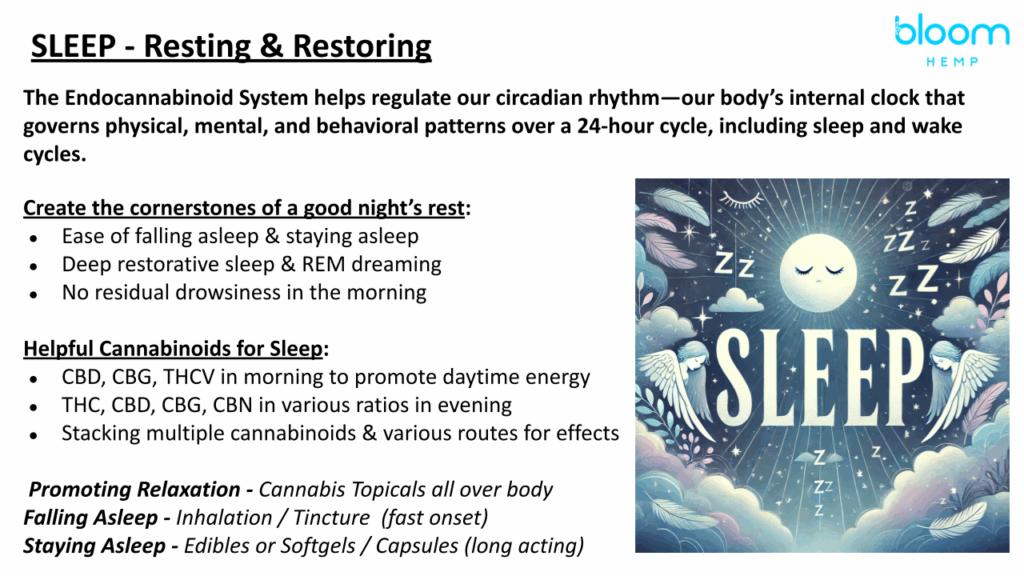
The impact of individual phytocannabinoids is determined by their dosage, and an imbalance can lead to undesirable outcomes. The optimal approach for each patient often hinges on the precise ratio of CBD, THC, and CBN, alongside other terpenes like myrcene, linalool, limonene and even beta-caryophyllene. The aim is to establish the core elements of restorative sleep:
- Effortless onset of sleep: Initiating sleep with ease.
- Profound sleep depth: Achieving deep, rejuvenating sleep.
- Beneficial dreaming: Experiencing dreams without the disturbance of nightmares.
- Sustained sleep: Maintaining sleep throughout the night.
- Morning alertness: Waking without lingering drowsiness.
Discovering the ideal cannabis chemotype or cannabinoid product combination for insomnia—and achieving optimal sleep synergy—often involves extensive experimentation due to highly individualized needs. Engaging with a qualified cannabis clinician or plant medicine nurse such as Holistic Caring & The Green Nurse can significantly refine this process, leading to more effective and predictable results.
What about CBD for sleep?
CBD, or cannabidiol, has gained significant attention for its potential to improve sleep. Unlike THC, which binds directly to cannabinoid receptors in the brain, CBD works indirectly by modulating the endocannabinoid system (ECS) and directly with the endocannabinoidome which is the larger environment that interacts with the endocannabinoid system and the other neurotransmitter signaling systems. The endocannabinoids system plays a critical role in regulating sleep, mood, and pain. By reducing anxiety and promoting relaxation, CBD can help create the conditions needed for restful sleep (Babson et al., 2017).


The effectiveness of CBD, however, depends on several factors, including dosage, the presence of other cannabinoids, and individual responses. Research shows that CBD follows a biphasic dose-response pattern, meaning that low doses may be stimulating, while higher doses tend to have sedative effects. For those new to CBD, starting with a low dose—around 10–25 mg—and gradually increasing while monitoring effects is a good approach. Full-spectrum CBD products, which contain trace amounts of THC and other cannabinoids, may offer enhanced benefits through the entourage effect, where the compounds work synergistically to improve sleep (Babson et al., 2017).
It’s also worth noting that CBD can interact with other sleep aids, such as melatonin or valerian root. While these combinations can enhance drowsiness, they may also lead to over-sedation or alter how the body metabolizes these substances (Zanger & Schwab, 2013). Consulting a healthcare professional before combining supplements is always recommended.
CBD and Melatonin: A Dynamic Duo for Sleep
Melatonin, a hormone that regulates the sleep-wake cycle, is another popular supplement for improving sleep. When combined with CBD, the two can address sleep challenges through different mechanisms. While melatonin signals to the body that it’s time to sleep, CBD reduces anxiety, alleviates pain, and combats stress-related sleep disturbances. Together, they can help users fall asleep faster, stay asleep longer, and wake up feeling more refreshed.
This combination, however, isn’t a universal remedy. Some individuals might encounter excessive drowsiness or morning grogginess. Therefore, it’s crucial to start with minimal doses and modify as necessary. Bloom Hemp Sleep Gummies, for instance, provide a balanced approach to sleep assistance. These THC-free CBD gummies incorporate melatonin alongside botanicals such as L-theanine and passionflower. Such formulations are crafted to foster relaxation without the concern of THC-associated side effects, presenting an excellent alternative for those pursuing natural sleep remedies. With a low melatonin dosage of 3mg per gummy, patients using these gummies have reported no issues with morning grogginess. Additionally, their portability makes them ideal for individuals who experience sleep disruptions while traveling for business or pleasure.
For enhanced sleep support, the Bloom Hemp Sleep Bundle is an excellent choice. It features THC-Free Sleep Gummies, Full Spectrum Hemp Softgels, and a Full Spectrum Calming Tincture. This synergistic combination promotes mind-body harmony throughout the day, easing you into a relaxed state ideal for a serene evening with the tincture and gummies. Read more about the sleep bundle and how to dose initially on the Bloom Blog.

Conclusion: Focus on the Basics First
While cannabinoids like CBD and other supplements can be valuable tools for improving sleep, the foundation of lasting rest lies in prioritizing good sleep hygiene and healthy lifestyle habits. Supplements should serve as occasional aids, not substitutes, for a well-rounded approach to sleep wellness (National Sleep Foundation, 2020).
For those interested in exploring cannabinoids for sleep, full-spectrum CBD products that combine cannabinoids like CBD, CBN, and a little bit of THC with soothing terpenes can offer a comprehensive solution. Starting with a low dose and consulting a cannabinoid healthcare professional or cannabis nurse can help ensure the best results. At the end of the day, the goal is to create a sustainable routine that supports deep, restorative sleep—naturally.
With you on the journey,
Ask The Green Nurse with Sherri Mack BSN, RN & Elisabeth Mack MBA, BSN, RN
Ask The Green Nurse content on the Cannigma is brought to you by Holistic Caring & The Green Nurse and Bloom Hemp CBD.
- Holistic Caring & The Green Nurse – Comprehensive cannabis education for patients and healthcare providers, including CEUs for nurses, along with expert coaching and consulting services.
- Join The Green Nurses in their Free Holistic Caring Network to access continuous learning and meaningful connections with other patients and providers who are learning about the most misunderstood plant in the word. Enjoy a monthly plant medicine support group, a free introduction to cannabis program, and the ABCs of CBD program—all at no cost.
- Bloom Hemp CBD – Experience Doctor and Nurse-formulated Organic Hemp CBD, crafted with Ayurvedic inspiration and designed to target specific symptoms. Benefit from free access to a nurse hotline at 970-404- HOPE (4773) and personalized care plans, thoughtfully provided by expert cannabis nurses. Shop today, use promo code GREENURSE for 10% savings and free shipping.

References
- American Academy of Sleep Medicine. (2021). Healthy sleep habits.
- American Sleep Association. (2021). How to improve sleep hygiene.
- Babson, K. A., Sottile, J., & Morabito, D. (2017). Cannabis, cannabinoids, and sleep: A review of the literature. Current Psychiatry Reports, 19(4), 23.
- CannaKeys. Insomnia and sleep disorders – Cannabis THC:CBD ratios. CannaKeys.
- Centers for Disease Control and Prevention. (2021). Sleep and sleep disorders.
- Chang, A.-M., Aeschbach, D., Duffy, J. F., & Czeisler, C. A. (2015). Evening use of light‐emitting eReaders negatively affects sleep, circadian timing, and next-morning alertness. Proceedings of the National Academy of Sciences of the United States of America, 112(4), 1232–1237.
- Figueiro, M. G., & Rea, M. S. (2010). Lack of short-wavelength light during the school day delays dim light melatonin onset (DLMO) in middle school students. Neuro Endocrinology Letters, 31(1), 92–96.
- Harvard Medical School. (2024). Healthy sleep.
- Murillo-Rodríguez, E., Sánchez-Alavez, M., Navarro, L., Martínez-González, D., Drucker-Colín, R., & Prospéro-García, O. (1998). Anandamide modulates sleep and memory in rats. Brain Research, 812(1–2), 270–274.
- National Institutes of Health. (2022). Your guide to healthy sleep.
- National Sleep Foundation. (2020). Sleep guidelines and help. Retrieved from
- Pandi-Perumal, S. R., Zisapel, N., Srinivasan, V., & Cardinali, D. P. (2005). Melatonin and sleep in an aging population. Experimental Gerontology, 40(12), 911–925.
- Shannon, S., Lewis, N., Lee, H., & Hughes, S. (2019). Cannabidiol in anxiety and sleep: A large case series. The Permanente Journal, 23, 18-041.
- Zanger, U. M., & Schwab, M. (2013). Cytochrome P450 enzymes in drug metabolism: Regulation of gene expression, enzyme activities, and impact of genetic variation. Pharmacology & Therapeutics, 138(1), 103–141.


Sign up for bi-weekly updates, packed full of cannabis education, recipes, and tips. Your inbox will love it.