

 Merch
Merch Medical card
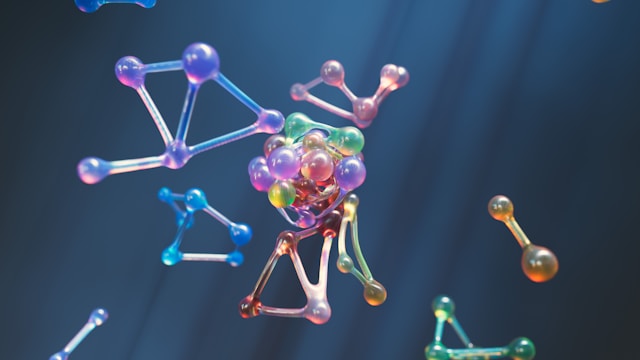
When critics argue that “marijuana is everywhere” and call it a problem, they’re missing something profound: cannabis research revealed that we’ve always had an everywhere system—one that evolved over 500 million years ago, long before humans even existed, let alone cultivated the plant. The discovery of the endocannabinoid system represents one of the most significant findings in modern physiology, and understanding the endocannabinoid system transforms how we view cannabis from recreational intoxicant to therapeutic tool.
Discovering the Endocannabinoid System: A Scientific Breakthrough
The story begins with reverse engineering. In 1964, Israeli scientist Raphael Mechoulam isolated THC and identified its chemical structure. But identifying a compound didn’t explain how it worked. It took until 1988 for researchers to discover the first cannabinoid receptor, CB1, followed by the CB2 receptor in 1993. Then came the stunning realization: if our bodies have receptors specifically designed to interact with plant cannabinoids, we must produce our own cannabis-like compounds.

That hunch proved correct. Scientists soon identified anandamide (named after the Sanskrit word for “bliss”) and 2-AG, the body’s own endocannabinoids. What emerged was the endocannabinoid system (ECS)—a vast regulatory network found in virtually every tissue and organ system, maintaining balance through what scientists call homeostasis.
What the Endocannabinoid System Does: Functions and Benefits
Think of the ECS as your body’s master regulator, constantly fine-tuning countless processes to keep everything running smoothly. The endocannabinoid system influences:
- Pain perception and inflammatory responses
- Mood, stress response, and emotional processing
- Sleep-wake cycles and circadian rhythms
- Appetite, metabolism, and digestive function
- Memory formation and neuroplasticity
- Immune system modulation
The ECS works through a feedback mechanism: when something’s out of balance, your body synthesizes endocannabinoids on demand, they bind to CB1 or CB2 receptors, trigger a response, and then enzymes break them down. It’s elegant, efficient, and essential.
When the System Falters: Clinical Endocannabinoid Deficiency
But what happens when this system doesn’t function properly? Dr. Ethan Russo proposed the theory of Clinical Endocannabinoid Deficiency (CED), suggesting that some treatment-resistant conditions might stem from ECS dysfunction. Studies have found measurably lower anandamide levels in people with migraines, fibromyalgia, irritable bowel syndrome, PTSD, and multiple sclerosis.
This framework helps explain why these conditions often cluster together in the same patients and why they sometimes respond to cannabinoid therapy when other treatments fail. If the underlying problem is insufficient endocannabinoid tone, supplementing with plant cannabinoids makes physiological sense.
How THC and CBD Support the Endocannabinoid System
Here’s where cannabis gets interesting. Different cannabinoids interact with the ECS in distinctly different ways.
THC as a Direct Activator
THC works as a direct agonist, binding to CB1 receptors much like your body’s own anandamide—only stronger and longer-lasting. This explains both its therapeutic effects and its psychoactivity. Research shows that CB1 activation can reduce pain signaling and modulate inflammatory responses throughout the nervous system.
CBD’s Subtle Strategy
CBD takes a different approach. Rather than binding directly to receptors, it works as an allosteric modulator and reuptake inhibitor, preventing the breakdown of your natural endocannabinoids and allowing them to work longer and more effectively. It’s like turning up the volume on your body’s own signaling without introducing a foreign message.
The Entourage Effect
Cannabis doesn’t work through cannabinoids alone. Research on the entourage effect shows that terpenes—the aromatic compounds in cannabis—interact synergistically with cannabinoids to enhance therapeutic effects. Myrcene may increase cannabinoid absorption, while linalool and limonene appear to modulate receptor activity. This is why whole-plant medicine often produces different results than isolated compounds.
Neuroprotection and Beyond
One of the ECS’s most compelling therapeutic applications involves neuroprotection. Recent research demonstrates that cannabinoids offer multilayered protection against neurodegenerative disorders by reducing neuroinflammation, combating oxidative stress, and protecting against excitotoxicity.
The anti-inflammatory properties of cannabis work through both CB1 and CB2 receptors, with CB2 showing particular promise. Unlike CB1, which is concentrated in the brain, CB2 receptors are found primarily in immune cells. This means CB2-targeted therapies might provide inflammatory relief without psychoactive effects—an important consideration for many patients.

How to Support Your Endocannabinoid System Naturally
Cannabis isn’t the only way to support ECS function. Your lifestyle choices matter too. Omega-3 fatty acids from fish, flax, and hemp seeds are essential for maintaining CB1 receptor function and optimal endocannabinoid production. Regular exercise triggers endocannabinoid release—that “runner’s high” is partly anandamide at work. Stress management techniques like meditation and adequate sleep also support healthy ECS tone.
The Bigger Picture
When someone says cannabis is everywhere and frames that as a problem, they’re overlooking a fundamental truth: the endocannabinoid system was always everywhere. It’s woven into our physiology at the most basic level, regulating processes essential to health and survival. Cannabis didn’t create a dependency—it revealed an existing biological system that sometimes needs support.
Understanding the ECS transforms the conversation from “why are people using cannabis?” to “why do some people’s endocannabinoid systems need additional support?” That’s not a problem with cannabis medicine—it’s evidence of a sophisticated therapeutic relationship between plant and human that’s been evolving for thousands of years. The discovery of this system doesn’t just validate cannabis as medicine; it opens entirely new avenues for understanding and treating conditions that have long resisted conventional approaches.


Sign up for bi-weekly updates, packed full of cannabis education, recipes, and tips. Your inbox will love it.