

 Merch
Merch Medical card
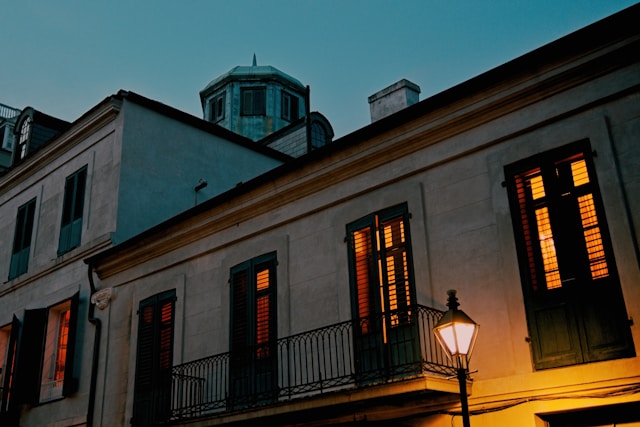
New Orleans has always been a city where ordinary rules bend. Masks hide identities during Mardi Gras, secret societies parade through streets, and the spirit world feels unusually close. But there’s another thread woven through the Crescent City’s history: its role as one of America’s earliest cannabis capitals, where jazz musicians embraced “muggles” decades before the rest of the country.
The Mystick Origins of Mardi Gras
Mardi Gras traces its roots from medieval European Carnival through French colonial Louisiana to modern New Orleans. The celebration arrived in the early 1700s, but the Mistick Krewe of Comus in 1857 transformed street revelry into organized pageantry with masked riders, king cake rituals, and tableau floats presenting mythological scenes. This atmosphere of sanctioned transgression, where normal social hierarchies dissolved for a season, created space for other forms of boundary-crossing.

Jazz, Docks, and “Muggleheads”
While Mardi Gras evolved, New Orleans was quietly becoming the unsung mother of American cannabis culture. The city’s Gulf port position connected it to Mexican, Caribbean, and West Indian shipping routes, and by the 1920s, cannabis smoking had taken root among musicians, dockworkers, and nightlife regulars.
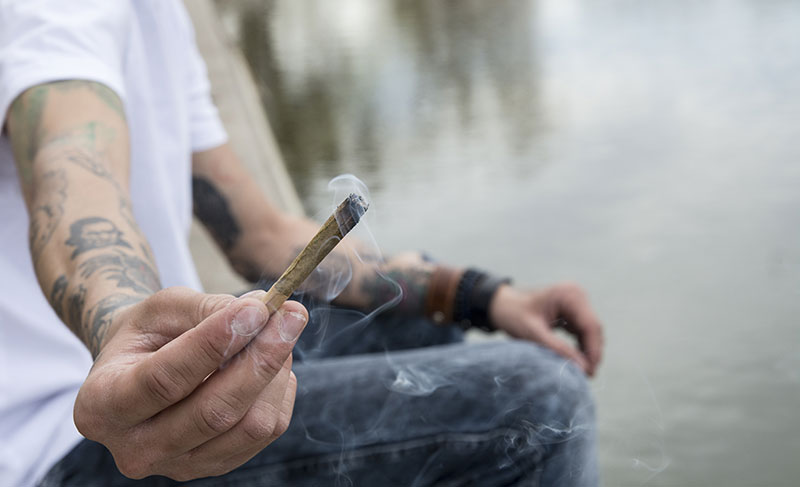
The jazz scene became the first American subculture strongly identified with cannabis. In Storyville clubs and French Quarter backrooms, musicians used what they called “muggles” or “reefer” during improvisational sets. The term “muggleheads” became local slang for users, and the plant was seen as enhancing sensitivity to rhythm and facilitating spontaneous collaboration.
Police launched “muggles drives” in the late 1920s, raiding cafes where cannabis changed hands. Newspapers sensationalized the “marijuana menace” as corrupting youth. Yet the informal party culture proved resilient, persisting in the same underground spaces where Mardi Gras house parties and secondary parades thrived.
Voodoo, Hoodoo, and the Enchanted City
New Orleans’ mystical reputation runs deeper than Mardi Gras pageantry. Louisiana Voodoo emerged from West African spiritual traditions that enslaved people brought to Haiti and Louisiana, blending with Catholicism to create practices centered on lwas (spirits), ancestor reverence, and ritual healing. Ceremonies at Congo Square and St. John’s Eve rites contributed to the city’s “enchanted” atmosphere.
Voodoo formed among enslaved Africans as community healing and spiritual protection, not sensationalized “dark magic.” What matters for cannabis culture is this: New Orleans has long normalized altered states of consciousness as paths to insight and connection. Whether through Voodoo possession, jazz improvisation, Carnival masking, or cannabis use, the city created cultural space for experiences beyond everyday reality—not as transgression, but as tradition.
Contemporary Mardi Gras Meets Modern Cannabis Culture
Louisiana’s current cannabis laws remain restrictive, yet Mardi Gras and marijuana continue their cultural dance through balcony sessions, private parties, and underground scenes where cannabis coexists with music and night-long parades.
Modern cannabis marketing has embraced Mardi Gras themes with purple, green, and gold packaging, “Carnival Kush”-style strain names, and festive edibles marketed for Mardi Gras parties. These are branding overlays—products made elsewhere borrowing New Orleans’ aesthetic—rather than anything rooted in the city’s actual cannabis history.
Where Rules Loosen
What connects these threads—Mardi Gras masks, jazz-age muggleheads, Voodoo altars, and contemporary cannabis culture—is New Orleans’ persistent identity as a space where boundaries dissolve. Krewes function as secret societies, the spirit world stays close through Voodoo traditions, and cannabis has historically helped some people cross thresholds into music, joy, and altered perception.
Understanding this history challenges simplistic narratives about cannabis culture. New Orleans’ early embrace wasn’t rebellion for its own sake—it emerged organically from the city’s position as a port, its unique cultural mixing, and its comfort with altered states of consciousness, whether through Voodoo possession, Carnival masking, or jazz improvisation.
New Orleans has always understood that transformation requires ritual, that community needs release, and that sometimes the most profound experiences happen when ordinary rules loosen. From the first masked parade to the first muggleheads sharing reefer in a Storyville backroom, the city has offered permission to step outside the everyday—not as transgression, but as tradition.


Sign up for bi-weekly updates, packed full of cannabis education, recipes, and tips. Your inbox will love it.