
 Merch
Merch Medical card
A cancer diagnosis is one of life’s most profound challenges, and the journey through treatment can be equally demanding. While treatments like chemotherapy, radiation, surgery, and targeted therapies have the power to extend or even save lives, they often come with significant physical and emotional burdens.
In the midst of these hardships, an ancient remedy is finding renewed relevance in integrative oncology: cannabis. Once primarily known for its palliative benefits, cannabis—and hemp-derived CBD—are now being recognized for their potential anti-cancer properties. These plant-based medicines are becoming invaluable allies for patients navigating the complexities of cancer care.

In this blog, we will explore the science behind cannabis in oncology, uncovering its mechanisms of action, patient success stories, optimal dosing strategies, and groundbreaking research. We’ll include insights from Cannakeys and findings from the largest cannabis meta-analysis to date. Discover how these natural medicines are revolutionizing cancer care and offering hope to patients around the world.
Why Cannabis Works: The Endocannabinoid System (ECS)
Cannabis isn’t a universal cure-all. Instead, it interacts with the endocannabinoid system (ECS), a crucial regulatory network within the body. The Endocannabinoid System is the body’s largest neuroregulatory network, responsible for regulating all 11 organ systems, the immune system, and neurotransmitter signaling. It plays a vital role in sending messages that instruct the body to take action or refrain, sensing what is needed in the body with the ultimate goal of maintaining balance across all bodily systems. The Endocannabinoid System regulates key functions such as mood, memory, energy levels, appetite, inflammation, pain management, immunity, sleep, and even cell repair. (Zou & Kumar, 2018).
Stress, illness, and aging can destabilize the intricate balance of the endocannabinoid system (ECS), a crucial regulatory network that supports the body’s overall wellbeing. Phytocannabinoids like THC and CBD from the cannabis and hemp plant can help restore this balance by mimicking the function of the body’s natural endocannabinoids. Remarkably, during periods of illness, the body may produce additional receptors, actively seeking its own endogenous endocannabinoids to promote healing and to re-establish equilibrium or balance among all systems. McPartland et al. (2014) describe this as “Clinical Endocannabinoid Deficiency,” and cannabis and hemp supplements may be nature’s way of correcting it.
Cannabinoids & Cancer: What Science Reveals About the Anti-Cancer Properties
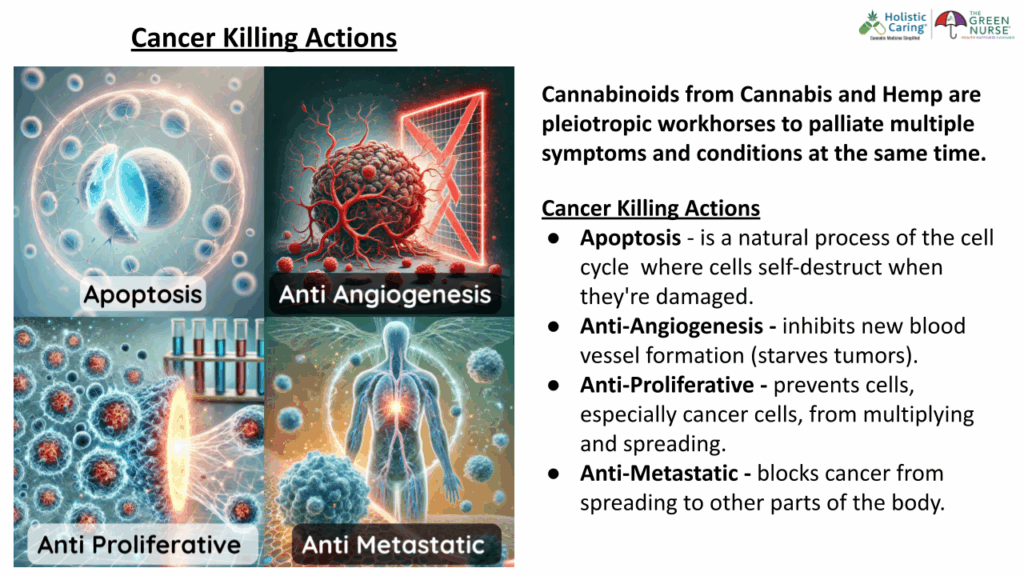
Research continues to uncover how cannabinoids may impact cancer treatment. Studies highlight several key mechanisms through which cannabinoids may fight cancer:
- Apoptosis – Cannabinoids may promote programmed cancer cell death (Shrivastava et al., 2011).
- Anti- Proliferative – Cannabinoids have shown anti-proliferative effects, stopping the spread of cancer cells (Sultan et al., 2018).
- Anti-Angiogenesis – Cannabinoids may inhibit angiogenesis, cutting off blood flow to tumors (Ligresti et al., 2006).
- Anti-Metastatic – Cannabinoids may prevent metastasis, stopping cancer cells from spreading to other parts of the body (Caffarel et al., 2010).
As research advances, cannabinoids are gaining attention for their potential role in cancer treatment. From reducing tumor growth to limiting cancer spread, these findings show promise for future therapies. Cannabinoids offer multiple benefits beyond targeting tumors. They can help relieve side effects of cancer treatment, improve mood and cognitive function, promote better sleep and appetite, reduce inflammation and oxidative stress, and make chemotherapy and radiation more tolerable for patients. These natural compounds are becoming a popular option for managing cancer symptoms and enhancing overall quality of life.
Unlike many pharmaceuticals, cannabis supports multiple symptoms and conditions with fewer side effects—a true pleiotropic remedy.
For thousands of years, cannabis has served as a palliative remedy for alleviating cancer symptoms. In 1974, groundbreaking research first hinted at the potential anti-cancer properties of cannabis-based therapies, suggesting their ability to influence the progression of the disease. Since then, an expanding body of evidence has deepened our understanding of the anti-cancer effects of cannabinoids and terpenes, shedding light on their therapeutic potential with increasing clarity and precision (Munson, Harris, Friedman, Dewey, & Carchman, 1975).
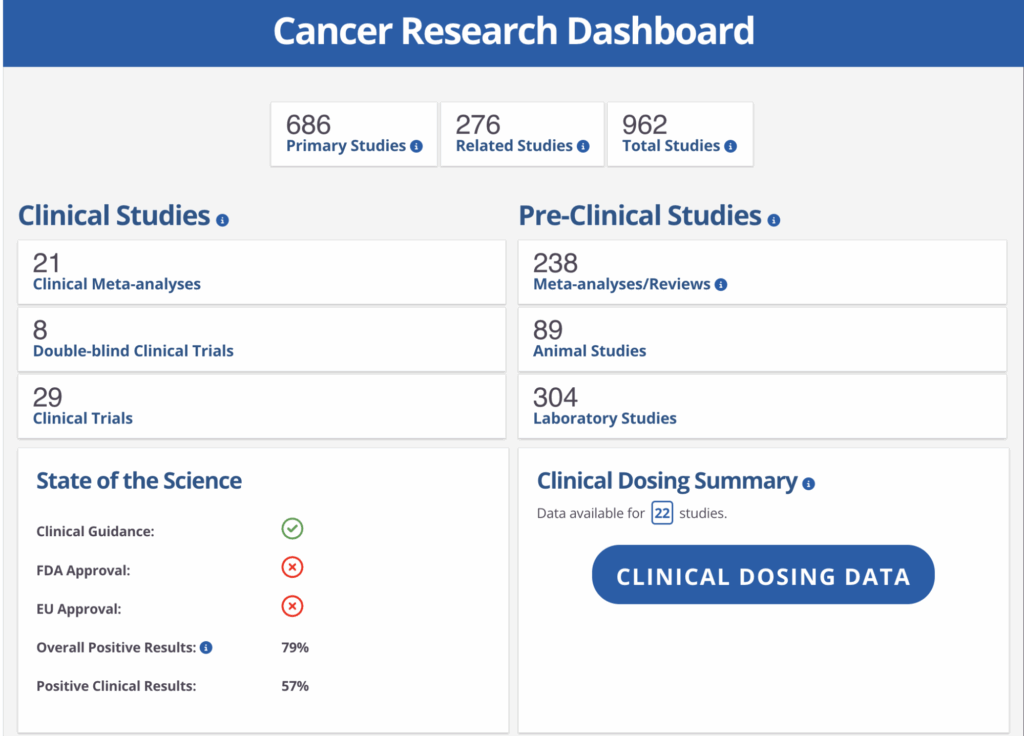
Cannabis and Cancer Research
Although most cannabis-related cancer studies are still in the preclinical phase, the growing body of research underscores the oncology community’s strong interest in this plant. Meta-analyses of clinical trials have largely reported positive outcomes for both natural and synthetic cannabinoids, such as dronabinol and nabilone. Natural cannabinoids are particularly noted for their safety, efficacy, and superior tolerance among patients. This is likely because their broader mechanisms of action extend beyond the effects of synthetic THC for cannabinoid receptor activation (Cannakeys, 2024).
Current research delves into a wide range of cannabinoids, including CBD, THC, CBG, CBN, CBC, and THCV, among others. Pharmaceutical alternatives like Dronabinol and Nabilone are also showing significant potential. Scientists are further exploring endocannabinoids such as AEA and 2-AG, along with their interactions with key receptors like CB1, CB2, TRPV1, and PPAR-α (Cannakeys. 2024).
Excitingly, some cannabinoids may even regulate genes, showing potential epigenetic effects. CannaKeys provides detailed research on over 30 types of cancer, including breast cancer, lung cancer, colon cancer, brain cancer, and melanoma. Explore the latest findings and evidence on cannabinoid therapy for cancer here. (Cannakeys 2024)
Additionally, cannabinoids and terpenes exhibit well-documented properties such as anti-inflammatory, chemo-synergistic, chemoprotective, neuroprotective, and general organ-protective effects (O’Brien et al., 2022).
The potential of cannabis to directly treat or cure cancer remains scientifically uncertain. While numerous preclinical studies demonstrate that cannabinoids such as THC and CBD can induce apoptosis, inhibit angiogenesis, and reduce tumor growth in various cancer models (Mangal et al., 2021; Ligresti et al., 2006), these findings have not yet been replicated consistently in human clinical trials.
Anecdotal reports, including those involving Rick Simpson Oil (RSO), a high-THC cannabis extract, have gained significant attention for suggesting potential remission in certain cancers, such as glioblastoma and leukemia. While these cases lack validation through rigorous scientific studies, they should not be dismissed (WebMD, 2024).
Many of the patients we have cared for have reached NED (No Evidence of Disease), while others continue living with cancer as a manageable chronic condition. Through the use of cannabinoids and lifestyle-based medicine, they lead fulfilling and meaningful lives. In summary, cannabis holds significant promise as both a palliative and potentially therapeutic agent for cancer, but further research on real people is essential to fully understand its role in addressing the underlying disease.
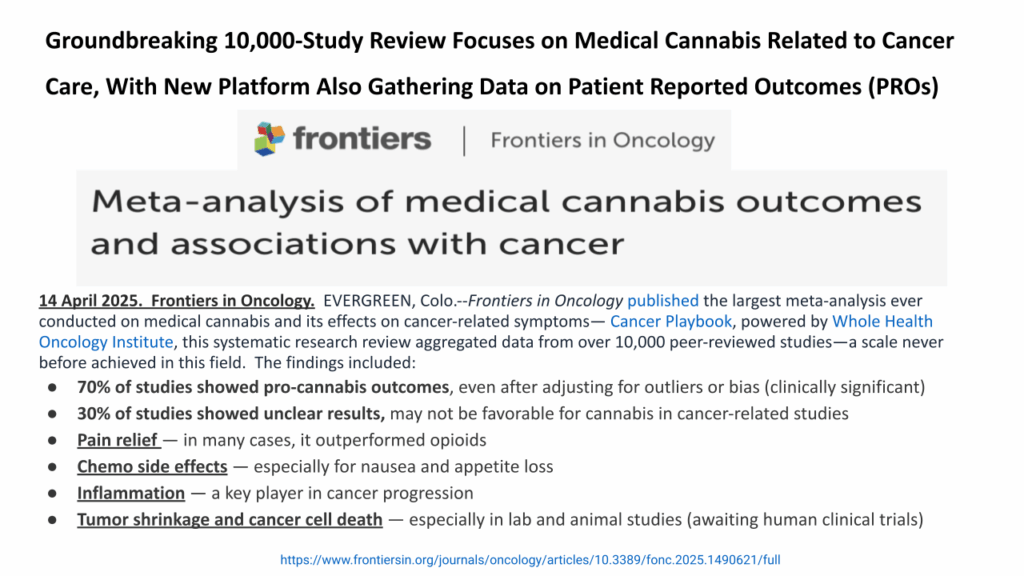
Meta-Analysis of Medical Cannabis: Outcomes and Implications in Cancer – Frontiers in Oncology 2025
In a comprehensive meta-analysis, Castle et al. (2025) reviewed over 10,000 peer-reviewed studies encompassing 39,767 data points to evaluate the therapeutic potential and safety of medical cannabis in cancer treatment. Through sentiment analysis, the researchers categorized findings into supportive, non-supportive, and unclear perspectives across key areas such as cancer progression, health outcomes, and treatment approaches. The results revealed a striking consensus in favor of medical cannabis, with supportive findings being 31 times more prevalent than opposing ones.
The study highlighted particularly strong evidence for cannabis’s anti-inflammatory properties and its effectiveness in alleviating cancer-related symptoms, including pain, nausea, and appetite loss. Moreover, growing support was observed for its anticarcinogenic potential, particularly in inhibiting tumor growth.
Despite these promising findings, the authors emphasized the need for further research to clarify critical areas, such as the specific mechanisms of cannabinoid interactions with inflammatory processes and the role of cannabis in achieving cancer remission. The study calls for a re-evaluation of the legal status of medical cannabis and advocates for more robust research to fully uncover its therapeutic potential in oncology (Castle et al. 2025).
Cannabinoids and Terpenes in Cancer Care Management
Cannabinoids and terpenes found in the cannabis and hemp plant are being widely researched for their potential in managing chronic pain and cancer-related symptoms. Here’s how they may help:
- Relieving chronic neuropathic pain and cancer pain
- Reducing nausea and vomiting, especially chemo-induced nausea
- Addressing appetite loss and cachexia
- Managing anxiety, insomnia, and depression
- Enhancing chemotherapy effectiveness and supporting immune system modulation
Dosing & Delivery: Best Practices for Patients
Cannabis is not a one-size-fits-all solution. Taking a “start low and go slow” approach, particularly with THC, is essential to ensure safety and reduce potential risks. The ideal approach depends on the patient’s goals—whether they are exploring cannabinoids as a potential cancer treatment or seeking relief from symptoms and side effects associated with conventional therapies.
For those new to cannabis, it’s best to start with non-impairing Full Spectrum CBD products, as they provide a wide range of beneficial compounds found in the plant. CBD is a multi-target molecule that binds with over 70+ receptors throughout the body; buffering complex biological changes in the body, mind, and emotions. These products can help gently activate your endocannabinoid system, which plays a crucial role in maintaining balance in the body. Full Spectrum CBD allows you to benefit from the synergy of minor cannabinoids, terpenes, and trace amounts of THC, a phenomenon known as the entourage effect. This powerful combination of natural compounds works together to promote overall well-being, providing a balanced foundation before incorporating higher doses of THC.
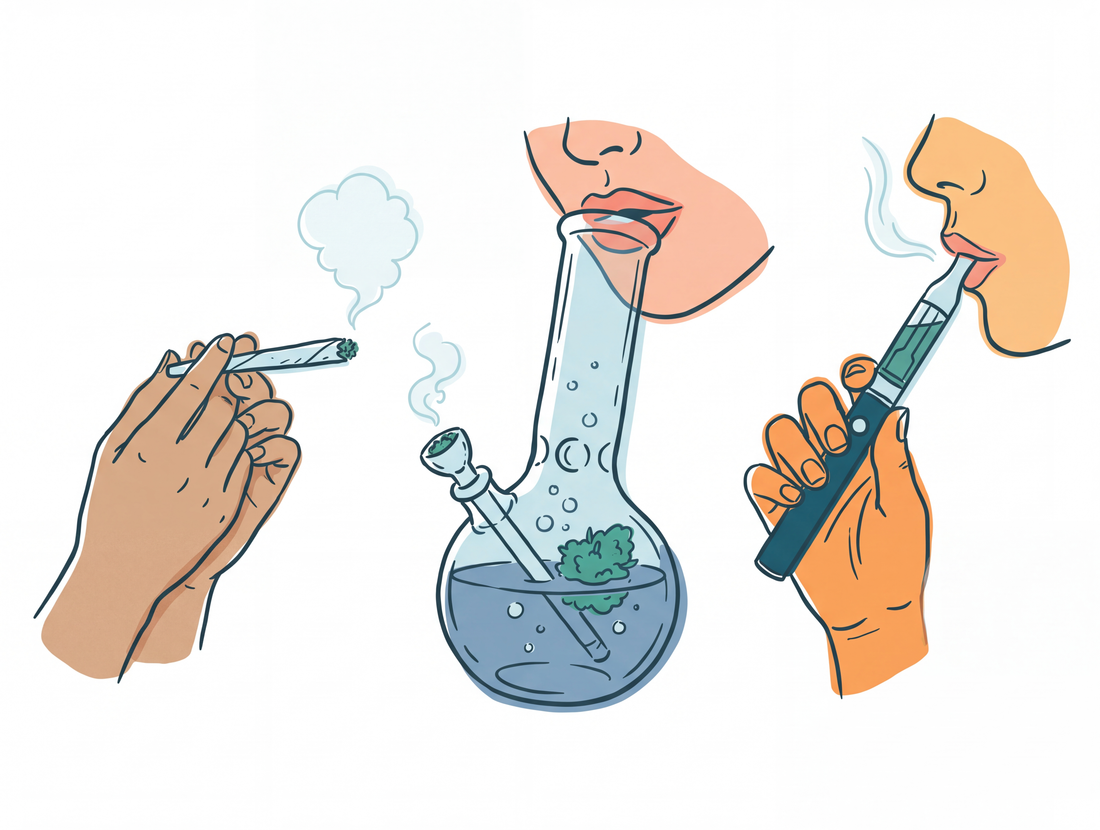
There are many ways to consume cannabis, each offering unique effects and experiences. From smoking and vaping to edibles, tinctures, topicals, suppositories and transdermal patches, there’s an option for every lifestyle and need. Whether you’re looking to use cannabis or CBD for relaxation, pain relief, better sleep, or overall wellness, the right consumption method can make a big difference. Choosing the best way to use cannabis depends on your personal preferences, health goals, and how you want to incorporate it into your daily routine.
Safety, Side Effects and Dosing with Chemo or Immunotherapy
Patients undergoing chemotherapy or immunotherapy should consult a cannabis nurse or endocannabinoid clinician to prevent potential drug interactions and ensure optimal timing of use. Cannabinoids have the potential to enhance the effects of chemotherapy, allowing for lower chemotherapy doses and reducing its side effects. However, this potentiation could also increase toxicity, so it’s important for patients to reduce cannabinoid dosages on chemotherapy days and dose only to manage symptoms.
In the case of immunotherapies, which aim to stimulate the immune system using treatments like Keytruda or Opdivo, caution is also essential. High doses of THC or THCA can suppress immune function. Therefore, it is recommended to pause high dose THC oils on days when immunotherapy is administered, dosing only Full Spectrum CBD products to manage symptoms and side effects. Cannabis nurse clinicians create tailored care plans, providing specific guidance for treatment days versus recovery days to enhance support and effectiveness.
Cannabinoids like THC and CBD may interact with medications because they are metabolized by CYP450 liver enzymes. These interactions may affect how your body processes certain drugs. Here’s how to reduce the risk of cannabis and medication interactions:
- Wait 60+ minutes after taking pharmaceuticals before using cannabis oils, tinctures or edibles.
- Limit high THC doses (over 50 mg/day), especially during immunotherapy.
- Keep a journal to track your reactions and adjust doses gradually.
Side effects such as dry mouth, dizziness, and drowsiness are often dose-dependent, meaning they become more pronounced at higher doses. To mitigate these risks, consider balancing THC with CBD, which may help offset some of THC’s psychoactive effects. Incorporating other cannabinoids like CBG or CBN can also create a more balanced experience while potentially reducing unwanted side effects. Experimenting with different cannabinoid ratios and consulting a healthcare professional can guide you in finding the ideal combination to suit your needs.
Final Thoughts: Healing with Hope
Cannabis isn’t just a supplement—it’s a powerful whole-system therapy that works to restore balance across all levels: physical, emotional, mental, and spiritual. By engaging with the body’s endocannabinoid system, cannabis can help regulate processes like pain, inflammation, mood, and sleep, offering a path to holistic healing.
Whether newly diagnosed, or navigating a cancer journey for years, cannabis offers a unique source of relief, restoration, and resilience. When used thoughtfully, with intention, and under proper guidance from knowledgeable professionals, it can become a transformative tool to ease symptoms, improve quality of life, and support overall well-being. It’s not just about symptom management—it’s about fostering a sense of balance, hope, and empowerment.
In May, we hosted a webinar with the Cancer Support Community South Bay in Los Angeles to provide guidance on using medical cannabis as a complementary tool in cancer care. The session covered essential topics like product selection, proper dosing, safety, and integrating cannabis with traditional treatments. We also explored the science of the Endocannabinoid System, its role in promoting balance and well-being, and shared inspiring case studies, including two patients achieving NED (No Evidence of Disease). Watch the webinar recording below to gain valuable insights on enhancing the cancer care journey. Cancer Support Community South Bay Webinar – The Green Nurses at Holistic Caring
Be inspired by one of our patients who achieved NED (No Evidence of Disease) after just six months of using cannabis oil. Hear Marta’s hopeful story from her experience with cannabis oil.“They couldn’t find the cancer anymore” ~ Marta
The Cancer Playbook Collaboration with Holistic Caring & The Green Nurse
Holistic Caring & The Green Nurse is collaborating with The Cancer Playbook, powered by the Whole Health Oncology Institute. Together, we’re blending our experience in cannabis therapeutics, education, and personalized coaching with the Playbook’s whole-person approach to cancer support.
As registered nurses and cannabis nurse health coaches, we are honored to contribute to the Cancer Playbook Committee, help shape patient resources, and host a monthly support group in our private Holistic Caring Network to support those navigating cancer.
For patients and families, this partnership means more than information—it’s about connection, clarity, and compassionate guidance. By joining the Cancer Playbook, you’ll gain trusted resources, education to manage symptoms and side effects, a supportive community that truly understands, and tools to feel more confident and empowered on your healing journey.
If you or a loved one is living with cancer, I invite you to explore the Cancer Playbook today. Together, we’re changing the way cancer care is experienced—through knowledge, compassion, and collaboration.
With you on the journey,
Ask The Green Nurse with Sherri Mack BSN, RN & Elisabeth Mack MBA, BSN, RN
Ask The Green Nurse content on the Cannigma is brought to you by Holistic Caring & The Green Nurse and Bloom Hemp CBD.
- Holistic Caring & The Green Nurse – Comprehensive cannabis education for patients and healthcare providers, including CEUs for nurses, along with expert coaching and consulting services.
- Join The Green Nurses in their Free Holistic Caring Network to access continuous learning and meaningful connections with other patients and providers who are learning about the most misunderstood plant in the word. Enjoy a monthly plant medicine support group, a free introduction to cannabis program, and the ABCs of CBD program—all at no cost.
- Bloom Hemp CBD – Experience Doctor and Nurse-formulated Organic Hemp CBD, crafted with Ayurvedic inspiration and designed to target specific symptoms. Benefit from free access to a nurse hotline and personalized care plans, thoughtfully provided by expert cannabis nurses. Shop today, use promo code GREENURSE for 10% savings and free shipping.
References
- Cannakeys. (2024). THC:CBD ratios for cancer.
- Caffarel, M. M., Andradas, C., Mira, E., Pérez‑Gómez, E., Cerutti, C., Moreno‑Bueno, G., Flores, J. M., García‑Real, I., Palacios, J., Mañes, S., Guzmán, M., & Sánchez, C. (2010). Cannabinoids reduce ErbB2‑driven breast cancer progression through Akt inhibition. Molecular Cancer, 9, Article 196.
- Castle, R. D., Marzolf, J., Morris, M., & Bushell, W. C. (2025). Meta-analysis of medical cannabis outcomes and associations with cancer. Frontiers in Oncology, 15, 1490621.
- Holistic Caring & The Green Nurse. The Green Nurse at Holistic Caring Network [Cancer Playbook Associates]. In Cancer Playbook: Resources. Cancer Playbook powered by the Whole Health Oncology Institute.
- O’Brien, M., et al. (2022). Cannabinoids and cancer symptom relief: Anti-inflammatory and chemo-synergistic effects.
- Ligresti, A., Moriello, A. S., Starowicz, K., Matias, I., Pisanti, S., De Petrocellis, L., … & Di Marzo, V. (2006). Antitumor activity of plant cannabinoids with emphasis on the effect of cannabidiol on human breast carcinoma. Journal of Pharmacology and Experimental Therapeutics, 318(3), 1375–1387.
- Mack, S. The Cancer Playbook. The Green Nurse.
- McPartland, J. M., et al. (2014). PLOS ONE, 9(3), e89566.
- Mangal, N., Erridge, S., Habib, N., Sadanandam, A., Reebye, V., & Sodergren, M. H. (2021). Cannabinoids in the landscape of cancer. Journal of Cancer Research and Clinical Oncology, 147(9), 2507–2534.
- Munson, A. E., Harris, L. S., Friedman, M. A., Dewey, W. L., & Carchman, R. A. (1975). Antineoplastic activity of cannabinoids. Journal of the National Cancer Institute, 55(3), 597–602.
- Shrivastava, A., et al. (2011). Molecular Cancer Therapeutics, 10(7), 1161–1172.
- Sultan, A. S., et al. (2018). The Breast, 41, 34–41.
- WebMD. (2024). Rick Simpson Oil for cancer: Overview.
- Zou, S., & Kumar, U. (2018). International Journal of Molecular Sciences, 19(3), 833.


Sign up for bi-weekly updates, packed full of cannabis education, recipes, and tips. Your inbox will love it.