

 Merch
Merch Medical card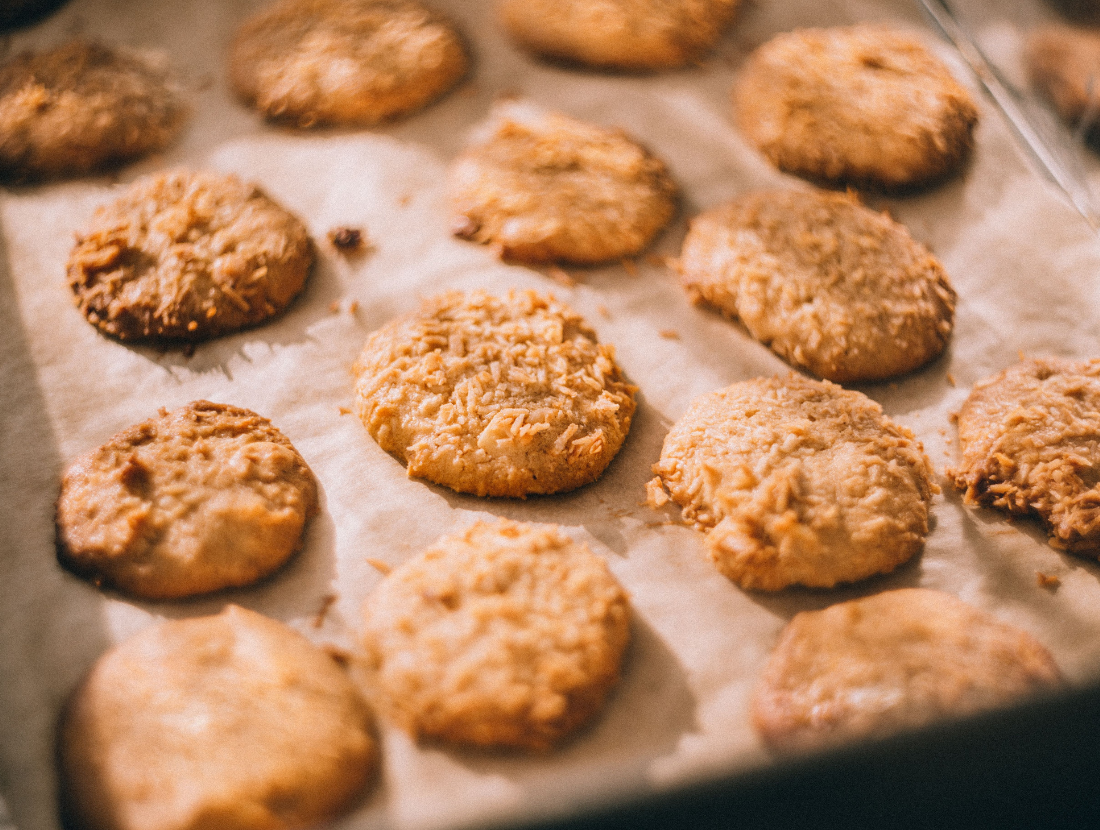
 0 Comments


Cannabis cookies are one of the easiest edibles to get right at home. The recipe is really two recipes in one: a normal butter cookie, and the infused fat that carries the THC. Get the fat right and the rest of it (the dough, the bake, the dose) tends to follow. Get it wrong and you end up with either cookies that do nothing or a batch strong enough to flatten someone who only wanted a bite.
The strength of these cookies is decided long before they reach the oven. It comes down to how much cannabis you infuse, how strong that cannabis is, and how evenly the infused butter is spread through the dough. It has nothing to do with how many cookies you cut or how long you bake them.


So this guide covers the two upstream steps first (decarboxylation and cannabutter), shows you how to estimate what each cookie will deliver, and then gives you the cookie recipe itself, plus how to bake it without wasting the potency you built.
Cannabis cookie recipe
Ingredients
- 0.5 cup
cannabutter, softened
- 0.75 cup
granulated sugar
- 1
large egg
- 1 tsp
vanilla extract
- 1.25 cups
all-purpose flour
- 0.5 tsp
baking soda
- 0.5 tsp
salt
- 1 cup
chocolate chips, chopped nuts, or dried fruit (optional)
- 115 g
cannabutter, softened
- 150 g
granulated sugar
- 1
large egg
- 1 tsp
vanilla extract
- 160 g
all-purpose flour
- 0.5 tsp
baking soda
- 0.5 tsp
salt
- 170 g
chocolate chips, chopped nuts, or dried fruit (optional)
Equipment
- Baking sheets and parchment paper
- Mixing bowls
- Hand mixer or a sturdy spoon
- Cookie scoop or tablespoon, for even portions
Method
- Heat the oven to 350°F (175°C) and line two baking sheets with parchment.
- Whisk together the flour, baking soda, and salt in a bowl. Set aside.
- Cream the softened cannabutter and sugar with a hand mixer for 2 to 3 minutes, until pale and fluffy. Take your time here. Even creaming is what spreads the dose evenly through the batch.
- Beat in the egg and vanilla until fully combined.
- Add the dry ingredients in two or three additions, mixing only until no streaks of flour remain. Overmixing makes tough cookies.
- Fold in the chocolate chips or other mix-ins by hand, if using.
- Scoop level, equal-sized portions (about 1 tablespoon each) onto the sheets, spacing them 2 inches apart so they have room to spread.
- Bake for 10 to 12 minutes, until the edges are set and just turning golden but the centers still look slightly soft. Let them rest on the sheet for 5 minutes, where they finish cooking on the residual heat, then move to a wire rack.
Getting the bake right
The cue most home bakers miss is doneness: pull the cookies while the centers still look underdone. If you wait until the whole cookie is golden, carryover heat will have already dried them out. Set edges with a soft middle is the target.
If your cookies spread into thin, greasy discs, the butter went in too warm or the dough needed a rest. Chill the scooped dough for 20 to 30 minutes before baking. If they come out pale and cakey, they were slightly underbaked or your oven runs cool. Most ovens are off by 15 to 25°F, so an inexpensive oven thermometer earns its place when the dose matters.
One thing not to worry about: normal baking temperatures won’t cook off your THC. The dough itself never gets close to the oven’s set temperature, and THC doesn’t start vaporizing until well above it. What does cost you potency is scorching or serious over-baking, so there’s nothing to gain from leaving cookies in longer to make them stronger. Extra time and heat degrade cannabinoids, they don’t concentrate them.
Two things to do before you bake
Raw cannabis will not get you high, and butter with fresh ground flower stirred in on the day won’t do much either. Two preparation steps sit between raw flower and a working cookie, and both happen before you touch the dough.
Why decarboxylation comes first
Fresh cannabis is full of THCA, the acidic precursor to THC. THCA isn’t intoxicating on its own. It needs heat to shed a carbon dioxide molecule and convert into the THC that produces effects. That conversion is called decarboxylation, and skipping it is the most common reason a batch of homemade cookies falls flat.
Baking won’t reliably finish the job, because you pull the cookies as soon as they set, well before the flower inside has spent enough time at temperature. So decarb the cannabis on its own first. Grind it coarsely, spread it in a thin, even layer on a parchment-lined tray, and bake at about 240°F (115°C) for 30 to 40 minutes.
It’s ready when the flower has turned from green to a light toasty brown and gives off a strong herbal smell. Keep the temperature in this range. Push it much higher and you start vaporizing off the THC you’re trying to preserve.
Making the cannabutter
Once the flower is decarbed, you steep it in fat so the THC (which is fat soluble, not water soluble) can dissolve out of the plant material and into something you can bake with. Butter is the classic choice for cookies. In short: simmer your decarbed flower in melted butter, with a little water in the pan to buffer the heat, on the lowest setting for two to four hours.
Don’t let it boil. Then strain out the plant material through cheesecloth. The gentle, extended heat is what draws the cannabinoids into the fat. A hard boil scorches the material and costs you potency.
The infusion is where most of your potency is won or lost, so it pays to do it properly. Follow a full step-by-step cannabutter method if this is your first time. Want a dairy-free cookie? A cannabis-infused oil like coconut oil swaps in at the same quantity. Some cooks also stir in a little lecithin to help the fat and cannabinoids spread more evenly through the batter, which is useful since eating fat alongside THC also affects how much of it your body absorbs.
How strong will each cookie be?
You can’t measure this at home, but you can estimate it, and it’s worth doing before anyone takes a bite.
Start with a theoretical maximum. Multiply the grams of flower you infused by its THC percentage to get the milligrams of THC in the whole batch. Seven grams of flower at 15% THC works out to about 7 × 0.15 × 1,000, or roughly 1,050 mg, as an absolute ceiling.
You never capture all of it, though. Some is lost during decarb, more stays locked in the strained plant material, and a home kitchen is not a lab. Assume a good portion goes uncaptured, which puts that batch somewhere in the low hundreds of milligrams. Treat it as a working estimate, not a measured figure.
Now divide by the number of cookies. If that 1,050 mg ceiling comes down to something closer to 500 to 700 mg after losses, spread across 24 cookies, each cookie carries very roughly 20 to 30 mg of THC. That’s a strong dose for most people, and a good reason to start with a half or a quarter. The math is approximate because the inputs are. For a tighter estimate based on your specific flower and butter, run the numbers through an edibles dosage calculator instead of trusting a round figure.
Two habits make the per-cookie number mean something: cream the cannabutter thoroughly so it’s evenly dispersed before the flour goes in, and portion the dough into uniform sizes. Uneven mixing or wildly different cookie sizes is how one cookie does nothing and the next one puts you on the couch for hours.
Storing your weed cookies
In an airtight container at room temperature, the cookies keep for about 5 to 7 days, and a slice of bread tucked in with them helps keep them soft. They freeze well for up to three months. Wrap them individually so you can thaw one at a time.
One rule matters more than freshness: label the container clearly and keep it well out of reach of children, pets, and unsuspecting housemates. An infused cookie looks exactly like a normal one, and accidental ingestion is the easiest edibles mishap to prevent.
How much should you eat?
Edibles behave nothing like smoking. Swallowed THC is processed by the liver into a longer-lasting and often stronger compound, which is why the effect comes on slowly and lingers. Onset usually runs 30 minutes to 2 hours, and the effects can last anywhere from 4 to 12 hours depending on your metabolism, what else is in your stomach, and the dose.
That delay is what catches people out. They feel nothing at the 45-minute mark, eat a second cookie, and then get hit by both at once. In many regulated markets a single serving of THC is set at 10 mg, and people new to edibles often start lower, around 2.5 to 5 mg.
Since a homemade cookie can easily carry several times that, the sensible move is to eat a quarter or half of one and wait a full two hours before deciding whether to have more. For more on the timing and dosing logic, Cannigma’s guide to dosing edibles accurately goes further than a recipe can.
Frequently asked questions
Why did my weed cookies have no effect? Almost always one of two things: the cannabis wasn’t decarboxylated, so it never converted to active THC, or the infusion was too short or too hot to pull the cannabinoids into the butter. Both happen before the dough stage, which is why this recipe puts them first.
Can I make these without an oven for decarb? Yes, though an oven is the most reliable method. There are stovetop and other ways to decarboxylate without an oven if that’s your only option, but watch the heat closely.
Can I use cannabis-infused oil instead of butter? Yes. Swap in the same quantity of infused coconut or vegetable oil for a dairy-free batch. The dough behaves a little differently, but the recipe works.
Do I need lecithin? No, it’s optional. It helps the fat and cannabinoids spread more evenly and can make effects more consistent from cookie to cookie, but the recipe is complete without it.
How should I store them long-term? Freeze them, wrapped individually, for up to three months, and keep them labeled and separate from ordinary food.


Sign up for bi-weekly updates, packed full of cannabis education, recipes, and tips. Your inbox will love it.
Rate this Recipe