
 Merch
 Medical card

Britain and America are both moving against HHC, THCA and other cannabinoids made from surplus CBD, but with very different kinds of law. In this edition, I compare a chemist’s list with a lawyer’s definition, then look at the 3 November ballot results, a watchdog report now shaping the marijuana rescheduling case, and the opioids in Britain’s new drugs order.
Semi-synthetic cannabinoids: a list or a definition?
In just two days, on Thursday 12 November, a provision of US federal law takes effect that strips “hemp” status from any product containing cannabinoids “not capable of being naturally produced” by the cannabis plant. Two weeks earlier, on 27 October, the Home Office in the United Kingdom laid before Parliament a draft order that would make twelve cannabinoids, including HHC and THCA, Class B drugs.


Both are aimed at the same market, and regulators on both sides of the Atlantic point to a common cause (an oversupply of CBD products which has led to CBD being used to synthetically generate other cannabinoids). But the two countries have written very different kinds of law to deal with it. Britain names the molecules; America asks where they came from.
Britain: a chemist’s list
Under the draft Misuse of Drugs Act 1971 (Amendment) Order 2026, HHC, eight of its variants, 11-OH-THC and two forms of THCA would become Class B drugs. The order makes an exception for substances found in cannabis or cannabis resin, which are already controlled. Instead, the focus is on products such as isolates, crystals, vapes and sweets. Of these substances, HHC was the most widespread, accounting for 108 UK detections in 2023, at a time when it was not being controlled under the 1971 Act.
The order has yet to be approved by Parliament and would come into force 28 days after being made. It replaces an earlier draft laid on 14 September, which was superseded over ambiguous wording in an unrelated opioid definition, as explained in the accompanying Explanatory Memorandum. The revised order was considered by the Lords’ Secondary Legislation Scrutiny Committee on 3 November.
THCA is a notable addition to the list. It’s the non-intoxicating acid form of THC, which converts into THC when heated. The Home Office’s own licensing factsheet still says that “as an isolated substance, in its pure form, THC-A would not be controlled”. As the ACMD explains, there was previously little reason to control it separately, given that cannabis itself was already illegal. That position has been challenged by the discovery of THCA in seized crystals and vape canisters across the UK.
THCA was the only substance the government consulted on individually. Three responses raised concerns, including the possible impact on consumer CBD products, but ministers chose to proceed. In a May 2026 letter to the ACMD, policing minister Sarah Jones pointed out that “consumer CBD products can be exempt from most controls under the 1971 Act”. To qualify, among other conditions, no single component of a product can contain more than one milligram of a controlled drug.
But the letter leaves an important question unanswered: will traces of THCA in full-spectrum CBD oil now count towards that limit? The Cannabis Trades Association has asked the Home Office to clarify how the controls will apply, and no answer has been published.
America: a lawyer’s definition
Dan Wang calls America a country run by lawyers, and the US approach is, in this respect, a bit different. Section 781 of the November 2025 spending law (P.L. 119-37) doesn’t name specific cannabinoids. Instead, it excludes products from the legal definition of hemp if they contain cannabinoids that cannot be produced naturally by the plant, or cannabinoids that occur naturally but have been synthesised outside the plant. The first restriction takes effect on 12 November. The others were delayed by a September spending agreement until 11 December.
Defining cannabinoids by how they are produced makes it harder to get around the law simply by introducing a new molecule. But it also creates problems for enforcement. Delta-8 THC made synthetically from CBD is chemically identical to the small amounts produced naturally by cannabis. Testing can identify the substance, but establishing how it was made is another matter, potentially requiring evidence from the manufacturing process. There’s also the question of which cannabinoids the plant can produce in the first place. Congress gave the FDA 90 days, until 10 February 2026, to publish lists of naturally occurring cannabinoids. The deadline passed without publication.
THCA nicely shows us the difference between the two approaches. Britain never had a legal market for American-style “THCA flower”, since cannabis flower was already controlled. The loophole concerned isolated THCA, which the new rules seek to address. In the US, it was the flower itself that could be sold as hemp, because only delta-9 THC counted towards the legal limit. That, of course, is set to close on 11 December.
What it means
Both approaches have their weaknesses. Lists of controlled substances offer clarity and make enforcement relatively straightforward, but they can also struggle to keep pace with a rapidly changing and seemingly often quite sophisticated market. Nine of the twelve cannabinoids named in the UK order are HHC or its variants, reflecting how quickly new compounds have emerged. International controls face a similar challenge – in March 2025, the UN Commission on Narcotic Drugs added HHC to the 1971 Convention. The ACMD has proposed a broader definition of controlled cannabinoid derivatives to help address this problem, which the draft order also incorporates.
On the other hand, a definition based on origin can account for new molecules before they reach the market, but proving how a substance was made poses another challenge. The CRS has already warned that “both FDA and DEA may lack the resources to broadly enforce” the new rules (IN12620). With enforcement dependent on manufacturing records and a federal list that has yet to be published, the rules may appear quite different in practice to how they appear on paper.

Neither the United Kingdom nor the United States is looking to establish a regulated market for these products. Both are turning instead to drug controls, largely due to how little is known about the safety of many of these compounds (the ACMD cites French poison-centre data showing that most reported HHC cases required hospital treatment, although it acknowledges that analytical confirmation was often missing).
Still, the approach reflects a wider tendency I discussed in the last edition, where governments are drawing new legal boundaries instead of developing a regulatory framework for an evolving market. Old Blighty has opted for a list of substances, and Uncle Sam has opted for a definition based on their origins. How well either approach holds up remains to be seen.
In brief
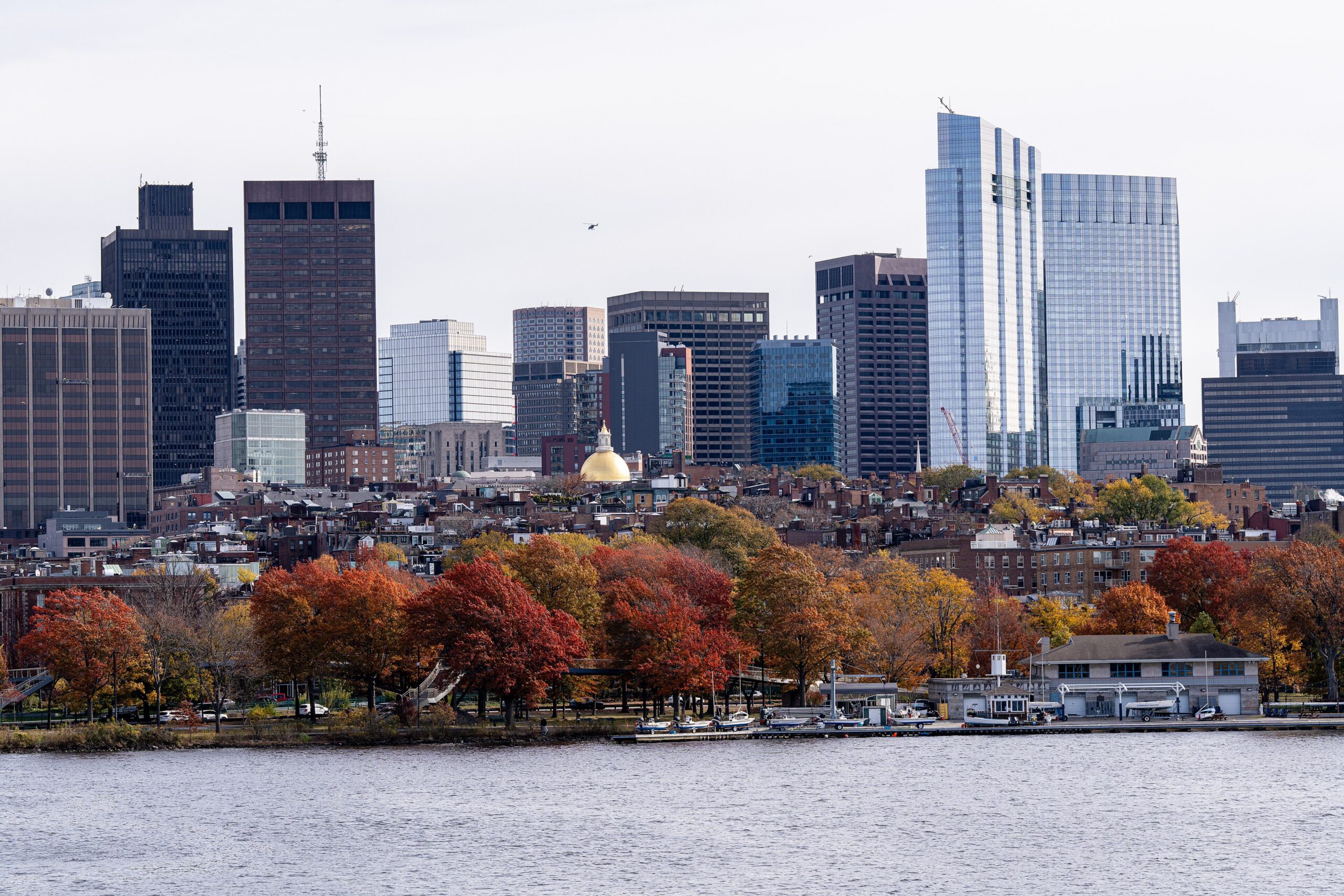
Voters keep cannabis, and get tougher on fentanyl. On 3 November, Massachusetts voters overwhelmingly rejected Question 8, which would have abolished recreational cannabis sales from 2028. Had it passed, Massachusetts would have been the first state to reverse voter-approved legalisation. In Idaho, HJR 4, the amendment we previewed that would have left only the legislature able to legalise “psychoactive substances”, also failed decisively. Colorado, meanwhile, approved tougher penalties for fentanyl under Proposition 132, with just under 53% support (the governor-elect, Phil Weiser, who opposed it, called it “not administrable”). Taken together, these results might suggest that voters are drawing distinctions between substances, not following a single mood.
A rulebook problem enters the rescheduling case. A September report from the Government Accountability Office has become the latest point of contention in the US marijuana rescheduling case. It found that the DEA “does not have policies that identify roles, responsibilities, and procedures related to scheduling”, and also found that the FDA has no written procedures for its scientific evaluations. That hasn’t prevented agreement between the agencies: in all 84 relevant cases from 2020 to 2025, the DEA followed federal health officials’ recommendations. On 22 October, administrative law judge Derek Julius admitted the report into the ongoing Schedule III proceedings, but refused to reopen the hearing. The DEA says the report deserves “no weight”, while opponents believe it calls the process into question. We’ll have to wait to see what effect, if any, the gap identified by the GAO will have on the rescheduling process.
The rest of Britain’s drugs order. It goes well beyond cannabinoids, widening the definition of nitazenes, synthetic opioids linked to “at least 1,000 deaths” since June 2023, according to National Crime Agency figures. It also permanently controls seven “orphines”, a newer opioid group that the ACMD linked to 28 deaths between March 2025 and April 2026 and which are currently subject to temporary controls. In all, the order adds 28 named substances and three new generic definitions. The cannabinoids have attracted the most attention from industry, and the opioids are more directly associated with deaths.
Sources & Further Reading
- Draft Misuse of Drugs Act 1971 (Amendment) Order 2026 (laid 27 October 2026): the draft order, including the twelve cannabinoids added to Class B. legislation.gov.uk
- Home Office, Explanatory Memorandum to the draft Order (October 2026): purpose, consultation, deaths data and why the September draft was replaced. PDF
- Advisory Council on the Misuse of Drugs, “Semi-synthetic cannabinoids related to tetrahydrocannabinol and cannabidiol” (22 May 2025): detections, harms and the case for controlling HHC and THCA. GOV.UK
- Letter from Sarah Jones MP to the ACMD (11 May 2026): the government’s decision to control THCA and its note on CBD products. PDF
- Home Office, “Drug licensing factsheet: cannabis, CBD and other cannabinoids”: THCA’s current status and the exempt-product conditions for CBD products. GOV.UK
- Congressional Research Service, “Changes to the Statutory Definition of Hemp and Implications for Agricultural Policy” (IF13136, 28 September 2026): the US redefinition, its effective dates and the overdue FDA lists. EveryCRSReport
- Congressional Research Service, “Change to Federal Definition of Hemp and Implications for Federal Enforcement” (IN12620, 3 December 2025): the synthetic-cannabinoid exclusions and enforcement capacity. EveryCRSReport
- Government Accountability Office, “Drug Scheduling: While DEA Decisions Have Aligned with Recent HHS Recommendations, Both Need Comprehensive Policies” (GAO-26-108623, 23 September 2026). GAO
- DEA Office of Administrative Law Judges, order admitting the GAO report (22 October 2026): the marijuana rescheduling hearing’s briefing schedule. PDF
- Massachusetts Question 8 (2026): ballot summary and unofficial results. Ballotpedia
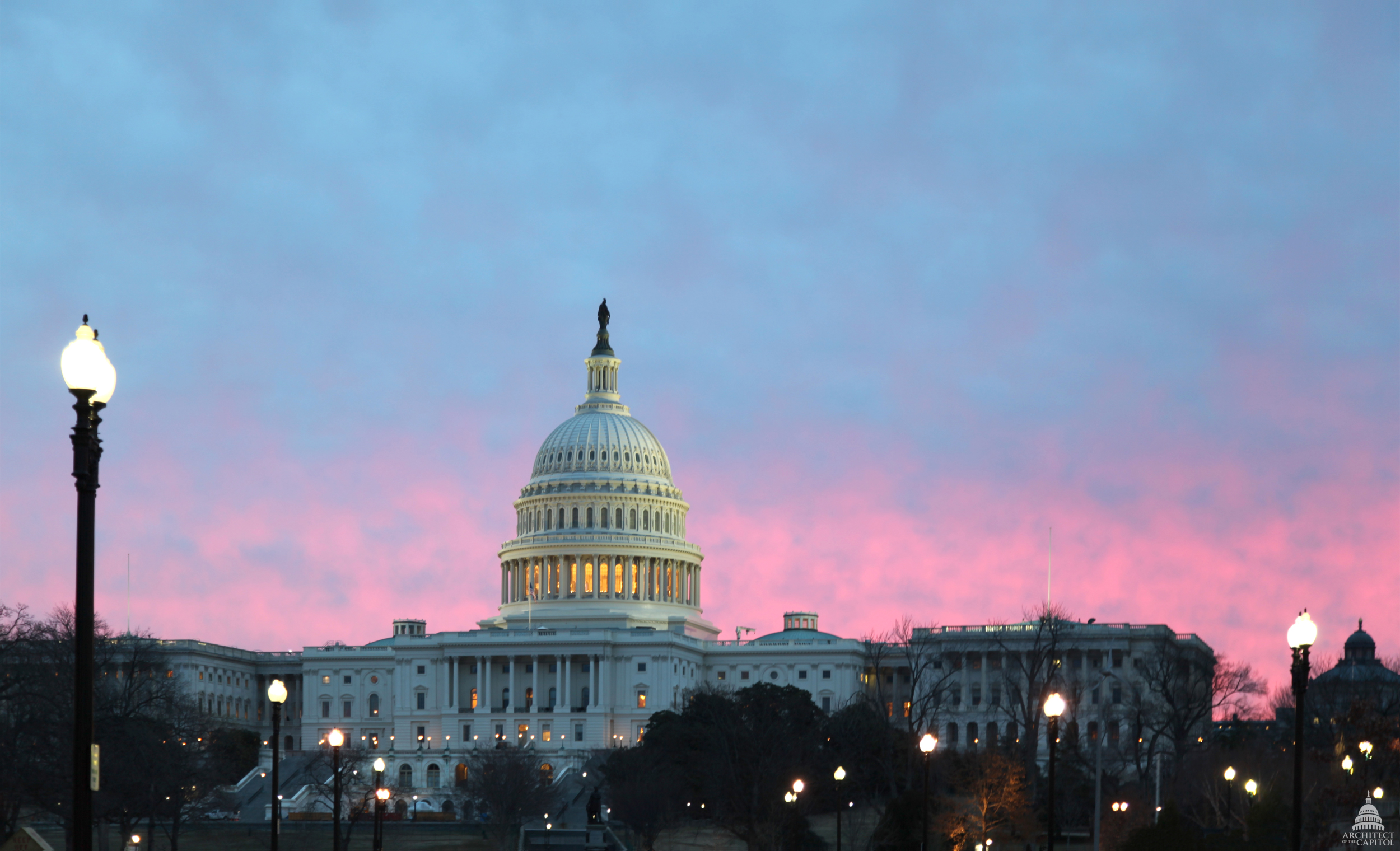
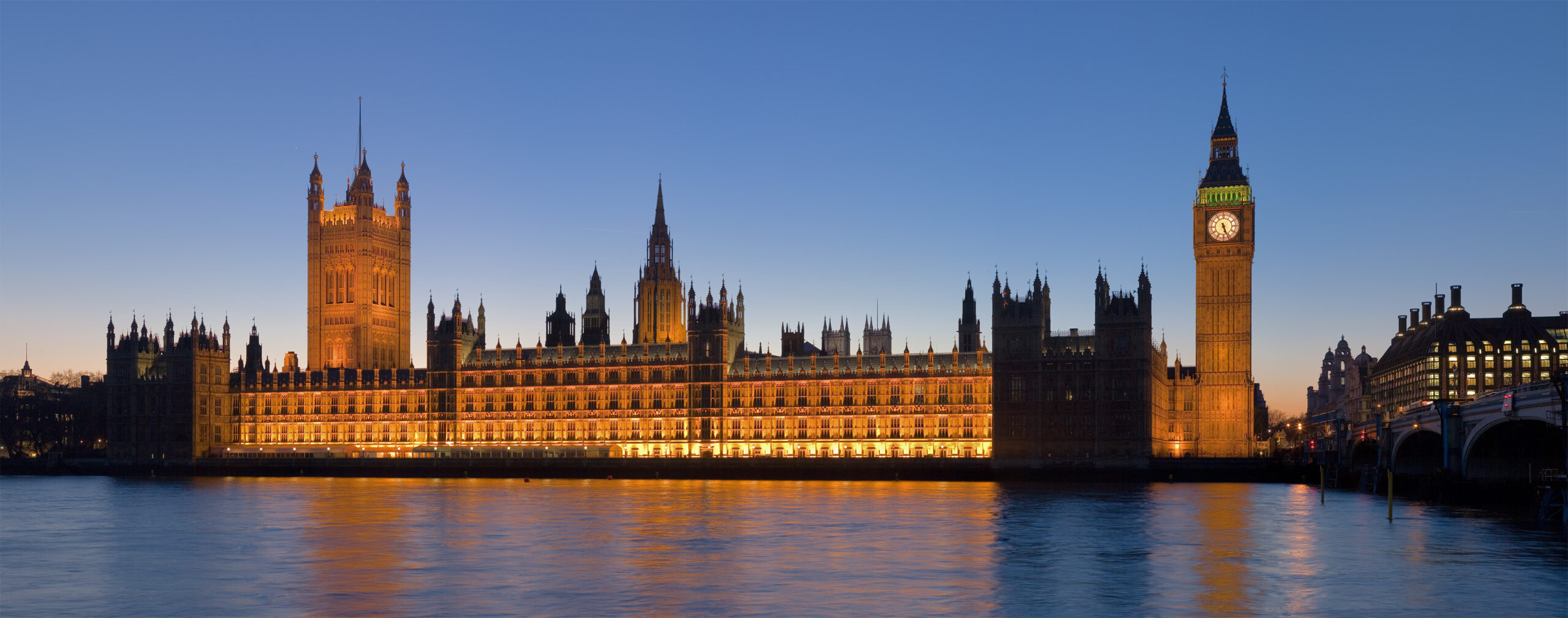
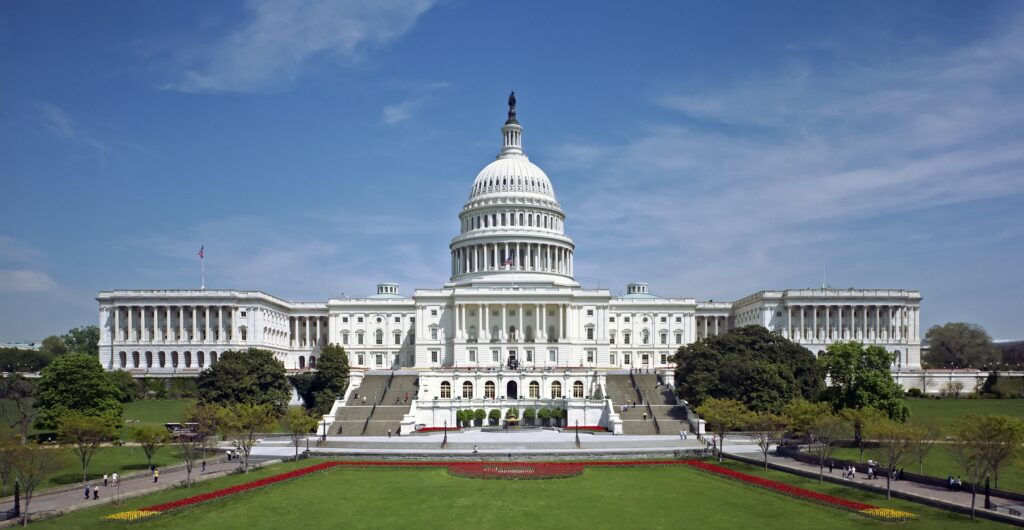
Featured image: the Palace of Westminster at dusk, by David Iliff, via Wikimedia Commons, licensed under CC BY-SA 2.5. US Capitol, by the Architect of the Capitol, via Wikimedia Commons, public domain.


Sign up for bi-weekly updates, packed full of cannabis education, recipes, and tips. Your inbox will love it.