

 Merch
Merch Medical card
What It Is, How It Works, and Why It’s Taking Over Flower, Edibles, and Beverages
Overview of THCa
THCa (tetrahydrocannabinolic acid) is the acidic precursor to THC, the cannabinoid best known for making you feel high. But unlike THC, THCa doesn’t cause intoxication in its raw form. That distinction, combined with a growing list of potential wellness benefits and a convenient legal loophole in U.S. hemp laws, has sparked massive consumer interest in THCa flower, edibles, tinctures, and drinks.

What’s unique about THCa is that it appeals to both wellness seekers and recreational users. In its raw form, it may support inflammation or digestion. When smoked or heated, it transforms into psychoactive THC. That flexibility, combined with legality in many U.S. states, makes it one of the most dynamic cannabinoids on the market today.
What Is THCa and Why Is Everyone Talking About It?
THCa is naturally found in raw, unheated cannabis and hemp. It’s non-psychoactive, meaning it won’t get you high unless it’s exposed to heat—a process known as decarboxylation, which transforms THCa into intoxicating THC.
There’s a growing buzz around THCa because it lives in a unique legal and functional sweet spot:
- Consumed raw, it may offer wellness benefits without impairment.
- Heated or smoked, it converts into THC and behaves like classic cannabis.
- Hemp-derived THCa flower and concentrates are federally legal in the U.S. if they contain less than 0.3% Delta-9 THC by dry weight.
This dual nature has made THCa a breakout star in both the legal hemp and underground cannabis scenes. Social media and product innovation have accelerated its adoption in wellness, athletic recovery, and pain relief communities.
The Science Behind THCa
Chemically, THCa is THC with an added carboxyl group (-COOH). This group prevents it from activating the CB1 receptors in your brain, which is why it doesn’t produce a high.
Decarboxylation – whether by flame, oven, or even prolonged sunlight – removes the carboxyl group, allowing THCa to convert into THC. This chemical shift is central to how cannabis delivers its wide-ranging effects.
Recent lab research has also revealed that THCa remains fairly stable in cold and dark environments but can begin to decarboxylate slowly at room temperature over time. This is important for storage and shelf life, especially for tinctures, oils, and flower.
How Does THCa Work in the Body?
THCa (tetrahydrocannabinolic acid) interacts with the body primarily through non-cannabinoid pathways, influencing inflammation, immune response, and neuroprotection. Below are the main mechanisms supported by current research:
- PPARγ and CB1 Receptor Modulation:
THCa exerts anti-inflammatory effects by activating PPARγ (peroxisome proliferator-activated receptor gamma) and modulating CB1 receptors. These pathways help reduce inflammation and may be relevant in chronic inflammatory diseases. - TRP Channel Interaction:
THCa can influence transient receptor potential (TRP) channels, which are involved in regulating pain, temperature, and inflammation. Activation or modulation of these channels contributes to THCa’s anti-inflammatory and neuroprotective properties. - Immune Signaling and Cytokine Modulation:
THCa may impact immune function by altering the production of cytokines such as TNF-α and IL-10, which are key regulators of inflammation and immune response. - Neuroprotective Effects:
Preliminary evidence suggests that THCa may offer neuroprotection and help reduce neuroinflammation, though the precise mechanisms are still being explored.
Although THCa shows some weak activity at CB1 and CB2 receptors, most of its effects appear to be indirect or through alternative pathways, making it a promising therapeutic compound without intoxication.
THCa vs THC: What’s the Difference?
| Feature | THCa | THC |
| Psychoactivity | Non-psychoactive | Psychoactive |
| Found In | Raw cannabis & hemp | Decarboxylated (heated) cannabis |
| Legal Status | Federally legal. States vary | Federally illegal. States vary |
| Medical Potential | Anti-inflammatory, neuroprotective, anti-nausea and more | Pain relief, appetite stimulation, nausea control and more |
| Drug Testing | May not be detected until heated | Detected by most standard tests |
THCa is often favored by those seeking therapeutic relief without intoxication, while THC is chosen for recreational or psychoactive needs. This distinction makes THCa especially attractive to older adults, working professionals, and health-conscious consumers.
THCa Flower: A Legal Grey Zone with Big Demand
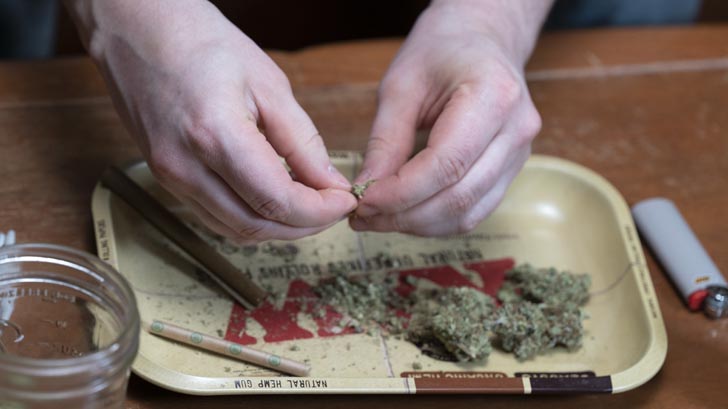
THCa flower is raw hemp or cannabis flower high in THCa and compliant with federal law (<0.3% Delta-9 THC). Consumers can:

- Use it raw (juicing, capsules, tinctures) for wellness
- Smoke or vape it to convert THCa into THC and get high
Because of this versatility, THCa flower is booming in states without legal cannabis programs, but some states are moving to regulate or ban it.
High-THCa flower offers many of the same aromas, cannabinoid profiles, and effects as conventional cannabis, making it a popular alternative for connoisseurs seeking potency with legal protection. Retailers often label these products with disclaimers like “Not for combustion” to remain compliant with hemp laws.
THCa Edibles and Beverages: The New Frontier
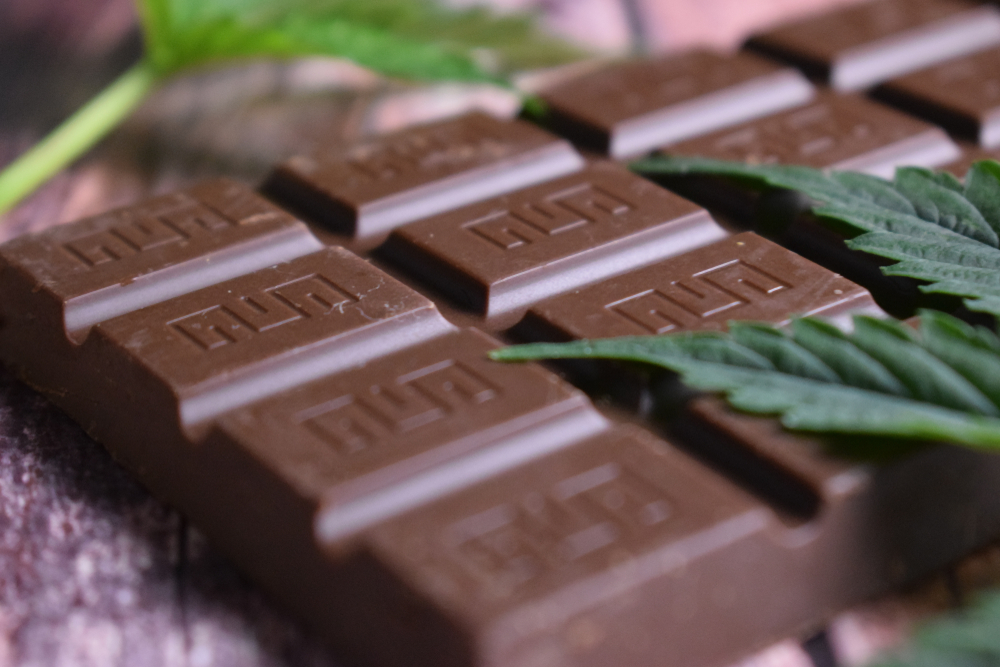
THCa-infused gummies, drinks, teas, and tinctures are gaining popularity for their non-intoxicating effects and potential health benefits.
Use cases include:
- Wellness support (inflammation, digestion, stress)
- Microdosing without impairment
- Social consumption without alcohol
THCa beverages, in particular, are seen as a “functional drink” segment, promoting clarity, calm, and recovery without the fog or hangover. Many consumers now combine these with adaptogens or nootropics for a modern wellness boost.
THCa Extracts
THCa extracts are increasingly popular. These are highly concentrated cannabis products containing tetrahydrocannabinolic acid (THCa), the non-psychoactive precursor to THC. They come in forms like diamonds, live resin, crumble, and sauce, valued for their purity and potency. Best suited for experienced users seeking potent, fast-acting cannabis concentrates.
- THCa Diamonds: Crystalline structures of nearly pure THCa (96–99%), converting to THC when heated for strong effects.
- Other Forms: Live resin, crumble, and sauce offer varied textures and terpene profiles.
- Consumption: Typically dabbed or vaporized to activate THC; can also enhance flower or edibles.
- Potency: High THCa content means small amounts deliver powerful effects.
Medical Potential and Emerging Research
Although most research is preclinical, THCa has shown potential in multiple therapeutic areas:
- Anti-inflammatory: May reduce symptoms in arthritis and autoimmune diseases
- Neuroprotective: Possible benefits for Alzheimer’s, Parkinson’s, and other neurodegenerative conditions
- Antiemetic: May ease nausea and vomiting, especially in chemotherapy
- Antioxidant: Helps neutralize oxidative stress and protect healthy cells
- Metabolic support: Early evidence suggests it may influence fat storage and glucose regulation
- Cancer support: Some lab studies suggest tumor inhibition and immune protection
Further investigation is needed, but anecdotal reports from THCa users with epilepsy, IBS, and fibromyalgia are driving interest in personalized cannabinoid protocols. Clinical trials are underway to explore its synergistic use alongside other cannabinoids like CBD and CBG.
How to Shop Smart for THCa Products
As with all cannabis products, not all THCa is created equal. Here’s how to shop safely:
- Check legality in your state, even federally legal hemp products can be restricted locally.
- Demand a COA (Certificate of Analysis) verifying:
- THCa and Delta-9 THC content
- Absence of contaminants (heavy metals, pesticides, solvents)
- Look for reputable brands with transparent sourcing, growing practices, and clear labeling.
- Review customer feedback and community forums.
- Understand how the product was extracted and if it’s intended to remain non-psychoactive or be decarboxylated.
Tip: Reputable brands will list both “Total THC” and “Total THCa” to help you understand what happens when heat is applied.
Potential Cautions and Side Effects of THCa
In its raw form, THCa is generally considered safe and non-intoxicating. Still, side effects can include:
- Digestive issues (nausea, upset stomach)
- Dry mouth or dry eyes
- Fatigue, dizziness, or cognitive fog at high doses
- Allergic reactions in rare cases
When heated into THC, all the typical cannabis side effects apply: euphoria, anxiety, impaired coordination, increased heart rate, and possible dependence with heavy use.
Those on prescription medications, especially blood thinners or anti-seizure drugs, should consult their doctor, as THCa may alter liver enzyme activity.
It’s also important to note that THCa is not immune to drug testing confusion. If decarboxylated before consumption, it may show up as THC on standard urine or blood tests.
Is THCa Legal in the United States?
Under the 2018 Farm Bill, hemp-derived products with <0.3% Delta-9 THC are federally legal. For many, this has created a legal loophole:
- THCa-rich products are legal until heated
- Some states are cracking down, citing THC conversion risks
The DEA has recently issued warnings to clarify that intent and potential for intoxication may affect enforcement, especially at the state level. Consumers and retailers alike should stay updated on the evolving patchwork of THCa regulation.
Final Thoughts on THCa: A Bridge Between Wellness and Weed
THCa offers something rare: a cannabinoid with therapeutic potential and legal flexibility, capable of fitting into both medical wellness and recreational experiences, depending on how it’s used.
Whether you’re seeking non-intoxicating inflammation relief or looking for a legal alternative to THC-rich flower, THCa may be worth exploring. Just make sure to shop smart, use responsibly, and stay informed as laws and research evolve.
THCa Cannabis Science References
- WebMD: What is THCa?
- PubMed: THCa Research
- Cannabis Science & Technology: The Case for THCa
- Δ9‐Tetrahydrocannabinolic acid alleviates collagen‐induced arthritis: Role of PPARγ and CB1 receptors
- Δ9-Tetrahydrocannabinolic acid alleviates collagen-induced arthritis: Role of PPARγ and CB1 receptors
- The Cannabinoids, CBDA and THCA, Rescue Memory Deficits and Reduce Amyloid-Beta and Tau Pathology in an Alzheimer’s Disease-like Mouse Model
- Cannabinoids and autoimmune diseases: A systematic review
- Tetrahydrocannabinolic acid is a potent PPARγ agonist with neuroprotective activity
- Tetrahydrocannabinolic acid reduces nausea-induced conditioned gaping in rats and vomiting in Suncus murinus
- Cannabinoids As Potential Treatment for Chemotherapy-Induced Nausea and Vomiting
- The Efficacy of Cannabis in Oncology Patient Care and Its Anti-Tumor Effects
- CBG, CBD, Δ9-THC, CBN, CBGA, CBDA and Δ9-THCA as antioxidant agents and their intervention abilities in antioxidant action
- Tetrahydrocannabinolic acid A (THCA-A) reduces adiposity and prevents metabolic disease caused by diet-induced obesity
- The effects of cannabinoids on the endocrine system
- Cannabinolic acids THCA and CBDA derivatives as a new anticancer drugs


Sign up for bi-weekly updates, packed full of cannabis education, recipes, and tips. Your inbox will love it.