

 Merch
Merch Medical card
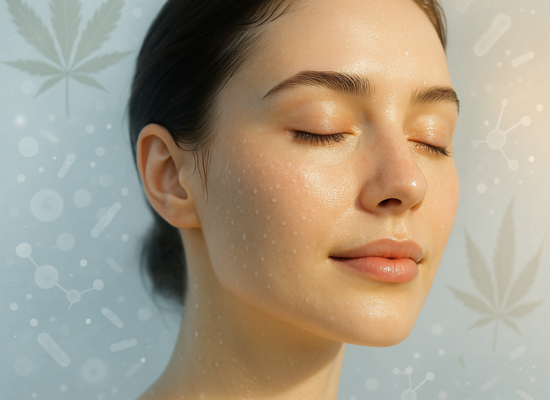
Winter weather can wreak havoc on your skin. As temperatures drop and indoor heating kicks in, many people notice their skin becoming drier, more sensitive, and prone to flare-ups of acne or eczema. But emerging research suggests that cannabis-based skincare products, combined with an understanding of your skin’s microbiome, may offer a science-backed solution to these seasonal challenges.
This article explores how cannabinoids like CBD work with your skin’s natural systems to address winter-specific skin concerns, what the clinical evidence shows, and how to build an effective routine that supports both your skin barrier and its microbial ecosystem.


Why Winter Is Especially Hard on Your Skin
Your skin faces unique challenges during colder months. Research shows that transepidermal water loss (TEWL) nearly doubles in winter compared to summer, meaning your skin loses moisture at an accelerated rate. This compromised barrier function doesn’t just cause dryness—it disrupts your skin’s delicate microbiome.
The skin microbiome is a complex community of bacteria, fungi, and other microorganisms that live on your skin’s surface. When functioning properly, these microbes help protect against pathogens, regulate inflammation, and maintain barrier integrity. However, winter-induced environmental stress can cause microbial dysbiosis—an imbalance in these beneficial bacteria—which may contribute to inflammatory skin conditions like eczema and acne.
Key winter skin challenges include:
- Increased water loss through the skin barrier
- Disrupted microbiome balance
- Heightened inflammatory responses
- Reduced lipid production
- Greater sensitivity to irritants
Your Skin’s Built-In Cannabis System
Before understanding how cannabis skincare works, it’s important to know that your skin already contains its own cannabinoid system. The endocannabinoid system (ECS) of the skin plays a crucial role in maintaining skin homeostasis, regulating everything from barrier function to inflammation and oil production.
This system includes:
- Cannabinoid receptors (CB1 and CB2) found in skin cells
- Endocannabinoids naturally produced by your body
- Enzymes that regulate cannabinoid activity
When you apply cannabinoid-rich topicals, compounds like CBD interact with these receptors to potentially help restore balance—particularly useful when winter stress throws your skin off equilibrium.
How CBD and Cannabis Compounds Address Winter Acne
Acne doesn’t take a winter break. In fact, some people experience worse breakouts during colder months due to combination of factors: thicker moisturizers, compromised barriers allowing bacterial overgrowth, and inflammation from environmental stress.
Recent research demonstrates that CBD can inhibit inflammation caused by C. acnes, the bacteria associated with acne breakouts. The study found that CBD works through CB2 receptors and TRPV1 channels to reduce inflammatory markers and sebum production.
A comprehensive 2025 review on cannabidiol in skin health highlights CBD’s multiple mechanisms for acne management:
- Anti-inflammatory properties that calm irritated skin
- Sebum-regulating effects to prevent clogged pores
- Antibacterial action against acne-causing bacteria
- Antioxidant protection against environmental damage
Importantly, clinical evidence compiled from multiple studies shows promise for cannabis-based products in treating various inflammatory skin conditions, including acne, though more large-scale trials are needed.
Cannabis Topicals for Winter Eczema Relief
Eczema (atopic dermatitis) often worsens in winter, and the connection to your skin microbiome is becoming clearer. Research shows that S. aureus bacteria and microbiome dysbiosis play a significant role in eczema flare-ups, with winter conditions potentially exacerbating this imbalance.

Cannabis-derived ingredients may help address eczema through multiple pathways:
Barrier restoration: Hemp seed oil has shown particularly promising results. A 20-week clinical study found that dietary hempseed oil significantly improved skin barrier function in patients with atopic dermatitis, reducing symptoms and improving quality of life.
Anti-inflammatory effects: CBD’s interaction with the endocannabinoid system may help modulate immune responses that drive eczema inflammation.
Microbiome support: Some evidence suggests cannabinoids may help maintain healthier bacterial balance on skin, though this area needs more research.
A 2024 clinical trial documented measurable benefits, including a 21% reduction in skin redness (erythema) and protection against DNA damage in skin cells.
Building Your Cannabis Winter Skincare Routine
An effective winter skincare routine that incorporates cannabis products should focus on three key goals: strengthening your barrier, supporting your microbiome, and managing inflammation.
Morning routine:
- Gentle, pH-balanced cleanser (avoid harsh surfactants that strip microbiome)
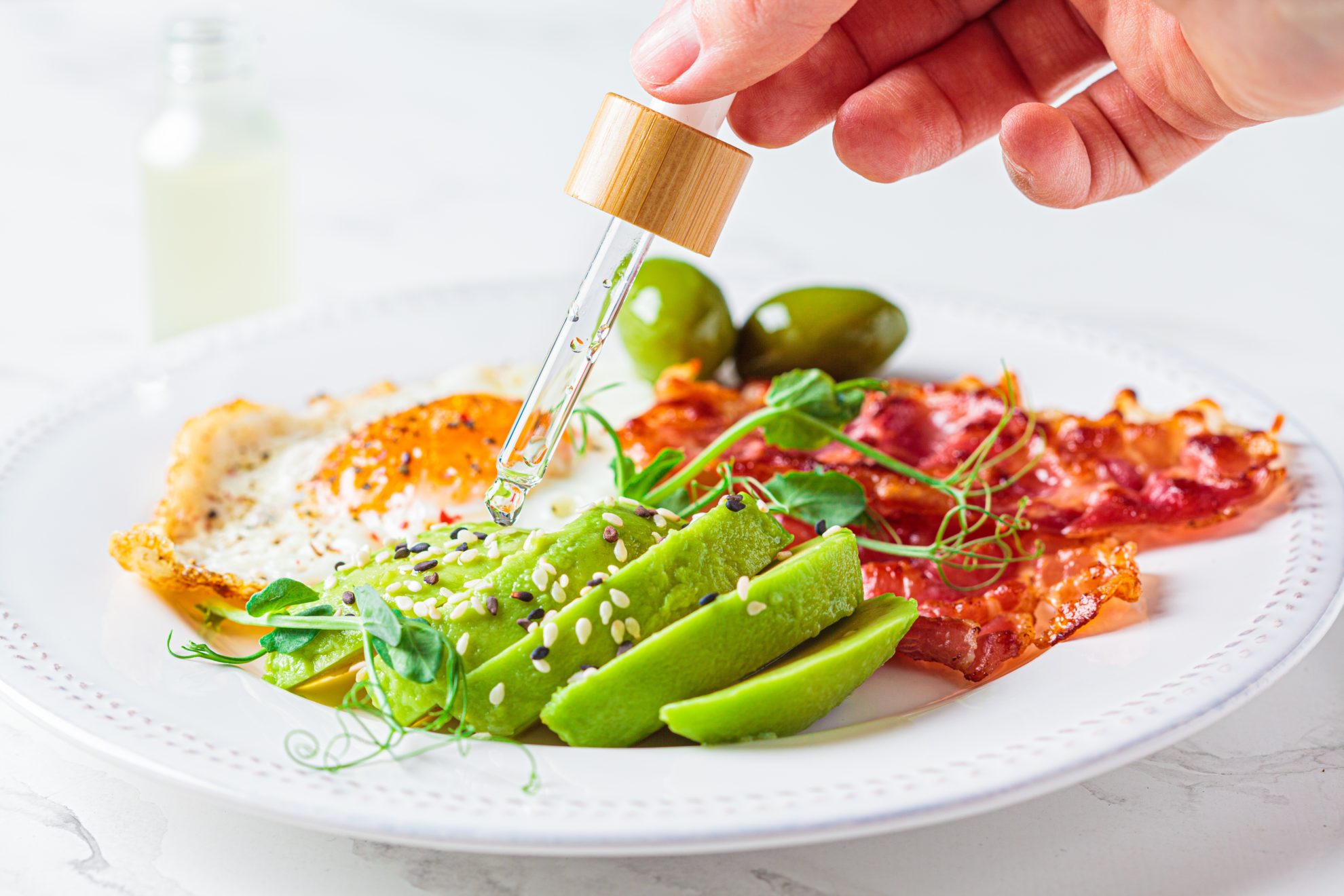
- CBD or hemp seed oil serum for barrier support
- Moisturizer with ceramides and fatty acids
- Broad-spectrum SPF (yes, even in winter)
Evening routine:
- Double cleanse if wearing makeup or sunscreen
- Cannabis-infused treatment product targeting specific concerns
- Richer moisturizer or facial oil
- Occlusive layer for extra dry areas
Additional considerations:
- Choose products with full-spectrum or broad-spectrum hemp extract rather than CBD isolate when possible, as other cannabinoids and terpenes may provide additional benefits
- Look for formulations that include postbiotics or prebiotics to actively support your skin microbiome
- Patch test new products, especially if you have sensitive or eczema-prone skin
- Allow at least four to six weeks to evaluate effectiveness
What to Look for in Quality Cannabis Skincare
Not all cannabis skincare products are created equal. When selecting products:
- Check for third-party lab testing confirming cannabinoid content
- Look for products formulated with skin-friendly carrier oils like jojoba, squalane, or hempseed oil
- Avoid products with high amounts of essential oils or fragrance, which can irritate winter-stressed skin
- Consider the concentration—products typically contain 1–10 mg of CBD per application
- Research the extraction method—CO2 extraction is generally preferred for purity
The Bottom Line
Cannabis-infused skincare represents a promising intersection of traditional botanical medicine and modern dermatological science. While research is still evolving, current evidence suggests that cannabinoids like CBD may help address winter-specific skin challenges through their anti-inflammatory, barrier-supporting, and potentially microbiome-friendly properties.
However, it’s important to maintain realistic expectations. Cannabis topicals aren’t miracle cures, and they work best as part of a comprehensive skincare approach that includes proper cleansing, moisturizing, sun protection, and lifestyle factors like hydration and sleep.
If you have severe acne, eczema, or other skin conditions, consult with a dermatologist before dramatically changing your routine. Cannabis skincare products can complement medical treatments but shouldn’t replace professional care when needed.
As winter approaches, supporting your skin’s natural defense systems—both its cannabinoid system and its microbiome—may help you maintain healthier, more comfortable skin throughout the cold months ahead.
References
- National Center for Biotechnology Information. (2025). Cannabidiol in Skin Health and Disease. PMC.
- National Center for Biotechnology Information. Cannabidiol Inhibits Inflammation Induced by Cutibacterium acnes-Derived Extracellular Vesicles via Activation of CB2 Receptor in Keratinocytes. Journal of Inflammation Research.
- National Center for Biotechnology Information. The Role of the Skin Microbiome in Acne: Challenges and Future Therapeutic Opportunities. PMC.
- National Center for Biotechnology Information. (2009). The Endocannabinoid System of the Skin in Health and Disease. PMC.
- National Center for Biotechnology Information. Therapeutic Potential of Cannabidiol (CBD) for Skin Health and Disorders. PMC.
- CRx Magazine. (2024). Clinical Trial: Cannabis for Skin Protection.
- Callaway, J., et al. (2005). Efficacy of dietary hempseed oil in patients with atopic dermatitis. Journal of Dermatological Treatment.
- PubMed. (2023). Staphylococcus aureus and Atopic Dermatitis: Role in Pathogenesis and Microbiome Dysbiosis.
- National Center for Biotechnology Information. Postbiotics and Skin Microbiome Modulation. PMC.
- National Center for Biotechnology Information. Seasonal Variations in Transepidermal Water Loss. PMC.


Sign up for bi-weekly updates, packed full of cannabis education, recipes, and tips. Your inbox will love it.