

 Merch
Merch Medical card
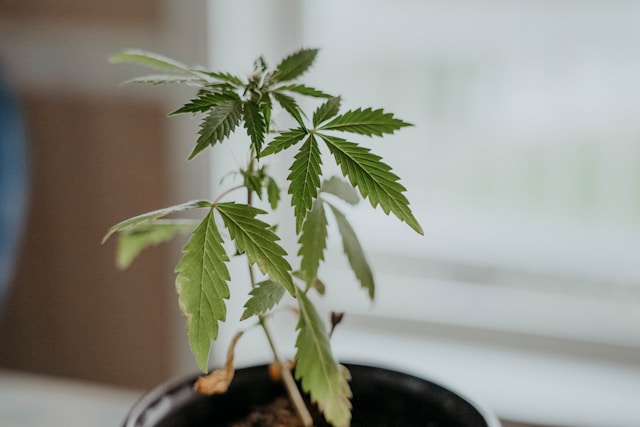
Everything you need to set up before germination: soil, irrigation, site selection, and organic cannabis growing methods that work with nature, not against it.
Interest in growing cannabis at home has never been stronger. With more U.S. states legalizing home cultivation each year and energy costs making indoor grows increasingly expensive, choosing to grow cannabis outdoors has become the most practical, planet-friendly option for many home growers. Before you ever drop a seed into soil, though, the real work happens in the planning phase: the right site, the right soil, and the right systems can make the difference between a thriving plant and a frustrating season. Ideally, start your soil prep four to six weeks before germination so amendments have time to integrate fully.


This guide walks you through everything you need to set up before germination, from checking your local rules to building living soil that actually feeds your plants.
First: check your local home-grow laws. Regulations vary widely by state, county, and municipality. Most jurisdictions that allow home growing impose plant limits (commonly three to six plants per household), security requirements such as locked enclosures, and restrictions on visibility from public spaces. Always verify current 2026 rules with your local authority before you plant anything.

Soil Preparation for Outdoor Cannabis Growing
Outdoor cannabis plants thrive in loamy, well-drained soil rich in organic matter, ideally in the 3–5% range. A healthy pH between 6.0 and 7.0 keeps nutrients available to roots; outside that window, even a well-amended bed can lock out the minerals your plants need. Good cation exchange capacity (CEC) helps the soil hold and release nutrients gradually, reducing the chance of deficiency or toxicity.
Don’t guess at your soil’s baseline. Simple home soil testing with a pH meter gives you an immediate read on acidity. For a more complete picture, including organic matter percentage, nutrient levels, and biological activity, consider sending a sample to a certified lab. The investment is modest and the data pays dividends all season.
Fixing What You Find
- Too acidic (below 6.0): Work in agricultural lime to raise pH gradually.
- Too alkaline (above 7.0): Elemental sulfur or acidifying compost can bring it down.
- Nutrient-poor: Compost, worm castings, and perlite improve both nutrition and structure. Perlite is especially useful for opening up dense, clay-heavy soil and improving drainage.
- Interpreting your lab results: Soil test data can guide you toward the right amendments for each growth stage, from vegetative through late flowering, so your cannabis plants get what they need when they need it.
What Is Living Soil and Why It Matters for Cannabis
The term “living soil” refers to a biologically active growing medium teeming with beneficial fungi, bacteria, and microorganisms that cycle nutrients naturally. Larger soil volumes stabilize moisture and nutrients far better than small individual containers. That buffer effect means plants are less vulnerable to the watering mistakes that trip up new growers.
Watering and Irrigation for Outdoor Cannabis Plants
Consistency matters more than volume. Uneven watering, either flooding and then drought, stresses roots and invites disease. For container grows, drip and spray-stake systems deliver precise, repeatable moisture with less labor than hand watering by hose. Both are scalable and affordable.
Fabric pots in particular benefit from a high-frequency, low-volume approach: small amounts of water delivered more often prevent the soil from swinging between saturated and bone-dry. Good drainage is non-negotiable. Waterlogged roots are an invitation to pythium and other root pathogens that can wipe out a plant fast.
Water quality is worth a quick check, too. Very hard water or heavily chlorinated municipal water can suppress soil biology over time. If that’s a concern, letting tap water sit uncovered for 24 hours off-gasses most chlorine, or you can use a basic inline filter.
Sun, Site, and Privacy
Cannabis is a sun-hungry plant. Aim for at least six to eight hours of direct sunlight daily, with midday and afternoon exposure being ideal. Cold, wet, or consistently windy corners of your yard will slow growth and encourage mold.
Before you commit to a spot, observe it across a full day. Trees, fences, and neighboring buildings can cast shade you’d never notice at a glance. Urban balconies often surprise growers with how much light they actually receive once they track it carefully.
Odor, privacy, and security are real considerations. Screens, trellises with climbing plants, or a locked enclosure not only keep your garden discreet but may also be legally required in your jurisdiction.

Containers vs. Raised Beds
Both approaches work well outdoors. The right choice depends on your space, mobility needs, and how deeply you want to invest in soil biology.
| Aspect | Large Containers (Fabric Pots) | Raised Beds |
| Root zone | Mobile but limited volume; air-pruning encourages dense root structure | Large, stable, and supports deeper root systems with better long-term biology |
| Watering | Dries faster; benefits from more frequent, lower-volume irrigation | Holds moisture longer; more forgiving of missed waterings |
| Soil life | Good in fabric pots, though easier to disturb between cycles | Excellent for sustained living soil communities across multiple seasons |
Why Organic Cannabis Growing Outdoors Makes Sense in 2026
The case for organic outdoor cannabis growing has grown stronger alongside rising energy costs and growing consumer demand for clean, traceable products. Organic cannabis cultivation avoids synthetic fertilizers and harsh pesticides that can degrade soil structure, harm the beneficial insects your garden depends on, and leach into local waterways.
Healthy soil biology also supports nutrient cycling and terpene expression, the aromatic compounds that give cannabis cultivars their distinctive character. Compared to indoor, synthetic-intensive cultivation, a well-managed organic outdoor garden produces less waste, consumes no artificial lighting, and builds fertility over time rather than depleting it.
Living soil approaches used by experienced outdoor growers demonstrate real reductions in runoff, improved biodiversity in the growing environment, and a lighter overall footprint. For home growers who want results they feel good about, organic and regenerative methods are the natural starting point.
What Do You Need Before Growing Cannabis Outdoors?
Your Pre-Germination Prep Checklist
- Confirm 2026 home-grow laws in your municipality, including plant limits and security rules
- Choose your site: track sun exposure across a full day, note shade sources, assess privacy and odor management
- Test your soil: use a pH meter at minimum, or send a sample to a lab for a complete nutrient and biology profile
- Decide on containers or raised beds based on your space, mobility needs, and long-term growing goals
- Set up your irrigation: drip lines or spray stakes for containers; plan for consistent, low-volume watering
- Source organic amendments: compost, worm castings, perlite, and mulch before planting season begins
Good preparation is the most underrated part of any successful outdoor grow. Every home grower who takes time to get these fundamentals right before germination gives their cannabis plants the best possible start. Get the soil, the sun, and the system right before you ever need them, and your garden will reward you all season long.


Sign up for bi-weekly updates, packed full of cannabis education, recipes, and tips. Your inbox will love it.