

 Merch
Merch Medical card
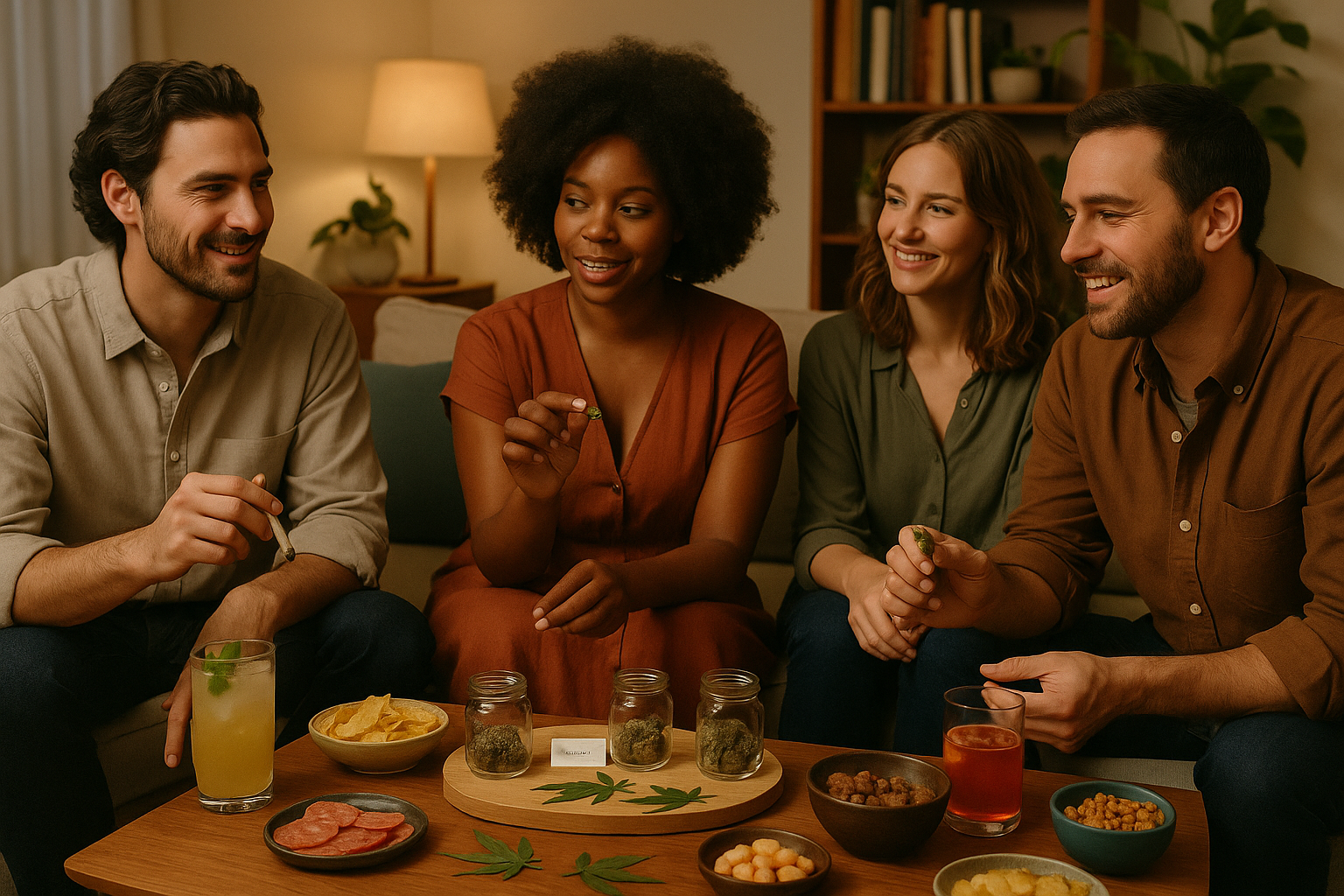
Low-dose cannabis is moving into dinner parties, backyard gatherings, and cocktail-hour alternatives. A 2026 study in the Journal of Psychoactive Drugs found that people who switched to cannabis beverages cut their weekly alcohol intake by about half, with many citing the familiar social ritual of holding a drink as a factor. The sober-curious movement, new beverage options, and growing comfort with social cannabis consumption are driving this shift, and anyone planning cannabis hosting for the first time is looking for practical guidance on THC dosing, format, and what to keep on hand when a guest goes a little past their comfort zone.
Low-Dose Cannabis: Finding the Right Amount for Social Settings
A 2017 double-blind trial at the University of Chicago tested oral THC at two doses during a simulated social stressor. Participants who received 7.5mg reported less stress than the placebo group, and their stress levels dropped faster afterward. Those who received 12.5mg reported more negative mood and rated the task as more threatening. The pattern confirms a biphasic effect: a moderate dose eased social pressure, while a slightly higher one made it worse.

For guests with little cannabis edibles experience, a low-dose cannabis approach starting at 2.5 to 5mg of THC is a reasonable range. Occasional consumers may feel comfortable at 5 to 7.5mg. The Cannigma’s guide to microdosing cannabis covers biphasic dose-response curves and titration techniques in more detail.
Individual variation complicates any fixed recommendation. Oral cannabis passes through the liver, where enzymes convert THC into 11-hydroxy-THC, a more potent metabolite. Differences in CYP2C9 enzyme activity, body composition, cannabis tolerance, and stomach contents all shape THC sensitivity from person to person. A host’s best strategy: provide the lowest practical dose and let guests decide whether to take more after 60 to 90 minutes.
Traditional Remedies for Too Much Cannabis: Lemonade, Pine Nuts, and Black Pepper
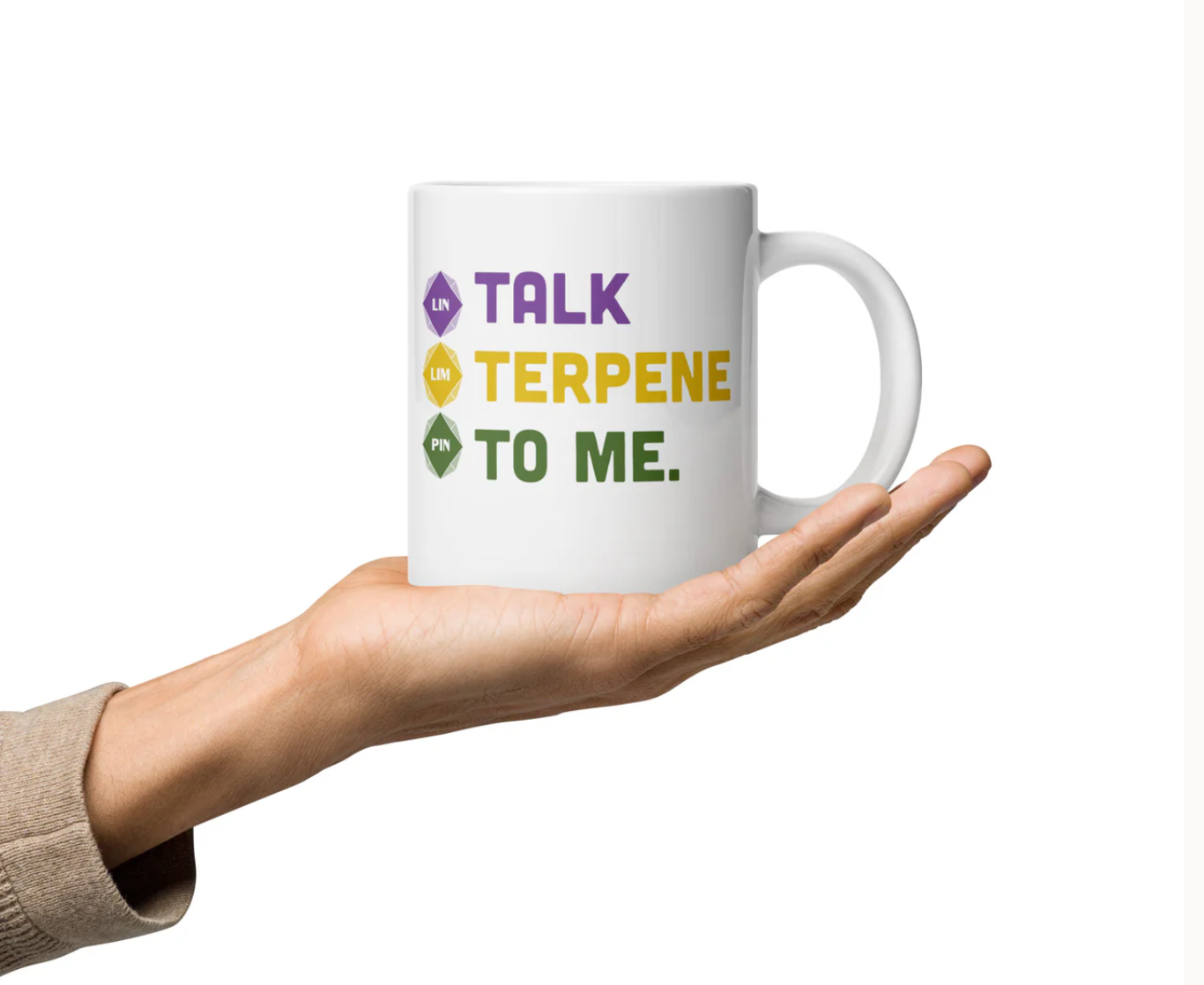
In his 2011 review in the British Journal of Pharmacology, neurologist Ethan Russo documented centuries of traditional methods for counteracting cannabis overconsumption. Tenth-century Persian physicians prescribed citrus fruits. Practitioners across the Middle East and Europe used pine nuts, calamus root, and black pepper. Russo attributed the plausible mechanisms to specific terpenes: limonene in citrus, alpha-pinene in pine nuts, and beta-caryophyllene in black pepper.
A 2024 human trial published in Drug and Alcohol Dependence gave those traditions a modern test. Twenty adults completed nine sessions in which they inhaled vaporized THC alone, d-limonene alone, both combined, or placebo. D-limonene reduced THC-induced anxiety in a dose-dependent pattern without altering other THC effects. Russo co-authored the study, and a Cannabis Science and Technology summary of his 2024 presentation traced the lemon-as-antidote thread from the 10th century through the present.
A few caveats: the 2024 trial used inhalation, not oral consumption, and enrolled only 20 participants. The evidence supports interest, not certainty. Still, keeping lemonade on the bar and pine nuts in the snack spread gives you a plausible, low-risk fallback rooted in a long historical track record.
The Black Pepper Connection
Beta-caryophyllene, abundant in black pepper, acts as a selective CB2 receptor agonist. A 2014 study in Physiology & Behavior found it reduced anxiety-like behavior in mice through CB2 activation. This is preclinical, animal-model evidence. No controlled human trial has tested whether chewing peppercorns reduces THC-induced anxiety, despite the widespread anecdotal recommendation.
How Terpenes Interact with Cannabis: Current Research
The broader question of how terpenes interact with cannabinoids remains open. A 2023 study in Biochemical Pharmacology found that several terpenes, including limonene and linalool, amplified THC’s activation of the CB1 receptor in vitro. A 2020 study in Frontiers in Pharmacology reached the opposite conclusion: common cannabis terpenoids did not modulate cannabinoid receptors at natural concentrations. Both studies used lab models, not human subjects. The entourage effect remains a hypothesis with supporters and skeptics producing conflicting results.
Cannabis Beverages for Social Events: Faster Onset, Better Control
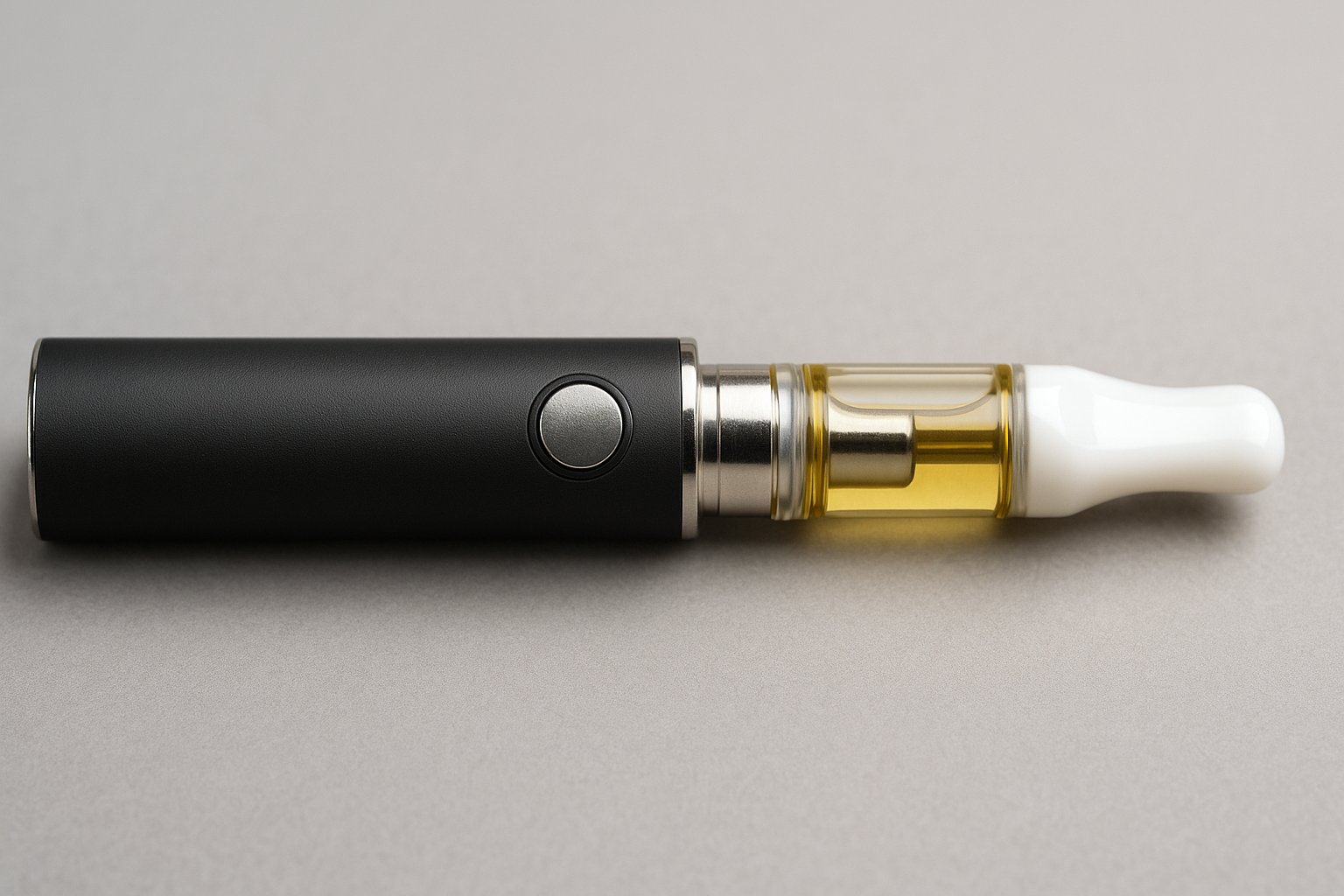
Traditional cannabis edibles absorb through the gut with 4 to 12% bioavailability and onset time windows of 30 minutes to two hours. That unpredictability creates problems at social events, where guests may take a second dose before the first one hits. Many cannabis beverages use nano-emulsified cannabinoids, which can produce effects within 10 to 20 minutes and absorb more consistently. The faster feedback loop helps guests calibrate in real time.
Does CBD Reduce THC Effects? Mixed Results at Consumer Doses
A 2023 commentary in Neuropsychopharmacology reviewed data showing CBD did not reduce THC-induced cognitive impairment, psychotic-like symptoms, or anxiety at ratios of 1:1 through 3:1. Earlier research used much higher CBD doses (600mg as pretreatment) and found some attenuation of psychotic-like effects. Products with balanced CBD-to-THC ratios remain a conservative option for cautious guests, but the “CBD cancels out THC” narrative overstates current evidence.
How to Host a Low-Dose Cannabis Gathering
- Label everything with THC content per serving, format, and expected onset time
- Keep non-infused food, drinks, and snacks available throughout
- Stock lemonade and set out pine nuts as traditional comfort options
- Advise guests against combining cannabis with alcohol
- Plan transportation, and remind guests before they consume
- Create a quiet space for anyone who needs to step back
- Respect guests who choose not to consume
Frequently Asked Questions
What is the best THC dose for a social setting?
For people with little edible experience, 2.5 to 5mg of THC is a reasonable starting point. A 2017 double-blind study found that 7.5mg THC reduced stress during a social task, while 12.5mg increased negative mood. Start low, and give guests the option to take more after 60 to 90 minutes.
Can lemonade or pine nuts reduce a cannabis high?
Traditional practitioners in Persia, the Middle East, and Europe used citrus fruits, pine nuts, and black pepper to counteract cannabis overconsumption for centuries. Modern research suggests d-limonene (abundant in lemons) may reduce THC-induced anxiety, though most evidence comes from small studies and preclinical models.


Are cannabis beverages a good option for social events?
Cannabis beverages offer familiar social rituals (holding a drink, sipping at a pace) and often use nano-emulsified cannabinoids for faster, more predictable onset than traditional edibles. A 2026 peer-reviewed study found that cannabis beverage users cut their weekly alcohol intake roughly in half.
Does CBD cancel out THC?
The clinical picture is more complicated than popular belief suggests. A controlled study found that CBD did not reduce THC-induced impairment, anxiety, or intoxication at commercially available ratios (1:1 through 3:1). Balanced CBD-to-THC products remain a conservative choice, but CBD’s moderating effect on THC is not firmly established at typical consumer doses.
Why do cannabis edibles affect people so differently?
Oral cannabis undergoes first-pass metabolism in the liver, converting THC to 11-hydroxy-THC, a more potent compound. Individual differences in CYP2C9 enzyme activity, body composition, cannabis tolerance, stomach contents, and endocannabinoid tone all influence THC sensitivity. A 5mg gummy can feel mild to one guest and overwhelming to another.
References
- Childs, E., et al. “Dose-related effects of delta-9-THC on emotional responses to acute psychosocial stress.” Drug and Alcohol Dependence, 2017.
- Russo, E.B. “Taming THC: potential cannabis synergy and phytocannabinoid-terpenoid entourage effects.” British Journal of Pharmacology, 2011.
- Spindle, T.R., Zamarripa, C.A., Russo, E.B., et al. “Vaporized D-limonene selectively mitigates the acute anxiogenic effects of Δ-9-tetrahydrocannabinol in healthy adults.” Drug and Alcohol Dependence, 2024.
- Kruger, D.J., et al. “The Exploration of Cannabis Beverage Substitution for Alcohol: A Novel Harm Reduction Strategy.” Journal of Psychoactive Drugs, 2026.
- Raz, N., et al. “Selected cannabis terpenes synergize with THC to produce increased CB1 receptor activation.” Biochemical Pharmacology, 2023.
- Bahi, A., et al. “β-Caryophyllene, a CB2 receptor agonist produces multiple behavioral changes relevant to anxiety and depression in mice.” Physiology & Behavior, 2014.
- Englund, A., et al. “Controlled human drug administration studies are necessary to define the THC-sparing effects of CBD.” Neuropsychopharmacology, 2023.
- Finlay, D.B., et al. “Terpenoids From Cannabis Do Not Mediate an Entourage Effect by Acting at Cannabinoid Receptors.” Frontiers in Pharmacology, 2020.
- Russo, E.B. “Exploring the Research on THC and D-Limonene.” Presentation summary. Cannabis Science and Technology, 2025.
- The Cannigma. “Microdosing Weed: The Science & How to Do It.”


Sign up for bi-weekly updates, packed full of cannabis education, recipes, and tips. Your inbox will love it.