

 Merch
Merch Medical card
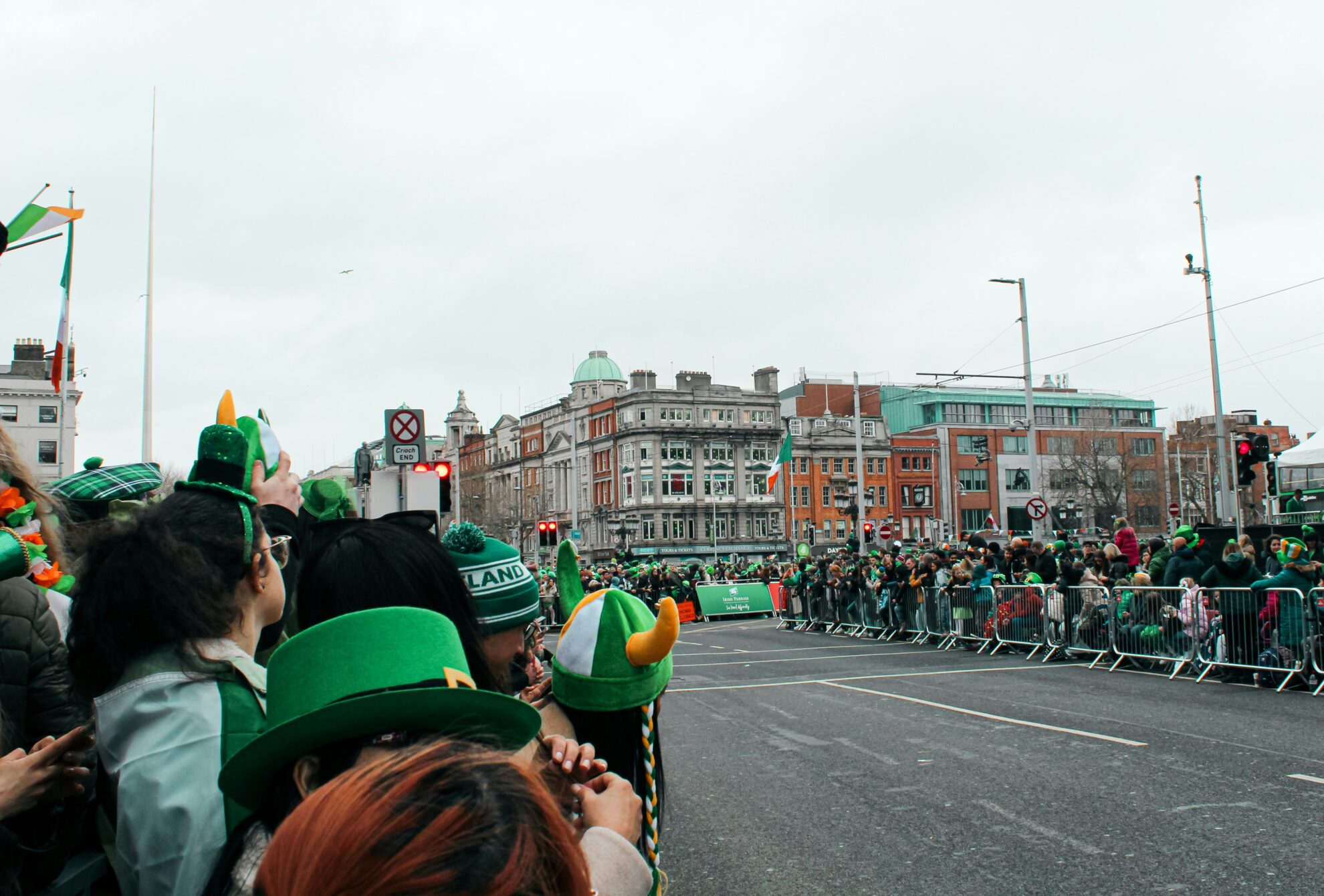
Daily cannabis use has overtaken daily alcohol use in the U.S. for the first time. This March 17th, the emerald isn’t just in your pint glass anymore.
The comparison between cannabis vs alcohol in the United States has shifted from cultural debate to measurable behavioral change. And this St. Patrick’s Day, that shift is showing up in a more literal shade of green than ever before.
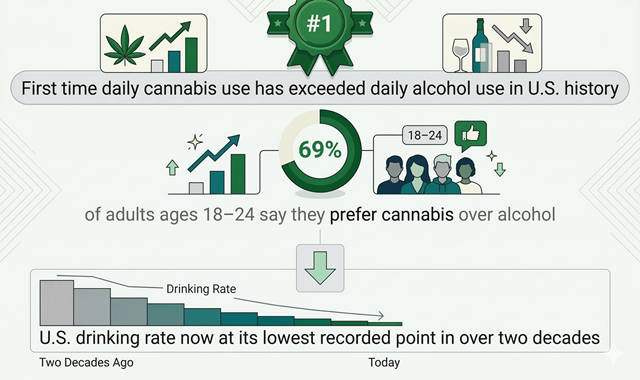
For the first time in recorded U.S. survey history, daily or near-daily cannabis use has surpassed daily alcohol consumption among American adults, according to a decade-long national study drawing on data from the National Survey on Drug Use and Health (NSDUH). That’s not a trend forecaster’s hot take. It’s the finding of rigorous longitudinal research tracking substance use patterns from 2013 to 2023. The emerald revolution, it seems, has arrived — and it smells a lot better than green-dyed beer.


None of this means America is swearing off the pub entirely. Alcohol remains deeply woven into the cultural fabric of celebrations like St. Patrick’s Day, and there’s real joy in a well-poured Guinness. But what many searching for context around weed vs alcohol are finding is not a debate over safety, but a genuine, data-backed shift in preference — and that shift is worth a closer look.
Americans Are Now Using Cannabis Daily More Than They Drink
According to a synthesis of national survey data spanning more than a decade, the share of Americans who use cannabis daily or near-daily has grown dramatically while alcohol consumption trends have moved in the opposite direction. At the same time, Gallup polling shows that U.S. drinking rates have fallen to historic lows, with a record share of Americans now saying they believe even moderate drinking may be harmful to health.
This isn’t just about raw numbers. It reflects a deeper cultural recalibration — one shaped by the sober-curious movement, expanded access to the recreational cannabis market, and a generation that grew up questioning the default assumption that celebrations require alcohol.
How Different Generations Choose Between Cannabis and Alcohol
If you want to understand where this shift is coming from, look no further than the youngest adults at the party. Gen Z is drinking less alcohol than any previous generation at the same age — and when they do reach for something to take the edge off, cannabis is increasingly their preference.
Research cited by CBS News found that 69% of adults ages 18–24 report preferring cannabis to alcohol, citing reasons that range from fewer physical after-effects to a sense that cannabis fits better with their wellness-oriented values. That’s nearly seven in 10 young adults choosing a different kind of toast.
The generational breakdown tells a nuanced story, though:
| Age Group | Cannabis Trend | Alcohol Trend |
|---|---|---|
| 18–30 (Gen Z / young Millennials) | Daily use rising sharply; strong preference over alcohol | Past-year use still higher, but declining |
| 35–50 (Millennials / Gen X) | Daily cannabis converging with daily alcohol | Moderate decline; lifestyle reassessment underway |
| 55–65+ | Growing, but from a low base | Remains the dominant substance in this cohort |
It’s worth noting that past-year alcohol use still outpaces past-year cannabis use overall — especially in older cohorts. The shift is most pronounced in frequency of use: more Americans are choosing cannabis regularly over alcohol, even if alcohol still dominates “special occasion” drinking culture. St. Patrick’s Day, anyone?
What’s Driving the Shift from Alcohol to Cannabis
None of this shift happens in a vacuum. Research on cannabis policy changes and alcohol use patterns suggests that as access to regulated recreational cannabis expands across legal cannabis states, consumption patterns evolve — though the cannabis substitution effect is complex and varies by context. Some studies find evidence of substitution; others find complementary use. The honest answer is that it depends on the population and the product.
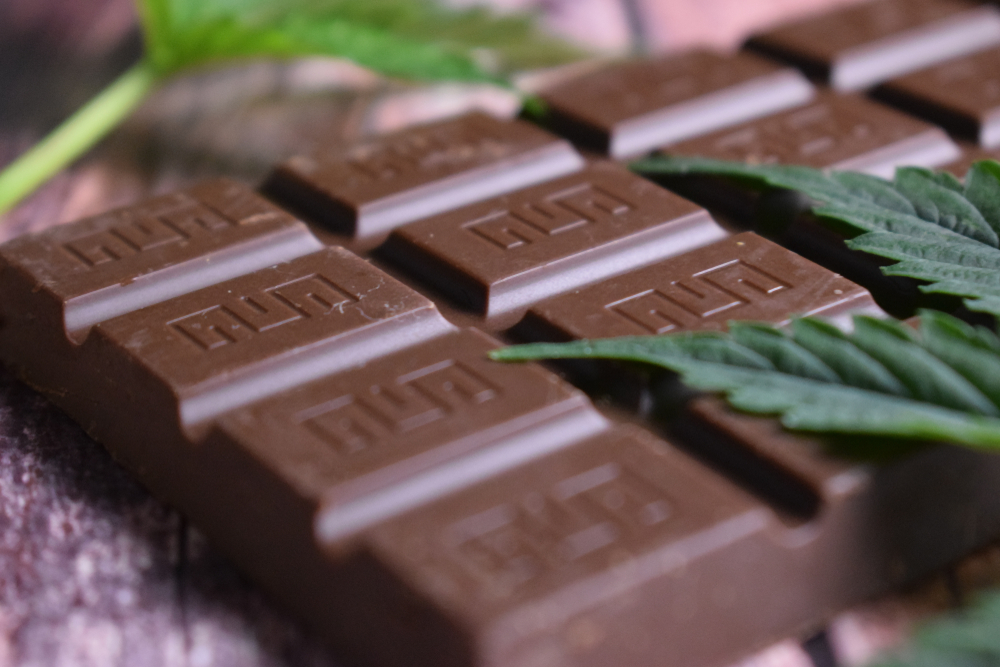
What’s clearer is that legal cannabis markets have transformed the product landscape entirely. Gen Z and Millennials are gravitating toward cannabis edibles and THC-infused drinks — products designed to fit seamlessly into social settings without the smoke or stigma. A THC mocktail at a St. Patrick’s Day gathering? That’s not a niche novelty anymore.
Meanwhile, the wider context of declining tobacco use is worth noting. Analysis of cannabis and cigarette co-use trends shows cannabis-only use rising as cigarette-only use falls, situating the cannabis shift within a broader pattern of Americans rethinking their relationship with substances across the board.
Cannabis Normalization and the Sober-Curious Moment
The emerald in your celebration doesn’t have to come from a bottle. This St. Patrick’s Day, a new tradition is finding its footing — one gummy, one THC seltzer, one social smoke at a time.
The rise of cannabis as a social alternative to alcohol is being driven by more than just policy and product innovation. It’s about perception. Public attitudes toward cannabis and alcohol have shifted meaningfully, with more Americans now viewing cannabis as a less harmful option — regardless of what the clinical literature ultimately shows. Perception shapes behavior, and behavior shapes culture.

This St. Patrick’s Day, that culture is showing up in a more literal shade of green. Celebrations in states with regulated recreational cannabis will include dispensary deals, cannabis-friendly social events, and hosts quietly offering a tray of edibles alongside the cheese board. It’s not replacing the craic or the camaraderie. It’s just expanding what the party can look like.
Ireland’s patron saint famously used the three-leaf shamrock to explain the Holy Trinity. This March 17th, perhaps the three leaves stand for something else: a moment of cultural change, a generation making different choices, and a plant that’s been waiting a very long time for its turn in the spotlight.
The green revolution isn’t coming. It’s already here. Sláinte.
What the Cannabis vs Alcohol Trend Means Going Forward
Survey trajectories suggest this is not a blip. As the recreational cannabis market continues to expand across more U.S. states and product innovation keeps lowering the barrier to entry, cannabis use by generation is likely to keep diversifying — touching more age groups, more occasions, and more celebrations. Public health researchers are still parsing the long-term consequences of these alcohol consumption trends, and the full picture will take years to emerge. But the direction of travel is clear.
Frequently Asked Questions
Do Americans prefer cannabis or alcohol?
- Among adults overall, past-year alcohol use still exceeds past-year cannabis use. But daily cannabis use has now surpassed daily alcohol use for the first time in U.S. history, suggesting that the people who use cannabis regularly use it more often than frequent drinkers drink.
- Among younger adults ages 18–24, surveys find that a majority report preferring cannabis to alcohol when given the choice.
Which generation uses the most cannabis?
- Young adults in the 18–30 range show the highest rates of daily and near-daily cannabis use, with the most dramatic increases over the past decade.
- Midlife adults (35–50) are catching up quickly, with daily cannabis use now converging with daily alcohol use in that cohort.
Is cannabis replacing alcohol in the U.S.?
- The research on cannabis substitution is mixed — some studies find evidence that cannabis legalization is associated with lower alcohol consumption in certain groups, while others find the relationship is more complex.
- What’s clear is that more Americans are choosing cannabis as a social and recreational option alongside, or instead of, alcohol — particularly younger adults and those who identify with wellness-oriented lifestyles.


Sign up for bi-weekly updates, packed full of cannabis education, recipes, and tips. Your inbox will love it.