


 Merch
Merch Medical card
For decades, cannabis culture was built around smoke. Today, it is increasingly built around a chilled can.
Cannabis beverages are one of the fastest-growing segments of the cannabis industry, and the audience is wider than the category has ever drawn before: wellness-minded consumers, cannabis-curious adults trying their first product, and a generation of drinkers experimenting with alternatives to alcohol. Low-dose THC seltzers, terpene-infused tonics, and adult “social elixirs” are moving off niche dispensary shelves and onto mainstream beverage aisles.

This is not just another cannabis trend. It may signal a structural shift in how people consume cannabis — and what social drinking looks like.
Why drinks are suddenly everywhere
Three forces are driving the boom.
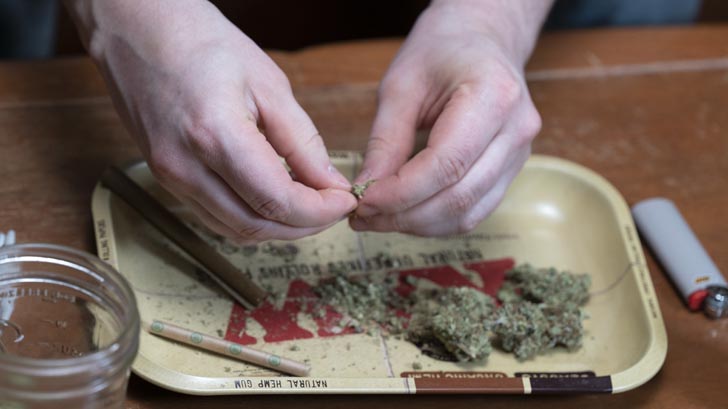
The first is consumer demand for alternatives to smoking. Flower remains the largest cannabis category, but a meaningful share of the market wants something more discreet, more familiar, and more social. A can in your hand reads as normal in a way that lighting a joint never quite has.
The second is product quality. Early cannabis drinks were notorious for poor flavor, inconsistent dosing, and the long, unpredictable onset of traditional edibles. Modern products are different. Nanoemulsion technology — which suspends THC in tiny, water-compatible particles — has shortened onset to roughly 10 to 20 minutes for many beverages, closer to the rhythm of a glass of wine than a brownie. Predictable timing makes drinks “sessionable” in a way edibles never were.
The third is wellness culture. Consumer interest has moved away from peak intoxication and toward functional experiences — relaxation, focus, sleep, social ease. Low doses fit that brief. Heavy doses do not.
The low-dose movement
The clearest expression of this shift is the rise of low-dose products, typically 2 to 10 mg of THC per serving. For most consumers, that range produces a controlled, sociable lift rather than an overwhelming high.
Low-dose beverages have opened the category to audiences cannabis brands could not reach before: wellness consumers, older demographics, the cannabis-curious, and a fast-growing cohort cutting back on alcohol. In many ways, the cannabis drink aisle is starting to look less like a dispensary and more like the craft beverage industry, where brands compete on flavor, ingredients, lifestyle, and design as much as on potency.
Sparkling waters, botanical tonics, mocktails, infused teas, and adult social elixirs are appearing across North America and, increasingly, in parts of Europe.
The alcohol question
The most disruptive part of the cannabis beverage story may be its overlap with the alcohol-free movement.
A growing share of younger consumers is embracing what has become known as “California sober” — drinking less alcohol, or none at all, and exploring cannabis instead. THC drinks fit neatly into that shift. Compared with a beer or cocktail, a low-dose cannabis beverage offers fewer calories, no hangover, and a lighter intoxication profile.
Cannabis is not replacing alcohol. But many analysts believe the beverage category could become one of the cannabis industry’s largest long-term growth engines — and capital is following that thesis. Major alcohol companies, established cannabis operators, and a wave of startups are all investing in cannabinoid drinks and alcohol-alternative formats.


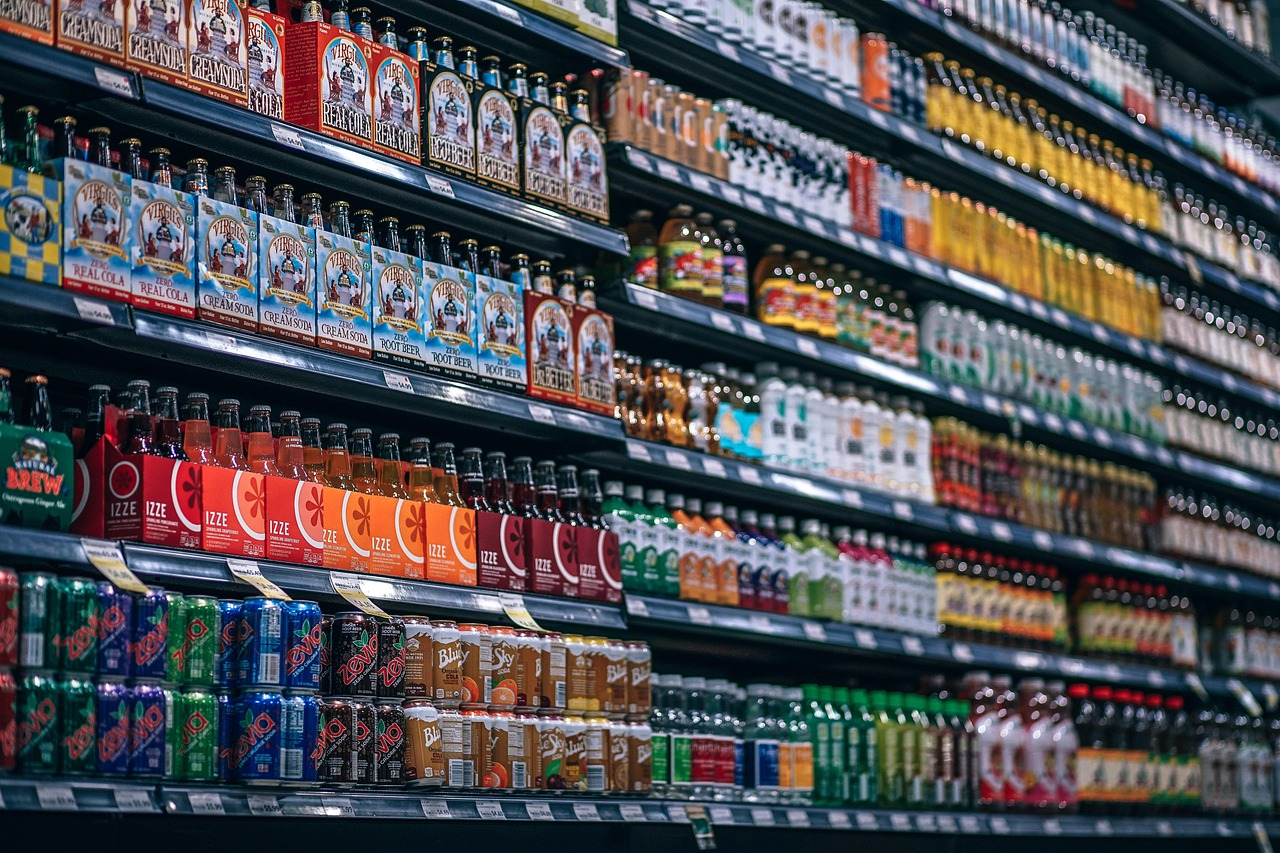
Distribution is following the money. In parts of the United States, hemp-derived THC beverages are appearing in convenience stores, liquor-adjacent retailers, and mainstream beverage shops — not just licensed dispensaries. That kind of shelf presence is doing more to normalize cannabis than a decade of advocacy.
Terpenes and functional drinks
Cannabis is also colliding with the functional beverage trend. Brands are formulating drinks around specific outcomes — relaxation, focus, sleep, creativity, social energy — and using terpenes (the aromatic compounds found in cannabis and many other plants) alongside THC or CBD to shape the experience. Some consumers describe this as the “entourage effect,” although the science is still developing.
Many of these products also blend cannabinoids with familiar wellness ingredients: ashwagandha, reishi, L-theanine, turmeric, magnesium, and other adaptogens. The result is a category that reads less like recreational cannabis and more like the modern functional nutrition shelf — a softer entry point for consumers who once found cannabis intimidating.
Regulation is the wild card
Despite the momentum, cannabis beverages remain on uneven legal ground. Rules on THC limits, labeling, interstate commerce, and hemp-derived cannabinoids vary widely between countries and between U.S. states. Some jurisdictions are leaning toward broader acceptance; others are tightening on intoxicating hemp products.
That fragmentation is the single biggest constraint on category scale. As beverages move into the mainstream, regulators are also paying more attention to marketing, packaging, dosage standards, and youth access. The brands most likely to thrive long term are the ones that lead on transparency, responsible marketing, and consumer education rather than wait to be forced into it.
The next chapter of cannabis
Cannabis beverages are still a small share of total cannabis sales. Culturally, though, they are punching well above their weight. The category sits at the intersection of several powerful currents — wellness, alcohol alternatives, functional nutrition, discreet consumption, and the steady normalization of cannabis.
For a growing share of consumers, the future of cannabis may not look like rolling papers or vape cartridges at all. It may look like a sleek sparkling can at dinner, a low-dose tonic at a concert, or a calming infused tea at the end of the day.
As innovation continues and regulation catches up, THC drinks are positioned to become one of the defining cannabis categories of the decade ahead.


Sign up for bi-weekly updates, packed full of cannabis education, recipes, and tips. Your inbox will love it.