

 Merch
Merch Medical card
A state-by-state guide to the cannabis drinks defining summer 2026, from California’s hop-infused sparkling waters to Colorado’s dissolvable powders and New York’s farm-to-can seltzers.
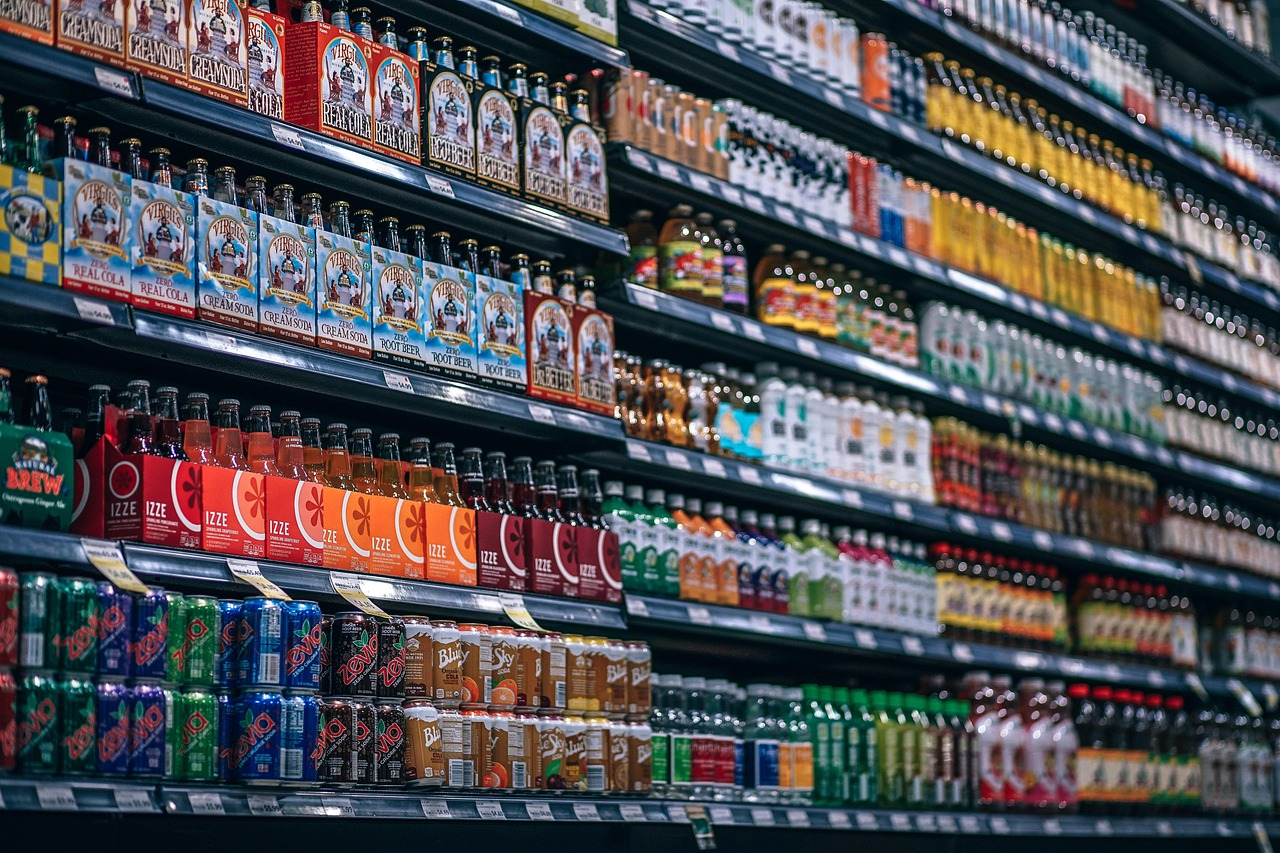
Walk into a dispensary in Los Angeles, Denver, or Manhattan this summer and you’ll find something that looked impossible five years ago: a cooler full of cannabis beverages. Cannabis drinks still account for less than 1% of total regulated cannabis sales, but the category grew 15% year-over-year in early 2025, and the brands stocking those shelves vary wildly depending on the state you’re in. Nearly 40% of drinkers now also consume cannabis, CBD, or THC, with over 60% saying it affects how often they reach for alcohol. For a growing number of consumers, cannabis beverages have become a viable alcohol alternative. That overlap explains the cooler. The differences between states explain why the drinks inside it look, taste, and dose so differently.
Editorial note: This article was reviewed by The Cannigma editorial team. The byline uses a generic team credit; for YMYL cannabis content, individual expert attribution strengthens reader trust and search authority.

California Cannabis Beverages: The Biggest Menu in the Market
California’s cannabis beverage market runs the widest range. Uncle Arnie’s holds the number-two beverage spot statewide, built on 100mg iced teas and lemonades that experienced consumers reach for as a full-session edible in a bottle. On the other end of the dose spectrum, Cann climbed to fourth in California’s beverage rankings by April 2026. Its top seller, the CBD/THC 2:1 Lemon Lavender, delivers 2mg of THC per can, designed to replace a glass of wine at a dinner party rather than a full edible session.
Hi-Fi Sessions by Lagunitas sits between those poles. The line is a collaboration between Lagunitas Brewing (owned by Heineken) and AbsoluteXtracts, pairing Yakima Valley dry-hopped sparkling water with THC extraction. Cloudberry starts at 2mg THC and 2mg CBD; Hoppy Chill and Mango go up to 10mg. For IPA drinkers exploring cannabis beverages, the hop-forward flavor makes it the most intuitive crossover. At $8 to $12 per can in dispensaries, the price point runs higher than most competitors, something worth noting if you’re buying a four-pack. Pabst High Seltzer fills a simpler lane: familiar brand name, 10mg per can, clean citrus flavors, and a lower price.
Colorado Cannabis Beverages: Breweries, Powders, and Sessionable Doses
Colorado’s cannabis beverage scene leans toward craft and experimentation. Ripple ranks as the state’s number-two beverage brand with its dissolvable THC powders. Instead of selling you a finished drink, Ripple lets you add a measured dose of THC to whatever you’re drinking, from morning coffee to sparkling water. It’s a format with no real parallel in the alcohol world.
Ska Brewing represents a different approach: a 30-year Colorado craft brewery pivoting into hemp-derived 1.5mg THC seltzers with 25mg of CBD. The economics tell the story. Craft beer volume fell to 23.1 million barrels in 2024, down from 24 million the prior year. THC seltzers and other cannabis-infused beverages grew 15 to 30% year-over-year. Breweries like Ska and Boulevard Brewing (whose parent company projects THC could reach 25% of seltzer production) are following the growth. Keef rounds out Colorado’s selection with nostalgic sodas, including Bubba Kush Root Beer and Orange Kush, in 10mg and 100mg options that lean into familiar soda formats. Cann and Cycling Frog also hold shelf space, reinforcing the low-dose cannabis beverages that define the sessionable end of Colorado’s cooler.
New York Cannabis Beverages: A Young Market With a Strong Debut
Ayrloom, a brand from Beak & Skiff (a New York orchard operation with 110 years of farming history), launched as the state’s first cannabis beverage. Its 5mg THC and 5mg CBD cans pull from that agricultural heritage, positioning cannabis as an extension of an existing farm-to-table supply chain. Layup’s Fruit Punch took first place for best beverage at the 2026 New York Cannabis Cup, giving the young brand competition-validated credibility. TUNE and Weed Water fill different slots: TUNE offers a sessionable social tonic, while Weed Water strips the format down to still water with THC, no carbonation, no sugar.
New York’s dispensary density and apartment-living culture give cannabis beverages a particular practical appeal. Drinks are discreet, portion-controlled, and don’t require any preparation. For New Yorkers navigating a market with fewer product options than California or Colorado, beverages offer a consistent and accessible entry point.
How to Choose a Cannabis Beverage: Dose, Onset, and Format
BDSA consumer data shows 42% of edible consumers prefer 10mg or less per occasion, with 2.5 to 5mg as the most common microdose choice. If you’re new to cannabis beverages, that range (Cann at 2mg, Ayrloom at 5mg, Hi-Fi Sessions Cloudberry at 2mg) is a practical starting point. Give yourself 30 to 45 minutes before reaching for a second can.
Most of these brands use nanoemulsion technology, which breaks THC into smaller particles for faster absorption. Brands report onset times of 15 to 45 minutes, compared to 60 to 120 minutes for traditional edibles. The tradeoff is a shorter duration, typically 2 to 4 hours rather than 4 to 8. Those figures come from manufacturers, and individual results vary based on metabolism, tolerance, and food intake.
One regulatory distinction matters at the point of purchase: state-licensed cannabis beverages (Hi-Fi Sessions, Uncle Arnie’s, Keef) are sold through dispensaries only. Hemp-derived THC beverages, made with THC extracted from hemp under the 2018 Farm Bill, may appear in liquor stores, convenience shops, and online retailers. Some brands operate in both channels. The FY2026 Agriculture Appropriations Bill set a November 2026 enforcement deadline that could reshape the hemp-derived side of the market, so the rules here may shift in the months ahead.
Cannabis beverages represent a small but fast-moving segment. BDSA tracked $54.6 million in regulated beverage sales in Q1 2025 alone, while the broader category (including hemp-derived products) reached approximately $450 million. The brand count consolidated from 148 to 117 in the same period, a sign that the market is maturing around the brands with staying power. The cooler in your local dispensary will look a bit different depending on the state, but the trend lines point in the same direction: more formats, more dose options, and more consumers reaching for cannabis drinks as part of their summer routine.
Frequently Asked Questions
How fast do cannabis beverages take effect compared to traditional edibles?
Most cannabis beverages use nanoemulsion technology, which breaks THC into smaller particles for faster absorption. Brands report onset times of 15 to 45 minutes, compared to 60 to 120 minutes for traditional edibles. Effects also tend to last a shorter period, typically 2 to 4 hours versus 4 to 8 hours for standard edibles. Individual experiences vary based on metabolism, tolerance, and whether you’ve eaten recently.


Can you buy cannabis beverages outside of a dispensary?
It depends on the product. State-licensed THC beverages (like Hi-Fi Sessions and Uncle Arnie’s) are sold through dispensaries only. Hemp-derived THC beverages, which contain THC sourced from hemp under the 2018 Farm Bill, may be available through liquor stores, convenience shops, and online retailers in many states. Federal enforcement deadlines in late 2026 could change the hemp-derived landscape. Check local regulations before purchasing.
What dose of THC should a beginner look for in a cannabis drink?
BDSA consumer data shows that 42% of edible consumers prefer 10mg or less per occasion, with 2.5 to 5mg being the most common choice. Brands like Cann (2mg THC), Ayrloom (5mg THC), and Hi-Fi Sessions Cloudberry (2mg THC + 2mg CBD) target that range. Starting low and waiting at least 45 minutes before having another drink is a common approach for new consumers.
Are cannabis beverages replacing alcohol for some consumers?
Consumer data suggests growing overlap. Datassential found that nearly 40% of drinkers also consume cannabis, CBD, or THC, and over 60% say it affects how often they drink alcohol. Among Gen Z consumers, 38% have expressed interest in cannabis-infused beverages as an alcohol alternative. Several brands, including Cann and Hi-Fi Sessions, position themselves in the alcohol-alternative space.
Beyond seltzers, what other cannabis beverage formats are available?
The category spans hop-infused sparkling waters, THC-infused iced teas and lemonades, social tonics, dissolvable powders you can add to any drink, 750ml bottles designed to replace spirits like gin or tequila, nostalgic sodas in flavors like root beer, and still waters with no carbonation or sugar. Format diversity is one of the fastest-growing aspects of the market.
References
- BDSA. “2025 Cannabis Beverage Market: BDSA Insights of Emerging Trends & Top Brands.” 2025.
- The Cannigma. “Cannabis Strains and Products Trending in 2026: What the Sales Data Shows.” April 2026.
- Datassential. “Non-Alcoholic Beverage Trends 2026: Why Americans Are Drinking Less.” January 2026.
- CoBank. “What’s Replacing Alcoholic Beverages?” 2025.
- The Drinks Business. “Craft Brewers Turn to THC Drinks for Growth as Legal Uncertainty Looms.” February 2026.
- Supplement News. “The Cannabis Beverage Market: Regulation, Growth, and Consumer Trends (2026).” April 2026.
- MetroBud NYC. “THC Drinks NYC: Your 2026 Guide to Cannabis-Infused Beverages.” March 2026.
- High Times. “New York Cannabis Cup Winners 2026.” February 2026.
- amNewYork. “Ayrloom Brings Lineup of Cannabis-Infused Beverages to New York’s Edible Market.” April 2025.
- Lagunitas Hi-Fi / ABX. “What Is Hi-Fi Sessions?” 2022.


Sign up for bi-weekly updates, packed full of cannabis education, recipes, and tips. Your inbox will love it.