

 Merch
Merch Medical card
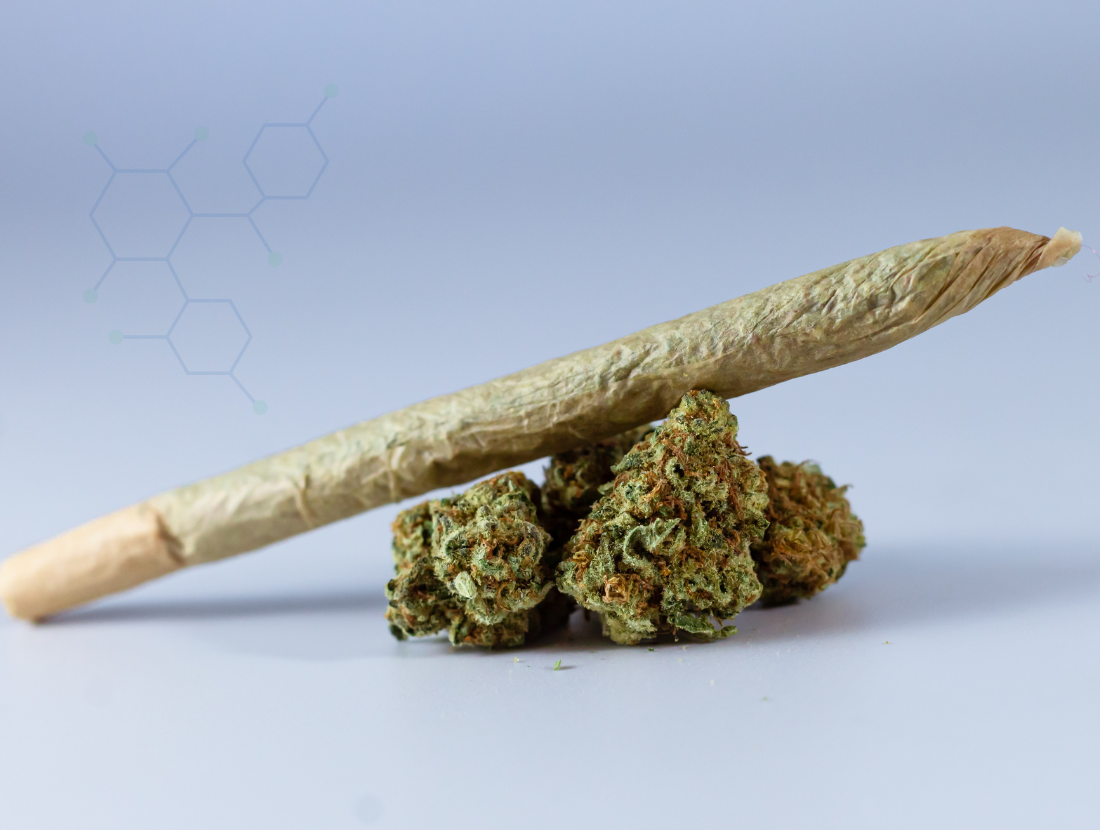
Blue Dream is still on top, infused pre-rolls are outpacing flower, and THC beverages are growing fast from a very small base. Sales figures from Headset, BDSA, and Leafly clarify which 2026 cannabis trends are real and which ones are retail noise.
Walk into a dispensary in early 2026 and the cannabis trends reshaping the market are visible on the shelves. Pre-rolls have taken over more floor space. Beverages have their own cooler. The flower menu lists terpene profiles next to THC percentages. Cannabis sales data from Headset, BDSA, and Leafly confirms these aren’t store-level quirks: consumer behavior has shifted across cannabis product categories, and the strains leading the flower charts tell a clear story about what people trust versus what generates buzz.
The defining cannabis trends of 2026 are the dominance of infused pre-rolls, a market-wide shift toward terpene-profile selection, rapid growth in THC beverages from a small base, and continued strength of legacy strains like Blue Dream across national flower charts.


Best-Selling Cannabis Strains in 2026: Legacy Genetics Still Lead
Blue Dream is still number one nationally. The Marijuana Herald’s March 2026 analysis, drawing from state commission data, Headset, and Leafly, found Blue Dream at the top of national flower sales, with particular strength in Alaska, California, and several other states. Leafly’s 2025 bestseller data shows it topped charts in Arizona, California, Missouri, New York, and Virginia.
The rest of the perennial list looks familiar: Runtz, Wedding Cake, Ice Cream Cake, Gelato, Jack Herer, Zkittlez, and Biscotti all maintained strong positions through 2025 and into early 2026.
The honest reason these genetics hold? Consistency, availability, and brand recognition. Reliable cultivation and wide distribution keep a cultivar on the chart far longer than novelty does. Consumers who know exactly what Blue Dream delivers keep buying it.
Regional movement is visible in spring 2026 picks. Toad Venom (Animal Face × Sin Mintz) has been difficult to keep stocked in markets where it’s available. Orange Drizzle, a Mimosa × Wedding Cake hybrid originating in Maryland, has earned attention across mid-Atlantic markets. Seed Junky Genetics, Purple City Genetics, and Archive Seed Bank account for many of the genetics driving new releases in the premium tier.
Why 2026 Cannabis Consumers Are Choosing by Terpene Profile
The retail shift from THC-percentage chasing toward terpene-profile selection is one of the defining stories of 2026. Dispensaries are listing terpene profiles on menus, labs analyze them alongside cannabinoids, and Cannabis Business Times reports that operators see terpene transparency as a key differentiator for consumer trust.
The indica/sativa binary has been set aside at the pharmacological level. Chemotype and terpene profile are more accurate predictors of experience than botanical taxonomy. Terpenes interact with the endocannabinoid system and may modulate cannabinoid activity at CB1 and CB2 receptors, a mechanism supporting what researchers call the entourage effect. The clinical evidence is still primarily preclinical, and consumer behavior has outpaced the formal research.
If you want a framework for matching strain chemotype to terpene class, the best cannabis strains guide for 2026 covers this in depth.
Infused Pre-Rolls: The Fastest-Growing Cannabis Product Category
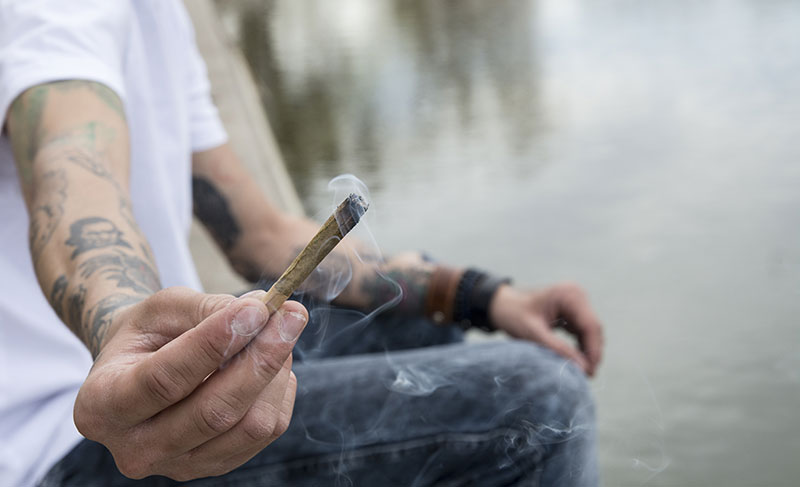
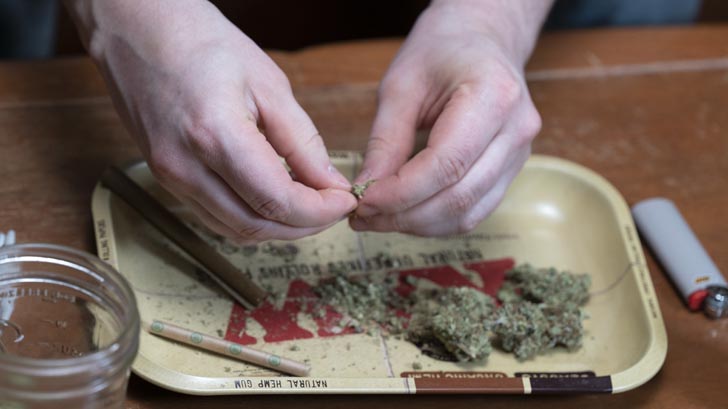
Pre-rolls are now the top-selling cannabis product by units in the United States, moving ahead of flower. Headset data from over 3,500 retailers shows infused formats driving that growth: infused pre-rolls grew 253% from 2021 to 2025 and generated $1.7 billion in revenue, compared to $1.3 billion for hybrid pre-rolls. In Canada, pre-rolls passed flower in total sales to become the leading product category nationally.
Infused pre-roll concentrate preferences (U.S., 2025)
Kief: 78% of infused pre-roll consumers
Live resin: 77%
Rosin: 59%
Price compression is a major driver. Flowhub’s 2026 industry data notes that five-packs of infused pre-rolls are now available at price points where two single pre-rolls cost the same amount just a few years ago. Automation in production made this possible, and consumers have responded.

THC Beverages: Fast Growth, Small Market
BDSA data shows cannabis beverages grew 15% year-over-year in Q1 2025, with Michigan up 112%, Ohio up 79%, and Illinois up 47%. The low-dose segment (5mg THC or less per serving) is growing at a CAGR of 33.7%, and 42% of edible consumers prefer dosages of 10mg or less per occasion.
The consumer behavior backdrop helps explain this. CoBank’s institutional analysis and Circana consumer research document a 44% increase in sober-curious interest over two years, with a quarter of American adults reporting no alcohol consumption in 2024. One in four adults says they plan to try a THC or CBD beverage.
Two qualifications belong in this picture. Cannabis beverages still represent less than 1% of total regulated cannabis sales. And hemp-derived THC beverage products face real regulatory uncertainty: the FY26 Agriculture Appropriations Bill set a November 2026 compliance deadline, which could reshape that market segment. Nanoemulsification technology is delivering faster onset and more predictable dosing, but that’s an engineering achievement, not a therapeutic claim.
Live Rosin and the Connoisseur Concentrate Market
Live rosin grew 8% in sales year-over-year, with the number of rosin SKUs up 11%, according to BDSA’s 2025 industry report. Solventless extraction methods as a whole saw a 35% year-over-year increase across the concentrate category, driven by consumer demand for products without residual solvents and with fuller terpene preservation.
The average retail price for live rosin sits around $31 per gram, well above most other extract formats. A distinct connoisseur segment has emerged among consumers who prioritize clean-label, full-spectrum products from craft producers. Infused flower grew 57.9% in sales year-over-year, reflecting the same appetite for enhanced, full-spectrum formats at the flower tier.
Minor Cannabinoids: Real Demand, Early Science
Minor cannabinoid products are growing because consumers want products tied to specific effects: sleep, relaxation, focus, energy. CBN-based sleep products grew 18% in sales and 27% in units. The number of sleep SKUs on the market increased 25%. CBG products are positioned around focus and energy.
The consumer demand is real. The clinical evidence for specific effect claims from isolated CBN or CBG, on the other hand, remains thin. Most supporting data is preclinical. “May help with sleep” is a responsible qualifier here. “Improves sleep” is not supported by the current evidence base. That distinction matters when you’re choosing a product.
Cannabis Market Outlook: What to Watch Through the Rest of 2026
Several regulatory and market developments will shape the second half of the year. Hemp-derived THC products face the November 2026 compliance deadline under the FY26 Agriculture Appropriations Act, which will affect the beverage and gummy segments. Schedule III cannabis rescheduling implications remain unresolved, with downstream effects on taxation, banking access, and research funding. New state markets in the Southeast may shift regional flower preferences and bring new cultivars into national distribution.
Industry operators are watching price compression continue across most categories, with competition pushing quality standards up in the premium tier. The cannabis trends shaping the rest of 2026 share a few common threads: transparent labeling, consistent production, and claims that match what the product delivers.
Frequently Asked Questions About Cannabis Trends in 2026
What are the best-selling cannabis strains in 2026?
Blue Dream holds the national top spot as of March 2026, with Runtz, Wedding Cake, Gelato, and Zkittlez among the consistent leaders across multiple states. Their dominance reflects availability and brand recognition more than any single pharmacological factor.
Why are infused pre-rolls so popular?
Infused pre-rolls combine convenience with higher potency and have dropped in price. Five-packs are now available at price points that previously bought two single pre-rolls, making them accessible to a much wider range of consumers.
Do terpenes actually affect how a cannabis strain feels?
Terpenes interact with the endocannabinoid system and may modulate cannabinoid activity at CB1 and CB2 receptors, a mechanism researchers call the entourage effect. The supporting evidence is strongest in preclinical studies. Selecting by terpene profile is a more pharmacologically grounded approach than relying on indica/sativa labels, but individual response varies.
Are cannabis beverages growing in popularity?
Yes. BDSA data shows cannabis beverages grew 15% year-over-year in Q1 2025, with low-dose formats (5mg THC or less) growing at a CAGR of 33.7%. The category still represents less than 1% of total regulated cannabis sales, and hemp-derived THC beverage products face a regulatory transition deadline in November 2026.
What is live rosin and why is it more expensive than other concentrates?
Live rosin is a solventless extract made using heat and pressure, with no chemical solvents involved. The process preserves a fuller terpene and cannabinoid profile, including minor cannabinoids, which is why it commands a higher price point averaging around $31 per gram


Sign up for bi-weekly updates, packed full of cannabis education, recipes, and tips. Your inbox will love it.