

 Merch
Merch Medical card
From edibles to dabbing to nanoemulsion beverages, cannabis delivery methods produce distinct biological effects. The difference is pharmacology, not preference.
Cannabis consumption methods have diversified dramatically. The average dispensary in 2025 carries smokable flower, vapes, traditional gummies, fast-acting nanoemulsion beverages, concentrates that test at 90% THC, and CBD-dominant products that produce no intoxication at all. Two people buying the same nominal dose from the same store can walk away with completely different experiences based on which cannabis delivery method they choose. That gap is cannabis pharmacokinetics, not guesswork. Understanding why each method works differently gives consumers better control and helps explain why edible overconsumption is so common.
How Cannabis Consumption Methods Work: Route of Administration
Route of administration determines when effects begin, how intense they get, and how long they last. These differences run deeper than timing. Research examining modes of cannabis use shows that cannabis delivery methods shape THC plasma concentrations and subjective effects through distinct biological mechanisms — which is why edibles vs. smoking or vaping are not simply slower and faster versions of the same experience.

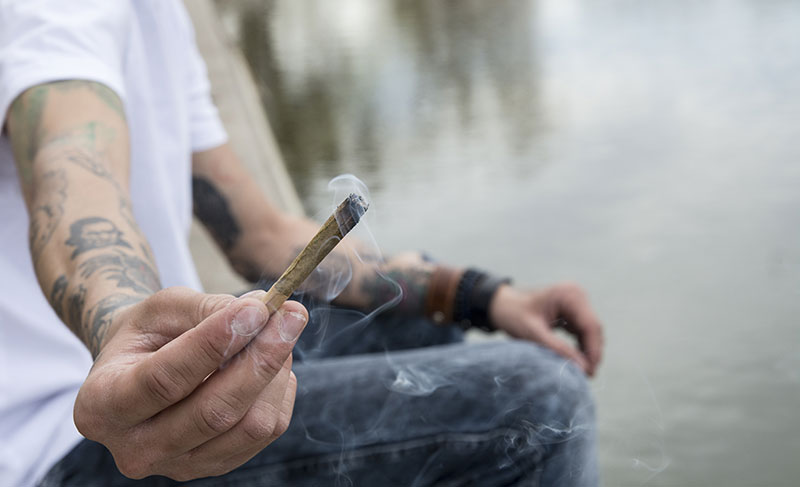
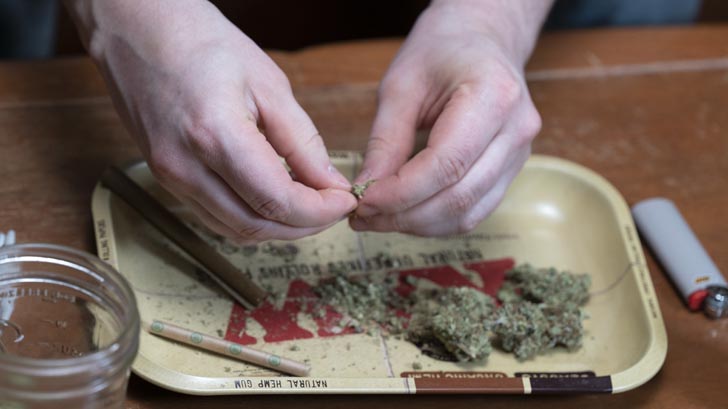
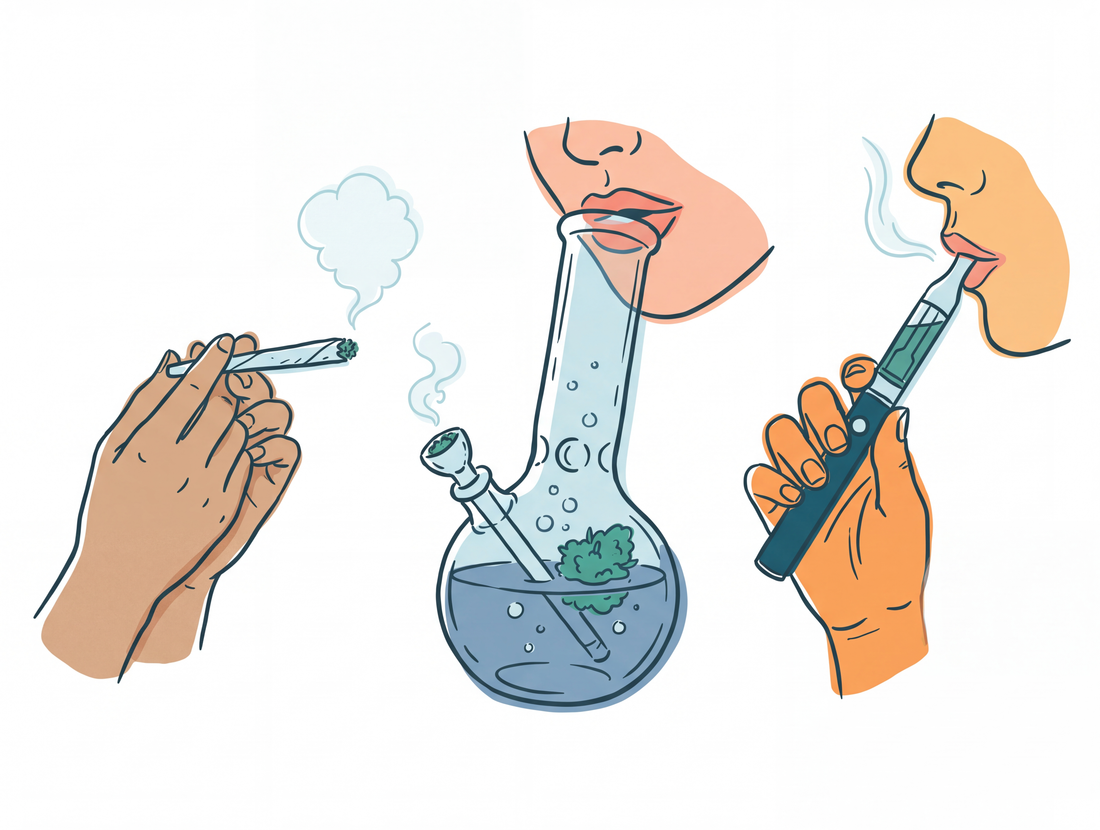
When cannabis is smoked or vaped, THC passes from the lungs into the bloodstream within seconds. Effects begin within minutes and typically resolve within one to three hours. Eaten cannabis follows a different biological path entirely.
How Edibles Work in the Body: The 11-Hydroxy-THC Factor
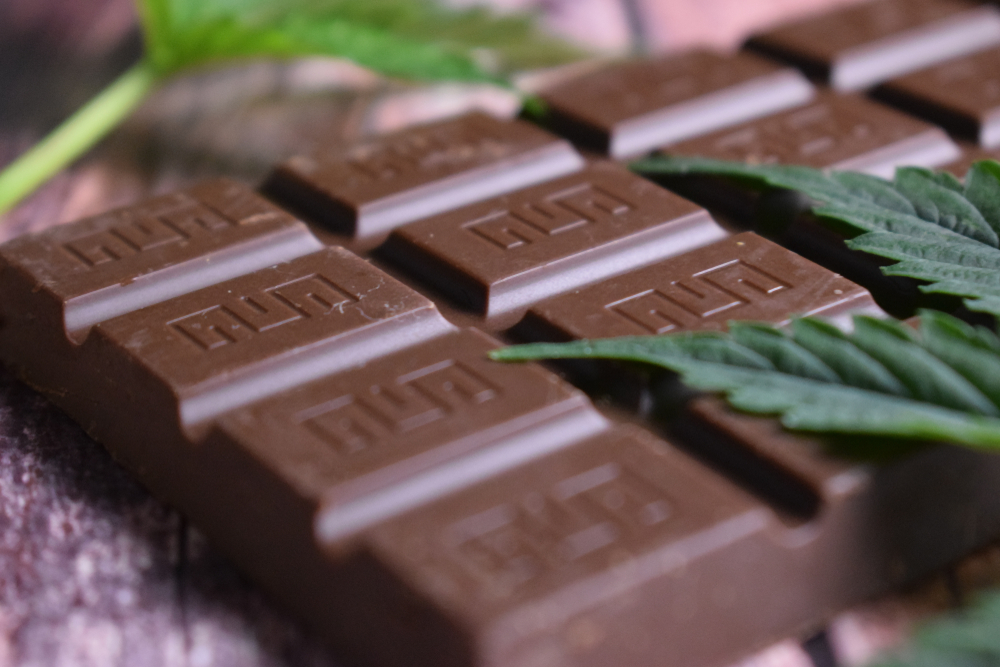
When you eat cannabis, your liver converts THC into 11-hydroxy-THC (11-OH-THC). This metabolite forms after consuming any THC-containing product, but levels run considerably higher with oral consumption than with inhalation. 11-OH-THC binds to the CB1 receptor with much greater affinity than delta-9-THC, which helps explain why edibles can feel more intense at the same nominal milligram dose.
In a controlled Johns Hopkins trial, 25 and 50 mg oral THC doses produced substantial cognitive and psychomotor impairment that often peaked several hours after consumption, well after many consumers would have expected to feel any effect.
That delayed peak is the mechanism behind most edible overconsumption. You feel nothing after 45 minutes, take more, and the 11-OH-THC conversion amplifies everything that follows.
Individual variation matters here. Liver enzyme activity, age, sex, prior cannabis use, and concurrent medications all shape how much 11-OH-THC a person produces. The same edible dose that barely registers for one person may overwhelm another, for reasons neither can predict without experience.
Vaping vs. Smoking Cannabis: What the Research Shows
A widespread assumption is that vaporization is a milder form of inhalation. The research does not support that.
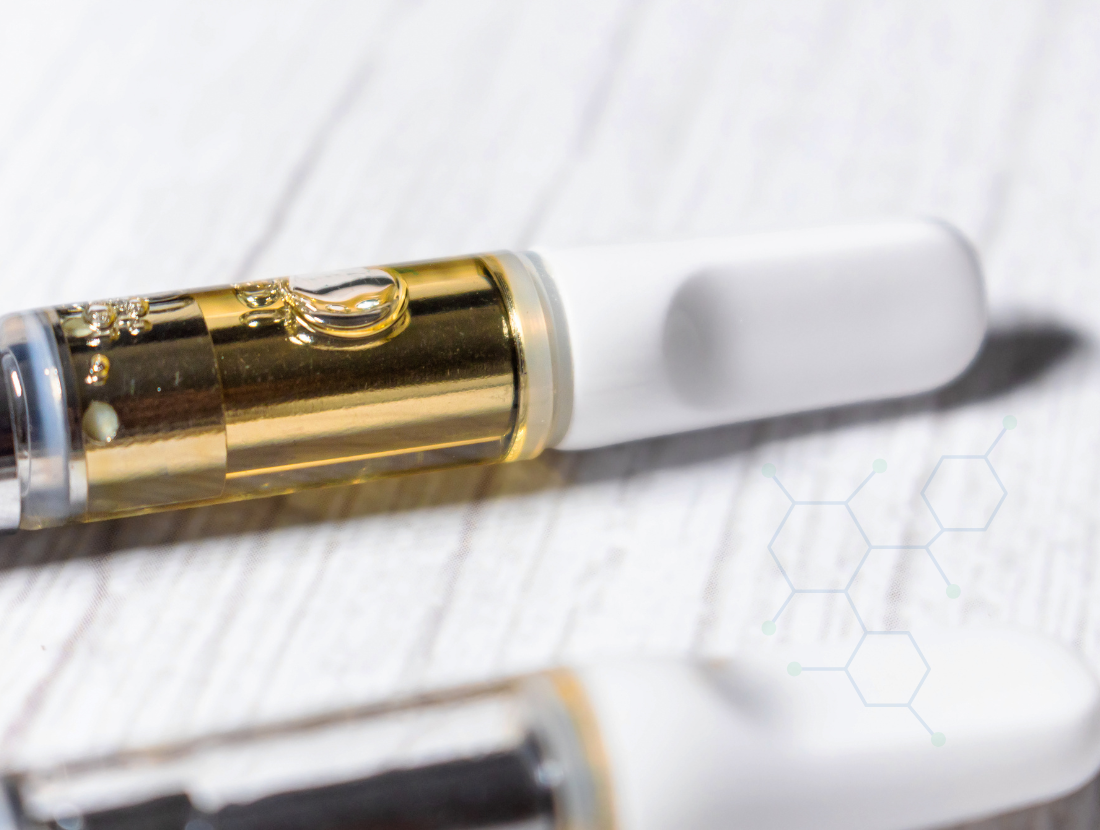
In a Johns Hopkins crossover trial, 17 infrequent cannabis users showed stronger drug effects from vaporized cannabis than from the same smoked doses. Blood THC levels at the 10 mg dose were nearly double for vapers compared to smokers ten minutes after inhalation. The researchers attributed this to less THC destruction during vaporization than combustion.
The gap narrows for experienced daily users who self-titrate. A 2025 naturalistic study using legal-market products found that among regular consumers, plasma THC differences between modes were attenuated, complicating any broad claim that vaping always hits harder. The effect is most pronounced for less experienced consumers.
Vaping may also carry a higher paranoia risk for infrequent users. One review found significantly higher rates of acute paranoia with vaping among infrequent users compared to smoking, a tradeoff worth weighing against the reduced respiratory toxin exposure that makes vaping appealing.
Cannabis Concentrates and High-Potency Products
Dabbing sits at the far end of the potency spectrum. Cannabis concentrates can reach 60 to 90% THC. As of 2025, typical U.S. market flower tests around 25%, itself a stark increase from the 3 to 4% typical of earlier decades.
A 2025 systematic review in Annals of Internal Medicine examined 99 studies covering more than 221,000 participants and found that 70% of non-therapeutic studies showed an unfavorable association between high-concentration cannabis and psychosis or schizophrenia, with 75% finding a relationship to cannabis use disorder.

These are observational associations. Causality and specific risk thresholds remain unconfirmed. A comprehensive review of cannabis concentrates and behavioral health documents consistent concerns, particularly for adolescents and people with personal or family history of psychosis, while acknowledging that the causal mechanisms are not established.
Fast-Acting Cannabis Beverages
One meaningful recent development in oral cannabis addresses the timing problem. Nanoemulsion technology breaks cannabinoid oil into particles under 200 nanometers and disperses them in water, which improves cannabinoid absorption speed and cannabis bioavailability compared to conventional oil-based formulations.
A 2025 crossover trial found that a self-nanoemulsifying THC/CBD powder produced significantly higher maximum plasma concentrations for both THC and 11-OH-THC compared to standard oil drops. Onset times shift to the 15 to 30 minute range rather than 60 to 120 minutes.
Cannabis beverages using this technology grew 15% in 2025 to reach $54.6 million in dispensary sales, per BDSA market data. The faster absorption also partially bypasses the prolonged 11-OH-THC conversion characteristic of traditional edibles, which may alter the character of the experience beyond just its timing. Human data specific to subjective effects with nano formats remains thin.
CBD and the Cannabis High: What the Evidence Shows
CBD alone does not cause intoxication. High-CBD, near-zero-THC products produce an experience that many consumers describe as calming without cognitive alteration. In a 300-person randomized trial of commercially available cannabis products, consumers using CBD-dominant products (24% CBD, 1% THC) reported the greatest anxiety reduction of all groups and did not feel impaired.
The question of whether CBD modulates the THC high in combination products has conflicting answers. One placebo-controlled crossover study found that 1:1 THC/CBD reduced state anxiety compared to THC-dominant cannabis, with the effect most pronounced when baseline anxiety was low.
A 2022 RCT testing four CBD:THC ratios found a different result. Across the ratios most common in commercial products, CBD did not protect against cognitive impairment, psychotic symptoms, or subjective intoxication.
A 2024 clinical pharmacology trial added another complication. High-dose CBD (450 mg) amplified THC intoxication by inhibiting cytochrome P450 enzymes that metabolize THC, raising its plasma concentration. This is a pharmacokinetic interaction at doses well above what typical consumer products deliver. A systematic review of 16 studies found that CBD’s effect on THC depends on dose, ratio, and individual metabolic factors. CBD may reduce THC-induced anxiety in some contexts. It does not function as a reliable buffer across the range of products available on the market.
Microdosing THC: Sub-Intoxicating Cannabis Consumption
Running against the high-potency trend is growing consumer interest in sub-intoxicating doses. BDSA data shows that 42% of edible consumers prefer doses of 10 mg or less, with the most common preference between 2.5 and 5 mg. A controlled trial found that microdosing THC — doses as low as 500 micrograms of inhaled cannabis — may reduce pain intensity without cognitive impairment, representing the first controlled evidence for sub-intoxicating therapeutic effects. For a growing segment of consumers, microdosing cannabis is less about achieving a high and more about maintaining a threshold below one.
Cannabis consumption methods vary more than most consumers realize, and the differences are biological, not cosmetic. The format you choose determines your pharmacokinetics: how much THC reaches your bloodstream, which metabolites form along the way, and how long the effects last. Understanding that distinction is the most practical thing a consumer can know before choosing a product.
Frequently Asked Questions
Common questions about cannabis consumption methods, edibles, vaping, and how different delivery formats affect your experience.
Why do edibles feel stronger than smoking the same amount of THC?
Edibles convert THC into 11-hydroxy-THC during liver metabolism, a metabolite with significantly higher CB1 receptor binding affinity than delta-9-THC. The delayed onset (often one to three hours) also leads many consumers to take more before the first dose takes effect, compounding the intensity.
Is vaping cannabis safer than smoking?
Vaping reduces exposure to combustion byproducts, which may lower certain respiratory risks. However, controlled research shows vaping delivers more THC to the bloodstream and produces stronger impairment than equivalent smoked doses, particularly in infrequent consumers. One study also found higher rates of acute paranoia with vaping among infrequent users.
Does CBD reduce the effects of THC?
Evidence is mixed. At equivalent doses in a 1:1 ratio, CBD may reduce THC-induced anxiety for some people. Multiple controlled trials found no protective effect from CBD on cognitive impairment or psychotic symptoms at typical commercial ratios. High-dose CBD may actually increase THC effects by slowing its metabolism via CYP450 inhibition.
Are high-potency cannabis products dangerous?
High-concentration cannabis has been associated with increased risk of psychosis and cannabis use disorder in observational research. A 2025 systematic review of 99 studies found consistent unfavorable associations, though causality and specific risk thresholds remain unconfirmed.
How do fast-acting cannabis beverages work?
Fast-acting beverages use nanoemulsion technology to break cannabinoid oil into water-soluble nanoparticles, which the body absorbs more quickly than conventional oil-based edibles. Onset may occur in 15 to 30 minutes rather than the 60 to 120 minutes typical of traditional edibles.


Sign up for bi-weekly updates, packed full of cannabis education, recipes, and tips. Your inbox will love it.