
 Merch
Merch Medical card
The Fourth of July conjures images of fireworks illuminating the night sky, barbecues with loved ones, and spirited celebrations of American independence. It’s a day that commemorates the fight against oppression and the pursuit of self-determination.
On the other hand, April 20th—commonly known as 4/20—marks a different kind of celebration, one deeply tied to cannabis culture and the grassroots fight for legalization and acceptance. At first glance, these two days may appear worlds apart, representing distinct traditions and causes.

Yet, a closer examination reveals a unifying thread: both embody the ideals of freedom, rebellion against societal norms, and the universal quest for self-determination. Whether breaking free from colonial rule or advocating for personal rights and choices, these days reflect humanity’s enduring desire to shape its own destiny.
The Spirit of Independence: July 4th
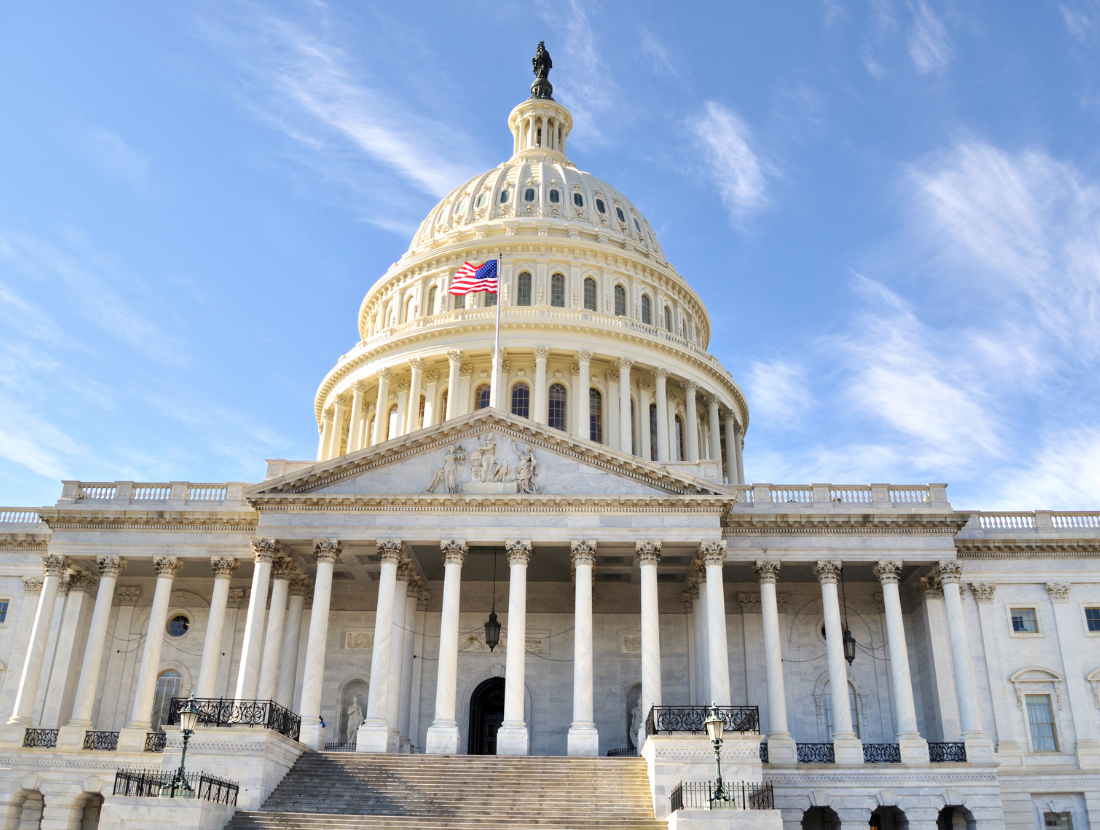
The Fourth of July marks the signing of the Declaration of Independence in 1776—a bold declaration against colonial rule. This historic act enshrined the principles of liberty, self-governance, and personal autonomy, laying the foundation for a new nation. It also sparked a timeless belief: that freedom is worth fighting for, even against overwhelming odds.
Over the years, July 4th has evolved into a symbol of national pride and celebration. Yet, at its core, the holiday remains profoundly revolutionary—a powerful reminder of our collective right to challenge injustice and strive for a better future (National Archives).
The Spirit of Reform: April 20th
Now consider April 20th, a day globally recognized by cannabis users, advocates, and wellness communities. While it may have started as a subcultural phenomenon, 4/20 has grown far beyond its origins. Far from being just a countercultural joke, it has emerged as a powerful symbol of bodily autonomy, freedom of consciousness, and resistance to outdated and often unjust drug policies.
For many, it’s a day to celebrate the progress made in cannabis legalization, advocate for further reforms, and reflect on the ongoing fight for social equity within the industry. It’s not just about cannabis—4/20 represents a broader movement toward personal freedom and systemic change.
The Historical Mosaic of 4/20: Unveiling the Origins of a Cultural Phenomenon
In the modern lexicon, “4/20” evokes images of hazy pot culture and is celebrated worldwide as a countercultural holiday. But where did this symbolic number come from, and how did it evolve into an international phenomenon?
Many believe that 420 originated as a police radio code for marijuana violations, but this widespread myth is far from true. Despite common misconceptions, 420 is not a police code, Bob Marley’s birthday (he was born on February 6), or the total number of active cannabinoids in the cannabis plant—though the latter is an amusing coincidence. (News Center Maine, 2022; Secret Nature, 2022; Waxman, 2016).
In reality, 4/20 traces its roots to a specific time and place: an after-school meetup for a group of California high school students. What began as a casual tradition eventually grew into a global cultural phenomenon. Over the years, 4/20 has accumulated its own quirky lore. For instance, in Colorado, the highway sign for “Mile Marker 420” was stolen so often that transportation officials replaced it with a “419.99” sign to discourage theft. Similarly, many hotels, especially in cannabis-friendly destinations, no longer label rooms as 420 because the signs kept disappearing. (Cromwell, 2021; Liebman, 2016).
While the term originated in the U.S., its influence now spans the globe. April 20th has become an international day of cannabis awareness, appreciation, and activism. In the UK, for example, the week surrounding April 20th is often called “Cannabis Awareness Week,” highlighting the worldwide impact of this once-secret code. (Cobham, 2024)
The true story of 4/20 is both nuanced and fascinating, rooted in youthful rebellion, popularized by musical icons, and reshaped by activism and commercial interests. What began as a simple meeting time has evolved into a symbol of unity for cannabis enthusiasts around the world.
The most widely accepted origin of “420” traces back to the early 1970s and a group of high school friends from San Rafael, California, who called themselves the “Waldos.” Seeking a discreet way to discuss their plans, the Waldos used “420” as a code to meet at 4:20 p.m. near a statue of Louis Pasteur on their school campus. Their goal? To search for a rumored, abandoned cannabis crop. While the crop was never found, “420” became their shorthand for after-school smoking sessions. (420 Waldos)

San Rafael’s connection to the Grateful Dead played a pivotal role in spreading “420” beyond local slang. The band’s rehearsal space was nearby, and the Deadhead community helped carry the term to a wider audience. By the 1990s, publications like High Times propelled “420” into the national spotlight, embedding it firmly into cannabis culture and pop lexicon. In essence, the origin of “420” created by the California high schoolers in the 1970s gained broader recognition through the Grateful Dead scene and cannabis journalism in the following decades (Bloom, 2013).
A Tale of Two Freedoms
So what do 4/20 and the 4th of July have in common? More than meets the eye. Both are, at their core, celebrations of liberation and resistance. The 4th of July marks freedom from colonial rule, while April 20th represents liberation from cannabis prohibition. Each day calls for resistance—Independence Day against tyranny and 4/20 against criminalization and stigma.
Their modes of celebration differ in form but not in spirit: the 4th of July with fireworks and parades, and 4/20 with smoke-ins, educational events, and music. They each advocate for something greater—liberty and justice in the case of July 4th, and reform, equity, and wellness on April 20th. Underneath it all, both holidays carry an undercurrent of revolution: one born in the age of colonialism, the other in the counterculture movements that have challenged the status quo for decades.
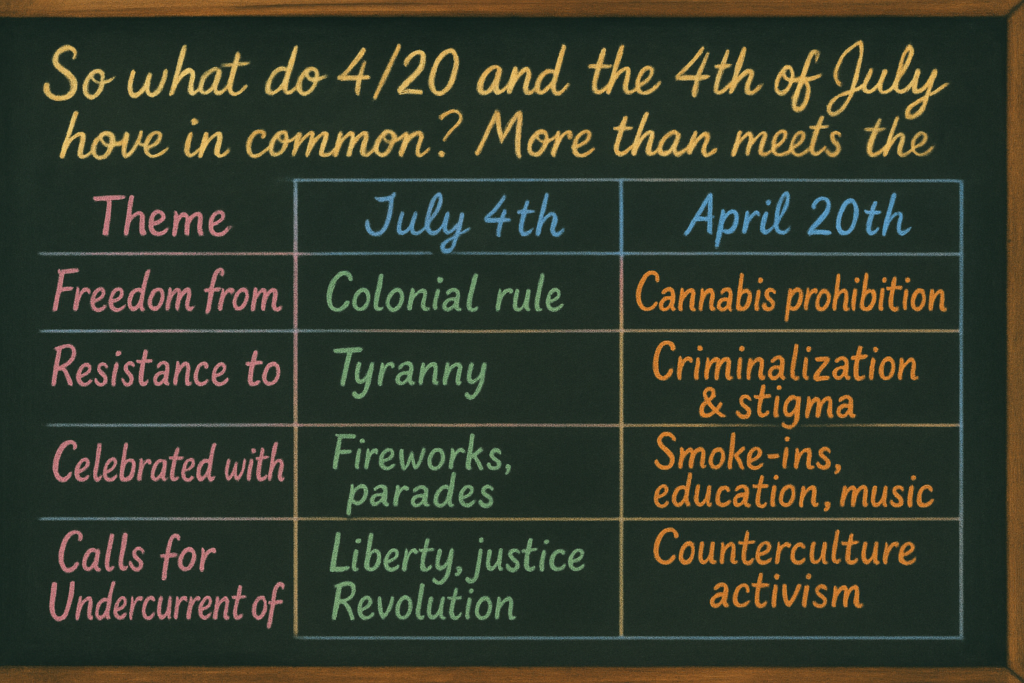
Both holidays encourage us to reflect on systems of control and the ways we seek liberation—whether through political rebellion or the freedom to use plant medicine for healing, wellness, or simply for enjoyment.
4/20 Meaning for Cannabis Nurses & Clinicians
For cannabis nurses and clinicians in the plant medicine arena, April 20th is far more than just a date—it’s Activating Your Endocannabinoid System (ECS) Day. This day serves as a reminder of the profound role plant medicine plays in promoting holistic health and well-being. At its core, 4/20 represents more than a celebration; it is a movement driven by education, empowerment, and intentional healing.
Cannabis plays many roles: it is both a recreational and medicinal substance now legal in 40 states for medical use and in 24 states for adult use; it has pharmaceutical applications, as seen in FDA-approved medications like Epidiolex and Marinol (FDA, 2020); and it functions as a botanical wellness tool, often available in hemp-derived formulations that support the ECS naturally.
From a therapeutic standpoint, cannabis can be integrated to enhance well-being across all five health domains—physical, mental, emotional, spiritual, and social—so long as it contributes positively without diminishing any other area of health. For us, as cannabis nurses, 4/20 is more than just a celebration. It’s a pledge—a commitment to educate, empower, and support the balance of the endocannabinoid system for better health and well-being.
The Future of 4/20: Resistance Meets Renaissance
Despite increasing commercialization, 4/20 continues to serve as a vital platform for education, decriminalization, and reform. Around the globe, organizations use this day to advocate for the expungement of cannabis convictions, addressing the long-lasting harm caused by outdated drug laws. Many also call for greater equity in the cannabis industry, emphasizing the need to uplift communities that have been disproportionately targeted by prohibition and criminalization (ACLU, 2020). These efforts highlight the ongoing fight for justice and fairness as the cannabis landscape evolves.
4/20’s identity is both fractured and fascinating—it exists at the intersection of celebration and resistance. For some, it’s a day of joy, community, and cultural pride, while for others, it serves as a reminder of the work still needed to repair decades of harm caused by the war on drugs. As we inch closer to federal legalization, we must reflect on the future of this day: Will 4/20 maintain its grassroots spirit of empowerment and advocacy, or will it be fully absorbed and diluted by corporate marketing and commercialization? The answer may lie in the hands of those who continue to fight for meaningful reform and equity within the industry.
Final Thought: Liberation is Personal
As we celebrate the Fourth of July—a day honoring freedom, independence, and revolution—let’s not forget that the fight for liberation is still ongoing. For many Americans, there is a fight for freedom regarding how we care for our bodies, how we divide resources, and who matters most in society. While fireworks light up the sky and flags wave in the breeze, many are still working tirelessly to free the plant that has helped heal, connect, and empower millions. Cannabis remains federally restricted, and people continue to face incarceration, stigma, and inequitable access despite growing public support and legalization across many states.
This Independence Day, whether you’re enjoying an edible or lighting up a joint, take a moment to reflect not only on the freedoms we’ve achieved but also on those we continue to fight for. True freedom means having the right to choose plant medicine for healing or recreating without fear or punishment.
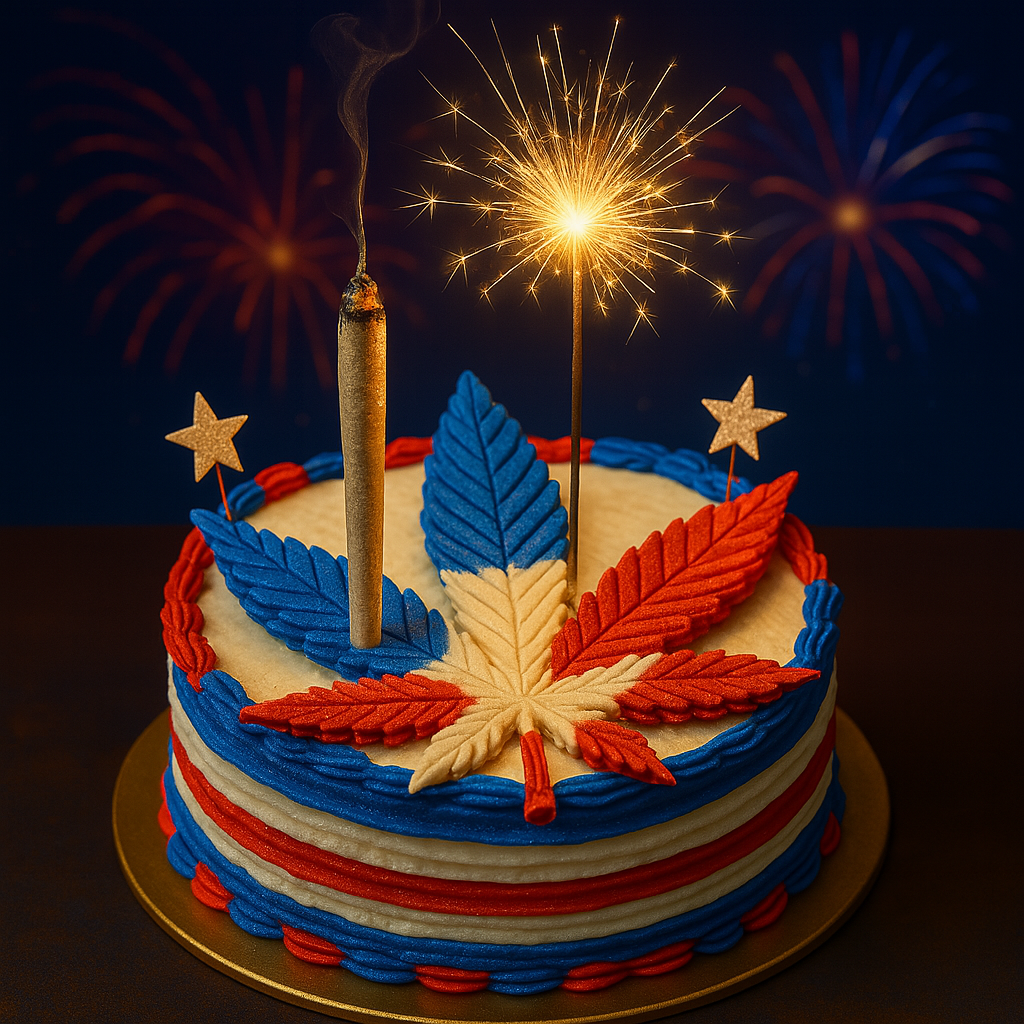
Lighting a sparkler or a joint both symbolize the same thing: the freedom to choose. They represent the power to challenge injustice, reclaim wellness, and live authentically. Freedom isn’t a fixed state—it’s a dynamic, ever-evolving journey that grows and transforms over time. Like the changing landscape of cannabis, achieving and sustaining freedom demands care, courage, and community. It requires nurturing progress, dismantling outdated stigmas, and coming together to drive meaningful, lasting change.
With You on the Journey,
Ask The Green Nurse with Sherri Mack BSN, RN & Elisabeth Mack MBA, BSN, RN
Ask The Green Nurse content on the Cannigma is brought to you by Holistic Caring & The Green Nurse and Bloom Hemp CBD.
- Holistic Caring & The Green Nurse – Comprehensive cannabis education for patients and healthcare providers, including CEUs for nurses, along with expert coaching and consulting services.
- Bloom Hemp CBD – Experience Doctor and Nurse-formulated Organic Hemp CBD, crafted with Ayurvedic inspiration and designed to target specific symptoms. Benefit from free access to a nurse hotline and personalized care plans, thoughtfully provided by expert cannabis nurses.
References
- ACLU. (2020). A tale of two countries: Racially targeted arrests in the era of marijuana reform.
- Bloom, S. (2013, April 12). 420: Birth of a stoner notion. CelebStoner.
- Cobham, T. (2024, April 19). What does 4/20 mean? Origin, celebrations, and everything to know. The Independent.
- Cromwell, J. (2021, April 20). Why Colorado once had to replace a road sign that read 420. Medium.
- FDA. (2020). FDA regulation of cannabis and cannabis-derived products, including cannabidiol (CBD). U.S. Food and Drug Administration.
- Liebman, J. (2016, April 20). Hotels struggle to stop pot mischief in Room 420. Condé Nast Traveler.
- National Archives. Declaration of Independence: A transcription.
- National Conference of State Legislatures. (2025 , June 27). State medical cannabis laws.
- News Center Maine. (2022, April 20). No, ‘420’ is not police code for marijuana violations.
- Secret Nature. (2022, April 14). History of 420: Bob Marley, numerology & honoring weed.
- Waxman, O. B. (2016, April 20). The real history of 4/20, marijuana’s high holiday. Time.
- 420 Waldos. 420 Waldos, 4/20 origin, four twenty. Retrieved June 27, 2025.


Sign up for bi-weekly updates, packed full of cannabis education, recipes, and tips. Your inbox will love it.