

 Merch
Merch Medical card
A West African root bark with 2,000 years of ceremonial use has become the subject of Stanford brain imaging research, a White House executive order, and a $100 million federal commitment. Here’s a grounded look at what the science supports and what remains uncertain.
On April 18, 2026, President Trump signed an executive order directing federal agencies to study ibogaine as a treatment for PTSD, traumatic brain injury, and opioid dependence in veterans. The order did not reschedule the compound. Ibogaine remains a Schedule I controlled substance in the United States. That gap between political momentum and legal reality sits at the center of everything happening with ibogaine right now.
If you’ve been hearing the name more often, this article covers the basics of ibogaine therapy: where it comes from, how researchers believe it works, what the clinical evidence actually shows, and what the risks are that no one should skip over.

What Is Ibogaine? Origins, Culture, and Conservation
Tabernanthe iboga is an evergreen shrub native to the rainforests of Gabon, the Democratic Republic of Congo, and the Republic of Congo. Archaeological evidence from charcoal traces in a Gabonese cave suggests Indigenous people have used the plant for at least 2,000 years. The psychoactive compounds, primarily the alkaloid ibogaine, concentrate in the root bark.
The Bwiti people of Gabon use the root in multi-day initiation ceremonies that mark transitions in a person’s spiritual and communal life. This context matters. National Geographic has documented how Western pharmaceutical interest now threatens both the cultural heritage of Bwiti practice and the conservation of iboga plants themselves. Life sciences companies have filed patents on ibogaine synthesis methods, and the rise of cheaper synthetic production undercuts Gabonese growers. Indigenous advocates describe this as biopiracy. These tensions deserve attention as clinical and commercial interest grows in the United States.
How Ibogaine Therapy Works: Pharmacology and the Neural Reset Hypothesis
Ibogaine does not fit neatly into existing pharmacological categories. It interacts with multiple neurotransmitter systems simultaneously, including opioid, serotonin, NMDA, and nicotinic acetylcholine receptors. Its primary metabolite, noribogaine, functions as a serotonin reuptake inhibitor and kappa-opioid receptor agonist and remains active in the body for an extended period after the parent compound clears.
Researchers have proposed a “neural reset” hypothesis: ibogaine may promote neuroplasticity by altering the expression of growth factors GDNF and BDNF in brain regions involved in dopamine signaling. A rodent study published in Frontiers in Pharmacology documented these changes in a dose- and time-dependent pattern. Noribogaine has been classified as a psychoplastogen, a compound that may promote the growth of new neural connections in cortical neurons.
Evidence note: The neuroplasticity and “reset” data is largely preclinical. The proposed mechanism in rodents and cell cultures has not been confirmed in controlled human trials. Treat these findings as a working hypothesis, not an established mechanism.
A standard therapeutic dose of 1,000 to 1,500 mg orally produces effects lasting 18 to 36 hours, moving through a visionary phase, an introspective phase, and a period of residual stimulation. A 2025 scoping review in Molecules provides the most comprehensive current synthesis of ibogaine’s pharmacology, clinical evidence, and safety profile.
Ibogaine Treatment for Opioid Use Disorder: What the Evidence Shows
The clinical evidence base for ibogaine in opioid use disorder consists almost entirely of observational studies and case series. A 2023 systematic review in Current Neuropharmacology confirmed that only two double-blind, placebo-controlled studies on ibogaine have been published, and both involved noribogaine, not ibogaine itself.
Among the observational data, a supervised open-label case series of 191 patients found that ibogaine reduced opioid withdrawal symptoms and drug cravings with no drug-related fatalities when patients were properly screened and monitored. A 12-month observational study from New Zealand (n=14) found that a single treatment achieved opioid cessation or sustained reduction in more than half of participants at follow-up. A PRISMA-compliant systematic review of 24 studies (n=705) found that withdrawal reduction and craving suppression are the most consistently replicated outcomes across the literature.
None of this constitutes the randomized controlled trial evidence that regulators require for approval. Participants in most ibogaine studies are highly motivated, self-selecting individuals who traveled abroad for treatment, often to Mexico or New Zealand. That selection effect makes causal attribution difficult.
The Stanford Studies: Ibogaine Therapy for Veterans with TBI and PTSD
The research that generated the most political attention came from Stanford, where a prospective observational study examined psychedelic-assisted therapy in combat veterans with traumatic brain injury. The study used a magnesium-ibogaine protocol and enrolled 30 male Special Operations Forces veterans as participants in PTSD treatment. Published in Nature Medicine in 2024, the study reported average reductions of 88% in PTSD symptoms, 87% in depression symptoms, and 81% in anxiety symptoms at one month, with no serious adverse events.
A follow-up neuroimaging study, published in iScience in February 2026, found increased cortical thickness in 11 brain regions, subcortical volumetric expansion in 8 regions, and an average reduction in predicted brain age of approximately 1.3 years at one month post-treatment.
Important caveats on the Stanford data
Both studies are observational with no placebo control arm. The sample is exclusively male, highly selected Special Forces veterans treated at a private clinic in Mexico. Lead researcher Nolan Williams holds patents on the magnesium-ibogaine protocol. T1 MRI scans, used to measure brain age, are sensitive to nonstructural changes including tissue water content. The authors themselves called for controlled clinical trials. These studies represent promising preliminary data, not proof of efficacy.
Ibogaine Cardiac Risk: QTc Prolongation and What Supervision Changes
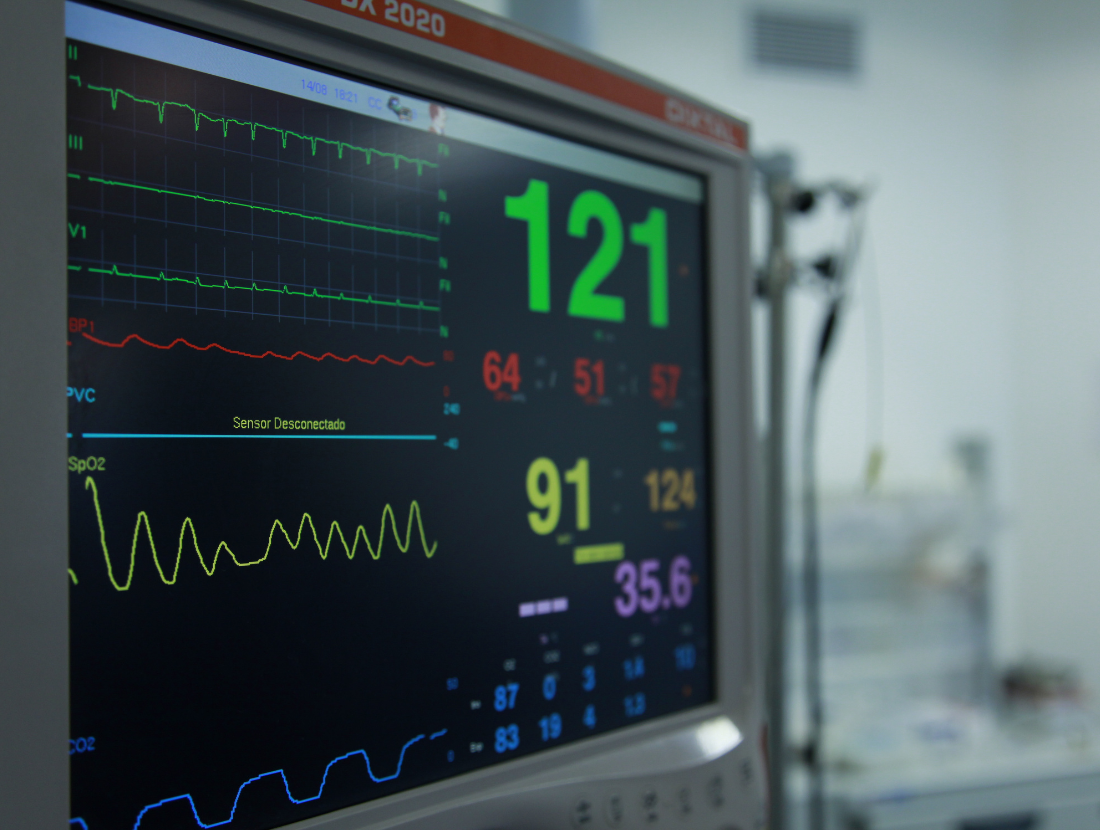
Ibogaine presents a clinically significant cardiac risk. It can prolong the QTc interval and trigger potentially fatal ventricular arrhythmias, including Torsades de Pointes. The mechanism involves ibogaine and noribogaine blocking hERG potassium channels in heart muscle cells, which delays repolarization. Critically, noribogaine persists in circulation well after the psychoactive experience ends, meaning the cardiac risk window extends beyond the acute session.
A January 2026 review in Addiction found that QTc prolongation and arrhythmias occur even in patients without pre-existing cardiac conditions. Most documented fatalities occurred in unsupervised settings, at supra-therapeutic doses, with concurrent use of QT-prolonging drugs or substances, or in people with undiagnosed cardiovascular disease. Proper cardiac screening, ECG monitoring, and medical supervision reduce but do not eliminate this risk.
Researchers at Stanford and others are examining magnesium co-administration as a potential cardiac safeguard, but this approach has not been validated in randomized trials.
The 2026 Executive Order: What It Does and Doesn’t Do for Ibogaine Access
Trump’s April 18, 2026 executive order directed the FDA and DEA to establish a Right to Try access pathway for ibogaine and other psychedelics, instructed HHS, FDA, and the VA to share clinical trial data, and required the Attorney General to initiate rescheduling review for any Schedule I compound that successfully completes Phase 3 trials for a serious mental health disorder. The Trump administration paired the order with a $50 million federal research commitment, matching a previously announced $50 million from Texas.
Legal experts urge caution about what this actually unlocks. Harvard Law scholars I. Glenn Cohen and Mason Marks note that executive orders cannot compel DEA rescheduling, which requires a separate administrative process. Ibogaine’s legal status as a Schedule I substance can only change through that process. The Right to Try pathway also faces a specific barrier: the Act requires completion of Phase 1 clinical trials, and no domestic Phase 1 ibogaine trials have been completed. The order signals federal intent. It does not create near-term clinical access.
Tabernanthalog and Other Next-Generation Ibogaine Analogues
One research direction aims to keep ibogaine’s proposed neuroplasticity benefits while removing the hallucinations and cardiac risk. Scientists engineered tabernanthalog, described in a 2020 Nature paper, as a non-hallucinogenic, water-soluble analogue that is rationally designed to avoid hERG channel interactions. In rodents and zebrafish, it reduced alcohol- and heroin-seeking behavior and produced antidepressant-like effects without cardiac arrhythmias. No human trial data exists. This work is preclinical.
The science around ibogaine therapy is moving faster than the regulatory infrastructure can accommodate. The compounds show genuine promise for conditions, including opioid use disorder and trauma-related psychiatric illness, where existing treatments frequently fall short. Rigorous, controlled human trials are the missing piece. Until those trials produce data, the case for ibogaine rests on observational findings with real limitations and a pharmacological profile that demands careful medical oversight.
Frequently Asked Questions
Is ibogaine legal in the United States?
Ibogaine remains a Schedule I controlled substance in the United States as of April 2026. The April 18, 2026 executive order directs federal agencies to study the compound and explore access pathways but does not change its legal status.
What conditions is ibogaine being studied for?
Current research focuses on opioid use disorder, PTSD, and traumatic brain injury, particularly in military veterans. Preliminary observational data also suggests potential for cocaine dependence and depression.
How long does an ibogaine experience last?
A therapeutic dose of ibogaine (typically 1,000 to 1,500 mg orally) produces effects lasting 18 to 36 hours. The experience proceeds through a visionary phase, an introspective phase, and a period of residual stimulation.
What are the cardiac risks of ibogaine?
Ibogaine can cause QTc interval prolongation and potentially fatal ventricular arrhythmias, including Torsades de Pointes. The mechanism involves blockade of hERG potassium channels by ibogaine and its metabolite noribogaine. Risk is highest in unsupervised settings, at supra-therapeutic doses, and in individuals with pre-existing cardiovascular disease or concurrent use of QT-prolonging drugs.
What did the 2026 executive order on ibogaine actually do?
The April 18, 2026 executive order directed the FDA and DEA to establish access pathways under the Right to Try Act, instructed HHS, FDA, and VA to share clinical data, and required the Attorney General to review any Schedule I compound that completes Phase 3 trials for a serious mental health disorder. It did not reschedule ibogaine or authorize clinical use.


Sign up for bi-weekly updates, packed full of cannabis education, recipes, and tips. Your inbox will love it.