

 Merch
Merch Medical card


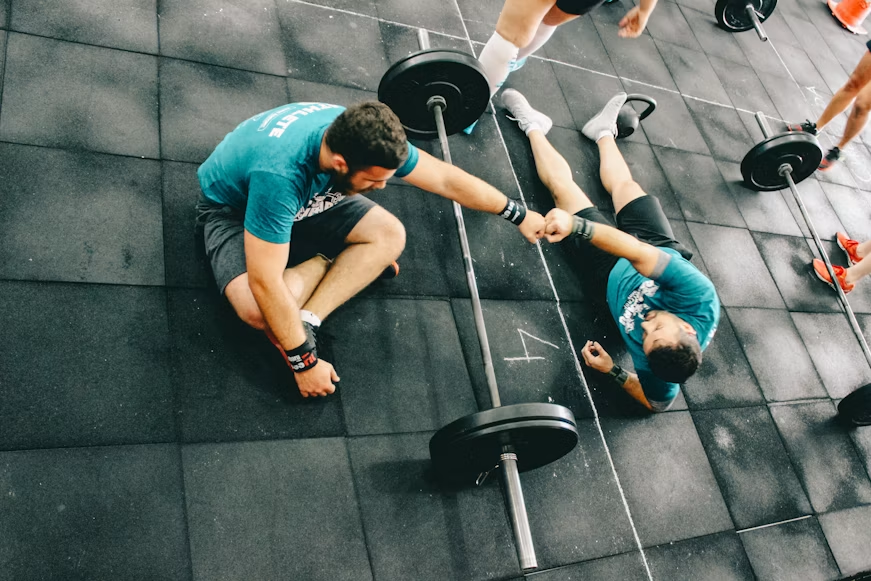
Most people do not suddenly change their physical conditioning routines overnight. It usually happens through smaller adjustments that slowly build over time. Recovery habits improve a little. Training schedules become more organised. Physical goals shift depending on how routines feel week after week. Somewhere during that process, many active individuals begin researching options to buy testosterone uk while trying to understand how hormonal support may fit long-term conditioning and recovery structure.
At first, the amount of information feels difficult to sort through. Different support methods get discussed together constantly, which makes everything sound similar in the beginning. Testosterone support, peptides, SARMs, broader compounds. One explanation says recovery matters most, another focuses mainly on performance consistency. So people keep comparing. Usually longer than they expected.

How testosterone support fits active body maintenance routines
For many people, interest in hormonal support starts after physical routines become more demanding.
Not necessarily extreme. Just more structured than before.
- Training becomes consistent
- Recovery periods matter more
- Schedules grow tighter
- Movement quality feels less stable in some weeks
- Physical fatigue becomes easier to notice
That combination naturally pushes people toward researching broader conditioning support methods.
Some are looking for improved recovery balance. Others become interested in maintaining steadier physical readiness across repeated schedules. And honestly, sometimes curiosity alone keeps the research going for a while. The reasons change more often than people admit.

Recovery-focused planning often shapes stability during schedules
One thing active individuals usually notice later is how heavily recovery structure influences physical consistency.
At first, most attention goes toward effort.
- More sessions
- Longer workouts
- Increased intensity
- Heavier schedules
But eventually, recovery starts shaping everything around those routines. Sleep timing begins affecting movement quality. Inconsistent hydration changes physical readiness. Even small disruptions can make demanding schedules feel harder to maintain smoothly after enough time passes. That shift happens gradually, though. Not all at once.
Why is gradual conditioning more manageable for long-term progress
A lot of beginners assume progress comes from dramatic adjustments immediately. Bigger changes often seem more effective in theory. Real routines usually work differently.
Gradual structure tends to feel easier to maintain long-term because it creates less pressure around constant routine changes.
Some practical examples include:
- Stable recovery timing instead of constantly changing schedules
- Simpler conditioning plans during active weeks
- More organised hydration habits through repeated training periods
- Balanced movement structure without excessive physical pressure
- Consistent physical maintenance routines across demanding schedules
Not every adjustment creates obvious differences immediately, either. Sometimes routines simply stop feeling as scattered compared to before. That quieter improvement becomes more noticeable over longer periods.
Smaller wellness habits improve movement consistency unexpectedly
The interesting part about physical conditioning is how often smaller habits shape overall stability more than larger changes. People usually focus on major training decisions first. But smaller daily structure matters too.
| Routine Habit | Why People Pay Attention To It |
|---|---|
| Sleep consistency | Supports physical recovery structure |
| Meal timing | Helps maintain energy balance |
| Hydration habits | Supports smoother conditioning routines |
| Recovery scheduling | Improves physical organisation |
| Consistent movement | Helps maintain routine stability |
Individually, these things sound simple.
Together, though, they influence how manageable active conditioning feels over time. And when routines become inconsistent, recovery quality usually changes first before anything else becomes obvious. That pattern shows up pretty often.
Comparing performance support during repeated training periods
Once people spend enough time researching physical support methods, the differences between categories become easier to notice.
Some approaches are viewed more through recovery support. Others are associated with broader hormonal conditioning.
| Support Method | General Purpose | Typical Beginner Perception |
|---|---|---|
| Testosterone support | Hormonal conditioning balance | Feels performance-oriented |
| Peptide recovery support | Physical recovery structure | Seen as supportive and gradual |
| SARMs conditioning | Targeted routine support | Viewed as more selective |
| Broad compound support | Strength-focused conditioning | Considered more intensive overall |
Different training styles and recovery goals shape how people talk about support categories. This honestly explains why beginner research often feels confusing for so long. Every explanation sounds slightly different from the previous one.
Previous searches are more likely to bounce around in their opinions and to try to grasp everything at once. Later on, sites such as https://steroids-uk.com/may be more focused and focused on routine management rather than random experimentation. The change in approach to physical conditioning supports overall shifts in how people approach physical conditioning.
FAQ
Why do active individuals research testosterone support during conditioning routines?
People often explore testosterone support while looking for structured approaches connected to physical recovery and conditioning consistency.
Can smaller recovery habits influence long-term physical stability?
Yes, organised sleep, hydration, recovery timing, and structured movement habits may affect conditioning balance gradually.
Why do support options feel overwhelming for beginners initially?
Different conditioning approaches are frequently discussed together, which makes early comparisons difficult without enough routine understanding.


Sign up for bi-weekly updates, packed full of cannabis education, recipes, and tips. Your inbox will love it.