

 Merch
Merch Medical card
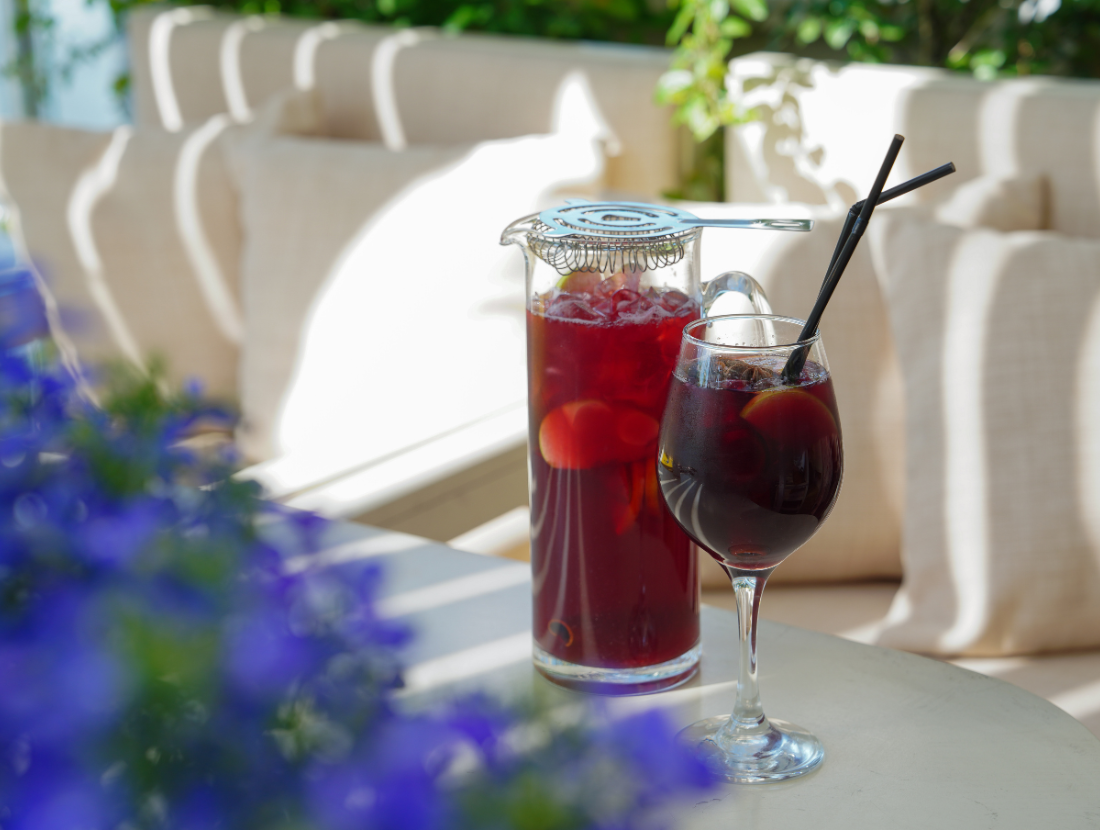
A practical guide to building cannabis-infused drinks at home using commercially available THC drops, tinctures, and syrups, covering the formats that work, the science behind absorption, and how to get consistent results.
Americans are drinking less alcohol and looking for alternatives. A 2025 Circana survey found that 49% of adults are trying to cut back, a 44% jump from 2023, and over one in four plan to try a THC- or CBD-infused beverage. Gen Z leads the shift, with 65% reducing their alcohol intake. Cannabis mocktails sit at the center of this sober-curious movement, offering a social, sessionable alternative that’s increasingly easy to make at home. THC drinks in particular are gaining traction as the product category with the fastest growth in cannabis retail.
BDSA’s Q1 2025 data showed cannabis beverages hitting $54.6 million in tracked sales, up 15% year over year. Emerging markets like Michigan grew by 112%. Cannabis-infused drinks remain a small slice of total sales (roughly 1%), but the beverage category is growing faster than any other product format.


Editorial note: This article was reviewed by cannabis industry subject-matter experts. The Cannigma editorial team does not use a dedicated medical reviewer byline for lifestyle content, which may limit perceived expertise signals under Google’s E-E-A-T framework.
Cannabis Mocktail Formats: Drops, Tinctures, Syrups, and Ready-to-Drink Options
The first decision in any cannabis mocktail is which product you’re adding to the glass. Four formats dominate the home-mixing landscape, and each behaves differently in a drink.
- Water-soluble THC drops (sometimes sold as drink enhancers) use nanoemulsion technology to blend into any liquid without separation or oily residue. Onset runs 15 to 30 minutes. These are the most mocktail-friendly option.
- Oil-based tinctures work best under the tongue or in cooking. Add one to seltzer or juice, and you’ll see an oily film floating on top. Pair them with smoothies or creamy bases if you prefer tinctures.
- Cannabis-infused simple syrups (homemade or commercial) require more effort but let you control flavor. The Cannigma has a full canna-syrup recipe if you want to go that route.
- Ready-to-drink cannabis seltzers and tonics offer built-in dosing. Use them as a base or mixer alongside fresh ingredients.
How Cannabis Mocktails Hit Different: The Absorption Science
THC and CBD are lipophilic, meaning they dissolve in fat, not water. Oral bioavailability for THC may be as low as 6%, and a systematic review of CBD pharmacokinetics showed similarly poor absorption through the gut. Your liver metabolizes 70% to 75% of an oral CBD dose before it reaches your bloodstream, and THC fares no better at 4% to 12% bioavailability through the same pathway.
Nanoemulsion changes that math. A 2025 crossover study with 14 healthy volunteers found that a self-nanoemulsifying THC/CBD formulation raised peak blood concentrations compared to standard oil drops. A separate 32-participant randomized trial confirmed faster time to peak and greater maximum concentration across all measured cannabinoids. The Cannigma’s fast-acting edibles article covers the pharmacokinetics in greater detail.
A practical note: these are clinical trials, not beverage-aisle guarantees. Individual metabolism, stomach contents, and the specific product formulation all influence your edible onset time and intensity.
Dosing Your Cannabis Mocktail: How Much THC per Drink
Standard oral cannabis formulations have a delayed onset of 1 to 3 hours. Nano products can cut that to 15 to 30 minutes, but variation between individuals is significant. The same research noted that participants’ cannabis use history influenced peak concentrations: those who started using cannabis later in life reached higher peaks from the same dose.
Start at 2.5 mg of THC per drink if you have limited edible experience, or 5 mg if you’re comfortable with edibles. That 2.5 mg approach aligns with what some consumers call microdosing: starting at the lowest effective amount and adjusting from there. Wait at least 90 minutes before considering a second THC mocktail, even with fast-acting products. Redosing too soon is the most common mistake with cannabis mocktails, and the effects compound rather than plateau.
Flavor Pairings That Work in Cannabis Mocktails
Cannabis mocktails carry an earthy, herbal bitterness from the plant extract that fights delicate flavors. Citrus, ginger, mint, and coconut all pair well because they’re bold enough to hold their own. Sparkling water adds texture and lifts the drink. Some commercial nanoemulsions use quillaja extract and citric acid, which can introduce additional bitterness; products made with sunflower lecithin tend to produce a smoother mouthfeel.
Treat the THC component as one ingredient line, the same way you’d treat bitters or a flavored syrup. Build your drink around a base (sparkling water, juice, iced tea), a sweetener if needed, fresh herbs or citrus, and then add your measured cannabis dose last.
The DIY Path: Decarboxylation Basics
If you’re making infusions from flower rather than using commercial products, you need to activate the cannabinoids first. Raw cannabis contains THCA, which converts to THC through heat. Research on decarboxylation kinetics found that optimal conditions differ by cannabinoid: THC activates best at 137°C for 57 minutes, CBD at 149°C for 41 minutes. For home ovens, target 240°F (115°C) for 30 to 40 minutes as a practical middle ground. A comparative kinetic study confirmed that THCA decarboxylates faster than CBDA, and that oxygen exposure and the amount of plant material both affect the rate.
Serving Cannabis Mocktails at a Party or Gathering
Label every drink that contains THC. Guests should know the dose per serving and have the option to adjust. Set up a build-your-own station with the cannabis component separate so each person controls their intake. Keep non-infused versions of the same drink available, and avoid mixing cannabis mocktails with alcohol.

New THC Regulations and the Cannabis Drink Market
Amendments to the 2018 Farm Bill passed in late 2025 eliminated the hemp loophole that allowed intoxicating hemp-derived THC products with minimal federal restriction. The new rules cap hemp-derived products at 0.4 mg of THC per container, effective November 12, 2026. Most current hemp-derived THC drink enhancers sold online and in retail exceed that threshold. If you’re buying hemp-derived products, expect the selection to look different by the end of this year. State-licensed cannabis products sold through dispensaries are unaffected.
Frequently Asked Questions
How long do cannabis mocktails take to kick in?
It depends on the product format. Water-soluble THC drops may produce effects within 15 to 30 minutes. Oil-based tinctures and homemade cannabis syrups can take 1 to 3 hours because your liver metabolizes them before the THC reaches your bloodstream. Stomach contents, body weight, and your personal cannabis history also influence timing.
Can I use a regular cannabis tincture in a mocktail?
You can, but expect separation. Oil-based tinctures don’t dissolve in water-based liquids like juice, tonic, or seltzer. You’ll see an oily film on top of the drink. Water-soluble THC drops blend evenly without residue. If you prefer tinctures, pair them with smoothies or creamy drinks where the oil integrates more naturally.
How much THC should I put in a cannabis mocktail?
Start with 2.5 mg of THC per drink if you’re newer to edibles, or 5 mg if you have moderate experience. Wait at least 90 minutes before adding more, even with fast-acting products. Redosing too soon is the most common mistake with drinkable cannabis.
Do I need to decarboxylate cannabis to make infused drinks?
Only if you’re starting from raw flower. Commercial THC drops, tinctures, and syrups are already activated and ready to use. If you’re making a cannabis syrup from scratch using flower, you’ll need to decarboxylate it first (around 240°F for 30 to 40 minutes) to convert THCA into active THC.
Will hemp-derived THC drink products still be available after November 2026?
The market is changing. Amendments to the 2018 Farm Bill set a new limit of 0.4 mg of THC per container for hemp-derived products, effective November 12, 2026. Most current hemp-derived THC drink enhancers exceed that threshold and may no longer be sold in their current form. State-licensed cannabis products sold through dispensaries are unaffected.
What’s the difference between water-soluble THC and oil-based tinctures for drinks?
Water-soluble THC products use nanoemulsion to break cannabinoids into particles small enough to disperse evenly in water-based liquids. They blend without separation and may produce effects in 15 to 30 minutes. Oil-based tinctures don’t dissolve in water, so they float on top of juices, seltzers, and other water-based drinks. Oil-based products also take longer to absorb, with onset times closer to 1 to 3 hours.
References
- “Enhancing Cannabinoid Bioavailability: A Crossover Study Comparing a Novel Self-Nanoemulsifying Drug Delivery System and a Commercial Oil-Based Formulation.” Journal of Cannabis Research, 2025.
- Berl V et al. “A Randomized, Triple-Blind, Comparator-Controlled Parallel Study Investigating the Pharmacokinetics of CBD and THC in a Novel Delivery System, Solutech.” Cannabis and Cannabinoid Research, 2022.
- Lucas CJ et al. “The Pharmacokinetics and the Pharmacodynamics of Cannabinoids.” British Journal of Clinical Pharmacology, 2018.
- “Clinical Evaluation of the Cannabis-Using Patient: A Moving Target.” The Permanente Journal, 2024.
- Millar SA et al. “A Systematic Review on the Pharmacokinetics of Cannabidiol in Humans.” Frontiers in Pharmacology, 2018.
- “Optimization of the Decarboxylation of Cannabis for Commercial Applications.” Industrial & Engineering Chemistry Research, 2022.
- “Cannabinoid Decarboxylation: A Comparative Kinetic Study.” Industrial & Engineering Chemistry Research, 2021.
- Circana/NCSolutions. “Sober Curious Nation & Beverage Trends.” 2025.
- BDSA. “Cannabis Beverages Insights & Trends.” 2025.
- DLA Piper. “New Federal Restrictions on Hemp and Hemp-Derived Products.” 2025.


Sign up for bi-weekly updates, packed full of cannabis education, recipes, and tips. Your inbox will love it.