


 Merch
Merch Medical card
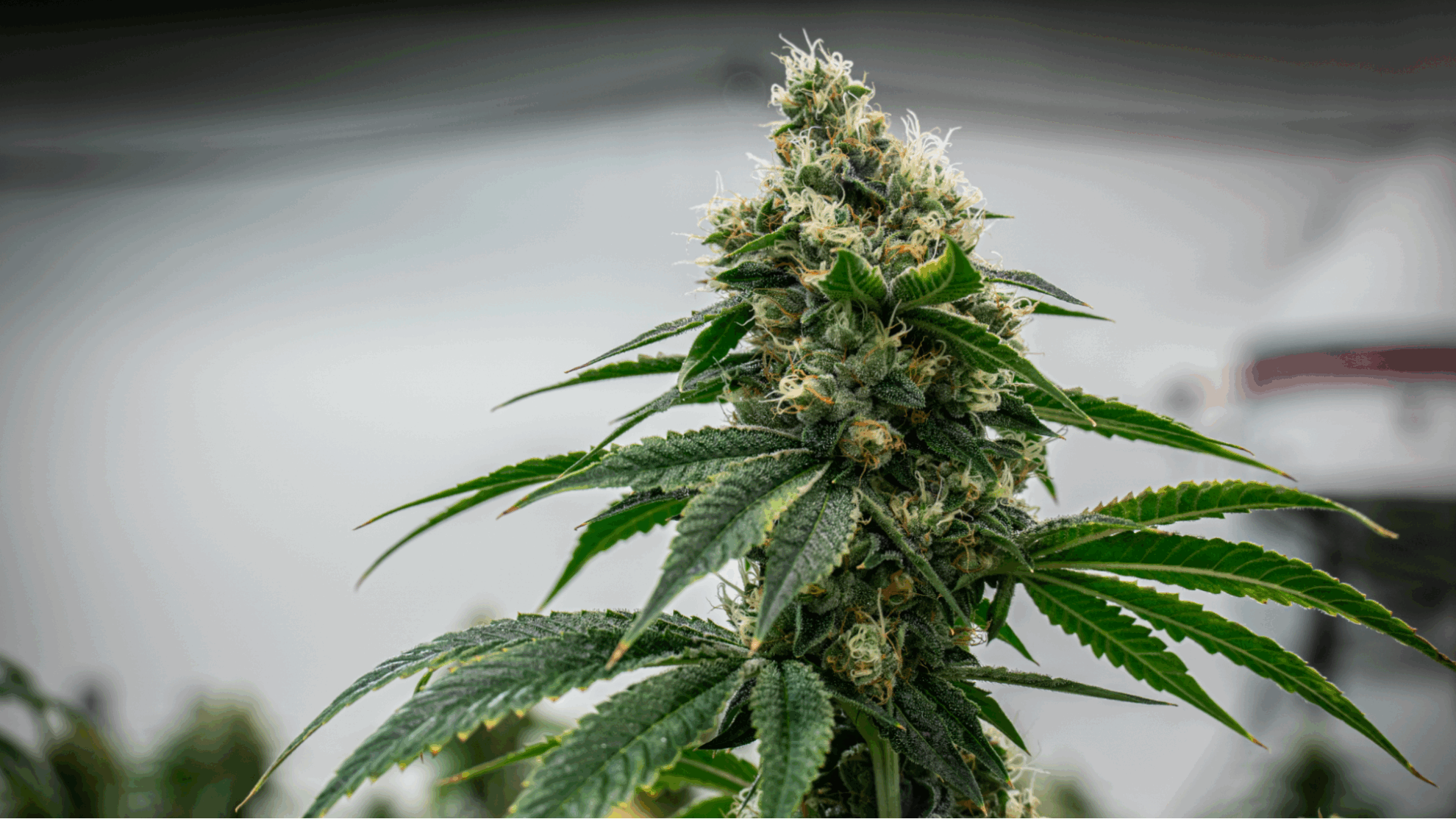
Cannabis is entering a new global phase — one shaped less by legalization headlines and more by science, medical research, workforce education, and evidence-based policy. In 2026, universities, healthcare systems, biotech firms, and regulators are focused on understanding cannabis through rigorous research rather than ideology.
From AI-powered cannabinoid discovery to new medical training programs and emerging studies on minor cannabinoids like CBG and CBC, the industry is evolving into a sophisticated scientific ecosystem.

Cannabis Research Is Expanding Beyond THC and CBD
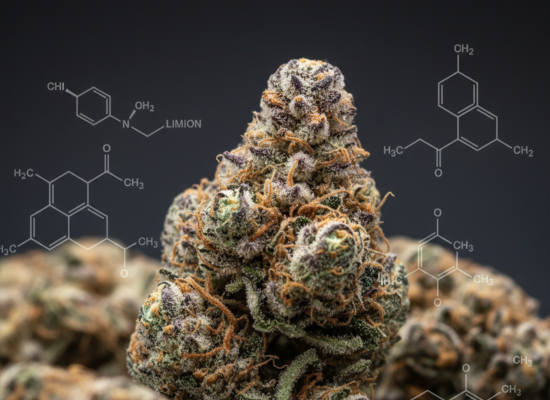
For years, cannabis research focused mainly on THC and CBD. Today, attention is shifting toward “minor cannabinoids” — including cannabigerol (CBG), cannabinol (CBN), and cannabichromene (CBC) — which may hold therapeutic potential for inflammation, sleep disorders, neuroprotection, and metabolic disease.
A 2026 bibliometric analysis in the Journal of Cannabis Research found that global scientific interest in minor cannabinoids is accelerating, particularly in Europe, North America, and Israel. The authors noted growing collaboration between universities and pharmaceutical groups seeking alternatives to traditional cannabinoid therapies.
A second research frontier involves acidic cannabinoids such as CBDA and THCA. These compounds occur naturally in raw cannabis before heating or decarboxylation. Early studies suggest they may offer anti-inflammatory and anti-nausea effects without intoxication, and many scientists now believe acidic cannabinoids will become a major area of pharmaceutical development in the coming decade.
Artificial Intelligence Is Transforming Cannabis Drug Discovery
One of the most consequential global developments is the intersection of cannabis science and artificial intelligence.
Researchers are using machine learning and advanced data analytics to map decades of cannabis studies and identify promising therapeutic targets faster than traditional methods allow. A 2026 study analyzing Cannabis sativa research from 1974 to 2024 used AI-driven modeling to surface emerging global patterns in cannabinoid science and medical applications.
Broader pharmaceutical AI is accelerating in parallel. Companies such as Isomorphic Labs are investing billions into AI-assisted drug development platforms designed to dramatically compress discovery timelines. Experts believe cannabinoid therapeutics could become one of the next major beneficiaries of these technologies.
The shift matters because cannabis research has long been slowed by regulatory friction, inconsistent product standards, and limited funding. AI offers a path to identify promising cannabinoid interactions much faster than conventional clinical pipelines.
Universities Are Building Cannabis Education Programs
Another major 2026 trend is the rapid growth of formal cannabis education. Colleges and universities are increasingly offering certificate programs, workforce training, and cannabis-focused curricula designed for healthcare workers, cultivators, compliance professionals, and entrepreneurs.
The University of New England launched new online cannabis career certificate programs covering cultivation, retail, compliance, and medical applications, citing rising employer demand for trained workers in the regulated industry.
Baker College, in partnership with Green Flower, introduced next-generation cannabis career certificates emphasizing workforce readiness and industry-standard education.
In Michigan, the state’s Cannabis Regulatory Agency launched a dedicated resource page listing cannabis-related academic programs across its colleges and universities.

The pattern reflects a broader global movement toward professionalization. Cannabis is increasingly treated as a legitimate scientific, medical, agricultural, and regulatory discipline rather than a fringe industry.
Medical Education Is Becoming a Global Priority
Despite rapid legalization in many regions, physician education remains a major gap.
In the United Kingdom, a recent investigation highlighted how medical cannabis is still difficult for patients to access through the NHS, in part because of limited clinician training and weak integration into mainstream healthcare systems.
In response, governments and healthcare organizations are beginning to prioritize cannabis education for medical professionals. In New York, officials have proposed a “Center for Excellence for Cannabis Care and Health Equity” aimed at training clinicians in cannabis pharmacology and patient care.
Globally, healthcare providers are increasingly demanding evidence-based education on cannabinoid dosing, drug interactions, safety protocols, and long-term outcomes.
Public Health and Cognitive Research Continue to Expand
Alongside enthusiasm for cannabis therapeutics, scientists are publishing more nuanced research on risks and limitations.
A major 2026 review in Psychopharmacology examined long-term cognition in young recreational cannabis users and found evidence that use may affect memory, processing speed, and learning trajectories in adolescents.
Large-scale discussion of these findings has spread widely online and within scientific communities, reinforcing the growing emphasis on responsible education and evidence-based consumption.
Researchers also warn that the rapid commercialization of CBD products has outpaced clinical understanding. A recent paper in Neuropsychopharmacology argued that while CBD shows therapeutic promise, inconsistent formulations, product quality issues, and exaggerated wellness claims remain ongoing concerns.
This balance between optimism and caution is becoming a defining characteristic of cannabis science in 2026.
The Rise of Regulatory Science
As cannabis markets mature, governments are increasingly focused on regulatory science — product safety, labeling accuracy, and the emergence of synthetic cannabinoids.
Researchers in Europe are studying semi-synthetic cannabinoids such as HHC and other hemp-derived compounds that have entered markets faster than regulators can evaluate them. Scientists warn that these compounds present analytical and toxicological challenges due to inconsistent manufacturing standards and limited long-term safety data.
Meanwhile, legal reforms in additional countries and U.S. states continue opening new opportunities for clinical trials and medical research. Many researchers believe federal rescheduling efforts in the United States could significantly accelerate cannabinoid science over the next several years.
Conclusion
The cannabis conversation in 2026 is no longer centered solely on legalization. The industry is becoming a multidisciplinary field shaped by biotechnology, medicine, pharmacology, workforce development, and public health.
The defining global trends now include:
- Research into minor and acidic cannabinoids
- AI-assisted cannabis drug discovery
- Expansion of university cannabis education programs
- Increased physician and healthcare training
- Greater emphasis on public health research
- Stronger regulatory science and product oversight
As cannabis science grows more sophisticated, education is becoming the bridge between innovation, policy, healthcare, and consumer understanding. The countries and institutions investing in evidence-based cannabis education today are likely to shape the global industry of tomorrow.


Sign up for bi-weekly updates, packed full of cannabis education, recipes, and tips. Your inbox will love it.