

 Merch
Merch Medical card
The process of getting a Medical Marijuana Card looks very different in 2026 than it did only a few years ago.
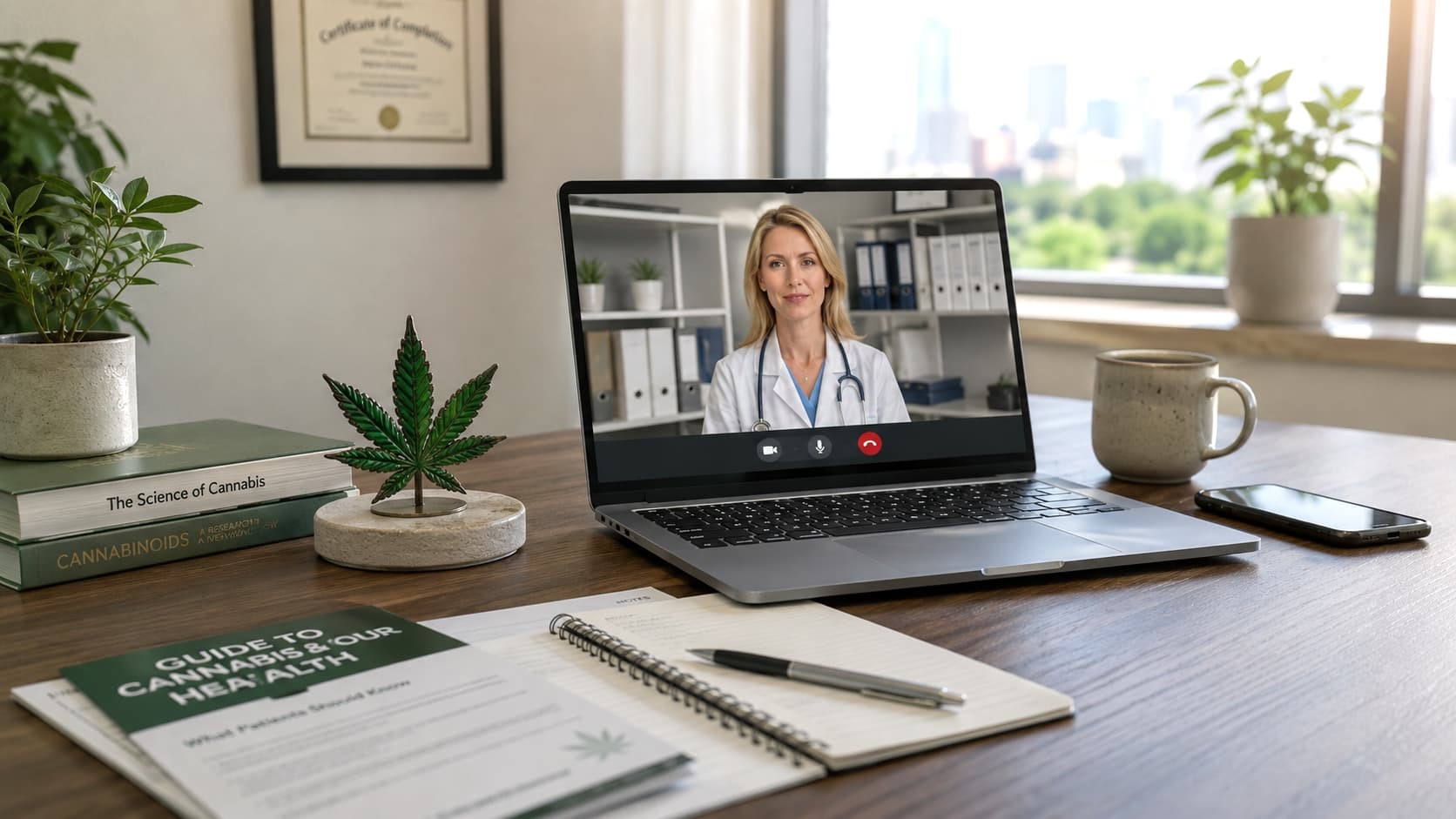
Patients who once waited weeks for clinic appointments can now complete physician consultations online from home. States are expanding telehealth eligibility, reducing administrative barriers, and modernizing Medical Marijuana Regulations to keep up with growing patient demand.

At the same time, consumers are becoming far more educated about how regulated cannabis systems actually work. Patients now compare:
- physician consultation requirements
- telehealth availability
- renewal costs
- state taxes
- dispensary testing standards
- legal protections
That shift is changing how states approach cannabis healthcare policy.
For many people, obtaining a Medical Marijuana Card is no longer just about legal access to cannabis products. Patients increasingly view regulated medical programs as part of a broader healthcare system involving physician oversight, verified testing standards, and long-term product consistency.
This healthcare-focused approach is one of the biggest trends shaping Medical Marijuana Regulations in 2026.
Why States Are Modernizing Medical Marijuana Regulations
As legal cannabis markets continue expanding, many states are reevaluating older Medical Marijuana systems that were built during the early legalization years.
Some state programs previously required:
- multiple in-person clinic visits
- physical paperwork submissions
- long approval timelines
- limited physician availability
Today, many of those barriers are disappearing.
States are increasingly modernizing:
- patient application systems
- physician certification requirements
- online renewal processes
- digital verification tools
- telehealth eligibility rules
Several states have also started simplifying registration structures to reduce costs for long-term patients.
For example, some Medical Marijuana programs now offer multi-year cards instead of annual renewals, helping patients avoid repeated administrative fees and physician scheduling delays.
Cannabis and Telemedicine Are Expanding Rapidly
One of the biggest changes shaping Medical Marijuana Regulations in 2026 is the continued rise of cannabis and telemedicine.


Remote healthcare systems are now becoming standard across many state-regulated cannabis programs.
Patients increasingly prefer:
- online physician consultations
- digital patient applications
- remote renewals
- virtual healthcare guidance
- faster certification timelines
A telehealth cannabis doctor may now evaluate patients remotely through secure online healthcare systems, making Medical Marijuana access significantly easier for many individuals.
This shift has especially benefited:
- rural communities
- elderly patients
- individuals with mobility limitations
- chronic pain patients
- busy working adults
In many cases, online cannabis consultation systems now reduce the need for repeated in-person clinic visits entirely.
Why Physician Consultation Standards Are Changing
As Medical Marijuana programs mature, states are also placing more emphasis on physician oversight and structured healthcare compliance.
Patients today are increasingly looking for:
- professional medical guidance
- regulated treatment access
- healthcare-focused cannabis education
- product consistency
- symptom-specific strain recommendations
This has created greater demand for regulated physician consultation systems instead of informal cannabis purchasing practices.
Healthcare-focused Medical Marijuana systems are becoming especially important for patients managing:
- chronic pain
- anxiety disorders
- PTSD
- cancer-related symptoms
- neurological conditions
- sleep disorders
Because of this, many state regulators continue refining physician certification requirements and telehealth compliance rules.
Why Medical Programs Still Matter in Recreational States
One of the most interesting cannabis trends in 2026 is that many patients still prefer regulated Medical Marijuana systems even in states with recreational cannabis access.
That often surprises newer consumers.
But for regular cannabis users, medical programs still provide important advantages:
- lower retail taxes
- physician supervision
- stronger legal protections
- regulated product testing
- higher purchasing limits
- healthcare-focused guidance
For patients purchasing cannabis consistently throughout the year, those differences can become financially significant over time.
This is one reason Medical Marijuana Card participation remains strong across many states despite expanding adult-use markets.
Ohio’s Medical Marijuana System Continues Evolving
Ohio remains one of the states continuing to modernize its regulated cannabis system through digital healthcare access and streamlined physician consultation processes.
Telehealth expansion has made Medical Marijuana evaluations far more accessible than they were only a few years ago.
Educational resources covering the Ohio medical marijuana card process now help patients better understand:
- physician certification requirements
- telehealth eligibility
- renewal procedures
- legal purchasing guidelines
- state compliance rules
For many residents, regulated telehealth systems have become the preferred entry point into Ohio’s Medical Marijuana program.
Why Online Applications Are Becoming the Standard
Patients in 2026 increasingly expect healthcare convenience.
That expectation is pushing states toward fully digital Medical Marijuana systems that include:
- online applications
- electronic medical documentation
- virtual physician consultations
- online renewals
- digital patient verification
Many patients now prefer completing evaluations remotely instead of scheduling in-person clinic visits weeks in advance.
For Ohio residents, learning how to apply for an Ohio medical card online through secure telehealth providers has become one of the easiest ways to maintain legal cannabis access while remaining compliant with evolving state regulations.
This trend toward digital healthcare integration is expected to continue accelerating throughout 2026 and beyond.
Product Testing Standards Are Becoming Stricter
Another major shift happening across Medical Marijuana Regulations involves product transparency.
Today’s cannabis consumers increasingly expect:
- detailed lab testing
- terpene labeling
- contaminant screening
- cannabinoid analysis
- cultivation transparency
- batch consistency
Medical cannabis patients especially rely on product consistency because many use cannabis as part of structured wellness routines.
As a result, regulators across multiple states are tightening:
- testing standards
- packaging rules
- dispensary compliance systems
- cultivation oversight
- labeling requirements
This reflects a broader industry movement toward healthcare-grade cannabis regulation.
Patients Are Becoming More Educated
Patients today are significantly more informed than cannabis consumers were during the earlier legalization years.
Many consumers now actively research:
- strain composition
- terpene profiles
- physician guidance
- dosing strategies
- product testing
- state regulations
That educational shift is influencing:
- dispensary purchasing behavior
- physician consultation expectations
- regulatory policy discussions
- product development strategies
Consumers increasingly want regulated products that offer consistency, transparency, and healthcare-focused guidance.
FAQ About Medical Marijuana Regulations in 2026
What are Medical Marijuana Regulations?
Medical Marijuana Regulations are state-specific laws governing patient eligibility, physician certification, cannabis purchasing, product testing, and legal compliance.
What is a telehealth cannabis doctor?
A telehealth cannabis doctor is a licensed healthcare provider who evaluates patients remotely through secure online healthcare systems.
Can patients complete Medical Marijuana evaluations online?
Yes. Many states now allow online cannabis consultation systems and remote physician certification for Medical Marijuana Card approvals and renewals.
Why are states expanding telehealth access?
Telehealth improves healthcare accessibility, reduces wait times, and simplifies participation in regulated Medical Marijuana programs.
Why do Medical Marijuana programs still matter in recreational states?
Medical programs often provide lower taxes, physician oversight, regulated products, stronger legal protections, and healthcare-focused cannabis guidance.
Final Thoughts
Medical Marijuana Regulations in 2026 are becoming more patient-focused, more digital, and far more healthcare-oriented than they were during the early legalization years.
States continue expanding telehealth eligibility, modernizing physician consultation systems, and simplifying online patient access while maintaining regulated healthcare oversight.
At the same time, patients are becoming more informed about product quality, legal compliance, and healthcare-focused cannabis use.
As cannabis and telemedicine continue evolving together, regulated Medical Marijuana systems are likely to become even more integrated into mainstream healthcare access across the United States.


Sign up for bi-weekly updates, packed full of cannabis education, recipes, and tips. Your inbox will love it.