

 Merch
Merch Medical card
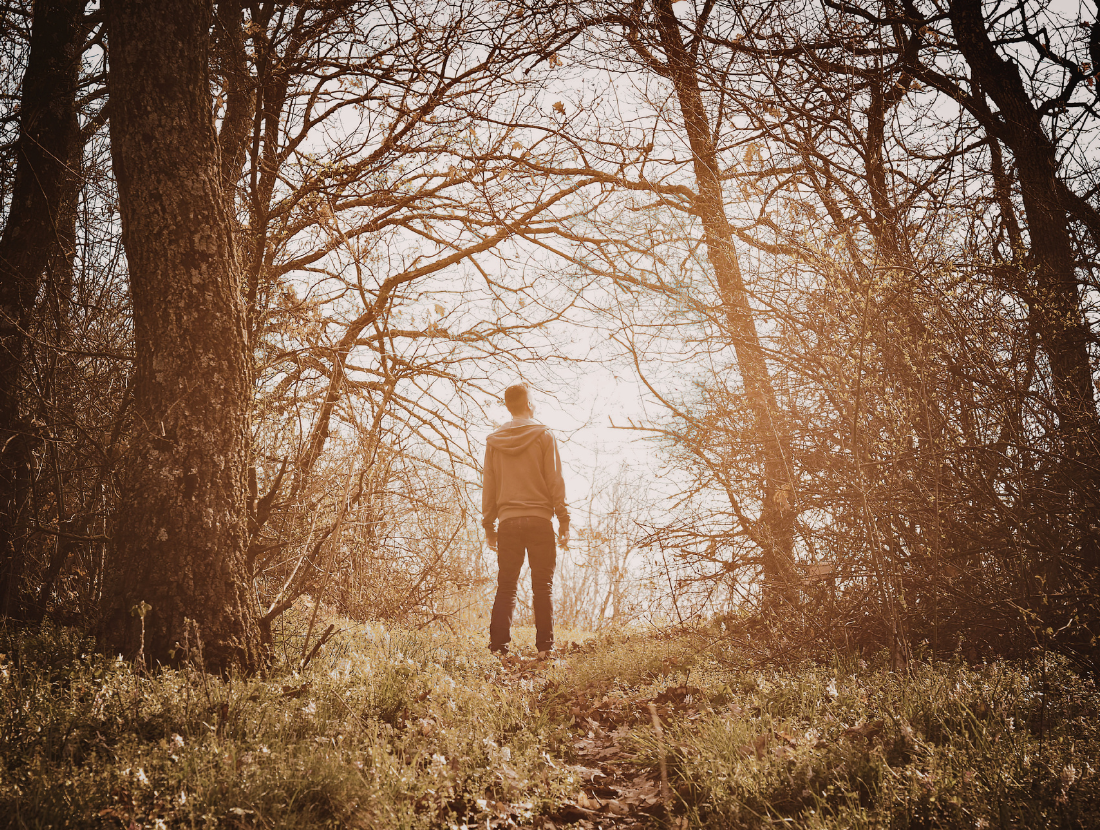
Your body already runs a mood-regulating system that sunlight, fresh air, and movement activate. Cannabis taps into the same circuitry.
You step outside on a warm afternoon, feel sunlight on your skin, take a few deep breaths of open air, and something shifts. Your shoulders drop. Your thoughts slow down. You feel, for lack of a better word, lighter. That shift has a biological basis, and it runs through the same system that cannabis engages: the endocannabinoid system (ECS). The relationship between cannabis and mood has become a lot more specific in recent years, and new research paints a picture where nature, sunlight, and cannabinoids may complement each other as stress relief tools in measurable ways.
How 20 Minutes in Nature Can Reduce Stress
A 2019 University of Michigan study asked 36 participants to spend time outdoors at least three times per week for eight weeks and tracked their salivary cortisol. The researchers found a 21.3% per-hour drop in cortisol beyond the body’s normal daily decline, with peak efficiency at the 20- to 30-minute mark. The setting didn’t need to be a national park. Urban green spaces worked. Any place participants perceived as “nature” produced the effect.

A separate Stanford experiment found that a 90-minute nature walk reduced self-reported rumination and decreased activity in the subgenual prefrontal cortex, a brain region associated with depression risk, compared to a 90-minute urban walk. Forest bathing research adds depth: a meta-analysis of 22 studies showed 12% to 18% cortisol reductions after short-term forest exposure across multiple cultures and study designs.
How Sunlight Boosts Serotonin and Mood
Sunlight’s mood effects go beyond “it feels nice out.” A Lancet study measured serotonin metabolites from internal jugular vein blood in 101 men and found brain serotonin production correlated with bright sunlight duration. The lowest turnover occurred in winter. This pathway is fast: light hits the retina, and the brain responds. It’s separate from the slower vitamin D synthesis happening through the skin, though both contribute to mood regulation through different timescales.
A broader review in Science Advances synthesized evidence across disciplines and concluded that nature contact improves cognitive functioning, emotional well-being, and mental health through multiple converging pathways, with researchers noting that awe, a psychological state nature frequently triggers, may carry its own independent benefits. Research on awe has linked it to diminished self-focus, increased sense of meaning, and improved well-being across diverse populations including military veterans and at-risk youth.
How the Endocannabinoid System Connects Cannabis and Mood
Your body produces its own cannabinoids, anandamide (AEA) and 2-AG, and exercise triggers their release. A 2022 systematic review found that 14 of 17 human studies detected increased endocannabinoid levels after acute exercise. The famous “runner’s high”? Mouse research demonstrated it depends on cannabinoid receptors, not endorphin receptors. Your body’s own mood machinery runs on the same system that cannabis activates.
The connections run deeper at the molecular level. Endocannabinoid signaling modulates serotonin neurons in the dorsal raphe, meaning the ECS and serotonin system talk to each other during mood regulation. So sunlight boosts serotonin, movement activates endocannabinoids, and endocannabinoids influence serotonin neurons. These systems are in conversation.
Cannabis Outdoors: How It Affects Mood and Exercise
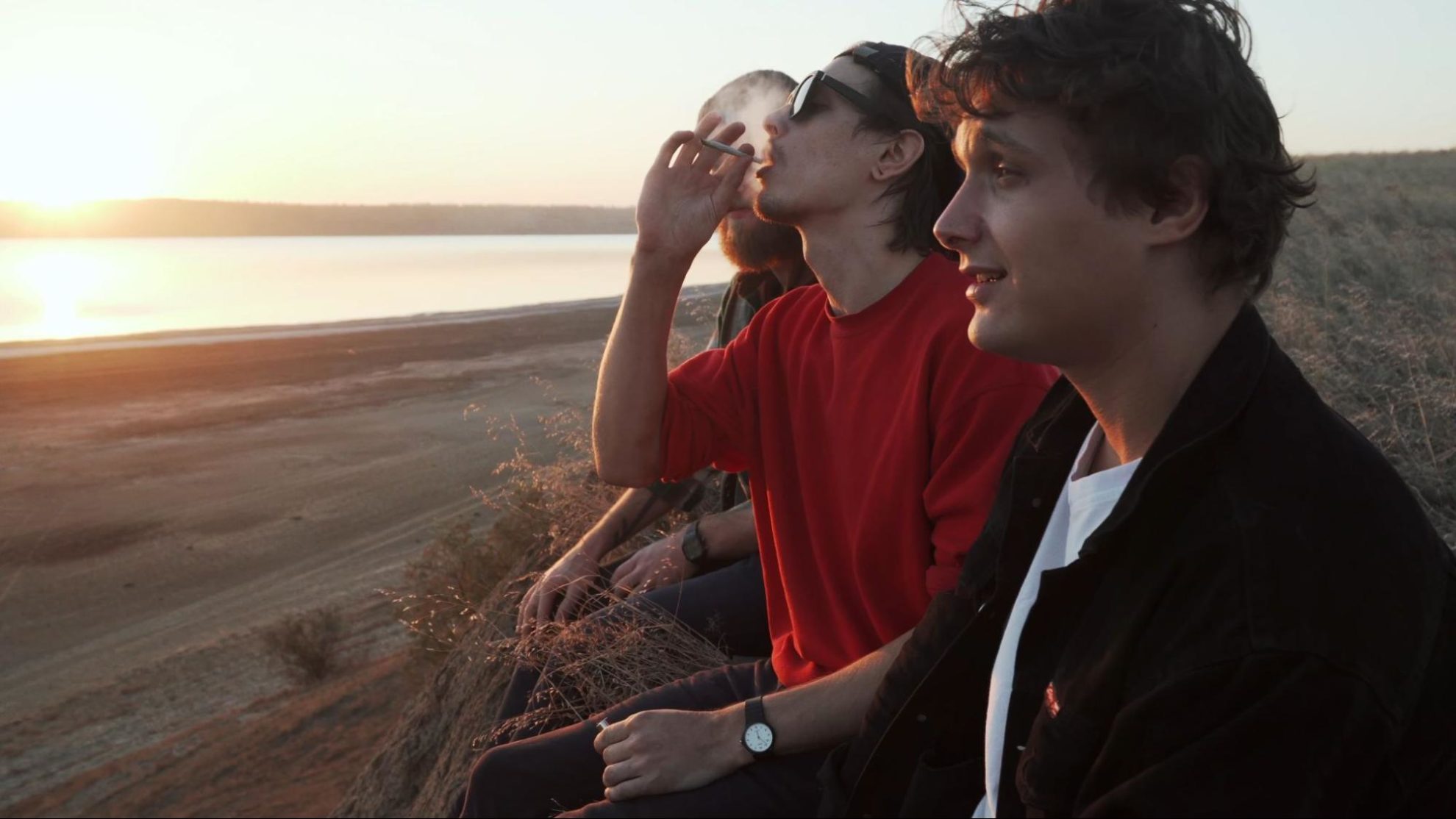
A study tracking over 12,000 cannabis sessions found that inhaled cannabis produced significant acute reductions in self-reported depression, anxiety, and stress. Low-THC/high-CBD cannabis was associated with the largest perceived reductions in depressive symptoms. That same study, though, found cannabis use for depression appeared to worsen depressive symptoms over time, an important caveat for anyone considering regular use.
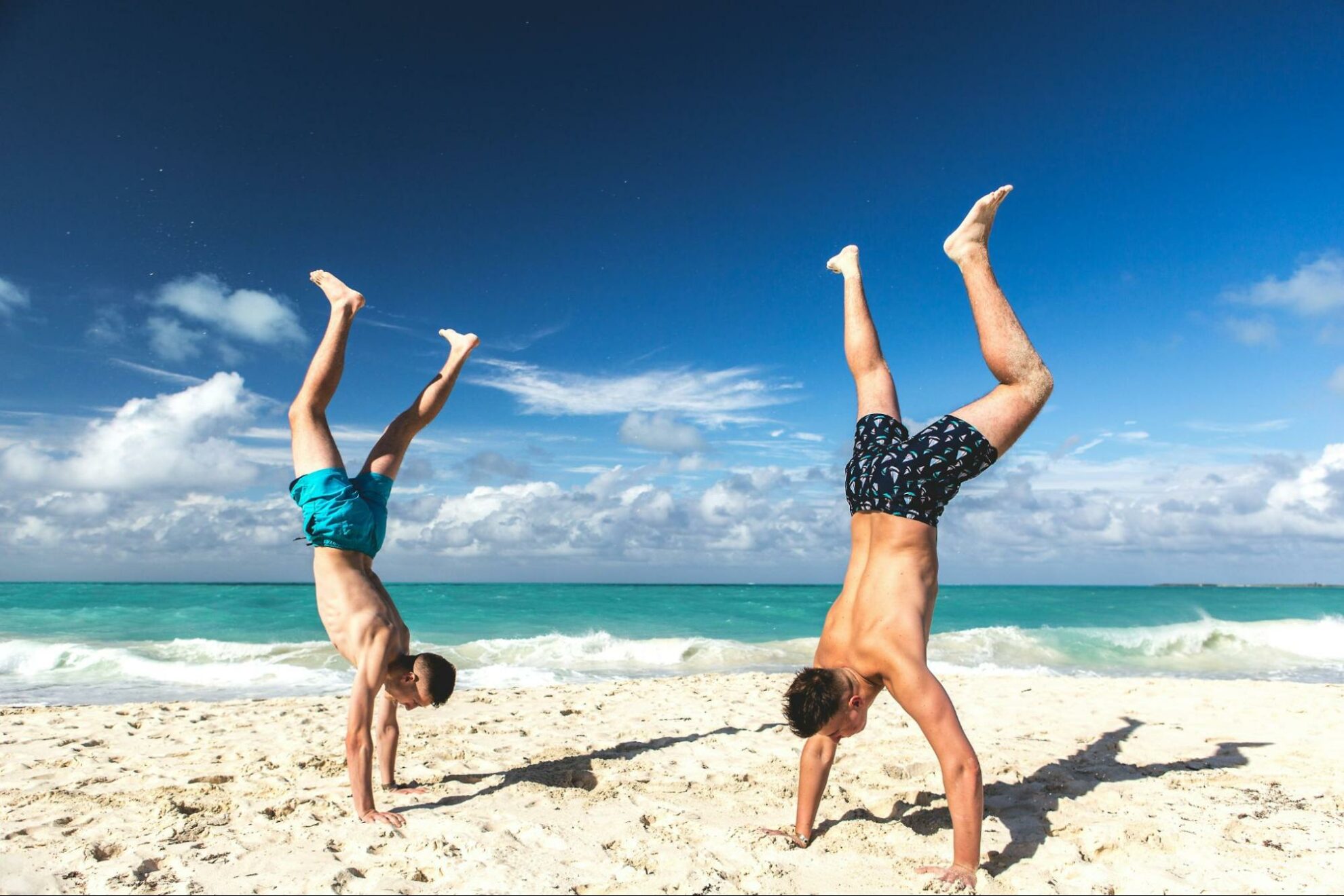
In legalized states, 81.7% of cannabis users who exercised reported using cannabis alongside physical activity, with 70% citing increased enjoyment, 78% citing better recovery, and co-users logging about 43 more minutes of exercise per week. Hiking and yoga ranked as the most popular pairings. The data on cannabis and exercise suggests that enjoyment, not performance, is the primary benefit.
THC has dose-dependent biphasic effects on anxiety: low doses tend to calm, while higher doses can increase anxiety. CBD may moderate this effect at higher THC doses. For outdoor use, starting low and choosing balanced or CBD-forward products may offer the best experience.
Lab research confirms that cannabis before exercise increased positive mood and enjoyment but did not improve performance, and high-THC strains made exercise feel harder. The takeaway fits with the biphasic data: the mood benefits of combining low-dose cannabis with outdoor activity appear to live in the low-dose range.
How Nature, Sunlight, and Cannabis Work Together for Mood
The picture that emerges from this research is one of overlapping biological systems. Sunlight feeds serotonin production. Time outdoors lowers cortisol. Movement activates endocannabinoids. Awe, a feeling nature provides with reliable frequency, carries its own mental health benefits. Cannabis engages the same endocannabinoid system that exercise activates, and at low doses, it may enhance the enjoyment of being outside and moving without impairing the experience. These are parallel pathways, and the early research suggests they can complement each other.
None of this means cannabis is necessary for the mood benefits of being outside. The cortisol, serotonin, and endocannabinoid data stand on their own. But for those who already use cannabis, the science of cannabis and nature suggests that a low-dose cannabis session before a walk in the park or a hike through the trees may be tapping into biology that’s already primed to respond.
Frequently Asked Questions
How long do I need to spend outside to reduce stress?
A 2019 University of Michigan study found that 20 to 30 minutes in any space you perceive as nature, even an urban park, produced the most efficient cortisol reduction. Longer sessions helped, but the first 20 minutes delivered the biggest return.
Does cannabis make outdoor exercise more enjoyable?
Survey data from legalized states suggests it can. About 70% of cannabis users who exercised with cannabis reported increased enjoyment, and co-users exercised about 43 more minutes per week. Lab research found that high-THC strains made exercise feel harder, so low doses appear to work best.
Can sunlight affect serotonin levels in the brain?
Yes. A Lancet study measured serotonin metabolites from jugular vein blood and found that brain serotonin production correlated with bright sunlight duration. This is a rapid pathway driven by light hitting the retina, separate from the slower vitamin D synthesis that happens through the skin.
Does THC always reduce anxiety?
No. THC produces dose-dependent effects on anxiety: low doses tend to calm, while higher doses can increase anxiety. CBD may moderate the anxiogenic effects of higher THC doses. This makes dose selection important, especially for outdoor use where you want to enjoy the experience.
How does cannabis affect mood?
Cannabis affects mood by engaging the endocannabinoid system (ECS), the same biological network that sunlight and exercise activate. Tracked data from over 12,000 sessions found acute reductions in self-reported depression, anxiety, and stress, with low-THC/high-CBD cannabis showing the largest perceived improvements in depressive symptoms. Long-term use for depression may worsen symptoms over time, and THC’s effects on anxiety are dose-dependent.


Sign up for bi-weekly updates, packed full of cannabis education, recipes, and tips. Your inbox will love it.