

 Merch
Merch Medical card
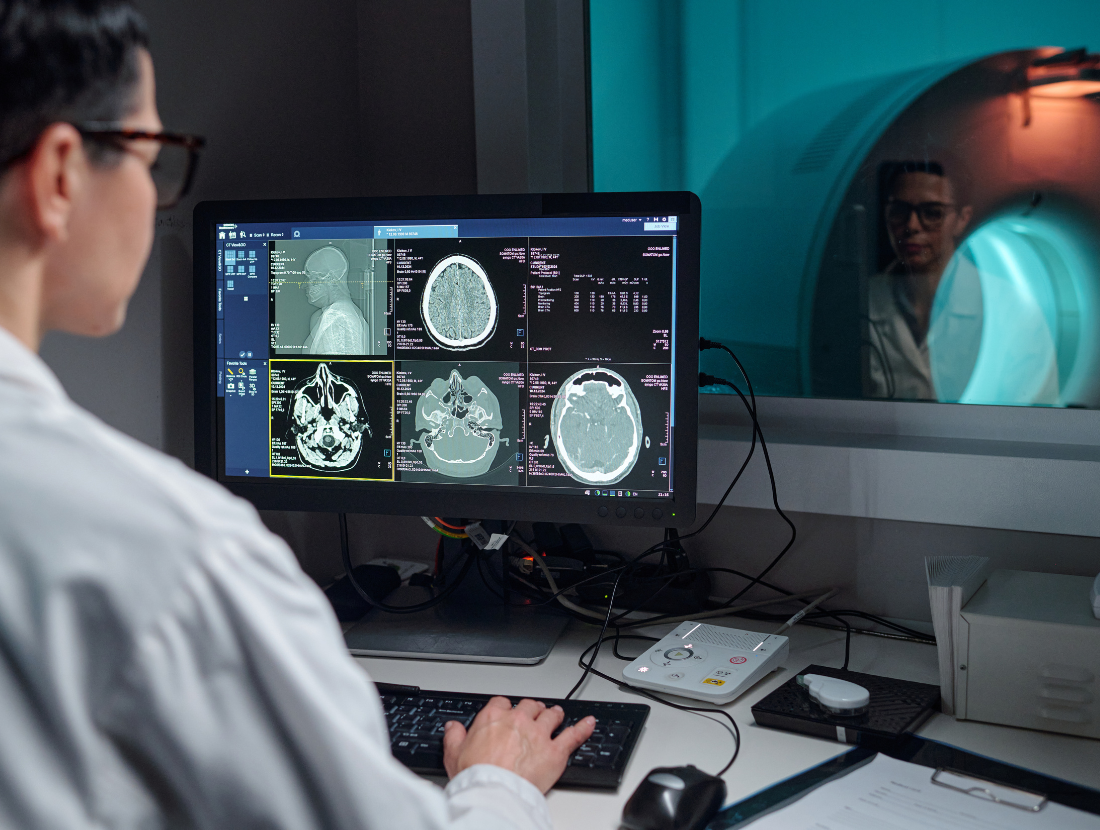
Recent neuroscience studies are producing conflicting findings on cannabis, memory, brain aging, and mental health. Context, it turns out, changes everything.
Research on cannabis and the brain moved faster in the past 18 months than in the previous decade. Researchers published the largest-ever brain imaging study on cannabis and working memory, mapped the neurocircuitry of cannabis use disorder for the first time, and delivered two major reviews that found no clinical trial evidence for cannabinoids as mental health treatments. At the same time, other teams reported that cannabis use in adults over 40 may be associated with larger brain volumes and better cognitive performance.
These findings seem contradictory, and in some cases they are. But the emerging picture suggests that THC-dominant cannabis affects the brain in ways that depend on age, frequency, duration, and the specific neural systems being measured. The endocannabinoid system, which regulates everything from mood to memory consolidation, responds differently across each of these variables. A single narrative of “good” or “bad” doesn’t capture what researchers are finding.

How Cannabis Affects Working Memory: The Largest Study Yet
The anchor study on cannabis and memory came from Gowin et al. in January 2025: the largest fMRI study of cannabis and cognition ever completed, scanning more than 1,000 young adults aged 22 to 36. Among heavy lifetime users, 63% showed reduced brain activity during working memory tasks, with affected regions including the dorsolateral prefrontal cortex and anterior insula, areas central to decision-making and attention. The lead author noted that abstaining before cognitively demanding situations would likely help performance.
This is an observational, cross-sectional study. It can’t determine whether cannabis caused the reduced activation or whether pre-existing differences drove both usage patterns and brain activity. And a separate 2024 cohort study found no significant change in brain activation after a full year of medical cannabis use, complicating any straightforward dose-response interpretation.
Cannabis and the Aging Brain: A Surprising Paradox
The most counterintuitive cannabis brain effects involve adults over 40. Guha et al. analyzed UK Biobank data from participants aged 40 to 77 and found that lifetime cannabis use correlated with larger brain volumes in CB1-receptor-rich regions, including the hippocampus, caudate, putamen, and amygdala, alongside better performance on learning, processing speed, and short-term memory tasks. Given that age-related brain atrophy is a well-established predictor of cognitive decline, the authors flagged a potential neuroprotective interpretation.
Significant caveats apply. Cannabis users who survive into their 60s and 70s and volunteer for a health study may not represent typical users. And a separate UK Biobank analysis of adults aged 60 and older found the opposite: cannabis users in that cohort had smaller total brain, white matter, and grey matter volumes. The divergence may reflect different age ranges, analytical methods, or the importance of onset age.
Cannabis and Adolescent Brain Development: Consistent Concern
The adolescent brain development data tells a more consistent story. Wade et al. analyzed over 11,000 participants in the ABCD Study, the largest long-term study of brain development in U.S. youth, and found that teens who use cannabis show slower improvements in memory, attention, language, and processing speed compared to non-users. The differences were modest but may accumulate during this critical developmental window.
A longitudinal neuroimaging study by Watts, Navarri, and Conrod followed 136 adolescents from ages 12 to 17 with repeated brain scans and found cortical thickness was lower in years when participants’ cannabis use exceeded their own average. The effect was significantly stronger in males: each once-per-week increase in use correlated with a 0.005 mm reduction in cortical thickness, equivalent to roughly 18% of typical annual cortical thinning. This study’s within-person design helps separate pre-existing vulnerability from the consequences of use.
Cannabis, Dopamine, and Psychosis: The Addiction Circuits
Ahrens et al. provided the first direct imaging evidence linking cannabis use disorder to elevated neuromelanin signals in the substantia nigra/ventral tegmental area, the same midbrain subregion implicated in psychotic symptoms. This adds a biological mechanism to the epidemiological link between cannabis and psychosis, though the study included only 61 participants and cannot establish directionality.
On the addiction side, Lorenzetti et al. mapped the neurocircuitry of cannabis cue reactivity for the first time using fMRI, finding that people with cannabis use disorder showed heightened activation in the orbitofrontal cortex, cingulate, hippocampus, and cerebellum when viewing cannabis cues. These circuits overlap with those seen in alcohol, nicotine, and cocaine use disorders, suggesting shared addiction mechanisms.
Cannabinoids and Mental Health Treatment: The Evidence Gap
Two major 2026 reviews challenged the assumption that cannabinoids are effective mental health treatments. Wilson et al. conducted the largest systematic review of cannabinoid clinical trials across mental health conditions, screening 5,774 studies and including 54 RCTs. They found no evidence that medicinal cannabis effectively treats anxiety, depression, or PTSD, and found zero completed RCTs for depression.
A concurrent JAMA Internal Medicine review reached similar conclusions while warning of substantial risks in vulnerable groups. Some researchers pushed back, noting that the Lancet review excluded non-RCT evidence and that specific compounds like CBD may show promise individually. One area of genuine intrigue: Ross et al. reported that regular cannabis use was associated with improved hippocampal pattern separation in people with high PTSD symptoms, while reducing it in those with low symptoms, a paradox that may reflect differences in baseline endocannabinoid tone.
What Cannabis Brain Research Means Going Forward
The 2025–2026 research on cannabis and the brain doesn’t resolve the question. It reframes it. A comprehensive review co-authored by former NIDA director Nora Volkow captures the current state well: the evidence base is growing in size and sophistication, but outcomes for cognitive function, brain structure, and mental health depend on who is using cannabis, when they started, how often they use it, and which neural systems you measure. For consumers and clinicians alike, the most honest takeaway from this generation of studies is that context matters more than any single headline.

Frequently Asked Questions
Does cannabis cause permanent brain damage?
Current research can’t make that claim. The largest imaging studies show reduced brain activity during memory tasks in heavy users, but whether those changes reverse with abstinence remains an open question. Several studies in adults over 40 have found the opposite pattern, with cannabis use associated with preserved or larger brain volumes. Age of onset, frequency, and duration of use all appear to influence outcomes.
Is the adolescent brain more vulnerable to cannabis than the adult brain?
Multiple large-scale 2025–2026 studies suggest yes. ABCD Study data shows teens who use cannabis develop slower improvements in memory, attention, and processing speed. A longitudinal imaging study found reduced cortical thickness during periods of heavier use, with stronger effects in males. These findings are consistent across studies, though the individual differences are modest and may accumulate over time.
Can cannabis treat anxiety, depression, or PTSD?
No randomized controlled trial evidence supports cannabis or cannabinoids for these conditions, according to the largest systematic review of cannabinoid clinical trials, published in Lancet Psychiatry in 2026. The reviewers found zero completed RCTs for depression. This doesn’t prove cannabis can’t help individual patients, but the clinical evidence base remains thin. Some researchers note that specific compounds like CBD may show promise, and certain patient subsets may respond differently.
What is the connection between cannabis and psychosis?
Heavy cannabis use is associated with elevated dopamine markers in a brain region linked to psychotic symptoms, according to a 2025 imaging study. This was the first direct neurobiological evidence connecting cannabis use disorder to the same midbrain subregion implicated in psychosis. The study was small (61 participants) and correlational, so it can’t determine whether cannabis drives the dopamine changes or whether shared underlying factors contribute to both.


Sign up for bi-weekly updates, packed full of cannabis education, recipes, and tips. Your inbox will love it.