

 Merch
Merch Medical card
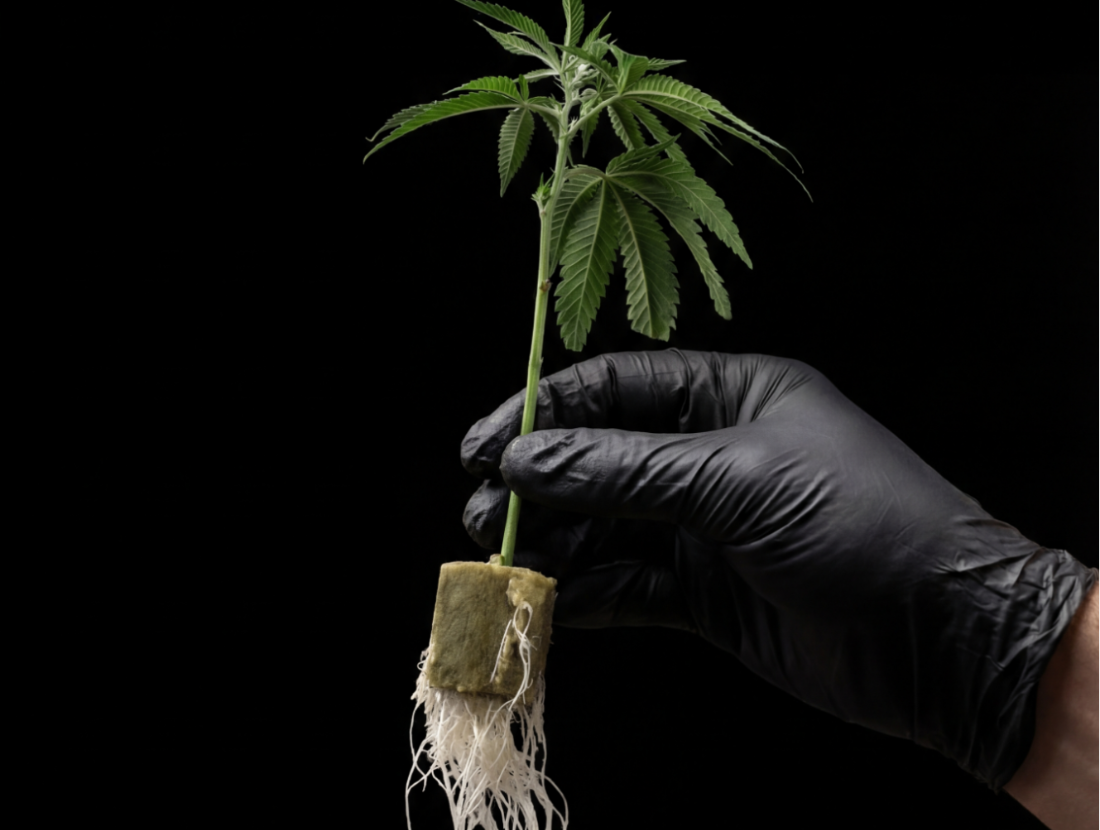
Cloning is one of the most reliable ways to multiply your favorite cannabis plants, whether you’re working in a small home grow or scaling up your garden. Using cuttings from a healthy parent plant gives you a genetic match with predictable growth characteristics and cannabinoid potential under similar environmental conditions.
Cloning is simple once you get the hang of it. But there’s a reason many growers don’t stop at just taking the cutting and sticking it in a container of soil-they turn to rooting powder or rooting gel to give those fresh cannabis clones a solid head start.

Rooting Gel vs. Rooting Powder
Both have their strengths, and both are popular for a reason. The key is knowing how each works, what suits your setup, and which one fits your style best. Let’s break down some knowledge: the pros, cons, and considerations so you can make the right choice for your grow.
How to Clone Cannabis: Quick Overview
Plant propagation is how we create new plants from the ones we already love. It’s a hands-on way to preserve prized genetics, lock in traits, and multiply your harvest without starting from scratch. Whether you’re working with houseplants or cannabis, the basics are the same: you can start from seeds, you can clone and nowadays you can buy clones online.
Also called asexual propagation, it’s the practice of taking a cutting (usually a stem cutting, though some growers work with leaf or root cuttings) and encouraging it to root. It gives you a genetic match to the parent plant: same species, same genetic traits, and the same cannabinoid and terpene potential as the parent plant. For cannabis growers, that means:
- Predictable flowering
- Reliable yields
- No surprises when it comes to potency or plant sex
Propagating through plant cuttings is often the go-to for growers who want consistency. But cannabis cuttings are a little fussier than your average houseplant. They need a stable and sanitized environment:
- Warm roots (72–78°F or 22–26°C)
- High relative humidity during first week (70–80%)
- Gentle indirect light minimising water loss
- Minimal stress
- Minimal exposure to pathogens
And to boost your success rate, most growers reach for rooting hormones, typically as a powder or a gel. That’s where the debate begins: which one’s better?
Why Use Rooting Hormones on Cannabis Clones?
When you propagate cannabis through plant cuttings, you’re asking a trimmed branch to heal and grow roots at the same time. That’s a tall order, especially if you want consistent results. This is where rooting hormones come in.
Rooting hormone is a concentrated boost that helps cuttings develop roots faster, stronger, and with better success. It works by delivering synthetic auxins: hormones that kickstart root formation right at the cut end. When you dip your cutting in this concentrate before planting, you’re giving it a head start. Most commercial rooting hormones contain synthetic auxins such as IBA (Indole-3-butyric acid) or NAA (Naphthaleneacetic acid).
Here’s what rooting hormone does:
- Stimulates root growth at the cut end
- Improves the success rate, especially with more delicate or slow-starting cuttings
- Gel formulas create a physical coating over the cut surface, which may reduce air exposure and contamination. Some powder products also include antifungal agents, though not all formulas provide protective additives.
Even though cannabis can root fairly quickly on its own, using a rooting hormone makes the process more reliable. It shortens the time to transplant and gives weaker cuttings a better chance to thrive.
Types of Rooting Hormones
When it comes to plant propagation, choosing the right rooting hormone can make a noticeable difference in your success rate. Two of the most common types are rooting hormone powder and rooting gel. Both aim to do the same thing: help your plant cuttings root faster and more reliably. But they work a little differently.
Rooting hormone powder is dry and shelf-stable. You simply dip the cut end of your stem into the powder, tap off any excess powder, and plant it in your medium. It’s easy to use, doesn’t require refrigeration, and tends to last a long time. It’s popular for its simplicity and wide availability.

Rooting gel, on the other hand, is designed to stick to the cut end and form a protective seal. These gel formulations often coat better than powders and help reduce the risk of air exposure or contamination. The gel stays in place, delivering a steady dose of rooting hormone while also helping to prevent infection. Many cannabis growers report more consistent performance in high-humidity environments, particularly when using plugs or hydroponic cloning systems.
Some growers experiment with DIY alternatives (like honey or crushed aspirin) as natural options for cloning. While they may have some antibacterial or hormone-like properties, they don’t consistently match the performance of dedicated rooting products when it comes to cannabis.
At the end of the day, both powder and gel can work well; it often comes down to personal preference and your setup.
What to Consider When Choosing Between Rooting Gel and Powder
First of all, there’s no one-size-fits-all answer. Whether you go with rooting gel or rooting powder often comes down to your setup, experience, and personal preference. But a little understanding of the advantages of each can help you make the right call for your grow.
Rooting Powder: Long Shelf Life and Cost-Effective
- Offers a longer shelf life, you can store it for occasional use
- More cost-effective for growers working with lots of cuttings
- Works well in soil or peat-based propagation setups and is often chosen for its long shelf life and cost efficiency.
- Can be messy – always pour a bit out instead of dipping into the same bottle to avoid contamination
- Works well in dry setups, but is less effective if your medium is overly soaked
Pro tip: To prevent contamination, never dip cuttings directly into the original container. Always pour a small amount into a separate dish and discard any unused product after use.
Rooting Gel: Easy, Clean, and Ideal for Soft Cuttings
- Generally easier to use, especially for beginners
- Clings to the cut end and protects the wound during rooting
- Perfect for softwood cuttings like cannabis
- Pairs well with perlite, plugs, or coco-based rooting mediums
- Stays in place in high-humidity environments like domes or cloning machines
- Some growers find it more consistent and slightly higher in effectiveness
Which Rooting Hormone is Best for Cannabis?
Some growers swear by gel, others stick with powder. Many end up using both, depending on the plant or the setup. The important thing is to practice, observe, and find what works best for your space and style. And remember: whether you’re using honey, aspirin, rooting gel, or rooting powder, it’s your care and consistency that really make the difference.
Final Verdict: Rooting Gel vs. Powder for Cannabis
There’s no “wrong” choice, just what works best for the plant you’re trying to propagate.Both gel and powder can work effectively when matched to the right environment. The key is understanding your medium, humidity level, and workflow rather than assuming one format is universally superior.The key is understanding your environment, staying flexible, and learning as you go.
FAQs About Rooting Gel or Rooting Powder
Still have questions about cloning cannabis? This FAQ covers everything from rooting gel vs. powder to the best mediums and techniques for healthy, high-yield plant cuttings.
Is Rooting Powder or Gel Better for Weed Clones?
Because both have their strengths, it depends. Rooting powder is dry, cost-effective, and has a longer shelf life, making it ideal for heavier potting mediums and occasional use. Rooting gel, in gel formulations, clings to the cut end, protects the wound, and often works better for soft stem cuttings or delicate plant cuttings in high-humidity setups.
Can You Clone Cannabis Without Rooting Gel?
Yes. Cannabis cuttings can root naturally without added hormone if humidity, temperature, and moisture levels are properly controlled. However, rooting hormones typically shorten rooting time and improve overall success rates, especially in less-than-perfect conditions.
What Is the Best Medium for Cannabis Cloning?
The best medium for cannabis cloning depends on your setup and goals. Regardless of the medium used, the most important factor in successful cloning is oxygen availability at the cut site. Soil is a natural potting medium that stabilizes plant cuttings and encourages healthy growth, while aeroponics suspends the roots in a misted nutrient solution for excellent oxygenation. Plugs or coco-based media work particularly well with rooting gel, providing consistent results for successful propagation.
What Is the Best Method for Cloning Cannabis?
You can root plant cuttings in plain water, but using a rooting hormone powder, liquid rooting hormones, or rooting gel makes it faster and more reliable. Protect the cuttings from stress, maintain gentle light, and keep the rooting medium appropriately moist without excess water.
What are the signs of too much rooting hormone?
Yellowing or browning at the cut end, stunted root development, or leaves curling and dying off. Too much hormone can actually inhibit rooting rather than help it. Always tap off excess powder or wipe off excess gel before planting.
What helps cuttings root faster?
Stable warmth (72-78°F), high humidity (70-80%), gentle indirect light, and a clean sterile environment. A rooting hormone cuts the time down significantly. Rockwool or coco plugs tend to root faster than soil.


Sign up for bi-weekly updates, packed full of cannabis education, recipes, and tips. Your inbox will love it.