

 Merch
Merch Medical card
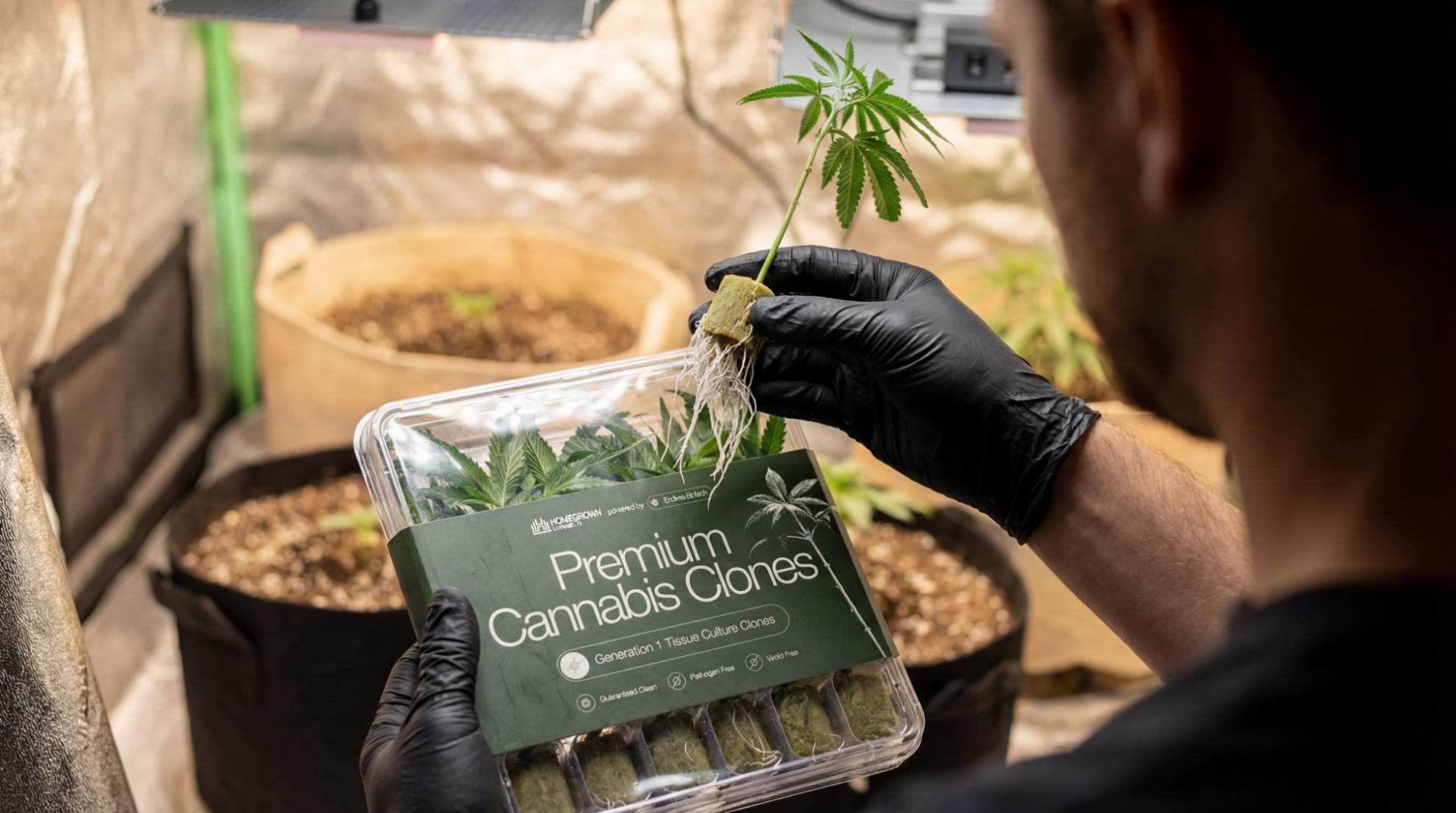
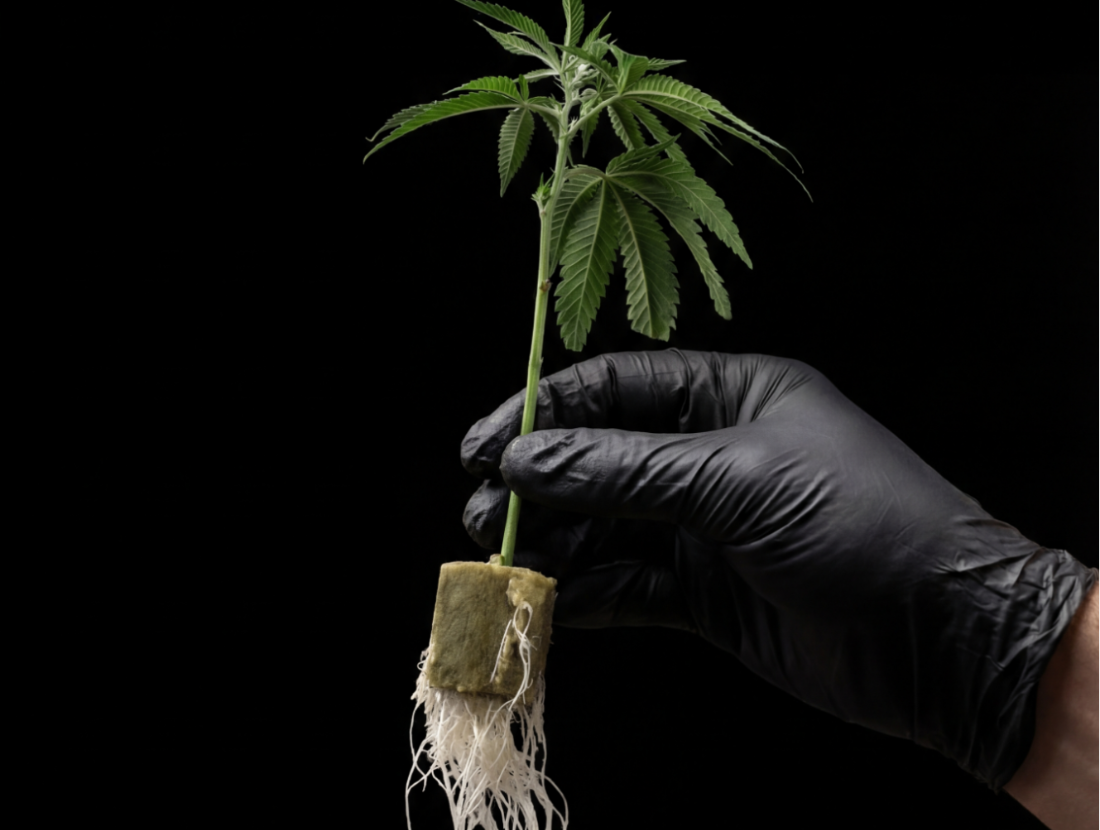
When growing cannabis, waiting days for your seeds to germinate can be boring and a little stressful. However, when you clone marijuana, you don’t rely on the success of your seed sprouting but rather your skill in keeping your genetics alive and knowing how to clone marijuana successfully to produce healthy viable clones.
As everyone knows, the growing and flowering phases are probably the coolest part of growing cannabis. You can see each branch appear and buds develop while your excitement builds. With cannabis clones, you skip the uncertainty of the germination phase and jump right into the good stuff.

How To Clone Marijuana
Cloning plants isn’t a new concept. People have been doing it with roses, orchids, and various other plants long before cannabis. It’s possible with most plants.
Clones are genetically identical, but cannabinoid content still depends on the environment (light intensity, nutrients, stress, etc.). Genetics determine potential, but final results still depend on how we grow our plants.
Supplies You Will Need
- Sharp scissors
- Cloning gel
- A good rooting medium
- Spray bottle
- Low-intensity in-direct light
- Humidity dome
How to Clone Cannabis in 7 Simple Steps
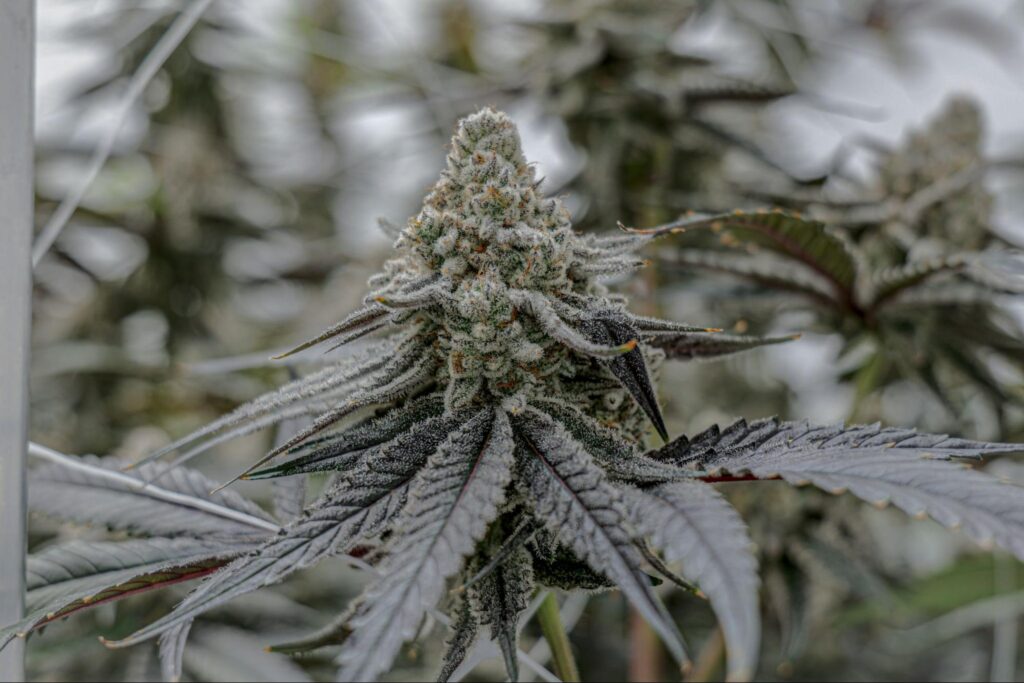
Don’t start chopping away at your plant like Edward Scissorhands with blocks of ice. Before creating your clones, separate her from the rest of the crop so you can keep your original plant in a constant vegging state. Your equipment and environment should be clean, and the razor blades should be sterile.
Step 1: Set Up and Sterilize Your Cloning Area
Wipe down your workspace, scissors, and tools with hydrogen peroxide, bleach, or another disinfectant. Prepare your containers with sterile medium. If using rockwool, soak it in pH 5.5 water for 24 hours to remove the lime. Have your rooting hormone, spray bottle, humidity dome, and heat mat ready. Wash hands and put on sanitary gloves.
Step 2: Take Cuttings From a Healthy Mother Plant
Choose new growth at the ends of branches while the plant is in vegetative growth. Cut 4–6 inches of stem at a 45° angle to increase surface area for water uptake. Make sure at least one node will sit below the surface of the medium. Immediately place cut ends in a glass of water to prevent dehydration.
Step 3: Trim the Cuttings
Remove large leaves and vegetative growth, leaving only about 1–2 inches of leaf material at the top (roughly three medium-size leaves around the growing tip). Trim back the leaf blades to reduce transpiration. Try to make all cuttings a uniform length so taller ones don’t shade shorter ones. Place trimmed cuttings in a second glass of water until ready to plant.
Step 4: Apply Rooting Hormone and Plant
Wipe scissors with steriliser and make a fresh cut about an eighth of an inch from the stem end. Dip the cutting into a rooting hormone solution about half an inch deep. Place the clone at least 1 inch deep into the medium, ensuring at least one node is inserted, roots emerge faster from node sites. Irrigate with water adjusted to pH 5.8–6.
Step 5: Set the Environment
Place clones under a humidity dome. Keep humidity at 75–85% and temperature at 75–80°F (24–27°C), use a heat mat if needed to warm both air and root zone. Provide moderate, low-intensity light (100–200 µmol). Set an 18/6 light cycle to maintain vegetative state.
Step 6: Monitor and Maintain
Check clones regularly. Spray the top of the medium with hydrogen peroxide as an antiseptic. Remove any dead or contaminated cuttings immediately. After roots begin to grow, you can add compost tea or mycorrhizae mixes. Cuttings generally root within 1–2 weeks in a clean, humid, warm environment.
Step 7: Transplant
Once roots are established, gently transplant into the final container. Ensure everything is clean and sterile. Cover roots completely, provide good aeration in the medium, and water immediately after transplanting. Gradually increase light intensity, rooted cuttings need roughly twice the light they had during rooting.
3 Techniques to Improve and Accelerate Rooting
As you can see, knowing how to clone a cannabis plant is extremely fun, educational, and quite useful. Not only can you make other plants that are practically identical to the first, but it also sheds weeks off the growing cycle.

To further accelerate root growth and recovery, here are some of the best cloning methods:
Rockwool Cubes
Rockwool cubes are great for cloning marijuana because they hold enough water and air for healthy root formation. Marijuana likes acidic environments, so soak the cubes in pH 5.5 water for 24 hours. Afterward, puncture the cubes’ centers to allow root expansion.
Soil
In soil, use a light potting mix with perlite. You should avoid fertilized soil if you can, as your new plants could experience nutrient burn. Moisten with a little water, let it drain, and plant the cutting carefully.
Hydroponics
Another great alternative is using water. Use unchlorinated water, and keep the pH between 5.8 and 6. You can place your cutting directly in the water after you’ve dipped it in rooting gel. Use an air stone to keep the water aerated as stagnant water increases pathogen risk.
How To Take Good Care of Your Cannabis Clones
While obtaining the cutting is the most delicate part, what happens in the first few weeks determines your clones’ survival. You can show some love through close observation and supplementing its needs where necessary.
Keep track of their progress and address any problems that you notice. Like new-born babies, clones are vulnerable and need extra care and attention. You should avoid any unnecessary stress or environmental changes at all costs in the early stages.
Once strong and rooted, clones can have their feeding schedule adjusted.Clones don’t need heavy feeding in the early rooting stage – high nutrient concentrations can burn the delicate new roots before they’re established.
Once roots are visible and the clone is transplanted, introduce a light vegetative feed at around quarter strength and build up gradually over the first week. When you’re satisfied with their size, you can adjust their lighting to stimulate their flowering phase.
Final Points
Cloning weed is all about giving your cutting the right conditions so roots grow quickly and the plant stays healthy from the start. When cannabis clones get the proper growing medium, gentle indirect light, and an immediate dip into rooting gel, clones root faster and stay stable as the stem develops.
Now it’s time to take everything you’ve prepped and turn your cutting into a strong, rooted clone that won’t need much space to thrive. Here are some final points to consider.
Clones take patience and care.
Whether you’re a professional breeder or still learning how to clone cannabis plants, don’t be too hasty. Prematurely transferring your clones from the dome to their final pots can severely damage them.
Marijuana clones grow best in environments between 74 and 78°F.
Use a heating or cooling mat under your plants to moderate the temperature. Alternatively, you can install a climate control system to regulate room temperature.
Keep the relative humidity around 75–85%.
You can spray your marijuana clone with water before placing it in the dome to increase humidity. Perlite has good moisture retention and works well when you place it at the bottom of the growing tray.
Regularly check up on your plants to maintain the perfect environment.
As sad as it sounds, you might need to spot and remove any dead clones as soon as possible. Necrotic tissues breed fungi and other pests that can destroy your plants very quickly.
FAQs
Cloning is filled with possibilities and constantly unlocks doors to new ones, so here are a few answers to some of the most frequently asked questions to help you start cloning marijuana.
How Old Should the Mother Plant Be?
There is no specific age you can start cloning but we recommend your plant is in vigorous vegetative growth, has multiple nodes, is a confirmed female and is exhibiting healthy branching. Remember if you want to preserve the genetics your starting material has to survive the process.
Can You Keep Cloning From Clones?
Cloning from clones is normal practice. Because clones are repeatedly cut from the same genetic line, the risks include pathogen accumulation, viroids (HpLVd), and poor maintenance.
Do Clones Lose Potency?
No, Clones have the same cannabinoid potential as each other and their parent. Clones retain identical genetics. Potency differences come from:
- lighting
- nutrition
- stress
- harvest timing
- drying/curing
Do Clones Yield Less?
No, Clone yield depends on environmental factors and grower techniques – the potential remains very similar to the mother plant’s yield potential.
What Is the Best Medium In Which to Root My Clones?
Rockwool is very popular because of its versatility. Many cultivators claim that hydroponic systems are the best way to clone roots. Soil is the least used method, as the risk of the weed clone dying is higher.
Can you clone autoflowering cannabis plants?
Technically yes, but it’s not recommended. Autoflowers run on a fixed internal clock – they flower based on age rather than light cycle, which means a clone taken from an autoflower inherits the same age as its mother.
By the time it roots, it may already be partway through its life cycle with little time to develop before flowering kicks in. The result is usually a very small plant with a poor yield. For preserving genetics or running multiple cycles, photoperiod strains are a far better candidate for cloning.
What Temperature Is Best for My Clones?
You should keep your clones at a moderate 74 – 78°F. It’s a comfortable temperature for marijuana and stimulates growth. Cold temperatures slow down the plants’ development, and hot climates can cause heat exhaustion.
When Will My Clones Grow Roots?
Depending on your cloning method, it can take anywhere from 7 to 14 or in some cases even 21 days for your clone to grow roots, patience is a virtue! If you took cuttings from a flowering plant, the process might take longer.


Sign up for bi-weekly updates, packed full of cannabis education, recipes, and tips. Your inbox will love it.