

 Merch
Merch Medical card
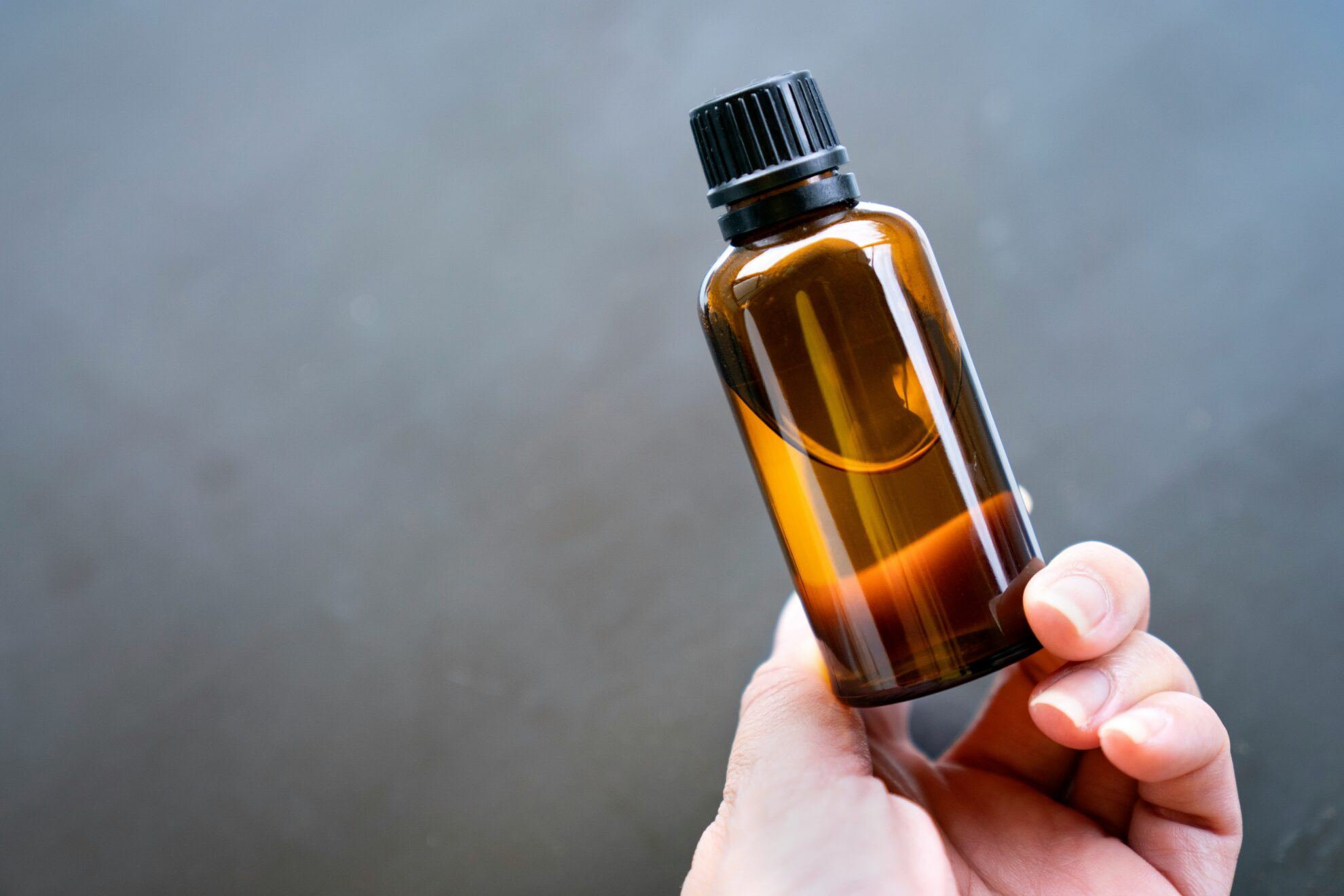
An evidence-informed look at how full-spectrum cannabis tinctures, taken sublingually, may influence mood, stress, and emotional regulation through the combined actions of multiple cannabinoids.
You know that gentle shift you sometimes feel after cannabis—a little lighter, a bit more grounded? You’re not imagining it. Researchers have been digging into how cannabinoids interact with our stress-regulation systems, and full-spectrum tinctures are turning out to be especially interesting for people who want steadier, more predictable effects.

Here’s what we actually know about how these products may support emotional balance—and where the science still has gaps.
What Makes a Tincture “Full-Spectrum”?
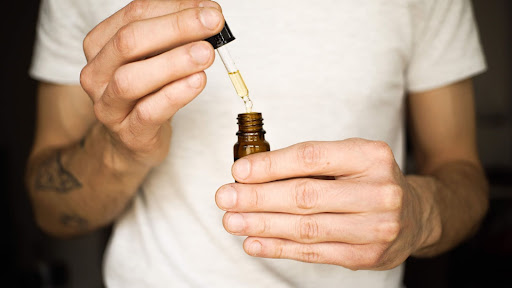
A full-spectrum cannabis tincture is basically a whole-plant extract. You’re getting THC, CBD, minor cannabinoids like CBG and CBN, plus terpenes and other plant compounds—all suspended in an oil base and designed to sit under your tongue for 30 to 60 seconds.
Why sublingual? It bypasses most of your digestive system, so cannabinoids hit your bloodstream more directly than edibles. You’ll typically feel effects in 15 to 45 minutes (slower than smoking, faster than a gummy), and the experience tends to be longer and smoother. For mood support throughout the day, that consistency matters.
The Entourage Effect: Real, But Still Evolving
You’ve probably heard about the entourage effect—the idea that cannabinoids and terpenes work better together than alone. There’s solid mechanistic support for this, and a systematic review on cannabinoids in psychiatric contexts found that multi-compound preparations often behave differently than single-molecule products.
That said, controlled human studies specifically looking at mood outcomes? Still pretty limited. Think of the entourage effect as a helpful framework rather than a guarantee.
What the Research Actually Shows
Whole-Plant Cannabis and Mood
Studies on medicinal cannabis with mixed THC/CBD profiles have found some promising signals. A recent review on cannabis for anxiety disorders reported reductions in self-reported anxiety and better quality of life with certain preparations. Research on differential mental health effects suggests balanced formulations may offer benefits without the same risk profile as high-THC products.
The catch? There’s significant variability in products and study designs, and individual responses differ a lot.
Why More THC Isn’t Always Better
Here’s something important: systematic reviews on high-potency cannabis consistently link frequent use of concentrated THC products with higher risks of anxiety, depression, and psychosis. Research on cannabis and depression backs this up. If you’re using cannabis for mood support, cranking up the THC may actually work against you.
CBD and the Supporting Cast
CBD’s gotten a lot of attention here. A systematic review on CBD for mood disorders found preliminary evidence for anxiolytic properties, and a clinical trial on sublingual CBD showed measurable anxiety reductions with this specific delivery method.
Even more interesting: a study on a hemp-derived, full-spectrum sublingual solution found improvements in both clinical and cognitive measures. And recent CBG research showed acute reductions in anxiety, stress, and negative mood. The minor cannabinoids are earning their place in the conversation.
How This Might Actually Work
Without getting too pharmacology-heavy: THC activates CB1 receptors in your brain, which can mean euphoria and relaxation at some doses—but anxiety at higher amounts or if you’re sensitive. CBD and minor cannabinoids seem to modulate this, interacting with serotonin receptors, influencing stress hormones, and affecting the balance between excitatory and calming neurotransmitters.
It’s early science, not a complete picture. But it helps explain why full-spectrum products often feel different than isolated THC.
What to Look For
When shopping for a mood-supportive tincture, prioritize clear cannabinoid ratios, third-party testing, and transparent terpene profiles. “Full-spectrum” means different things to different brands—knowing what’s actually in the bottle helps you find what works.
Finding Your Profile
Different formulations suit different needs. A balanced THC:CBD ratio (1:1 or 1:2) often works well for evening wind-down. Something THC-forward with supporting cannabinoids might help with creative energy or social ease. Higher-CBD options can support daytime calm without impairment.
These aren’t prescriptions—they’re starting points. Your body, tolerance, and goals all matter.
The Bottom Line
Full-spectrum tinctures offer a promising approach to mood support: multiple cannabinoids working together, delivered in a format that tends toward gradual, steady effects. The research suggests advantages over isolated compounds or high-potency THC—but experiences vary, and the science is still developing.
Start with products that tell you exactly what’s inside, begin with modest doses, and give yourself time to experiment. Your endocannabinoid system is unique, and finding your sweet spot usually takes a little patience.


Sign up for bi-weekly updates, packed full of cannabis education, recipes, and tips. Your inbox will love it.