

 Merch
Merch Medical card
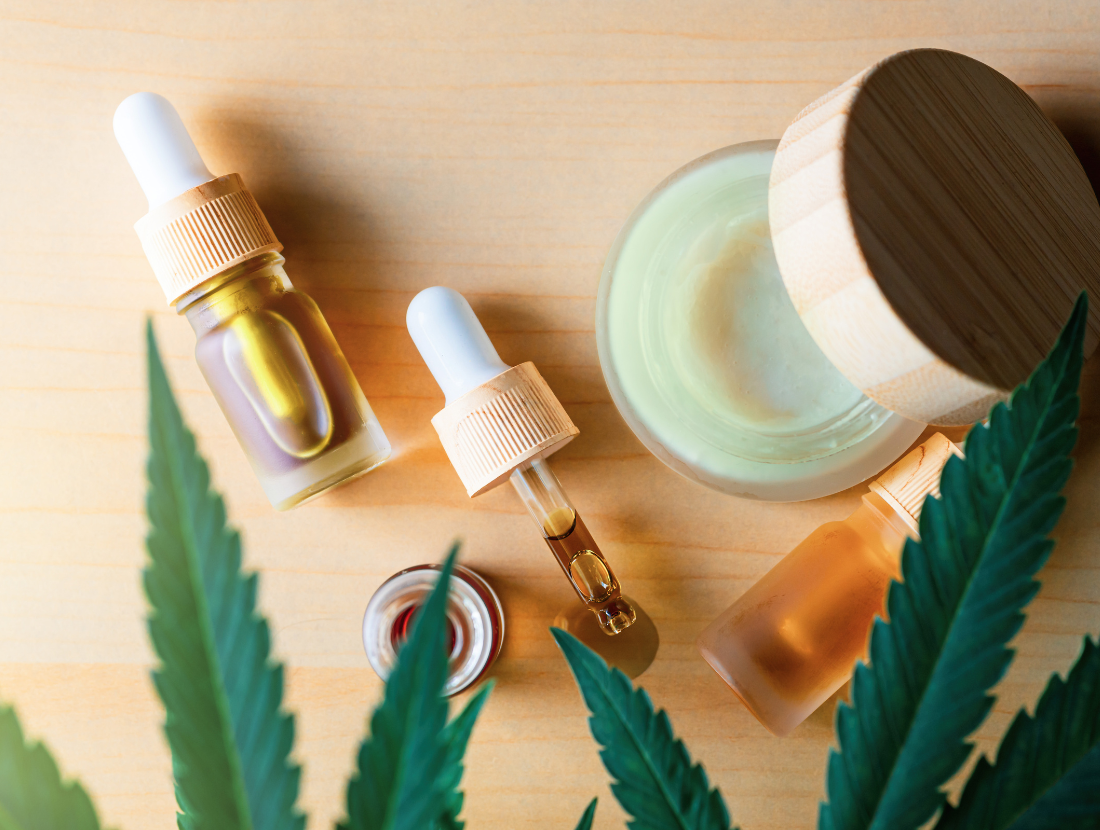
Women are now the fastest-growing segment of the U.S. cannabis market. From low-dose gummies and CBD skincare to intimacy oils and THC beverages, here’s what the data shows about what women are reaching for — and why.
Women now represent 42% of U.S. cannabis consumers, up from 35% in 2020, and the cannabis products for women driving that growth skew heavily toward wellness. The three reasons women most commonly cite for using cannabis are anxiety relief (60%), sleep support (58%), and pain management (53%). Those motivations explain a lot about which products are actually selling.
This guide covers eight product categories where women’s demand is driving real market growth, with notes on the evidence, the practical considerations, and what to watch out for in each.

Why Women Are the Fastest-Growing Cannabis Consumer Segment
Sales data from market research aggregators tracking Brightfield Group and SAMHSA figures shows women consuming cannabis with clear wellness intent. That preference profile is reflected in the formats they choose: Headset’s sales data shows women over-index in edibles, tinctures, capsules, and topicals compared to men, who dominate flower and concentrate purchases.
Each of those formats offers the precision dosing, smoke-free administration, and targeted application that wellness-oriented consumers tend to prioritize.
Best Cannabis Strains for Women: What the Data Shows
Leafly’s analysis of female search and purchase behavior identifies a clear pattern: uplifting sativas and hybrids dominate, alongside high-CBD cultivars like Harlequin, Charlotte’s Web, and Cannatonic. The appeal of high-CBD strains is straightforward. They may offer analgesic and anti-anxiety effects with less psychoactive intensity, which suits consumers managing anxiety or pain who prefer to stay functional.
Flavor also tracks differently in this audience. Popular strains in Leafly’s female-reviewed data tend toward fruit-forward and dessert profiles: Lemon Cherry Gelato, Mimosa, Strawberry Cough, Blue Dream. These preferences are drawn from review-based behavioral data rather than controlled clinical outcomes, so treat them as a useful starting point.
Low-Dose Cannabis Edibles and Gummies for Women
Gummies now account for roughly 79% of all edible dollar sales, and the format’s appeal for new cannabis consumers is well documented. No inhalation, precise labeling, familiar texture, easy portability. For women moving into cannabis from a wellness angle, gummies meet them where they are.
The 1–5mg microdose tier is the fastest-growing segment within edibles. Functional gummies incorporating CBN for sleep or CBG for focus sit at the leading edge of the category and map directly onto the anxiety, sleep, and pain motivations women cite most.
Dosing note: If you’re new to cannabis edibles, 2.5mg THC is a reasonable starting point. Wait at least two hours before reassessing. Edibles can take 60–120 minutes to take full effect.
THC Beverages: The Sober-Curious Cannabis Product Women Are Choosing
The hemp-derived THC beverage market grew from roughly $400,000 in 2020 to $382 million in 2024. Emergen Research documents a strong consumer preference for low-dose formulations in the 2.5–10mg per-serving range, with nanoemulsification technology enabling onset times of 15–30 minutes, compared to 60–120 minutes for traditional edibles.
The sober-curious overlap is explicit in how these products are positioned and purchased. Women adopting THC beverages are frequently using them as direct substitutes for wine, not additions to an existing cannabis routine. That positions the category as a genuine entry point for consumers who might not otherwise consider cannabis.
CBD Skincare Products: What Women Need to Know
Grand View Research’s analysis of the CBD skincare market places women at 71.4% of total revenue. The category is projected to grow from $2.02 billion in 2025 to $7.87 billion by 2034. Creams and moisturizers lead by market share; serums are the fastest-growing segment.
The practical point that brand marketing frequently omits: standard topicals applied to skin do not produce psychoactive effects. Cannabinoids interact with CB2 receptors in the skin and underlying tissue — part of the body’s endocannabinoid system, which regulates inflammation and immune response at the tissue level — without meaningfully entering the bloodstream. That makes CBD skincare one of the more accessible entry points for consumers who are curious but cautious. Industry observers tracking the CBD beauty space in 2025 note CBG is beginning to appear alongside CBD in anti-aging and anti-inflammatory formulations.


Cannabis Bath Products for Relaxation and Recovery
CBD bath bombs, Epsom soaks, and bath salts occupy an almost entirely female-targeted corner of the cannabis wellness market. The mechanism: cannabinoids infused into bath oils interact with cannabinoid receptors at the level of skin and connective tissue, producing localized relaxation without a traditional systemic high. The warmth of the bath itself improves absorption into skin tissue.
Weedmaps covers the THC vs. CBD distinction in bath products clearly: CBD versions are available in mainstream retail; THC versions require a licensed dispensary. Both interact at the skin level rather than the bloodstream, so psychoactive effects are minimal or absent.
Cannabis Intimacy Products: Lubes, Oils, and What to Watch For
Cannabis-infused lubricants, arousal oils, and intimacy melts are now mainstream enough to appear in Cosmo and Oprah Daily annual product guides. Leafly’s roundup of the intimacy product category covers the major players: Foria (CBD-only, nationally available), Kush Queen (water-based THC formula), Quim (plant-based CBD), and Privy Peach (nano-emulsified CBD in single-use pouches).
The mechanism differs from standard topicals. Mucosal tissue in the vaginal canal absorbs cannabinoids at a higher rate than skin, so some systemic absorption can occur, particularly with THC-containing products. One practical point that brands rarely mention: oil-based formulas, which describe most of the category, are not compatible with latex condoms. Water-based formulas are the latex-safe option.
Cannabis Tinctures and Sublinguals: The Format Women Prefer Most
Tinctures offer the most control over cannabinoid ratios of any edible format. CBD-dominant, THC-dominant, and balanced 1:1 blends give consumers a level of precision that gummies can’t match. Headset’s demographic data identifies tinctures and sublinguals as the category with the highest proportional participation from female consumers, alongside medical patients and adults over 55.
Sublingual administration means onset in 15–45 minutes rather than the 60–120 minutes of swallowed edibles. For someone managing a specific condition or timing relief around sleep, that reliability matters.
Across all eight cannabis products for women covered here, the pattern is consistent: women are using cannabis with clear intent, selecting formats that give them control over dose and delivery, and choosing products that fit into existing wellness routines. The cannabis wellness market has followed accordingly, and the category diversity now reflects it.
Frequently Asked Questions
Do cannabis products for women work differently than those marketed to men?
There’s no separate pharmacology for women, but research does show women tend to prefer different product formats. The cannabis products for women seeing the strongest adoption are edibles, tinctures, topicals, and capsules — formats women over-index in relative to men, who dominate flower and concentrate sales. Those format preferences align with the wellness goals women cite most: anxiety relief, sleep support, and pain management.
Will CBD skincare or bath products get you high?
Standard topicals applied to skin, including CBD creams, serums, and bath bombs, do not produce psychoactive effects. Cannabinoids in these products interact with receptors in the skin and underlying tissue without meaningfully entering the bloodstream. Cannabis intimacy products applied to mucosal tissue are a different case. Some absorption can occur, particularly with THC-containing formulas.
What’s a safe starting dose for women new to cannabis edibles?
Most cannabis educators recommend starting at 2.5mg THC and waiting at least two hours before considering more. The 1–5mg microdose range is specifically marketed toward new consumers and people seeking subtle effects. Individual response varies based on body weight, metabolism, and prior cannabis exposure.
Are cannabis intimacy products safe to use with latex condoms?
Most cannabis intimacy products, including lubricants and arousal oils, use an oil-based formula. Oil-based products degrade latex and should not be used with latex condoms. Water-based formulas, such as some THC lubricants available in licensed dispensaries, are latex-compatible. Always check the formulation before use.
Why are THC beverages growing so fast among women consumers?
THC beverages fit directly into the sober-curious and California sober movements. They offer a socially familiar format, precise low dosing typically in the 2.5–10mg per-serving range, and faster onset than traditional edibles thanks to nanoemulsification technology. Many women adopting them are using THC drinks as wine substitutes, not supplements to an existing cannabis routine.


Sign up for bi-weekly updates, packed full of cannabis education, recipes, and tips. Your inbox will love it.