

 Merch
Merch Medical card
A pharmacology-grounded look at what’s happening in your body during cannabis’s most recognizable moments, from salivary gland receptors to hypothalamic appetite circuits.
The dry mouth sets in a few minutes after you consume. Your eyes start to redden. The sofa becomes unreasonably appealing. Then someone says something and you can’t stop laughing. These four cannabis side effects are so reliably associated with the experience that they’ve become shorthand for it. The pharmacology connecting them is more precise than the folklore. Each one traces back to the endocannabinoid system (ECS), and each follows a mechanism the science has started to map with real clarity.
Why Cannabis Causes Dry Mouth (Cottonmouth)
The most common cannabis side effect has nothing to do with smoke or vapor drying out your mouth. Cottonmouth is a pharmacological response mediated through the bloodstream. CB1 and CB2 receptors are present in the submandibular gland, which produces roughly 60 to 67% of your saliva. When THC activates those receptors, it suppresses the gland’s output by blocking the norepinephrine and methacholine signals that normally drive saliva secretion.

A 2022 study using transgenic mouse models confirmed this mechanism and found that CBD can oppose THC’s salivary-suppression effect with comparable potency. The same dry mouth occurs with edibles, tinctures, and vaporizers, because the cause is THC’s binding to gland receptors, not the act of inhalation. Chronic xerostomia from this mechanism raises the risk of dental caries and periodontal disease, which makes staying hydrated a functional priority.
Red Eyes: Cannabis’s Vasodilation Effect
THC binds to CB1 receptors in arterial tissue and dilates the blood vessels in the ocular capillaries, making them more visible through the conjunctiva. The redness is vasodilation, not irritation or an allergic response.
The therapeutic complication is notable. That same vasodilatory mechanism reduces intraocular pressure (IOP) for at least eight hours, operating via CB1 and GPR18 receptors in combination. Researchers have studied this IOP-lowering effect as a potential approach to glaucoma management. CBD changes the picture: studies show CBD can paradoxically raise IOP and counteract THC’s pressure-lowering effect. This distinction matters for anyone using cannabis to manage ocular pressure. Full-spectrum products produce different ocular outcomes than CBD-isolate formulations.
The Munchies: How Cannabis Triggers Appetite
A 2025 study published in PNAS, conducted by researchers at Washington State University and the University of Calgary, provides the strongest human evidence to date on appetite stimulation from cannabis. Across 82 participants, vaporized cannabis produced robust increases in caloric intake regardless of dose, sex, BMI, or how recently participants had eaten, with most eating concentrated in the first 30 minutes.
Parallel rodent experiments confirmed the effect depends on central, not peripheral, CB1 receptors. The munchies originate in the brain, not the gut. The mechanism runs through the hypothalamus, where THC activates CB1 receptors across the lateral, arcuate, and ventromedial nuclei to amplify hunger signaling via leptin and POMC pathways. THC co-opts the circuits the brain uses to register pre-meal hunger states, producing appetite in the absence of actual caloric need.
The 2025 PNAS researchers framed appetite stimulation as a potential clinical tool for patients with cachexia or treatment-induced anorexia, not a side effect to be managed away.
Couch Lock and Cannabis Terpenes
The leading hypothesis for couch lock traces to myrcene. Russo’s 2011 review in the British Journal of Pharmacology presented preclinical evidence that myrcene has sedative and muscle-relaxant properties, and proposed that high myrcene content in cannabis may interact with THC to produce heavier, sedating effects. This is a preclinical hypothesis. No human randomized controlled trial has isolated myrcene’s contribution to sedation in a naturalistic cannabis context, and the 0.5% myrcene threshold cited in dispensaries is an industry benchmark, not a clinical finding.
Does the Strain Determine Couch Lock?
One thing the evidence does clearly support: the indica/sativa/hybrid labeling system does not predict chemical content. A large-scale analysis of commercial cannabis across six US states found these categories do not reliably sort by chemotype. Dosage is a stronger predictor of sedation than any strain label. High THC doses override terpene profiles.
The Giggles (and Anxiety): THC’s Effect on the Brain
CB1 receptors are expressed at high density in the ventromedial prefrontal cortex, a region involved in processing humor and regulating laughter. THC increases dopamine release in the nucleus accumbens, which amplifies the reward value of funny stimuli and lowers the threshold for laughter. It also reduces amygdalar reactivity to social threat, loosening inhibitions in group settings. No published study has used laughter as a primary endpoint, so the mechanism is inferred from adjacent neuroimaging and receptor studies. Social context, including being around other people who are laughing, likely amplifies the effect as much as the pharmacology does.
The flip side runs through the same amygdalar circuitry. A combined fMRI/PET study found that THC-induced anxiety correlates with CB1 receptor availability in the right amygdala. A separate placebo-controlled trial using intravenous THC in 121 participants identified two routes to paranoia: anomalous perceptual experiences and negative affect, both mediated by amygdalar CB1 activation. Individual variation in CB1 receptor density appears to partly determine whether a given dose tips toward laughter or unease. Dose matters in the same direction: THC’s effects on anxiety follow a biphasic pattern, with lower doses tending toward anxiolysis and higher doses toward anxiogenesis.
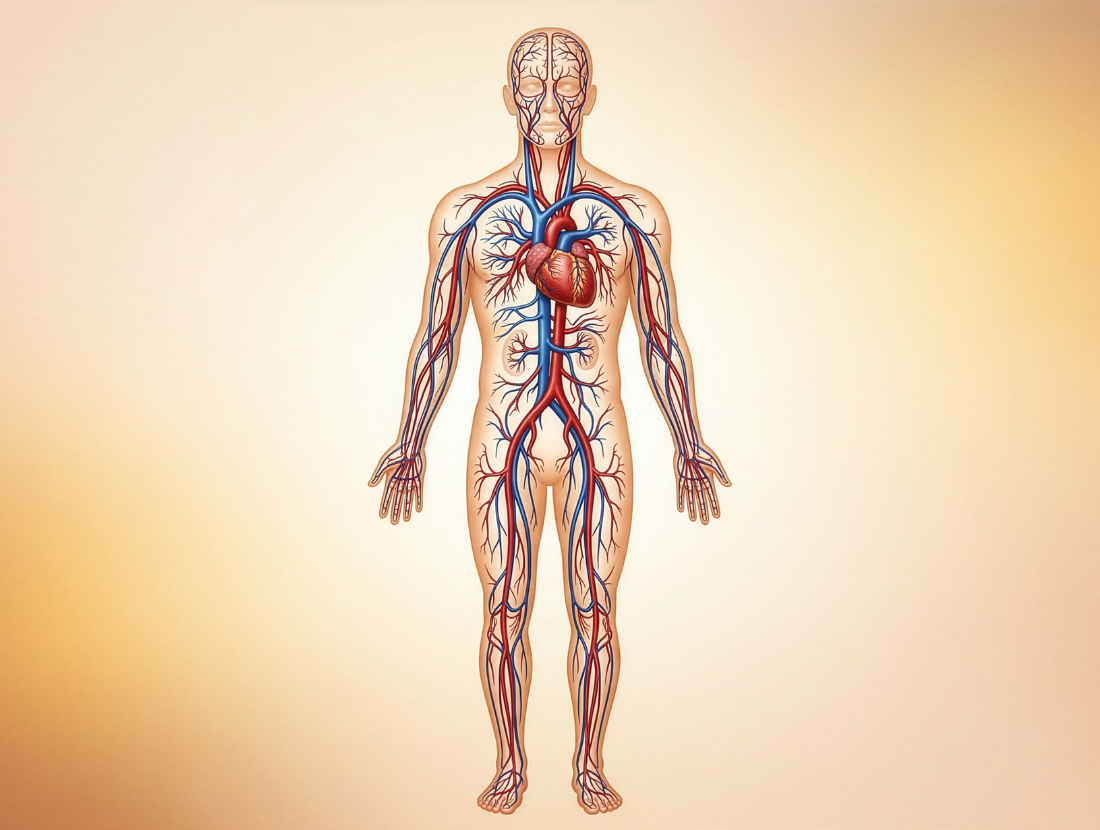
All five THC effects share a common substrate in the endocannabinoid system. This system reaches salivary glands, ocular arteries, hypothalamic feeding circuits, and cortical emotion-processing regions, and THC activates receptors across all of them. Dose, individual CB1 receptor expression, the specific chemical composition of the product, and the context of consumption all shape the outcome. The folklore around these effects often captures the right observation while missing the mechanism underneath it.

Frequently Asked Questions
Why does cannabis cause dry mouth?
Cannabis causes dry mouth because CB1 and CB2 receptors in the submandibular gland — which produces roughly 60 to 67% of your saliva — respond to THC by suppressing saliva secretion. This is a systemic pharmacological effect that occurs with edibles, tinctures, and vaporizers, not just smoked cannabis.
Why does weed make your eyes red?
THC binds to CB1 receptors in arterial tissue and dilates the blood vessels in the ocular capillaries, making them more visible through the conjunctiva. The redness is vasodilation, not irritation or an allergic response. The same mechanism may lower intraocular pressure, which researchers have studied in the context of glaucoma.
Why does cannabis make you hungry?
THC activates CB1 receptors in the hypothalamus, the brain region that regulates appetite, amplifying hunger signals through leptin and POMC pathways. A 2025 study in PNAS found that vaporized cannabis increased caloric intake in 82 participants regardless of dose, sex, BMI, or how recently they had eaten. The effect is brain-mediated, not gut-mediated.
What causes couch lock?
The leading hypothesis points to myrcene, a cannabis terpene with preclinical evidence for sedative and muscle-relaxant properties. Researcher Ethan Russo proposed in a 2011 review that high myrcene content may interact with THC to produce heavier, sedating effects. This remains a hypothesis based on animal data, not a confirmed human finding. Dosage is likely a stronger predictor of sedation than terpene profile.
Does indica cause couch lock?
The evidence does not support this. A large-scale chemical analysis of commercial cannabis across six US states found that indica, sativa, and hybrid labels do not reliably predict chemical content or cannabinoid-terpene profiles. The label is not a reliable guide to sedative effects.


Sign up for bi-weekly updates, packed full of cannabis education, recipes, and tips. Your inbox will love it.