

 Merch
Merch Medical card
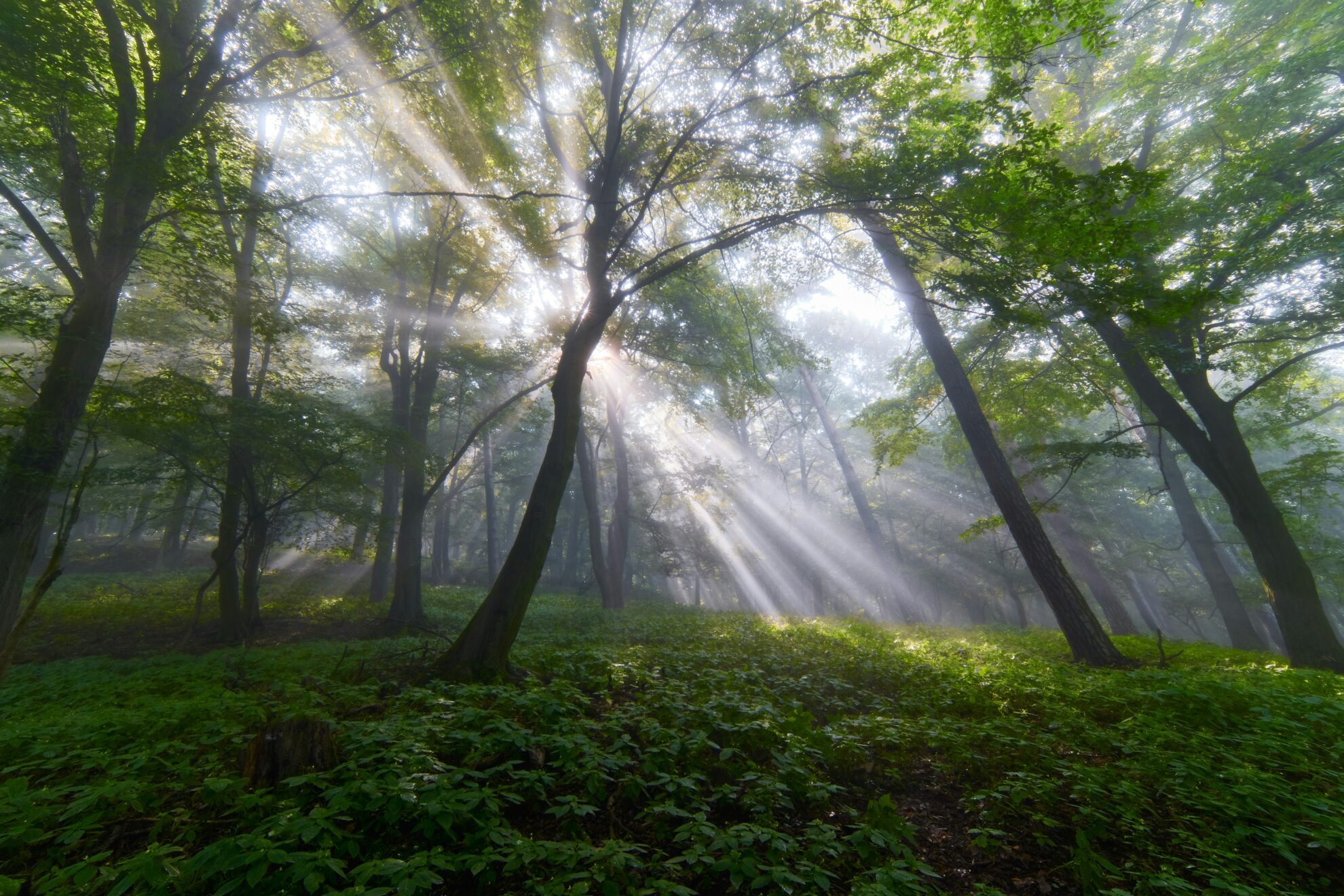
An exploration of how cannabis has moved from ancient spiritual and seasonal rites into contemporary Spring Equinox and Ostara practices centered on balance, renewal, and intentionality.
The Spring Equinox arrives as a pause in the year’s turning. Day and night hold equal ground for one moment before the light tips ahead. Across cultures and centuries, that pause has been worth marking. Bonfires burn. Seeds get planted with care. Intentions are written down. Cannabis and the Spring Equinox share a history in this space of seasonal ritual, one older than most people know and more substantive than folklore suggests.


Cannabis as a Sacred Plant in the Ancient World
The earliest confirmed evidence of cannabis used for ritual purposes comes from western China. Researchers documented high-THC cannabis residue inside wooden braziers found at the 2,500-year-old Jirzankal Cemetery in the Pamir plateau. These weren’t pipes for leisure. They accompanied stringed instruments, wooden bowls, and the bodies of the dead, burned as part of what archaeologists interpret as funerary and spiritual ceremonies.
The ritual framing of the Jirzankal findings holds particular weight because the cannabis burned there was significantly more potent than wild varieties growing nearby. The people who prepared these rites sought out high-THC plants. Scholars note the broader implication: communities in Central Asia were selecting cannabis for its psychoactive properties in a deliberate spiritual context at least 2,500 years ago.
The Greek historian Herodotus described Scythian mourners entering skin tents, throwing cannabis seeds onto heated stones, and “howling with pleasure” at the vapor. In Vedic India, the Atharva Veda named cannabis one of five sacred plants, a liberating and protective ally. Its entheogenic use stretched across Hindu, Zoroastrian, and possibly Israelite religious traditions, where cannabis residue has been identified on altars at Tel Arad dating to the First Temple period.
The word entheogen, from the Greek for “generating the divine within,” captures this lineage. In each of these contexts, cannabis served as a tool for altered states in service of spiritual practice, not as an intoxicant separate from meaning.
Historical note: Most ancient cannabis references aren’t equinox-specific. They come from funerary rites, harvest festivals, and seasonal observances spread across the calendar. The Spring Equinox is a fitting modern frame for this history, not a direct archaeological connection.
Ostara and the Seasonal Logic of Renewal
The Spring Equinox anchors a cluster of celebrations with roots in pre-Christian Europe. Ostara, observed around March 21 by Germanic and Norse peoples, honored the goddess Ēostre and her associations with dawn, fertility, and new growth. Eggs, hares, seeds, and flowering branches carried symbolic weight as embodiments of what the season promised.
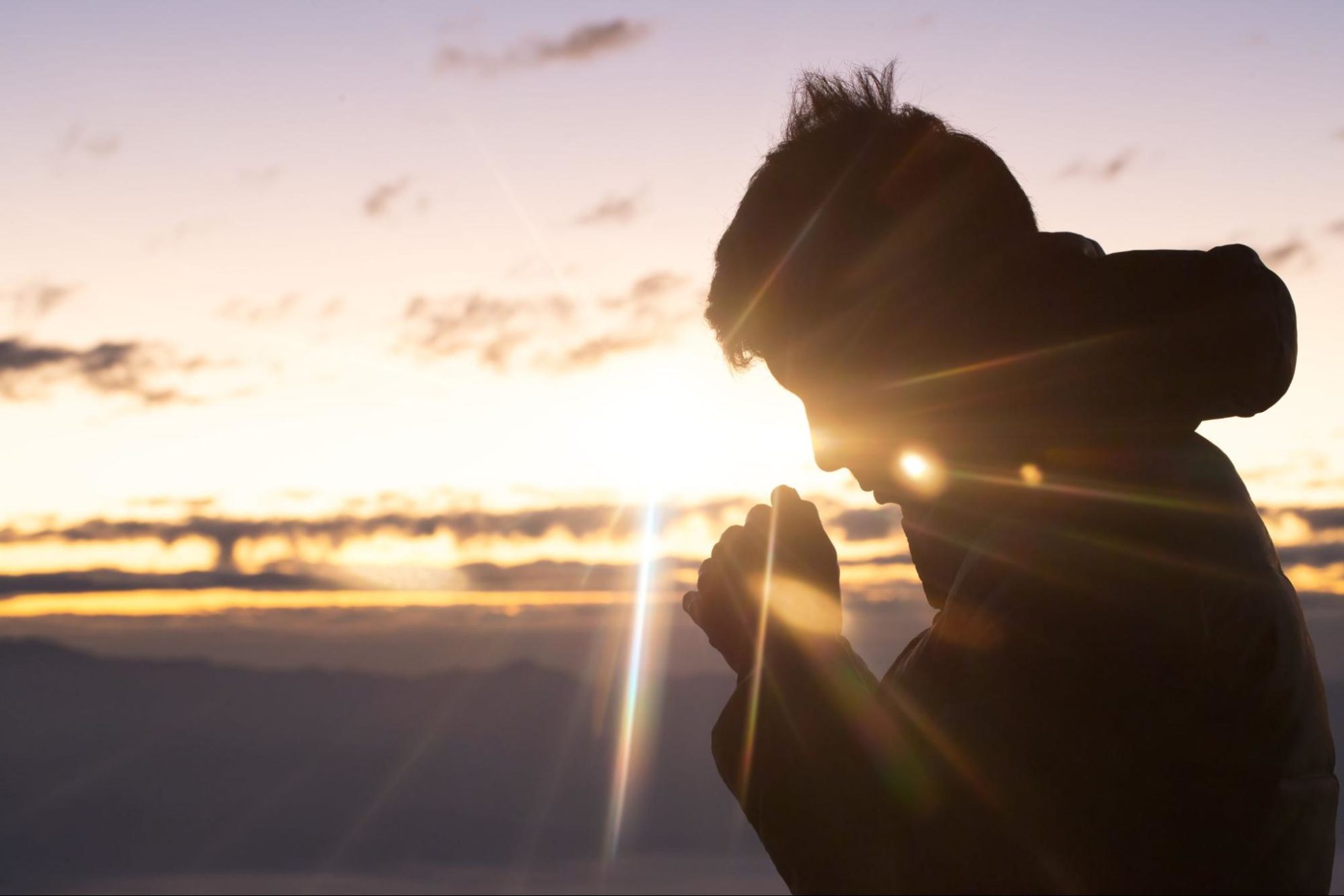
Modern Ostara practice draws on these symbols through sunrise observances, altar-building, seed-planting ceremonies, feasting, and the writing of intentions for the coming season. The equinox itself represents balance, a threshold between darkness and light. Ritual at this moment carries its own logic: get clear about what you’re carrying, release what you don’t need, and step into the growing season with purpose.
Cannabis in these contexts was a tool for altered states in service of spiritual practice, not an intoxicant separate from meaning.
How to Weave Cannabis Into a Spring Equinox Practice
Contemporary spiritual and wellness communities draw a clear distinction between consumption for effect and consumption with intention. Cannabis rituals across cultures, from bhang at the Hindu festival of Holi to Rastafari sacrament, share this structure: the substance enters a context of meaning that shapes the experience.
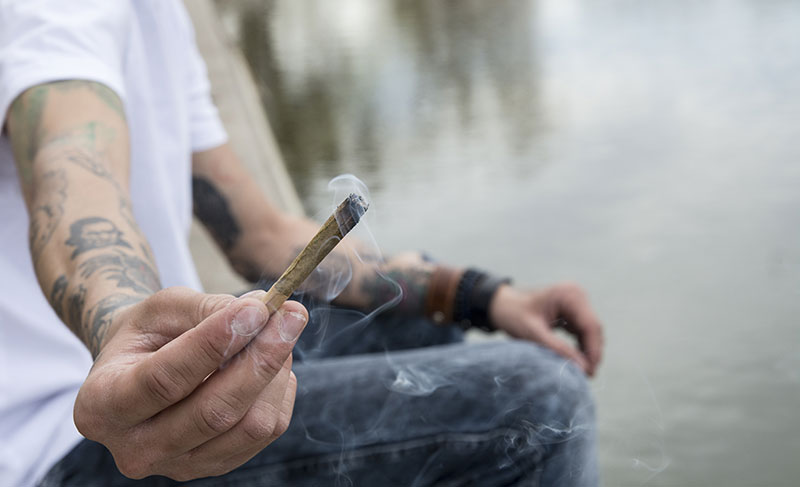
Cannabis as a spiritual and mindfulness tool has gained significant attention in wellness writing, with discussion of how the endocannabinoid system’s role in mood, perception, and stress response may support states of introspection and presence. Individual responses vary, and nothing here constitutes medical guidance. Intentional, mindful use focuses on setting, pace, and purpose rather than quantity.
For a Spring Equinox practice, the integration is practical:
- Set a clear intention before consuming. The equinox is a threshold moment; treat the ritual as a check-in with what you’re carrying and what you want to invite in.
- Use cannabis as a complement to an existing practice rather than as the centerpiece. A nature walk, journaling session, or morning meditation gains a different quality with it.
- Pair it with Ostara traditions: seed-planting, altar work, or a sunrise observance where you want deeper presence.
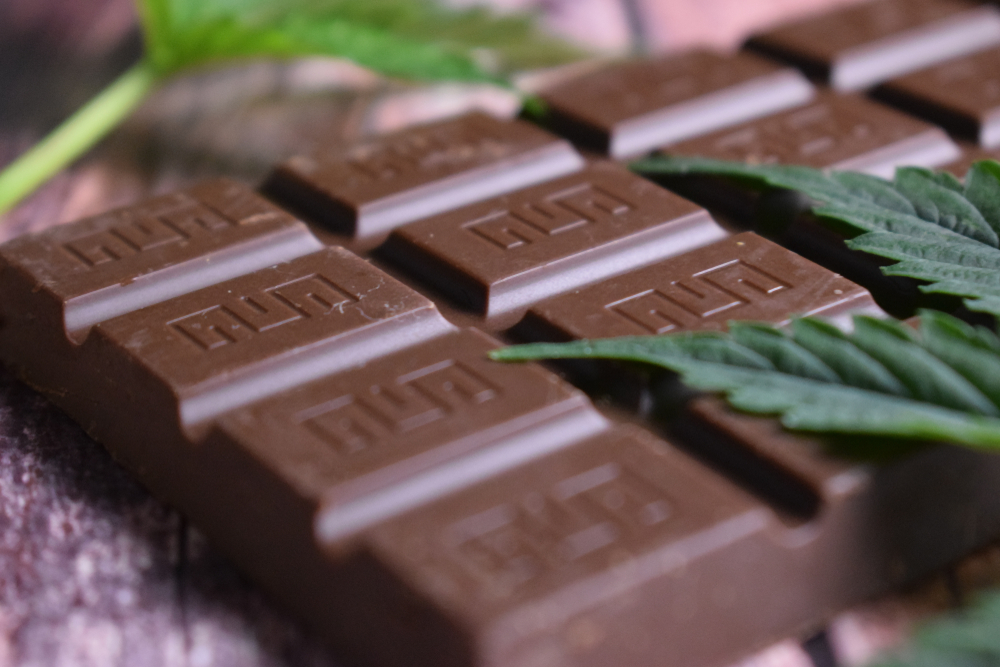
- Keep the dose modest. The goal is openness to the season, not an overwhelming experience.
Bhang’s continued role in Hindu spring festivals offers a useful model: a communal, sacred substance consumed with awareness of its history, within a container of shared meaning.

Cannabis as a Green Ally of the Season
Cannabis carries its own symbolic resonance for the equinox. It grows from seed with tenacity. Its biology responds to light cycles, shifting its reproductive stage as day length changes, a characteristic that growers study and seasonal rituals mirror thematically. It has traveled across millennia and continents, adapted to climates from the Hindu Kush to Northern Europe and beyond.
Ancient Mediterranean cultures understood certain plants as bridges between human and divine experience, substances that loosened the boundaries of ordinary perception and opened space for reflection, connection, and encounter with the sacred. The Spring Equinox poses a similar question: what threshold are you standing on, and what do you need to cross it well? Cannabis, used with care and intention, has served that function across a long stretch of human history. Bringing it into a seasonal practice today connects you to that lineage, and keeps it grounded in meaning.
Frequently Asked Questions
What does “entheogen” mean in relation to cannabis?
- An entheogen is a substance used to generate or access spiritual experience within a ritual context.
- The term comes from the Greek for “generating the divine within.”
- Cannabis has been documented in this role across Central Asian, South Asian, and Mediterranean cultures for at least 2,500 years.
Is cannabis a traditional part of Ostara or Spring Equinox ritual?
- No documented ancient Ostara tradition centers on cannabis use.
- The connection is thematic: cannabis has a long history of use in seasonal and spiritual ritual broadly, and the equinox provides a meaningful modern frame for intentional consumption.
- Contemporary neo-pagan and wellness communities draw on both histories to inform their practice.
How can I use cannabis mindfully for the Spring Equinox?
- Set a clear intention before consuming, framing it around the seasonal transition.
- Integrate cannabis into an existing practice like meditation, nature walking, journaling, or altar work.
- Start with a modest dose focused on presence and reflection rather than intoxication.
- Choose a setting that supports the experience: outdoors, quiet, and free from distraction.
Does cannabis have any role in Hindu spring festivals?
- Yes. Bhang, a preparation of cannabis leaves, has been consumed during Holi and other Hindu festivals for centuries.
- The Atharva Veda names cannabis as one of five sacred plants, giving it a recognized place in Vedic spiritual tradition.
- This use is communal and ritualized, not casual or recreational in its historical framing.


Sign up for bi-weekly updates, packed full of cannabis education, recipes, and tips. Your inbox will love it.