

 Merch
Merch Medical card
A breast cancer diagnosis is a life-altering event that brings a rush of difficult decisions, emotional upheaval, and the critical search for effective, compassionate care. As individuals navigate this path, many are looking beyond traditional treatments to embrace integrative and holistic approaches. Among these, cannabis is emerging as a significant ally in managing symptoms and supporting the body’s healing process.
This blog and guide aims to bridge the gap between curiosity and understanding, offering evidence-based insights into how cannabinoids can support those affected by breast cancer. By examining the latest research, expert perspectives, and practical applications, we can shed light on how cannabis may help manage treatment side effects, support different breast cancer subtypes, and potentially influence the disease itself. Whether you are newly diagnosed, in active treatment, or navigating survivorship, this information is intended to be a source of hope and empowerment on your journey to wellness.

The Growing Role of Cannabis in Breast Cancer Care
The use of cannabis among breast cancer patients has become a significant area of study. A survey published in the journal Cancer revealed that 42% of breast cancer patients use cannabis during treatment stages like chemotherapy, radiation, and surgery. While the primary reasons cited were symptom relief—for issues like pain, insomnia, anxiety, and nausea—nearly half of the users believed it might also help treat the cancer itself (Weaver et al., 2022).
This trend highlights a crucial communication gap, as only 39% of these patients had discussed their cannabis use with their oncologists. With expanding legalization and growing interest, it is vital for healthcare professionals to foster open conversations about cannabis to ensure patient safety, efficacy, and coordinated care. This guide serves as a resource on cannabinoids for breast cancer, drawing from preclinical research that explores the complex interactions between cannabis compounds and cancer cells.
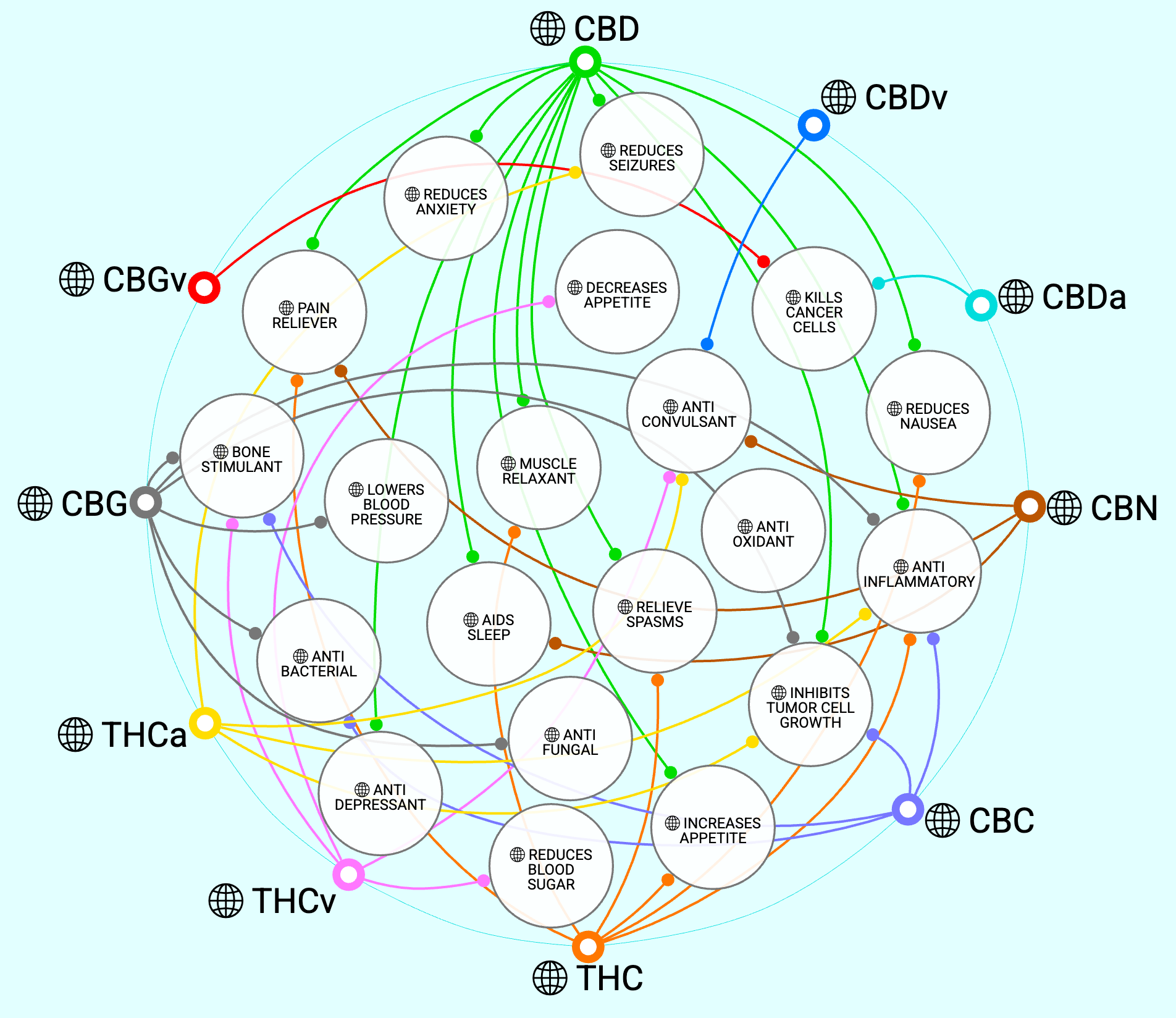
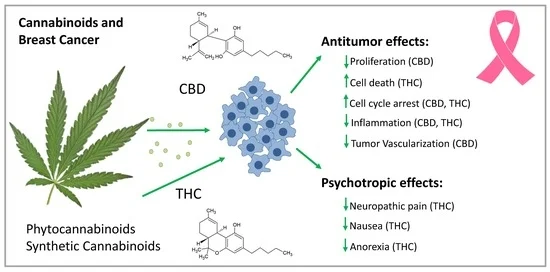
Early research from resources like CannaKeys suggests that components of the endocannabinoid system may therapeutically influence breast cancer through several mechanisms:
- Blocking the growth and progression of cancer cells.
- Inducing apoptosis, or programmed cancer cell death.
- Inhibiting the migration and spread of cancer cells.
- Modulating genetic expression to stop metastasis.
- Inhibiting angiogenesis, the process by which tumors create new blood supplies.
Furthermore, research has identified a strong link between breast cancer and the ID-1 gene, which promotes tumor growth. Studies have shown that both CBD and its raw form, CBDA, can downregulate this gene, suggesting a potential role in controlling the spread of aggressive breast cancer (McAllister et al., 2007).
Cannabinoid Protocols for Different Breast Cancer Subtypes
Breast cancer isn’t just one disease; it’s a complex group of conditions, each defined by the presence or absence of specific receptors on the surface of the cancer cells. This classification is incredibly important because it dictates how the cancer will behave, its potential aggressiveness, and most crucially, which treatments are likely to be most effective for a particular patient. For instance, the presence of estrogen receptors (ER), progesterone receptors (PR), or human epidermal growth factor receptor 2 (HER2) dramatically influences treatment pathways, often guiding oncologists toward hormone therapy or HER2-targeted drugs. Preclinical research has begun to extensively explore how various cannabinoids might interact with these different breast cancer subtypes, investigating their potential to influence cell growth, survival, and even resistance to conventional therapies.
Triple-Negative Breast Cancer (TNBC)
Accounting for 10-20% of cases, triple-negative breast cancer (TNBC) is known for its aggressive nature. It lacks estrogen and progesterone receptors and does not overexpress the HER2 protein, making it difficult to treat with targeted therapies. Triple-negative breast cancer (TNBC) cells frequently exhibit an elevated expression of cannabinoid receptors, especially CB2 receptors. This distinct characteristic offers a promising avenue for cannabinoids and specific terpenes, like Beta-Caryophyllene, to potentially target and influence these cancer cells (Cannabis Cancer Connection, 2023).
A suggested preclinical protocol for TNBC includes:
- CBD: 100-300 mg daily (Full Spectrum)
- CBG: 100-300 mg daily (Full Spectrum)
- THC: Titrating up to the highest tolerable dose of a full-extract high-THC oil, often called RSO or FECO (Full Extract Cannabis Oil)
HER2-Positive Breast Cancer
Approximately 15-20% of breast cancers are HER2-positive, driven by an overabundance of the HER2 protein, which promotes aggressive cell growth. Research from Dr. Cristina Sánchez and her colleagues at Complutense University of Madrid has provided significant insights into the role of cannabinoids here. A 2010 study showed that THC and CB2-selective compounds inhibited HER2-positive breast cancer progression in preclinical models by suppressing proliferation, inducing cell death, and reducing tumor blood supply (Caffarel et al., 2010).
A follow-up study in 2018 compared the effects of pure THC to a whole-plant cannabis extract. The researchers found the whole-plant extract was significantly more effective at reducing tumor growth, attributing this to the “entourage effect,” where various cannabis compounds work synergistically (Blasco-Benito et al., 2018).
A suggested preclinical protocol for HER2-Positive breast cancer includes:
- CBD: 100-300 mg daily (Full Spectrum)
- CBG: 100-200 mg daily (Full Spectrum)
- CBDA: 50-150 mg daily (Raw, non-decarboxylated form)
- THC: Titrating up to the highest tolerable dose of a full-extract high-THC oil (RSO or FECO)
Hormone Receptor-Positive (ER+/PR+) Breast Cancer
This is the most common subtype, with 70-80% of breast cancers being estrogen receptor-positive (ER+). Of these, about 65% are also progesterone receptor-positive (PR+). Understanding this profile is crucial because it dictates the use of hormone-blocking therapies (American Cancer Society, 2024).
Research on cannabis for hormone-positive breast cancer has yielded complex results. Studies using synthetic THC on ER+ breast cancer cells that lack cannabinoid receptors found it ineffective. In some animal models, high doses of synthetic THC were even associated with increased tumor growth (Blasco-Benito et al., 2018).
In contrast, full-extract cannabis oil (FECO), which contains a wide range of cannabinoids and terpenes, demonstrated more favorable results in reducing tumor growth in mice. Dr. Sánchez also noted that combining high dose THC Full Extract Cannabis Oil (FECO) with the hormone therapy drug Tamoxifen led to a significant decrease in tumor growth in preclinical models, suggesting a synergistic effect (Sánchez, 2017).
A suggested preclinical protocol for hormone-positive breast cancer includes:
- CBD: 300-400 mg daily (Full Spectrum)
- CBG: 100-150 mg daily (Full Spectrum)
- CBDA: 100-150 mg daily (Raw)
- THCA: 100-150 mg daily (Raw)
- THC: 25-40 mg daily
After reviewing the available research, Dr. Joe Goldstrich, author of The Cannabis Cancer Connection, concluded, “The assertion THC stimulates the growth of human estrogen-positive breast cancer is not supported by published, peer-reviewed scientific literature. However, CBD appears to be the most potent cannabinoid above all others for breast cancer” (Cannabis Cancer Connection, 2023).
CBD & Estrogen Positive Breast Cancer – Five Studies
- Egyptian Researchers found that CBD induced apoptosis (programmed cell death) through several mechanisms. (Sultan et al., 2018)
- Harvard Medical School Researchers published a study showing, “CBD inhibited the survival of both estrogen receptor-positive and estrogen receptor-negative breast cancer cell line and induced apoptosis in a concentration-dependent manner.” (Shrivastava et al., 2011)
- In 2019, researchers from Austria and Slovakia published a comprehensive review examining cannabinoids with antineoplastic properties against breast cancer cells, including the effects of CBD on estrogen-positive breast cancer. They concluded that, while cannabinoids are primarily used to alleviate symptoms such as nausea, anorexia, and neuropathic pain, “these compounds may also play a role in slowing tumor progression during earlier stages of the disease” (Kisková et al., 2019).
- Italian researchers have confirmed that THC effectively kills MCF-7 estrogen-positive breast cancer cells. Furthermore, their findings revealed that CBD and CBG are even more potent as antineoplastic agents, surpassing the efficacy of THC (Ligresti et al., 2006).
- Portuguese researchers confirmed that CBD was the most crucial cannabinoid for the treatment of estrogen-positive breast cancer and that THC plays a secondary role (Amaral et al., 2021).
Interactions with Conventional Treatments
Integrating cannabis with standard cancer therapies demands careful consideration and open communication with your oncology team. It’s also beneficial to work with a cannabis nurse or clinician who can guide you on dosing strategies, helping to maximize benefits while minimizing potential harms. When following conventional cancer treatments prescribed by your doctor, the primary goal is to ensure their effectiveness while mitigating side effects. It’s important to note that cannabinoids can increase the efficacy of many drugs, including chemotherapy. This could allow for lower dosing, but could also potentially heighten their toxicity to your body’s systems.
Cannabis and Tamoxifen
Tamoxifen is a common hormone therapy that works by binding to estrogen receptors, preventing estrogen from fueling cancer cell growth. While primarily used for ER+ breast cancer, it can have effects on other subtypes as well (Jordan, 2003).
The interaction with cannabis is twofold. On one hand, cannabinoids may enhance Tamoxifen’s direct cancer-fighting effects. On the other hand, Tamoxifen is a prodrug, meaning it must be converted by the CYP2D6 enzyme into its active form, endoxifen. Both THC and CBD can inhibit this enzyme, which could potentially reduce Tamoxifen’s effectiveness at blocking estrogen. This means that while cannabinoids might enhance tamoxifen’s ability to kill cancer cells through other mechanisms, they could also reduce its effectiveness in blocking estrogen. Parihar et al. (2022) reported that cannabidiol may inhibit CYP2D6, reducing tamoxifen’s conversion to its active metabolite, endoxifen. This complex interaction underscores the need for medical supervision when combining these treatments.
For postmenopausal women, the American Cancer Society recommends considering aromatase inhibitors as an alternative to tamoxifen. These agents work by lowering estrogen levels systemically, thereby reducing the growth stimulus for hormone receptor-positive breast cancers (American Cancer Society, 2024).
Cannabis and Immunotherapy
Immunotherapy treatments harness the body’s immune system to fight cancer. High doses of cannabinoids like THC and CBD may also have immunosuppressive effects, which could potentially interfere with the effectiveness of these treatments. While low doses of cannabinoids can help manage symptoms, higher doses should be avoided during immunotherapy days to avoid compromising the outcome (Bar-Sela et al., 2020).
For patients undergoing immunotherapy, it may be advisable to use only the minimum effective dose of cannabinoids needed to manage severe symptoms. This allows the immunotherapy to effectively generate the necessary antibodies for treatment. Some practitioners may suggest pausing cannabinoid use for a few days before and after an immunotherapy session to ensure the treatment can work optimally.
Looking Ahead: Cannabis in Cancer Aftercare
At present, there is a notable lack of formal research or clinical guidelines outlining what a cannabis-based aftercare or maintenance plan should look like for individuals who have used cannabinoids during cancer treatment. While many patients continue to use cannabis after active therapy for symptom management such as pain, insomnia, anxiety, or nausea—there is insufficient evidence to support its use in preventing recurrence or sustaining remission (American Cancer Society, 2024; Pergam et al., 2024).
One recent study from the Fred Hutch Cancer Center found that over 40% of cancer patients use cannabis post-diagnosis, yet most do so without clinical oversight, highlighting the urgent need for evidence-based guidance (Pergam et al., 2024). Until more rigorous research emerges, patients are encouraged to work closely with oncology and integrative care providers when considering cannabis in survivorship care planning. Personalized, informed decisions remain essential for balancing potential benefits with safety and long-term wellness.
A Holistic Approach to Healing and Survivorship
Supporting your body during and after cancer treatment goes beyond medicine. Nurturing your endocannabinoid system (ECS)—the body’s master regulatory network—is crucial for overall health and resilience. This can be achieved through four foundational pillars: nutrition, movement, connection, and rest.
- Nutrition: A balanced, nutrient-dense diet fuels your body, supports your immune system, and promotes gut health. Hemp-derived nutrients and essential fatty acids can be a powerful addition to a healthy lifestyle.
- Movement: Regular physical activity boosts circulation, reduces stress, and aids in recovery. The ECS plays a role in muscle function and pain relief, and full-spectrum CBD topicals and tinctures can support an active lifestyle by reducing inflammation and stiffness.
- Connection: Strong social and emotional bonds are essential for mental health and resilience. The ECS helps regulate mood and emotional well-being, highlighting the importance of community and relationships in the healing process.
- Rest: Quality sleep is vital for cellular repair, mental clarity, and emotional stability. CBD and other cannabinoids can help promote relaxation and support restorative sleep cycles.
Navigating a cancer journey can feel overwhelming, but you are never alone. A wealth of resources is available to offer guidance, education, and unwavering support. By combining evidence-based knowledge with a holistic focus on well-being, you can empower yourself to take an active, confident role in your healing process.
Holistic Caring & The Green Nurse is collaborating with The Cancer Playbook, powered by the Whole Health Oncology Institute. They nurses are merging their cannabis nursing expertise with the Playbook’s holistic cancer support. As registered nurses and cannabis health coaches, Elisabeth and Sherri are honored to join the Cancer Playbook Advisory Committee, develop patient resources, and host a monthly support group within their private Holistic Caring Network. Read all about it on our Ask The Green Nurse Blog The Cancer Playbook – by Sherri Mack BSN,RN
With you on the journey,
Ask The Green Nurse with Sherri Mack BSN, RN & Elisabeth Mack MBA, BSN, RN
Ask The Green Nurse content on the Cannigma is brought to you by Holistic Caring & The Green Nurse and Bloom Hemp CBD.
- Holistic Caring & The Green Nurse – Comprehensive cannabis education for patients and healthcare providers, including CEUs for nurses, along with expert coaching and private consulting services.
- Join The Green Nurses in their Free Holistic Caring Network to access continuous learning and meaningful connections with other patients and providers who are learning about the most misunderstood plant in the world. Enjoy a monthly plant medicine support group, an introduction to cannabis program, and the ABCs of CBD program—all at no cost.
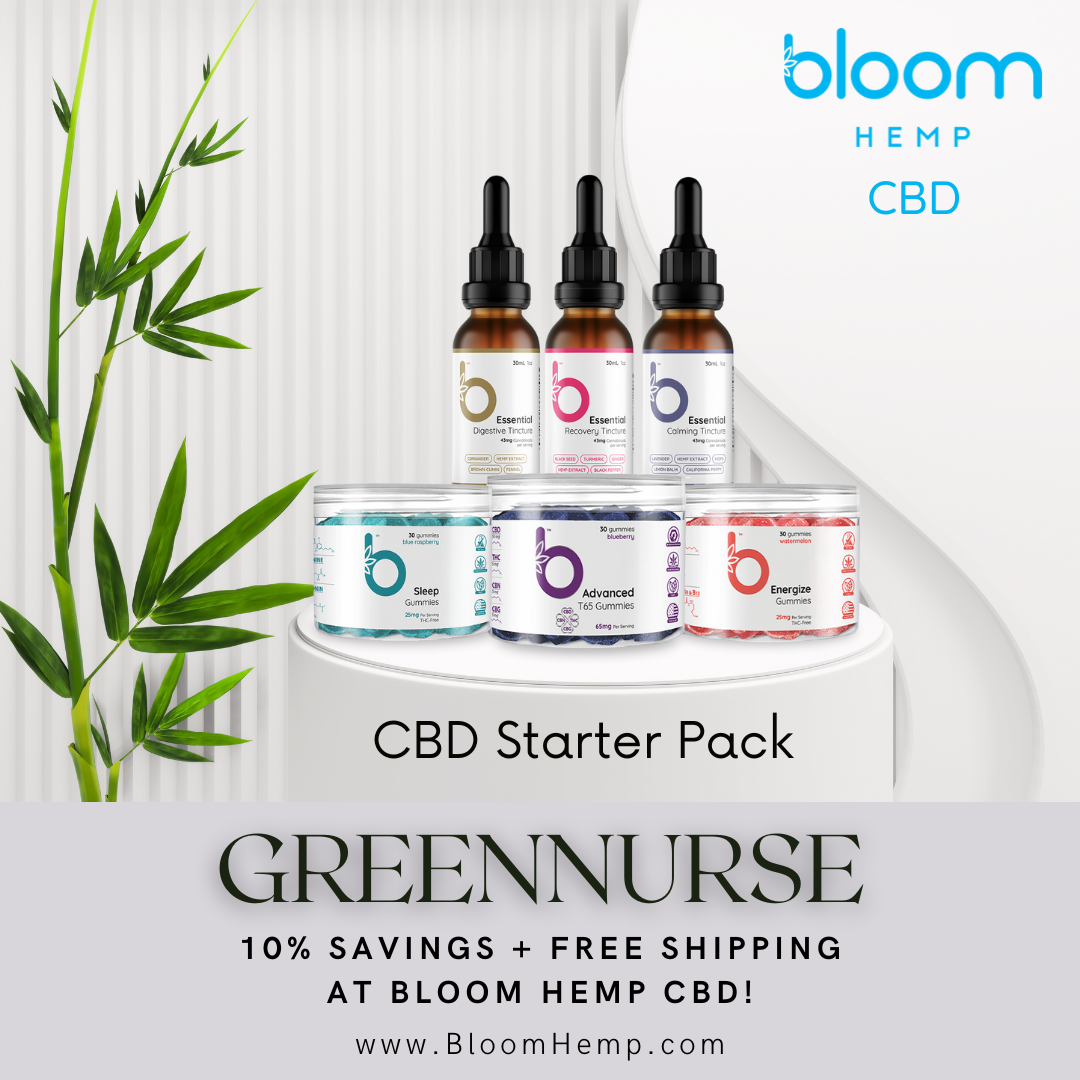
- Bloom Hemp CBD – Experience Doctor and Nurse-formulated Organic Hemp CBD, crafted with Ayurvedic inspiration and designed to target specific symptoms. Benefit from free access to a nurse hotline at 970-404- HOPE (4773) and personalized care plans, thoughtfully provided by expert cannabis nurses. Shop today, use promo code GREENURSE for 10% savings and free shipping.
References
- Amaral, C., Trouille, F. M., Almeida, C. F., Correia-da-Silva, G., & Teixeira, N. (2021). Unveiling the mechanism of action behind the anti-cancer properties of cannabinoids in ER+ breast cancer cells: Impact on aromatase and steroid receptors. Journal of Steroid Biochemistry and Molecular Biology, 210, 105876.
- American Cancer Society. (December 2021). Aromatase inhibitors for lowering breast cancer risk, from Breast Cancer Prevention: Aromatase Inhibitors
- American Cancer Society. (December 2021 ). Marijuana and cancer. Possible Benefits of Cannabis for People With Cancer
- American Cancer Society. (2024). Hormone receptor status.
- Bar-Sela, G., Cohen, I., Campisi-Pinto, S., Lewitus, G. M., Oz-Ari, L., & Yehuda, D. B. (2020). Cannabis consumption used by cancer patients during immunotherapy correlates with poor clinical outcome. Cancers, 12(9), 2447.
- Blasco-Benito, S., Seijo-Vila, M., Caro-Villalobos, M., Tundidor, I., Andradas, C., García-Taboada, E., Pérez-Gómez, E., Villa-Morales, M., Moreno, E., Carrillo-Salinas, F., Lorente, M., Palomares, T., Goya, L., Fernández-Ruiz, J., Guzmán, M., & Sánchez, C. (2018). Appraising the “entourage effect”: Antitumor action of a pure cannabinoid versus a botanical drug preparation in preclinical models of breast cancer. Biochemical Pharmacology, 157, 285–293.
- Caffarel, M. M., Andradas, C., Pérez-Gómez, E., Guzmán, M., & Sánchez, C. (2010). Cannabinoids reduce ErbB2-driven breast cancer progression through Akt inhibition. Molecular Cancer, 9, Article 196.
- Cannabis Cancer Connection. (2023).
- CannaKeys. THC & CBD for breast cancer. Cannabis THC : CBD Ratios – Cannakeys
- CannaKeys. Where the science of cannabis stands on breast cancer. Where the science of cannabis stands on breast cancer – Cannakeys
- Jordan, V. C. (2003). Tamoxifen: A most unlikely pioneering medicine. Nature Reviews Drug Discovery, 2(3), 205–213.
- Kisková, T., Mungenast, F., Suváková, M., Orendáš, P., & Thalhammer, T. (2019). Future aspects for cannabinoids in breast cancer therapy. International Journal of Molecular Sciences, 20(7), 1673.
- Ligresti, A., Moriello, A. S., Starowicz, K., Matias, I., Pisanti, S., De Petrocellis, L., Laezza, C., Portella, G., Bifulco, M., & Di Marzo, V. (2006). Antitumor activity of plant cannabinoids with emphasis on the effect of cannabidiol on human breast carcinoma. Journal of Pharmacology and Experimental Therapeutics, 318(3), 1375–1387.
- Parihar V, Rogers A, Blain AM, Zacharias SRK, Patterson LL, Siyam MA. Reduction in Tamoxifen Metabolites Endoxifen and N-desmethyltamoxifen With Chronic Administration of Low Dose Cannabidiol: A CYP3A4 and CYP2D6 Drug Interaction. J Pharm Pract. 2022 Apr;35(2):322-326. doi: 10.1177/0897190020972208. Epub 2020 Nov 15. PMID: 33191836.
- Pergam, S. A., Rogala, B. G., Hanson, K. E., & Chin, A. C. (2024, April). Cannabis and alcohol use among cancer patients: A population-based survey. Fred Hutchinson Cancer Center. Alcohol, cannabis use after cancer: ‘eye-opening’ prevalence
- McAllister, S. D., Christian, R. T., Horowitz, M. P., Garcia, A., & Desprez, P.-Y. (2007). Cannabidiol as a novel inhibitor of Id-1 gene expression in aggressive breast cancer cells. Molecular Cancer Therapeutics, 6(11), 2921–2927.
- Sánchez, C. (2017, October 19). Anti-tumor effects of cannabinoid therapies [Video].
- Shrivastava, A., Kuzontkoski, P. M., Groopman, J. E., & Prasad, A. (2011). Cannabidiol induces programmed cell death in breast cancer cells by coordinating the cross-talk between apoptosis and autophagy. Molecular Cancer Therapeutics, 10(7), 1161–1172.
- Sultan, A. S., Marie, M. A., & Sheweita, S. A. (2018). Novel mechanism of cannabidiol-induced apoptosis in breast cancer cell lines. The Breast, 41, 34–41.
- Weaver, M., Koola, J., Kesh-Williams, L., Arrington, L., Plotnik, A., Palmer, N., … & Jagsi, R. (2022). A survey of cannabis use for symptom management and antineoplastic effect in patients with breast cancer. Cancer, 128(7), 1493-1500.


Sign up for bi-weekly updates, packed full of cannabis education, recipes, and tips. Your inbox will love it.