

 Merch
Merch Medical card
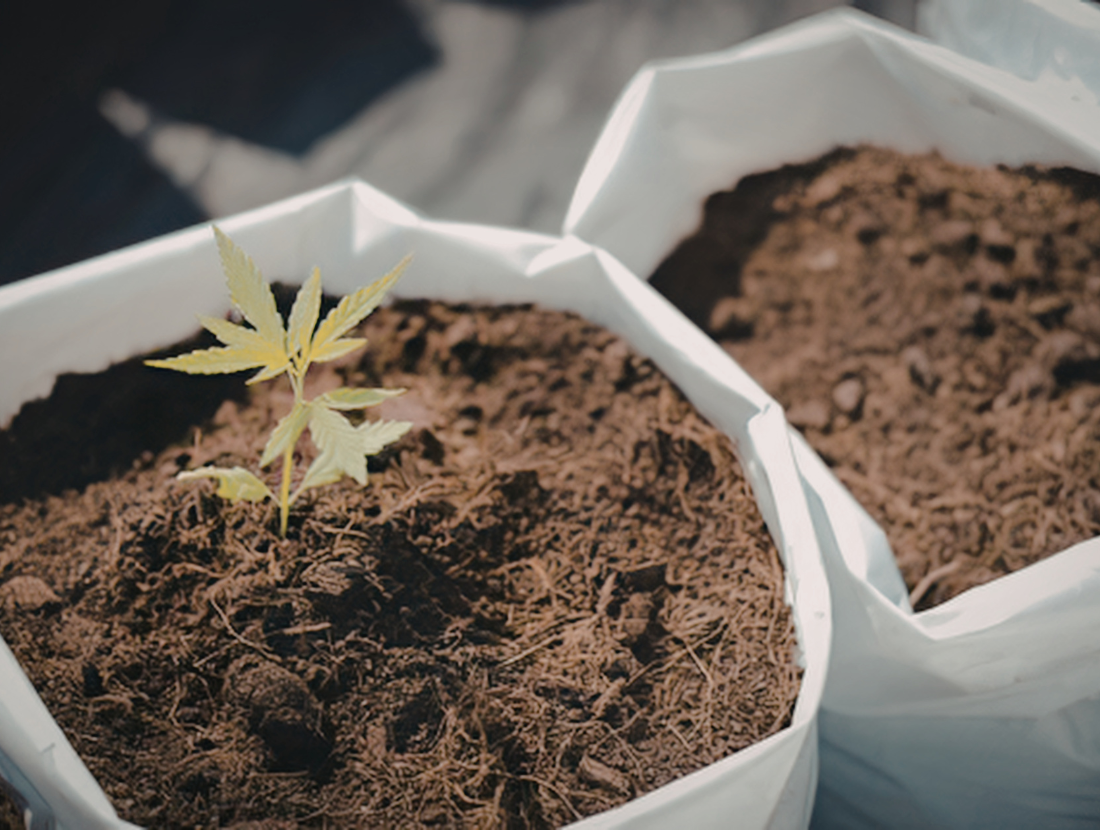
A region-by-region breakdown of outdoor transplant windows, the plant science behind timing decisions, and how climate variability is forcing growers to rethink the traditional spring calendar.
Outdoor cannabis growers know the feeling: you’ve nursed seedlings under grow lights all spring, and the urge to get them in the ground pulls hard the moment temperatures creep above 60°F. Move too soon, though, and a single cold night, an overcast week of short days, or wet soil below 50°F can stall or ruin plants that took weeks to develop. Getting the outdoor cannabis transplant right means satisfying three independent variables simultaneously, and most growers only track one.
Three Variables Every Outdoor Cannabis Transplant Requires
The standard advice to wait until “after the last frost” captures one real constraint and ignores two others. A successful outdoor transplant requires frost risk to be behind you, soil temperature to be above 60°F, and daylight hours to be long enough to keep photoperiod strains in vegetative growth.


Soil temperature matters more than most beginner guides acknowledge. Cannabis roots function well between 65°F and 80°F (18–27°C). Below 50°F (10°C), enzyme activity slows and plants stall or become vulnerable to mold. Spring air can run 10–15°F warmer than the soil directly beneath it, so confirm soil temperature with an inexpensive probe rather than relying on air temperature readings.
Photoperiod is the variable most growers overlook entirely. Research published in Frontiers in Plant Science confirms that the critical daylength threshold for flowering induction varies substantially across cultivars, with most medicinal genotypes requiring 14 or more hours of light to stay in vegetative growth. Transplanting a photoperiod strain in early spring, when days run shorter than that threshold, risks triggering premature flowering. A month later, lengthening days can push the plant back into vegetative growth, a reversal that typically produces malformed structure and a compromised harvest.
Outdoor Cannabis Transplant Windows by Region: Spring 2026
The USDA Plant Hardiness Zone Map measures average annual extreme minimum winter temperatures, not growing season length. Use it as one reference point, not a calendar. Combine your USDA zone with local frost dates from the National Gardening Association or Old Farmer’s Almanac to identify your actual outdoor cannabis transplant window. The table below maps cannabis transplant timing across seven US regions as a starting-point range that requires local calibration.
| Region | Transplant Window | Key Considerations |
|---|---|---|
| Pacific Northwest (west of Cascades) | Late April – late May | Cool autumns and persistent humidity favor mold-resistant, early-finishing genetics |
| Pacific Northwest (east of Cascades) | Late April – mid-May | Drier climate; monitor irrigation closely in hot dry spells |
| Northeast | Late May – early June | Frost can linger past Memorial Day inland and at elevation; wait for consistent 50°F+ nights |
| Midwest | Mid-May – mid-June | Upper Midwest (MN, WI, MI Upper Peninsula) safest in early June; windbreaks help in the Plains |
| Southeast / Gulf Coast | Mid-April – early May | High humidity requires airy-budded, mold-resistant genetics; last frost typically late March |
| Southwest / Mountain West | Early April – mid-May | Shade cloth advisable in desert heat above Zone 9; mulch to retain soil moisture |
| Southern California / Zone 9+ | March – April (year-round possible) | Near-frost-free conditions; spring starts maximize the long growing season |
Leafly’s regional growing guide outlines climate-specific strain recommendations for each of these zones and is worth consulting alongside your local frost-date data.
Photoperiod vs. Autoflowering: How Strain Type Affects Outdoor Transplant Timing
Studies of hemp cultivars document that critical daylength thresholds vary significantly by strain origin, with tropical and subtropical genetics particularly sensitive to latitude-specific photoperiod cues. A strain bred for equatorial conditions may behave very differently at 45° north latitude than one developed for northern European climates.
Autoflowering cannabis outdoors sidesteps the photoperiod constraint entirely. Research on cannabis inflorescence development traces the flowering response to short-day photoperiod signaling mediated by gibberellins. Autoflowering genetics carry a mutation that disables this pathway, allowing plants to flower on an internal timer regardless of daylength. For growers in the Pacific Northwest, upper Midwest, or other short-season climates, autos planted in late April can complete a full cycle before autumn rains arrive, a window that photoperiod strains cannot reliably match.
Additional research on photoperiod effects in medicinal cannabis reinforces why this distinction matters: many commercially popular cultivars will begin flowering at daylengths well above the traditional 12-hour threshold, which means the conventional indoor schedule does not translate directly to outdoor timing decisions.
Hardening Off Cannabis Before Outdoor Transplant
No outdoor cannabis transplant succeeds if seedlings go directly from a controlled indoor environment to full outdoor sun. The physiological stress of that shift, commonly called transplant shock, stresses plants even under ideal temperature and soil conditions. UV light is the hidden variable: indoor grow lights and greenhouse plastic block nearly all UV radiation, so plants raised under them have never encountered it. Kansas State University Extension explains that a proper hardening off cannabis protocol allows plants to build carbohydrate reserves, thicken cell walls in response to wind, and expand root systems before the stress of permanent transplant.
A practical hardening schedule runs 7 to 14 days. Start with one to two hours of shaded outdoor exposure and increase daily until plants tolerate a full day in direct sun. Then transplant.
Before You Transplant: Four Checks
- Last frost date has passed for your zip code
- Soil temperature is at or above 60°F (use a probe, not air temp)
- Days are running 14 or more hours of light (or you are planting autoflowering genetics)
- Hardening period of 7 to 14 days is complete
Soil Preparation for a Successful Outdoor Cannabis Transplant
Peer-reviewed work on organic biostimulants in outdoor cannabis found that the benefit of microbial amendments and humic acid was largest under suboptimal conditions, including planting delays and temperature stress. Applying mycorrhizal inoculant directly to the root ball at transplant is supported by horticultural evidence and may help establish root networks faster in cold or compacted soils, though cannabis-specific randomized trial data remains limited.
How Climate Change Is Reshaping the Outdoor Cannabis Transplant Calendar
Species distribution modeling published in PLOS ONE in 2025 identified annual mean temperature, cold-quarter temperature, and soil organic carbon content as the dominant variables governing where cannabis grows well globally. Under projected climate scenarios, researchers estimate that roughly 43% of high-suitability habitat could be lost by 2050. For outdoor growers, that trend is showing up as erratic springs, more frequent late frosts in some regions, and intensified pest pressure as warmer winters allow more insects to survive into the growing season.

Industry reporting from MJBizDaily documents growers in northern climates shifting toward shorter-cycle genetics and staggered planting schedules to buffer against unpredictable fall weather. For outdoor cannabis growing, that means regional transplant windows from five years ago may no longer match your local conditions. Pull current last-frost data and check cannabis soil temperature each spring rather than relying on historical averages. The outdoor cannabis transplant calendar is no longer fixed.
Frequently Asked Questions
When is the best time to transplant cannabis outdoors?
The transplant window depends on your region, but three conditions should align: your last frost date has passed, soil temperature has reached at least 60°F (15°C), and days are running 14 or more hours of light. In most of the continental US, this falls between late April and early June.
What soil temperature do cannabis plants need to thrive outdoors?
Cannabis seedlings perform best when soil temperature sits between 65°F and 80°F (18–27°C). Below 50°F (10°C), root enzyme activity slows and plants may stall or develop mold. Check soil temperature directly with a probe since spring air temperatures can run 10–15°F warmer than the soil beneath them.
Can I plant autoflowering cannabis earlier than photoperiod strains?
Yes. Autoflowering cultivars flower on an internal timer rather than in response to daylength, so they are not at risk of premature flowering from short spring days. Growers in short-season climates often start autos in late April or early May to complete a full cycle before autumn rains arrive.
How long does hardening off take?
A proper hardening period runs 7 to 14 days. Begin with one to two hours of shaded outdoor exposure and increase daily until plants tolerate a full day in direct sun. Skipping this step exposes plants to UV light they have never encountered indoors, which causes sunscald even on otherwise healthy seedlings.
How is climate change affecting outdoor cannabis transplant timing?
Warmer winters and erratic spring weather are pushing some growers to start earlier, while more frequent late frosts and intensified pest pressure in warmer regions are forcing others to adapt strain selection. Research published in PLOS ONE projects that high-suitability cannabis growing habitat could shrink by roughly 43% by 2050 as climate variables shift.


Sign up for bi-weekly updates, packed full of cannabis education, recipes, and tips. Your inbox will love it.