

 Merch
Merch Medical card
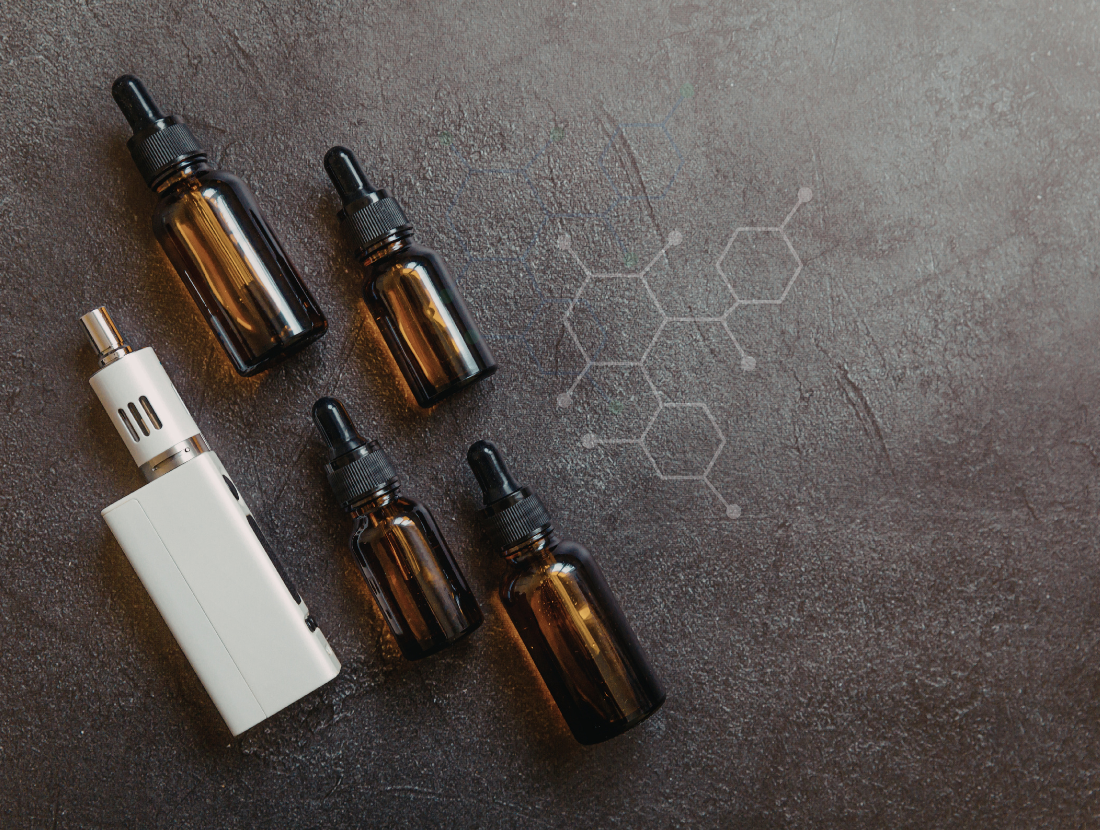
From delta-8 THC to CBG to HHC, a new generation of hemp-derived cannabinoids has built a $28 billion market. Here’s what they are, what the research shows, and what to watch out for.
CBD opened the door. Alternative cannabinoids walked through it. Over the past several years, hemp-derived compounds beyond CBD have built a hemp cannabinoid market worth an estimated $28 billion, driven by consumers looking for accessible, legal options for pain, sleep, anxiety, and mild psychoactive experiences they couldn’t easily get through regulated cannabis channels. Delta-8 THC, HHC, CBG, CBN, THCV, CBC: each compound has its own chemistry, its own consumer base, and its own evidence profile. Research into why people use these products shows a category spanning recreational users in prohibition states and wellness-focused adults managing chronic conditions. Understanding what these compounds are, and what separates a quality product from a problematic one, matters more now than it did when the market was new.
Key takeaways

- Alternative cannabinoids include both mildly psychoactive compounds (delta-8 THC, HHC) and non-intoxicating minor cannabinoids (CBG, CBN, THCV).
- The hemp cannabinoid market reached an estimated $28 billion by 2025, driven largely by access gaps in states without legal cannabis.
- The documented safety concerns are specific to synthetically produced psychoactive products sold without third-party lab testing, not to the category as a whole.
- November 2025 federal legislation prohibits synthetic cannabinoids and caps hemp-derived THC per container. The transition period runs through late 2026.
- Non-intoxicating minor cannabinoids extracted from hemp biomass carry a different risk profile and have a clear path forward under the new rules.
What Are Alternative Cannabinoids?
Alternative cannabinoids are hemp-derived compounds beyond CBD and delta-9 THC, including delta-8 THC, HHC, CBG, CBN, THCV, and CBC. Cannabis produces over 100 known cannabinoids, most at low concentrations, and peer-reviewed pharmacology research documents a broad range of these compounds, each with distinct biosynthetic origins and interactions with the endocannabinoid system. Alternative cannabinoids fall into two categories.
Psychoactive alt-cannabinoids include delta-8 THC, delta-10 THC, HHC, and THCA. Comparative pharmacology research on delta-8 THC shows it binds to the same CB1 receptors as delta-9 but with lower potency, producing comparable effects at higher doses. Delta-8 occurs naturally in cannabis at trace concentrations; commercial production requires chemical conversion of CBD or delta-9 THC through isomerization.
Non-intoxicating minor cannabinoids include CBG, CBN, THCV, CBC, and CBDA. These compounds interact with the endocannabinoid system through mechanisms distinct from THC, without producing psychoactive effects. They’re extracted from hemp biomass rather than synthesized from other cannabinoids, which matters for reasons covered below.
| Compound | Psychoactive? | Primary research area | Production method |
|---|---|---|---|
| Delta-8 THC | Yes (mild) | CB1 receptor activity, pharmacokinetics | Chemical conversion of CBD |
| HHC | Yes (mild) | Receptor binding; limited human data | Hydrogenation of THC or CBD |
| CBG | No | Anti-inflammatory, neuroprotection, anxiety | Extracted from hemp biomass |
| CBN | No | Sleep architecture, sedation | Extracted from hemp biomass |
| THCV | Low doses: no; high doses: yes | Metabolic health, appetite regulation | Extracted from hemp biomass |
| CBC | No | Anti-inflammatory, neuroprotection | Extracted from hemp biomass |
Why the Alternative Cannabinoid Market Grew So Fast
The 2018 Farm Bill defined hemp as Cannabis sativa containing no more than 0.3% delta-9 THC. That precise language left other THC isomers and minor cannabinoids in a legal gray zone, and a large consumer market filled the space. Congressional Research Service legal analysis traced how the Farm Bill’s delta-9-specific language created the statutory foundation for the entire alt-cannabinoid category.
Delta-8 THC was the entry point for most consumers. A nationally representative 2025 survey of 1,523 U.S. adults found that users chose it primarily because they perceived it as legal and less intense than delta-9, a combination that made it accessible in states where regulated cannabis wasn’t available. Delta-8 sales climbed from $200 million in 2020 to $2.8 billion by 2023, according to Brightfield Group.
Alternative cannabinoid market by the numbers
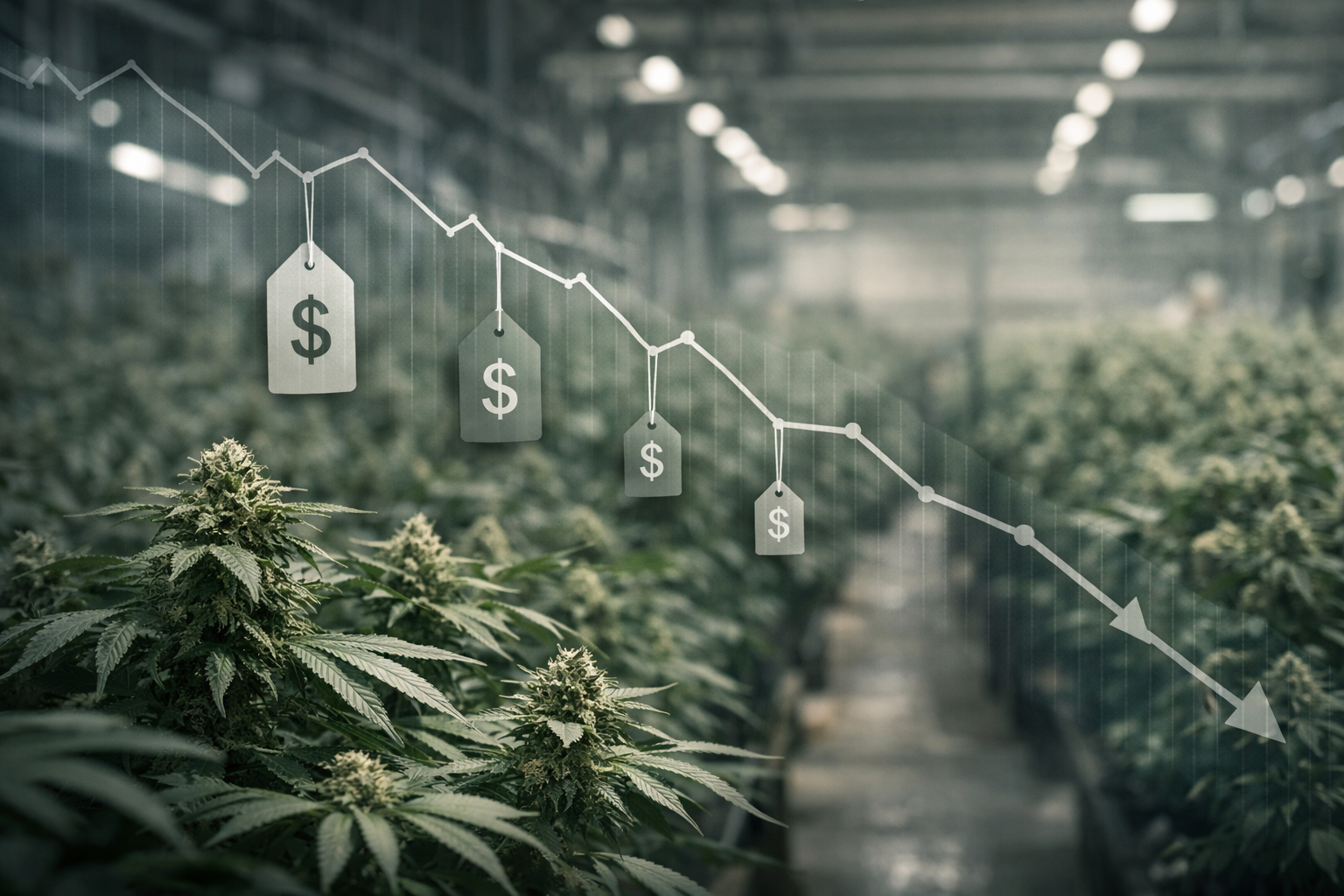
Delta-8 THC alone: $200M (2020) to $2.8B (2023). Broader hemp-derived cannabinoid sector: an estimated $28B by 2025, supporting around 300,000 jobs and $1.5B in state tax revenue. Minor cannabinoid market: $2.8B in 2024, projected to reach $18.7B by 2034.
Minor Cannabinoids: CBG, CBN, THCV, and the Wellness Research
For a substantial portion of the market, the appeal of alternative cannabinoids has nothing to do with psychoactive effects. The same 2025 adult survey found that CBG, CBN, and HHC users reported medical motivation as their primary reason for use. Sleep, anxiety, inflammation, and chronic pain were the most common concerns, a profile that mirrors why many people first turned to CBD.
The science behind these compounds is still developing, but the evidence base is growing. Systematic pharmacology research documents CBG’s activity at multiple receptor sites, with early investigation into anti-inflammatory and neuroprotective effects. A 2024 human clinical trial from Washington State University found CBG promising for anxiety. CBN research has focused on sleep architecture, with preclinical studies showing comparable effects to some established sedatives in animal models. THCV is under active Phase II investigation for metabolic health applications. Most therapeutic claims still outpace available clinical evidence, but the mechanistic rationale is grounded in established endocannabinoid system biology and human research is underway. Some researchers also point to the entourage effect, the idea that cannabinoids may work more effectively in combination than in isolation, as a reason to pay attention to the full spectrum of minor compounds rather than any single one.
Safety Concerns in the Alternative Cannabinoid Market
The consumer safety concerns in the alternative cannabinoid market are real, but they’re specific. They’re concentrated in psychoactive products made through chemical synthesis and sold without mandatory third-party lab testing.
A 2022 peer-reviewed analysis of 27 delta-8 vaporizers from 10 brands found that none carried accurate THC labeling, 11 contained unlabeled cutting agents, and all contained synthesis byproducts including heavy metals and novel compounds with unknown toxicological profiles. Research into the isomerization process explains the mechanism: acid-catalyzed conversion of CBD generates multiple reaction byproducts, many of them poorly characterized. This contamination is a predictable output of the manufacturing chemistry when no testing standard exists to catch it, not a problem limited to bad actors.
Adverse event data from the FDA’s FAERS database and user reports documents hallucinations, vomiting, tremors, and in some cases cannabinoid-induced psychosis, concentrated in reports involving unregulated synthetic vaporized products. A 2024 JAMA study found that 11.4% of U.S. 12th graders reported past-year delta-8 use, with rates highest in states without regulated cannabis markets or age restrictions on delta-8. Non-intoxicating minor cannabinoids extracted from hemp biomass, and any alternative cannabinoid product backed by verified third-party testing, don’t share this risk profile.
How Federal Hemp Cannabinoid Regulation Changed in 2025–2026
Congress passed legislation in November 2025 targeting the specific features of the unregulated market most associated with harm. The Congressional Research Service’s December 2025 analysis summarizes the key changes: a total-THC standard replaces the prior delta-9-only threshold, finished hemp-derived THC products face a ceiling of 0.4 milligrams of total THC per container, and synthesized cannabinoids are prohibited. The one-year transition period runs through late 2026.
Public health researchers who documented the consumer safety gap in the prior framework had called for exactly this kind of revision. The law’s prohibition on synthetic cannabinoids and its potency ceiling target the two market features most tied to documented adverse events. Non-intoxicating minor cannabinoids and naturally derived hemp products that can meet the new potency limits have a compliant path forward. FDA determinations on cannabinoid classification will continue to shape the practical scope through 2026.
How to Choose a Quality Alternative Cannabinoid Product
The alternative cannabinoid market includes products built on transparent sourcing and rigorous testing alongside ones that aren’t. The difference shows up in the documentation a brand makes available.
- Certificate of analysis (COA): Any reputable brand provides a current COA from an accredited third-party laboratory, not an in-house test. It should confirm cannabinoid content matches the label and include screens for heavy metals, residual solvents, and pesticides.
- Natural vs. synthetic: Products made from naturally extracted hemp cannabinoids carry a different risk profile than those made through chemical conversion. Ask how the compound in a product was produced.
- Dosage and potency: Alternative cannabinoids vary in potency and onset. Start with a low dose and allow adequate time before adjusting, particularly with any product that has psychoactive properties.
The alternative cannabinoid category is wide enough to contain both well-characterized, carefully extracted wellness compounds and unregulated synthetic products with documented contamination problems. The distinction matters when you’re choosing what to buy. Verified sourcing, transparent lab testing, and an understanding of how a compound is produced give you the information you need to navigate it.
Frequently Asked Questions
What are alternative cannabinoids?
Alternative cannabinoids are hemp-derived compounds beyond CBD, including delta-8 THC, delta-10 THC, HHC, CBG, CBN, THCV, and CBC. Some are mildly psychoactive; others are non-intoxicating and used for wellness purposes. They interact with the endocannabinoid system through distinct mechanisms and have been sold legally under the 2018 Farm Bill’s hemp definition, though federal regulations are changing through 2026.
Is delta-8 THC the same as delta-9 THC?
Delta-8 THC and delta-9 THC share the same molecular formula and both bind to CB1 receptors, but differ in the position of one carbon-carbon double bond. Delta-8 THC binds with lower potency, meaning users typically need higher doses for comparable psychoactive effects. All commercially available delta-8 THC is manufactured through chemical conversion of CBD, not extracted directly from the plant.
Are hemp-derived cannabinoid products safe?
Safety depends on how a product is made and whether it has been independently lab tested. The documented safety concerns in this market are concentrated in synthetically produced psychoactive products sold without mandatory third-party testing. Non-intoxicating minor cannabinoids extracted from hemp biomass carry a different risk profile. For any hemp-derived cannabinoid product, look for a current certificate of analysis from an accredited third-party laboratory.
What are minor cannabinoids?
Minor cannabinoids are non-intoxicating compounds found in the cannabis plant at low concentrations, including CBG, CBN, THCV, CBC, and CBDA. They interact with the endocannabinoid system through mechanisms distinct from THC and CBD and are under active investigation for potential anti-inflammatory, neuroprotective, and other therapeutic applications. Most supporting human clinical evidence is early-stage.
What is CBG good for?
CBG (cannabigerol) is a non-intoxicating cannabinoid under investigation for anti-inflammatory and neuroprotective properties. A 2024 human clinical trial found promising results for anxiety, though the evidence base remains early. CBG holds the largest share of the minor cannabinoid market and is extracted directly from hemp biomass rather than synthesized from other cannabinoids.
What should I look for when buying alternative cannabinoid products?
Look for a current certificate of analysis from an accredited third-party laboratory that confirms cannabinoid content matches the label and screens for heavy metals, residual solvents, and pesticides. Favor products made from naturally extracted hemp cannabinoids over synthetically converted ones. Reputable brands make their COAs publicly available and easy to find.


Sign up for bi-weekly updates, packed full of cannabis education, recipes, and tips. Your inbox will love it.