

 Merch
Merch Medical card
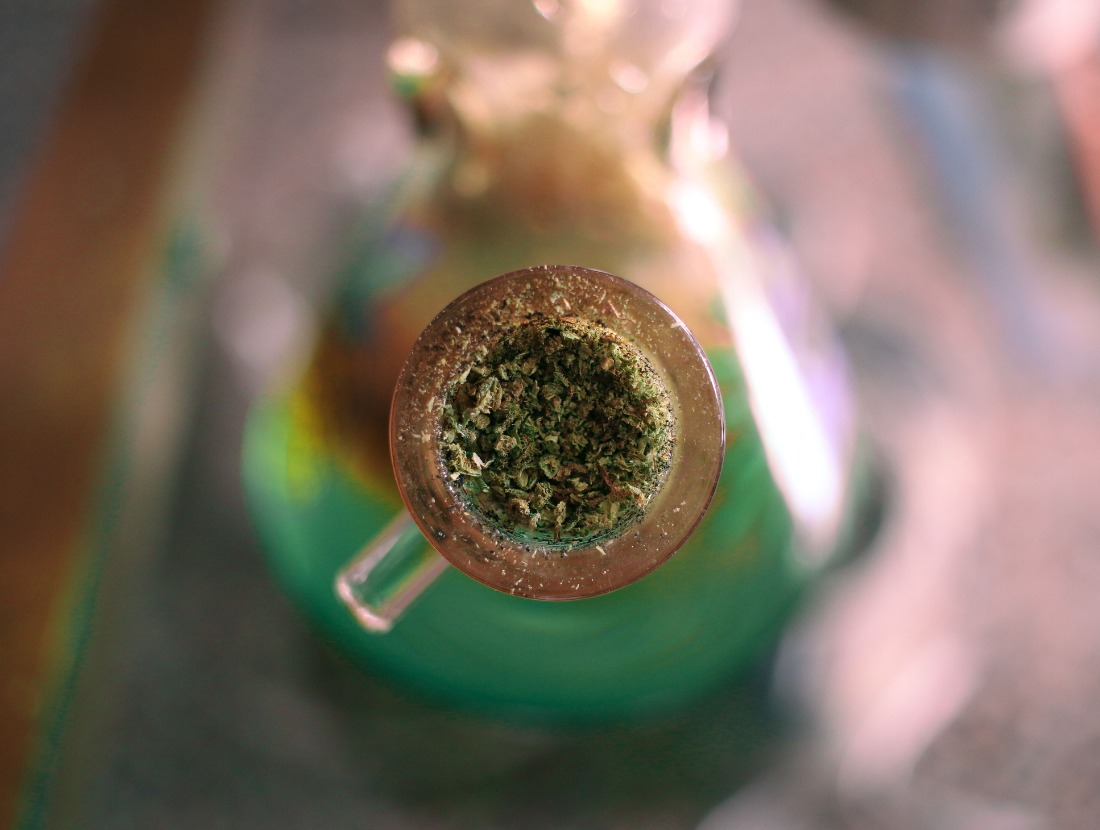
A bong gets dirty fast. Every session leaves tar and resin on the glass and a layer of stale water in the base, and within a day or two that buildup turns into a sticky brown film that dulls the flavor and clouds the glass. The good news is that cleaning it is simple, cheap, and quick.
For most bongs, isopropyl alcohol and coarse salt will strip the resin in about 20 to 30 minutes, and you probably already have everything you need at home.

This guide covers the standard alcohol-and-salt method, alcohol-free alternatives, how to reach the parts that are hardest to clean, and how often you actually need to do it.
What you need to clean a bong
You don’t need a specialty kit. The core method relies on two things: a solvent to dissolve the resin and an abrasive to scrub it loose.
- Isopropyl (rubbing) alcohol. 90% or higher works fastest because a higher concentration dissolves resin more aggressively. 70% still works but takes longer and may need a second pass. This is the solvent.
- Coarse salt. Rock salt, Epsom salt, kosher salt, or coarse sea salt all work. The large grains act as a scrubber, reaching spots a brush can’t. Fine table salt works in a pinch but dissolves too quickly to scour well.
- Warm water for rinsing.
- A stopper or your hands to seal the openings while you shake. Silicone caps or plugs are ideal; a thumb over the mouthpiece works too.
- A bong brush, pipe cleaners, and cotton swabs for the downstem, bowl, and any tight corners.
- A sealable bag or small container for soaking the bowl and downstem separately.
Pre-made cleaners like Formula 420, Orange Chronic, or Grunge Off are also an option and can save time on heavy buildup. Most are alcohol- or solvent-based and work the same way; follow the label and rinse thoroughly.
How to clean a bong with isopropyl alcohol and salt
This is the fastest and most reliable method for glass bongs. Set aside about 30 minutes.
- Empty and rinse. Pour out the old water and give the whole bong a rinse with warm water to flush out anything loose. Warm, not scalding — pouring boiling water into cold glass can crack it.
- Disassemble. Remove the bowl and the downstem. These come off so you can clean them separately, and they hold some of the worst buildup.
- Add alcohol and salt. Pour alcohol into the base until the resin-coated areas are submerged, then add a few tablespoons of coarse salt. Some people cut the alcohol with an equal part warm water; others use it neat for speed. Either works — the salt is what does the scrubbing.
- Seal and shake. Cover the mouthpiece and the downstem joint with your hands, caps, or plugs, and shake so the salt scours every inner surface. Keep going for a couple of minutes, working the solution into the base, neck, and any chambers.
- Soak if needed. For light buildup, shaking may be enough. For a dirty bong with baked-on resin, let it soak for 30 minutes — or several hours to overnight for the worst cases — then shake again.
- Clean the small parts. Drop the bowl and downstem into a bag or container with the same alcohol-and-salt mix, seal it, and shake or soak. Use a pipe cleaner or cotton swab to clear the downstem holes and bowl.
- Rinse thoroughly and dry. Rinse every piece with warm water until there’s no salt grit, no cloudiness, and no smell of alcohol. Let everything air-dry completely before you reassemble and use it.
How to know it worked: the glass should be clear, the inner walls smooth rather than tacky, and there should be no resin smell. If you still see brown streaks or feel stickiness, repeat the soak with fresh alcohol and salt rather than settling for a partial clean — leftover residue and alcohol taste mean it isn’t ready to use yet.
How to clean a bong without alcohol
If you’re out of rubbing alcohol, or your bong is made of a material alcohol can damage, several household combinations do the job. Each pairs a mild acid or cleaner with an abrasive:
- White vinegar and baking soda. Rinse the bong, sprinkle in baking soda, then add vinegar and let it fizz. Swirl, let it sit for 20 to 30 minutes, and rinse. Good for both resin and hard-water film.
- Vinegar and coarse salt or rice. Uncooked rice or coarse salt gives you the abrasive; the vinegar loosens the grime. Add warm water, shake, and repeat if needed.
- Lemon juice and salt. The citric acid helps cut buildup. Mix with warm water and an abrasive, let it sit, and shake.
- Coarse salt and hot water alone. Not as powerful, but it can maintain a bong that’s cleaned regularly.
Alcohol-free methods are gentler, so they usually need a longer soak or a second round on stubborn resin. They’re the right call for silicone and acrylic bongs and a fine everyday option for glass.
Cleaning the bowl, downstem, and percolator
The bowl and downstem collect the densest resin, and percolators — those slotted or tree-shaped chambers that diffuse the smoke — are the hardest part of any bong to clean because you can’t get a brush inside them.
For the bowl and downstem, soak them in the same alcohol-and-salt solution and use a pipe cleaner or cotton swab to push residue out of the holes. The technique is essentially the same as cleaning a glass pipe, so if you also own a hand pipe you can do both at once.
For a percolator, you can’t scrub the inside, so let chemistry and agitation do the work. Plug the openings, fill the chamber with alcohol and salt, and shake so the salt tumbles through the slots. Soak longer than you would for plain glass, and repeat with fresh solution if the diffusion holes stay clogged. A syringe or squeeze bottle helps flush solution directly through narrow downstems and perc slots.
Cleaning a bong by material
The alcohol-and-salt method is built for glass, but not every bong is glass.


- Glass: alcohol and salt, exactly as above. Avoid sudden temperature changes that can shock and crack the glass.
- Silicone: skip the alcohol soak. Most silicone bongs are dishwasher-safe, or you can freeze them so the hardened resin flakes off when you flex the piece. Warm water with dish soap or a vinegar solution also works. Being this easy to clean is one of the appeals of silicone bongs.
- Acrylic: don’t use isopropyl alcohol, which can cloud or degrade the plastic. Use warm water with coarse salt, or a vinegar-and-baking-soda mix instead.
- Metal: warm soapy water and a vinegar soak are safest; check the manufacturer’s guidance before using alcohol on any coating or finish.
What not to use
A few common ideas do more harm than good:
- Bleach. It’s extremely hard to rinse out completely, and inhaling any residue is dangerous. Skip it entirely.
- Acetone or nail polish remover. These aren’t meant for smoking equipment and can leave a harmful residue. Stick to isopropyl alcohol.
- The dishwasher, for glass bongs. The heat and jostling can crack the glass or snap off a fragile percolator, and detergent film is hard to remove. Silicone pieces are the exception.
- Boiling water poured into cold glass. The thermal shock can shatter it. If you want to use warm water in your bong or for cleaning, let the glass come up to temperature gradually.
Whatever you use, the last step never changes: rinse until the water runs clear and dry completely before inhaling.
How often should you clean your bong
Two habits keep a bong in good shape:
- Change the water after every session, or at least daily. Standing bong water is where most of the smell and grime start, so dumping it and rinsing takes seconds and prevents most buildup.
- Do a full deep clean about once a week if you use it regularly — more often for heavy daily use, less for occasional sessions. If the water clouds quickly, the glass looks tinted, or hits start tasting harsh, it’s time regardless of the schedule.
The less you let resin accumulate, the faster each cleaning goes.
Why a clean bong matters
Beyond taste, there’s a hygiene reason to stay on top of it. Standing bong water and the film inside a neglected bong can harbor bacteria, yeast, and mold, and you’re drawing air through that chamber straight into your lungs.
There is at least one documented medical case linking contaminated bong water to a serious lung infection, and while a single case report doesn’t mean it’s a common outcome, it underscores why the water and inner surfaces shouldn’t be left to fester. If you’re at all concerned about the respiratory side of smoking, a clean piece is one of the easiest variables to control.
The everyday payoff is simpler: a clean bong tastes better, pulls smoother, and looks better. Fresh water and clear glass let the flavor of the flower come through instead of stale smoke and old resin.
Keeping your bong cleaner for longer
A little maintenance stretches the time between deep cleans. Empty and rinse after each use, keep a small amount of cleaning solution on hand for quick touch-ups, and avoid letting the bong sit full for days. Adding an ash catcher keeps ash and resin from reaching the main chamber in the first place, so the bong itself stays cleaner between sessions.
Frequently asked questions
What kind of alcohol should I use to clean a bong? Isopropyl (rubbing) alcohol, ideally 90% or higher. 70% works but is slower. Don’t use drinking alcohol — it’s not concentrated enough to cut resin efficiently.
Can I clean a bong without alcohol? Yes. White vinegar with baking soda, lemon juice and salt, or coarse salt with hot water all work, though they usually need a longer soak than alcohol.
How long should I soak my bong? About 30 minutes for typical buildup. Heavily soiled bongs can soak several hours or overnight. Alcohol-free methods generally need the longer end.
What kind of salt works best? Coarse salt — rock, Epsom, kosher, or coarse sea salt — because the large grains scrub. Fine table salt dissolves too fast to be as effective.
Can I use hydrogen peroxide to clean my bong? It can help with mold and staining, often paired with baking soda or salt, but isopropyl alcohol and salt is faster for resin. As always, rinse thoroughly afterward.
Can I put my bong in the dishwasher? Not a glass one — the heat and movement risk cracking the glass or a percolator. Many silicone bongs are dishwasher-safe.
How do I get rid of mold in a bong? Empty it, scrub with an abrasive and either alcohol or a vinegar-and-baking-soda solution, soak the affected parts, and rinse well. If mold keeps returning, you’re likely leaving water in it too long — change the water after each session.
How long should I wait after cleaning before using it? Until it’s completely rinsed and dry, with no salt grit and no smell or taste of alcohol or cleaner. Air-drying fully is the safest way to be sure.


Sign up for bi-weekly updates, packed full of cannabis education, recipes, and tips. Your inbox will love it.