
 Merch
Merch Medical card
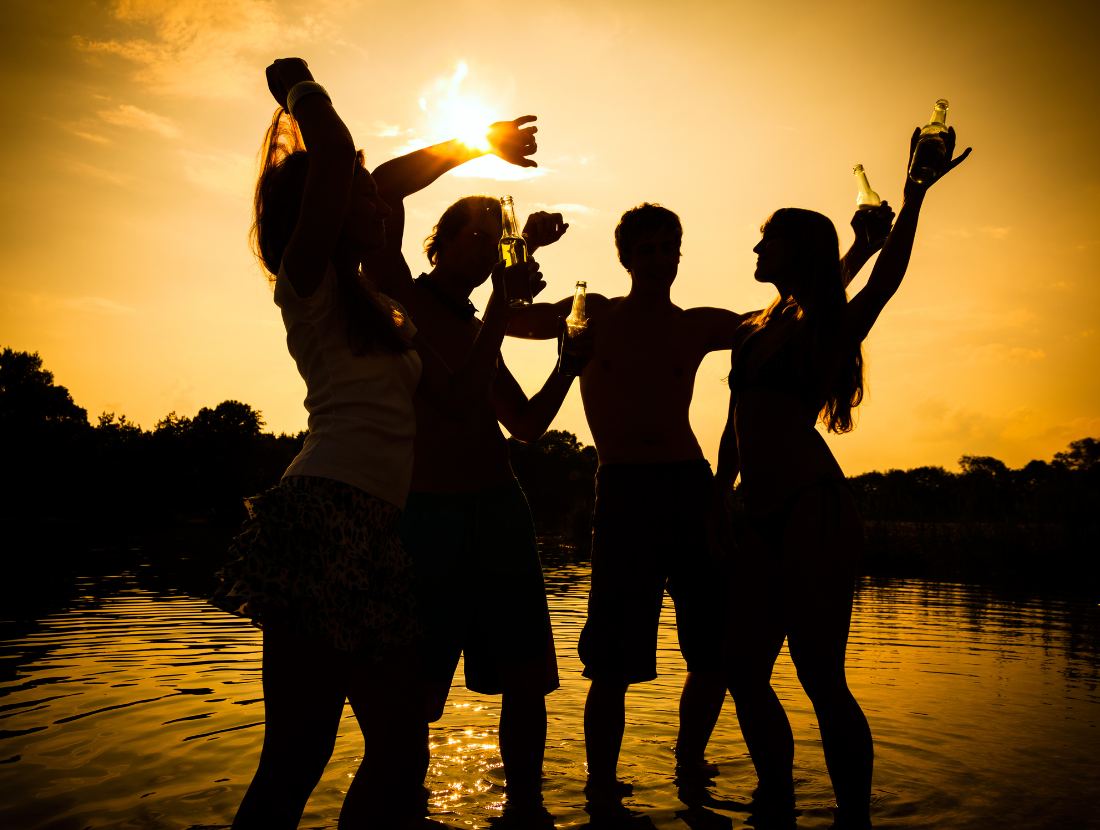
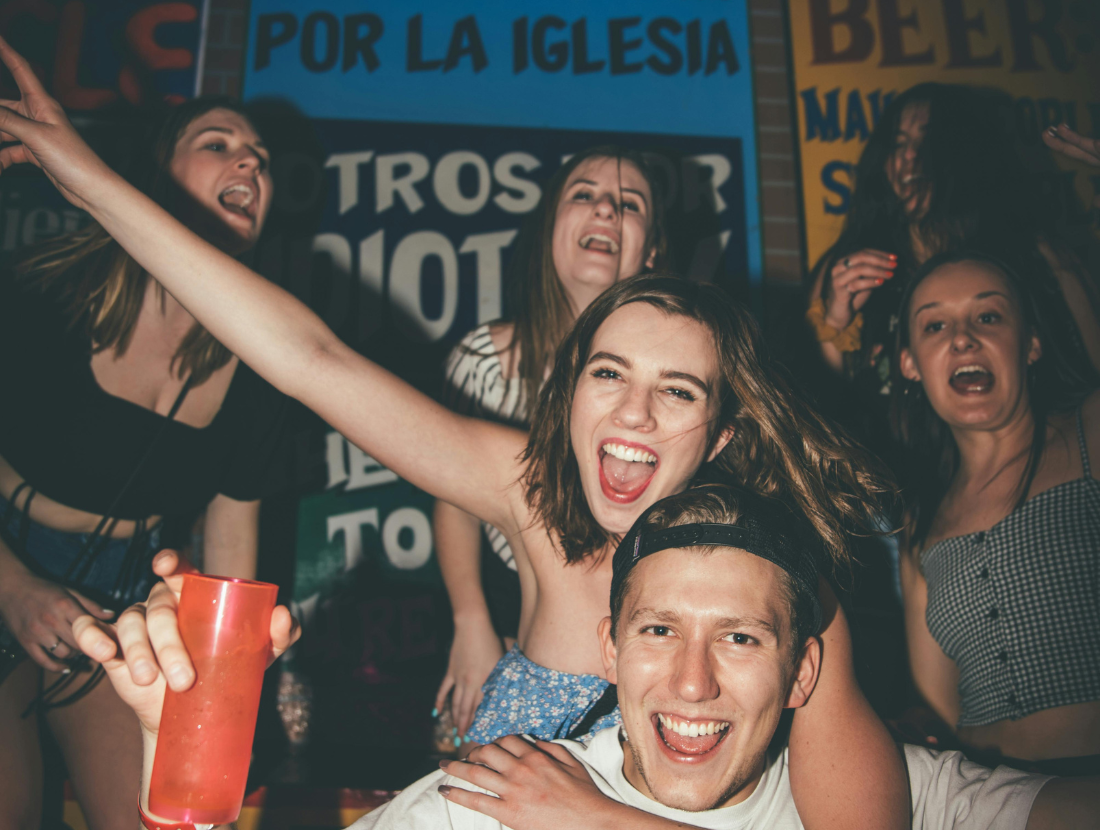
Picture a backyard cookout this July. Burgers on the grill, a Bluetooth speaker on the patio table, a cooler full of drinks. Open the lid and you’ll find the usual Modelos and hard seltzers, but next to them, a four-pack of 5mg THC seltzers, label facing out. The host put them there on purpose. No announcement, no explanation. They’re a drink option, same as the lemonade.
That cooler tells a story about cannabis replacing alcohol in how Americans socialize in 2026. A Gallup survey released in 2025 found that only 54% of U.S. adults say they drink alcohol, a record low. Younger adults are driving much of the shift. CDC data shows an 8-point decline in drinking among 18- to 24-year-olds between 2011 and 2023, and a 2025 NCSolutions survey found that 49% of Americans planned to cut back on alcohol that year, up 44% from 2023.


The trend of cannabis replacing alcohol is real for a growing, vocal subset of consumers looking for alcohol alternatives. But it’s worth grounding that claim in some complexity before going further.
Cannabis Replacing Alcohol: A Personal Choice, Not a Population Trend
Gallup’s director of social research made a pointed observation: the decline in alcohol consumption does not appear driven by people shifting to cannabis. Health awareness, changing attitudes toward moderate drinking, and economic factors account for most of the macro movement. A 2025 IWSR survey of 26,000 people across 15 markets found that Gen Z alcohol participation rose from 66% to 73% between 2023 and 2025, with younger drinkers more likely than any other generation to say they’ve chosen to drink more.
The generation is not a monolith. A segment is choosing cannabis as a social substance, and that segment is culturally visible on social media, in product marketing, and in trend coverage. But it coexists with peers who are drinking more, not less. The editorial framing that “Gen Z quit drinking” collapses under the data. The more accurate story: some young adults now treat substance choice as a wellness and identity decision, and cannabis is one option on the table.
“California Sober” Goes Mainstream
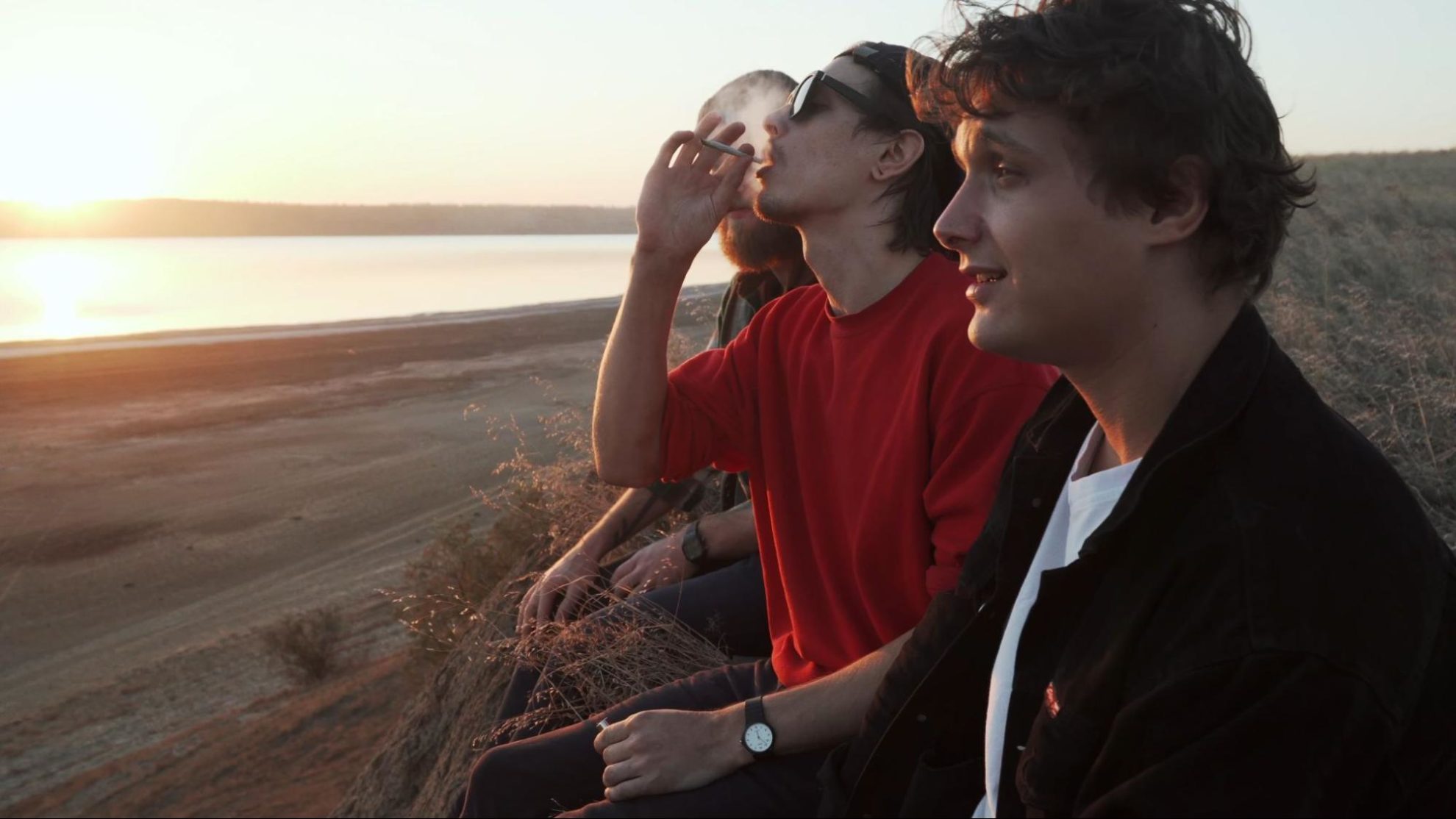
The term “California sober,” meaning someone who avoids alcohol but uses cannabis, has moved from niche slang to mainstream shorthand. A survey of 2,000 U.S. adults found that 34% now identify with the concept, and that number jumps to 48% among Gen Z respondents. A 2026 paper from Johns Hopkins-affiliated researchers, published in the International Journal of Mental Health and Addiction, examines California sober through an addiction-science framework, though the authors position the discussion as emerging rather than settled.
At a summer party, California sober looks like this: someone who brings a bag of 5mg gummies to a potluck, passes on the keg, and doesn’t feel like they’re opting out. They’re participating in the same social ritual, with a different substance. The NCSolutions survey found that 26% of respondents expressed interest in cannabis-infused beverages, rising to 38% among Gen Z.
THC Seltzers and Cannabis Beverages as the New Social Drink
THC beverages have become the product category that makes cannabis legible in alcohol-dominated settings. A can of THC seltzer mirrors the ritual of drinking: you hold it, sip it, offer one to a friend. You don’t need a grinder, a pipe, or any cannabis-specific knowledge. Cannabis-infused drinks have gained traction as a standalone category. BDSA reported a 15% jump in THC beverage sales in 2025, and industry analysts project the cannabis beverage market could reach $2.8 billion by 2028.
Low-dose formulations (2.5 to 5mg per can) give consumers precise control over their experience, making microdosing THC at a party as straightforward as choosing a light beer. For someone hosting a mixed gathering, these products slot into the drink lineup without requiring a separate consumption area or accessories. If you’re combining cannabis and alcohol at the same event, keep in mind that mixing the two substances can amplify effects in unpredictable ways. One regulatory note: federal legislation signed in November 2025 would cap THC at 0.4mg per container for hemp-derived products, with enforcement set for late 2026. That rule could reshape the hemp-derived beverage segment and push consumers toward dispensary products in legal states.
Cannabis Consumption Lounges Build the Social Infrastructure
Social cannabis use has lacked one thing alcohol has had for centuries: dedicated public venues. Cannabis consumption lounges are closing that gap. Massachusetts approved social consumption regulations in late 2025. New Jersey granted its first consumption area endorsements in mid-2025. California updated its laws in 2025 to let cannabis lounges serve non-infused food and beverages alongside cannabis and host live entertainment. In Denver, venues like Cirrus Social Club offer an upscale, designed-for-adults alternative to the bar, complete with curated menus and a lounge atmosphere.
These spaces matter because they move cannabis consumption out of parking lots and basements and into a public, regulated setting. For a consumer who wants to go out on a Saturday night without drinking, a consumption lounge fills a need that a dispensary can’t.
The Science of Cannabis vs. Alcohol Substitution
The strongest clinical evidence that cannabis replacing alcohol is more than anecdotal comes from a 2025 randomized controlled trial led by Jane Metrik at Brown University, published in the American Journal of Psychiatry. Participants who used cannabis before a drinking session consumed less alcohol and started drinking later than those who received a placebo. The Brown University press release described the results as consistent with a “substitution effect.” But Metrik cautioned against treating the findings as validation that cannabis is a safer alternative, particularly for people with alcohol use disorder.
Population-level data adds context. A Carnegie Mellon analysis of 40 years of federal survey data, published in Addiction in 2024, found that daily or near-daily cannabis users now outnumber daily alcohol drinkers in the U.S., 17.7 million to 14.7 million. And a review of 95 studies published by the National Institute on Alcohol Abuse and Alcoholism found evidence for both substitution and complementary use, meaning cannabis may reduce alcohol intake for some consumers and increase it for others. The relationship runs in both directions, depending on the person and the context.

How to Host a Cannabis-Friendly Summer Party
If you’re planning a party where cannabis is on the menu alongside alcohol, a few practical details make the experience better for everyone:
- Stock THC beverages in a separate, labeled section of the cooler. Clear labeling prevents confusion, especially for guests unfamiliar with the products.
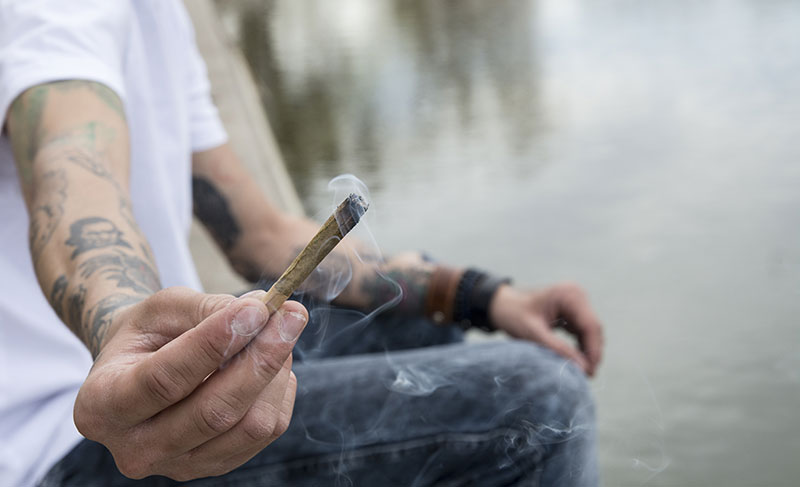
- Set up a designated consumption area for flower or vaporizers, away from the food and the crowd. Smoke drifts, and not every guest wants to be around it.
- Keep doses low for group settings, especially for canna-curious guests trying cannabis for the first time. Offer 2.5 to 5mg products rather than high-potency options. Guests can take more; they can’t take less. If someone overdoes it, greening out is uncomfortable but manageable with rest, water, and reassurance.
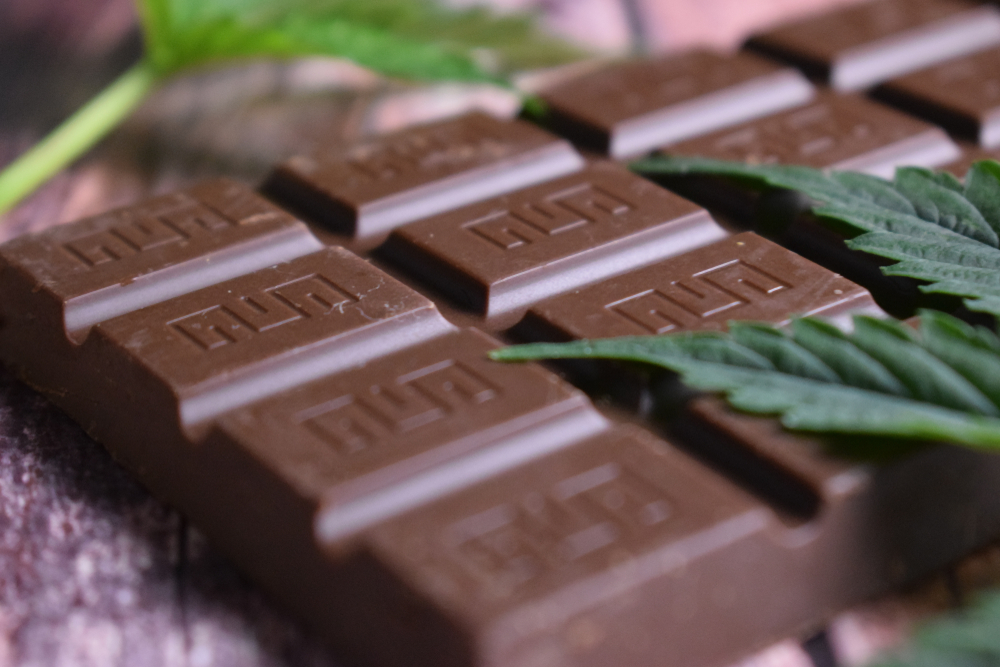
- Label edibles with THC content and keep them separate from non-infused snacks. A brownie that looks like a brownie should say what it is.
- Respect the guests who aren’t consuming either substance. Stock sparkling water, mocktails, and other options alongside the rest.
The party isn’t disappearing. The cooler is getting more interesting. For a growing number of Americans, summer socializing in 2026 looks like a backyard with more options and fewer hangovers, and the choice of substance is becoming as personal as the choice of playlist.
Frequently Asked Questions
Can cannabis replace alcohol at social events?
For a growing number of Americans, yes. THC beverages and low-dose edibles offer a familiar social ritual without the hangover. A 2025 randomized controlled trial from Brown University found that participants who used cannabis consumed less alcohol in a controlled setting, consistent with a substitution effect. That said, cannabis affects people differently, and the choice depends on individual tolerance, legal status in your state, and personal preference.
What does “California sober” mean?
California sober describes a lifestyle where someone abstains from alcohol but continues to use cannabis. A 2026 survey found that 34% of U.S. adults identify with the concept, rising to 48% among Gen Z respondents. Researchers at Johns Hopkins have begun examining the approach through an addiction-science lens, though the academic discussion is in early stages.
Are THC seltzers a good option for summer parties?
THC seltzers have become one of the fastest-growing product categories in legal cannabis, with sales rising 15% in 2025. Low-dose options (2.5 to 5mg THC per can) offer precise dosing and a familiar social format. If you’re hosting, label them and keep them separate from alcoholic and non-alcoholic drinks so guests can make informed choices.
Is Gen Z drinking less than previous generations?
The picture is more nuanced than headlines suggest. Gallup data shows the share of adults under 35 who drink has dropped over two decades. But a 2025 IWSR survey of 26,000 people found Gen Z alcohol participation rose from 66% to 73% between 2023 and 2025. A vocal segment of younger adults is choosing cannabis over alcohol, but the generation is not a monolith.
Where can you consume cannabis socially outside of private homes?
A growing number of states now license cannabis consumption lounges. Massachusetts approved social consumption regulations in late 2025, New Jersey granted its first consumption area endorsements in mid-2025, and California updated its laws to let lounges serve non-infused food and drinks alongside cannabis. Venues like Denver’s Cirrus Social Club offer an upscale alternative to the bar.
References
- Metrik J et al., “Acute Effects of Cannabis on Alcohol Craving and Consumption: A Randomized Controlled Crossover Trial,” American Journal of Psychiatry, 2025.
- Caulkins JP, “Changes in Self-Reported Cannabis Use in the United States from 1979 to 2022,” Addiction, 2024.
- Gallup, “U.S. Drinking Rate at New Low as Alcohol Concerns Surge,” August 2025.
- Gunn RL, Aston ER, Metrik J, “Patterns of Cannabis and Alcohol Co-Use: Substitution Versus Complementary Effects,” Alcohol Research: Current Reviews (NIAAA).
- IWSR, “Don’t Blame Gen Z: Younger Legal-Drinking-Age Consumers Are Re-engaging with Alcohol,” June 2025.
- NCSolutions, “Nearly Half of Americans Plan to Drink Less Alcohol in 2025,” January 2025.
- Brown University, “As ‘California Sober’ Catches On, Study Suggests Cannabis Use Reduces Short-Term Alcohol Consumption,” November 2025.
- Dubois C et al., “Redefining Recovery: The Expanding Cannabis Landscape and Its Implications for the California Sober Approach in Addiction,” International Journal of Mental Health and Addiction, 2026.
- Axios Boston, “Massachusetts Approves Cannabis Lounge Regulations for 2026,” December 2025.
- CoBank / GlobeNewsWire, “Adult Beverage Makers Adapt to Sobering Reality of Declining Alcohol Consumption,” October 2025.


Sign up for bi-weekly updates, packed full of cannabis education, recipes, and tips. Your inbox will love it.