

 Merch
Merch Medical card
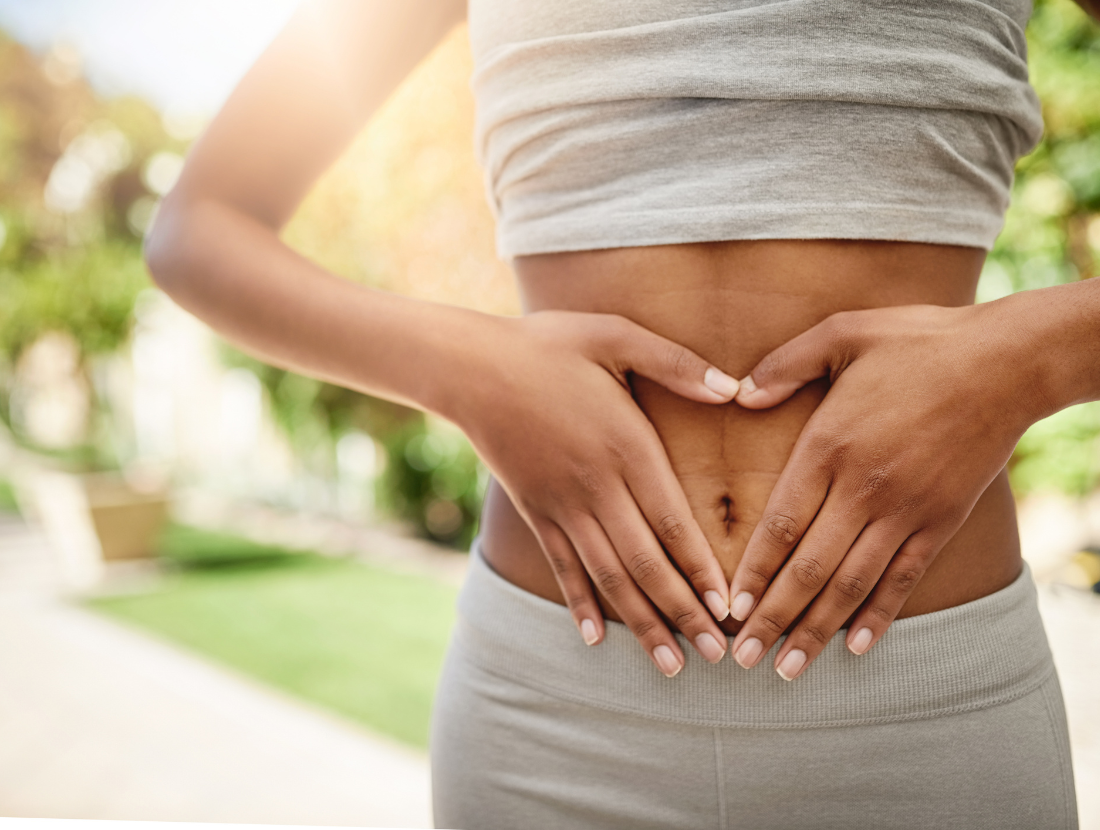
From menstrual pain and menopause to pregnancy and sexual function, women are using cannabis across nearly every stage of reproductive life. The evidence supporting those uses ranges from promising to deeply cautionary.
Research into cannabis and women’s health has accelerated alongside a notable shift in use patterns. Cannabis use among women has grown faster than among men since legalization expanded across the United States. By 2023, Gen Z women reported higher rates of past-year cannabis use than their male peers, reversing a recorded gap that had persisted for decades. For the first time, women are the plurality of new cannabis users, and many are turning to it specifically for reproductive and hormonal health concerns.
The science, though, is uneven. For some applications, like managing pregnancy-related nausea, the risk picture is clear and discouraging. For others, like menstrual pain or menopause symptoms, the evidence lags conspicuously behind self-reported use. Understanding where the research stands matters, both for informed personal decisions and for productive conversations with healthcare providers.

How Cannabis Affects the Female Body Differently
The endocannabinoid system (ECS) that THC, CBD, and other cannabinoids interact with is not the same in female and male bodies. Understanding sex differences in cannabis response is central to female reproductive health: sex differences exist in CB1 receptor density, cannabis exposure effects on brain structure, and the co-occurrence of cannabis use with anxiety, depression, and psychosis, according to a foundational review from Cooper and Craft.
Estrogen regulates CB1 receptor expression in a region-dependent way. Women have higher CB1 density in the amygdala than men, which may contribute to greater sensitivity to anxiety-related effects of cannabis. Cannabinoid receptors are also expressed in ovarian follicles, where the ECS appears involved in follicle selection, ovulation, and corpus luteum function.
Most existing cannabis research was conducted predominantly in male subjects. The findings have limited generalizability to women, and the gap has real consequences for anyone trying to interpret the evidence.
Cannabis for Menstrual Pain and Endometriosis: What Research Shows
Interest in cannabis for dysmenorrhea (painful periods) and endometriosis is high, and women’s surveys consistently report meaningful self-reported relief. The clinical evidence base, however, remains thin.
A 2024 study published in npj Women’s Health was the first to assess a commercially available CBD suppository for menstrual pain. Participants reported reduced pain frequency and lower analgesic use. That’s a meaningful signal, but the study was observational, not a randomized controlled trial, and its results require replication before clinical recommendations can follow.
For endometriosis, all nine completed studies identified in a 2025 scoping review were cross-sectional in design, meaning researchers surveyed patients about existing habits rather than testing cannabis against a comparator. In a German-language survey of 912 endometriosis patients, cannabis received the highest self-reported efficacy scores among self-management strategies, with roughly 90% of users reporting reduced use of other pain medications. The consistency is striking, but no randomized controlled trials exist for cannabis in endometriosis pain management as of mid-2026.
What ACOG says: The American College of Obstetricians and Gynecologists concluded in its 2024 Clinical Consensus No. 7 that there are insufficient data to recommend or discourage cannabis for gynecologic pain. Clinicians are advised to discuss both theoretical benefits and the limitations of current evidence.
Cannabis During Pregnancy and Breastfeeding: The Risk Evidence
This is the domain where evidence is most consistent and where risk perception most dangerously lags the science. Some women use cannabis to manage pregnancy nausea, often without disclosing it to their providers. The data on fetal outcomes argues strongly against it.
A 2025 meta-analysis covering 51 studies and 7.9 million women found cannabis use during pregnancy was associated with elevated risks of low birth weight, small for gestational age, preterm delivery, NICU admission, major fetal anomalies, and perinatal mortality. Confounders like tobacco and alcohol complicate attribution in observational data, but the signal is consistent across multiple large studies, including a separate Oregon Health & Science University systematic review confirming elevated preterm birth and small-for-gestational-age associations.
For breastfeeding, there’s no reliable “pump and dump” window for THC. Unlike alcohol, THC has no consistent peak-and-clear pattern in breast milk. Cannabis metabolites accumulate with ongoing use, and the potential effects on nursing infants remain under-studied.
Does Cannabis Affect Female Fertility?
The American Society for Reproductive Medicine characterizes the cannabis-fertility evidence as inconsistent, but caution is warranted. A 2025 study in Nature Communications used both in vitro methods and a case-control design to find that IVF patients with THC-positive results had lower euploid embryo rates than matched controls. It’s the first human-tissue study of THC effects on oocytes, and it needs replication, but the methodology is stronger than prior IVF-related data.

Cannabis for Menopause Symptoms: Self-Report vs. Clinical Evidence
A published survey of 258 perimenopausal and postmenopausal cannabis users found that sleep disturbance was the top indication for use, cited by 67% of participants, followed by mood and anxiety at 46%. Use was widespread and self-reported outcomes were positive. The problem: no randomized controlled trials have tested cannabis for menopause symptom management. The entire evidence base rests on observational surveys, and the gap between enthusiastic self-report and controlled evidence is large.
Cannabis and Female Sexual Function
A 2025 systematic review identified 16 studies on cannabis and female orgasm function, covering 8,849 participants. All nine studies that examined cannabis use before sexual activity reported improvements in orgasm function, but the methodological quality was low throughout, with high risk of bias across the board and only one study that controlled for baseline prevalence of orgasm difficulty. The directional signal is consistent; the quality of the evidence is not.
Cannabis Use Disorder Risk: Why Women Are More Vulnerable
A balanced picture of cannabis and women’s health requires addressing cannabis use disorder in women specifically. Women progress from first cannabis use to cannabis use disorder faster than men, a pattern researchers call the “telescoping” effect. Women also report worse treatment outcomes on average and are more likely to use cannabis to manage nausea and anxiety, which are also common cannabis withdrawal symptoms, creating a reinforcing cycle. Large-scale survey data suggest cannabis use is associated with a more pronounced negative impact on mental quality-of-life scores per unit of use in women compared to men.
Cannabis may offer real benefits for specific conditions women experience, and research should continue. For now, the evidence base is strongest where the findings are most cautionary. For pregnancy and breastfeeding, the risk signal is consistent. For gynecologic pain, menopause, and sexual function, the self-reported signal is encouraging but the clinical evidence to support broad recommendations does not yet exist.
Frequently Asked Questions
Is cannabis safe to use during pregnancy?
No major medical body currently considers cannabis safe during pregnancy. A 2025 meta-analysis covering 7.9 million women found associations between prenatal cannabis use and increased rates of low birth weight, preterm delivery, NICU admission, and major anomalies. ACOG advises against cannabis use during pregnancy and recommends that clinicians counsel patients on these risks.
Can cannabis help with menstrual pain?
Some women report meaningful relief from cannabis or CBD for menstrual pain, and the endocannabinoid system appears to play a role in uterine function. Clinical trial evidence for cannabis as a dysmenorrhea treatment remains preliminary. A 2024 study on CBD suppositories found associations with reduced pain and lower analgesic use, but it was observational, not a randomized controlled trial.
Does cannabis affect fertility in women?
The evidence is mixed but warrants caution. Cannabinoid receptors are present in ovarian follicles and appear involved in ovulation and oocyte maturation. A 2025 Nature Communications study found that IVF patients with THC-positive tests had lower euploid embryo rates than matched controls. The American Society for Reproductive Medicine characterizes the overall fertility evidence as inconsistent and recommends avoiding cannabis when trying to conceive.
Can cannabis help with menopause symptoms?
Many perimenopausal and postmenopausal women report using cannabis for sleep disturbance and mood or anxiety. No randomized controlled trials have tested cannabis for menopause symptom management. The self-reported benefits are consistent across surveys, but clinical evidence sufficient to support a recommendation does not yet exist.
Are women more vulnerable to cannabis use disorder than men?
Research suggests women progress from first cannabis use to cannabis use disorder faster than men, a pattern researchers call the “telescoping effect.” Women also report worse treatment outcomes on average and are more likely to use cannabis to manage nausea and anxiety, which are also common withdrawal symptoms, creating a reinforcing cycle.


Sign up for bi-weekly updates, packed full of cannabis education, recipes, and tips. Your inbox will love it.